
The humble crock pot, a ubiquitous kitchen appliance, has revolutionized meal preparation for countless households, offering the convenience of “set it and forget it” cooking. Yet, beneath its seemingly simple operation lies a nuanced technical system, particularly when it comes to understanding its temperature settings. While “low” and “high” are intuitive for cooking, the “warm” setting often presents a point of curiosity and, at times, confusion for users. What exact temperature does “warm” signify, and how does this setting integrate into the broader technological design of these slow-cooking workhorses? Delving into the mechanics and thermal dynamics of a crock pot reveals a sophisticated approach to food safety and preservation, making the “warm” setting a critical, albeit often underestimated, component of its functionality.
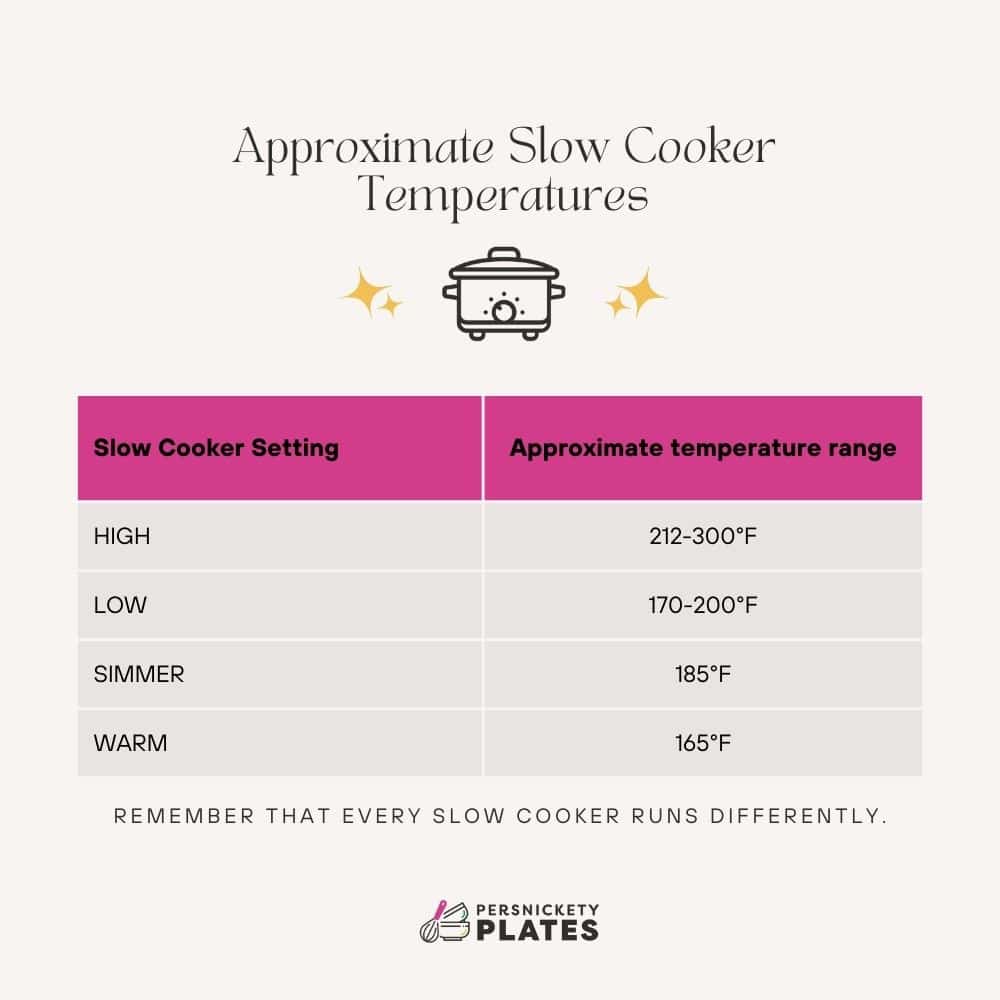
The Technical Spectrum of Slow Cooker Settings
Crock pots, at their core, are designed to cook food slowly and evenly at low temperatures over extended periods. This method breaks down tough cuts of meat, melds flavors, and creates tender dishes with minimal effort. The distinction between “low,” “high,” and “warm” isn’t merely a matter of degree but rather a carefully calibrated set of thermal parameters engineered to achieve specific culinary and safety outcomes. Understanding these parameters is key to mastering the appliance.
Beyond “Low” and “High”: Decoding the “Warm” Function
While “low” and “high” settings are primarily for actively cooking food, the “warm” setting serves a distinct purpose: maintaining the temperature of already cooked food at a safe level for serving. It is crucial to understand that “warm” is not for cooking raw ingredients, nor is it intended for reheating cold food. Its primary design objective is to keep food out of the “danger zone,” which, according to food safety guidelines, is the temperature range between 40°F (4°C) and 140°F (60°C) where bacteria can multiply rapidly.
Generally, a crock pot’s “warm” setting is designed to maintain a temperature of approximately 150°F to 165°F (65°C to 74°C). This range ensures that food remains above the 140°F (60°C) minimum required for safe holding, effectively inhibiting bacterial growth while preventing the food from continuing to cook or dry out. The exact temperature can vary slightly between manufacturers and models, but the underlying principle remains consistent across the industry. This precision engineering, though often hidden, is a testament to the appliance’s thoughtful design, prioritizing both convenience and consumer safety.
Thermostat Mechanisms: How Crock Pots Maintain Temperature
The ability of a crock pot to maintain consistent temperatures across its various settings is due to a built-in thermostat system. Unlike ovens with precise numerical temperature controls, crock pots typically use a bimetallic strip thermostat or a thermistor-based system. These components continuously monitor the internal temperature of the ceramic insert (or cooking vessel) and cycle the heating elements on and off to maintain the set temperature range.
For the “warm” setting, the thermostat is calibrated to a lower threshold. When the internal temperature drops below the target (e.g., 150°F), the heating element activates to bring it back up. Once it reaches the upper threshold (e.g., 165°F), the element deactivates. This cyclical heating prevents overcooking while ensuring the food remains safely warm. Modern crock pots, especially those with digital controls, may employ more sophisticated proportional-integral-derivative (PID) controllers for even finer temperature regulation, leading to more stable and accurate holding temperatures. This technological advancement enhances user experience by minimizing temperature fluctuations and improving food quality.
Factors Influencing Actual Food Temperature
While the crock pot’s internal mechanics aim for a specific temperature, the actual temperature of the food inside can be influenced by several external and internal factors. The amount of food, its initial temperature, the density of the ingredients, and even the ambient room temperature can all play a role. A full crock pot will retain heat more effectively and maintain a consistent temperature longer than a nearly empty one. The type of lid (glass vs. opaque), how frequently it’s opened, and the material of the insert (ceramic vs. metal) also contribute to thermal efficiency. Engineers factor these variables into the design, but user practices can significantly impact the outcome. Understanding these dynamics allows for more informed usage, ensuring food safety and optimal culinary results.
The “Warm” Setting in Practice: Optimal Use Cases and Safety
The “warm” setting is more than just a temperature; it’s a strategic tool in the kitchen, designed to extend the serving window of your meals. However, its effectiveness and safety hinge on proper application and an understanding of its limitations. Misusing the “warm” setting can lead to undesirable food quality or, more critically, food safety hazards.
Ideal Scenarios for Using the Warm Setting
The “warm” setting shines brightest in scenarios where food needs to be held at serving temperature for a period after cooking is complete. Common ideal uses include:
- Buffet-style serving: Keeping dishes like chili, soup, pulled pork, or mashed potatoes warm for guests during a party or potluck.
- Staggered meal times: Accommodating family members who eat at different times, ensuring everyone gets a warm meal.
- Meal prepping: Holding a large batch of food warm until it’s ready to be portioned and stored.
- Preventing overcooking: Automatically switching to “warm” after a set cooking time on programmable models, preventing food from becoming mushy or dry.
In these situations, the “warm” setting provides convenience without compromising the integrity of the cooked dish, maintaining palatable temperatures and textures. This feature extends the utility of the crock pot beyond just cooking, transforming it into a versatile serving appliance.
Food Safety Considerations: The Danger Zone and Warm Settings
As previously mentioned, the “danger zone” for bacterial growth is between 40°F (4°C) and 140°F (60°C). The “warm” setting is specifically engineered to keep food above 140°F (60°C) to prevent rapid bacterial multiplication. However, there are crucial caveats:
- Cook first, then warm: The “warm” setting should only be used for food that has already been thoroughly cooked to its safe internal temperature. It is insufficient for cooking raw ingredients.
- Limited holding time: While the “warm” setting keeps food safe, it’s not meant for indefinite holding. Most food safety guidelines recommend holding food on “warm” for a maximum of 2 to 4 hours. Beyond this, food quality can degrade, and the risk of bacterial growth, even at safe temperatures, can increase over prolonged periods due to the potential for spores to activate or toxins to accumulate.
- Reheating: Never use the “warm” setting to reheat cold food. Cold food must be rapidly reheated to 165°F (74°C) using a higher heat source (like a microwave, stovetop, or the crock pot’s “high” setting) before being transferred to “warm” for holding.
Adhering to these guidelines ensures that the technological benefits of the “warm” setting are leveraged without introducing health risks. It’s a prime example of how user education is critical for safe appliance operation.
Nutritional Impact of Prolonged Warming
While the “warm” setting is safe for holding food for a few hours, prolonged exposure to heat, even at lower temperatures, can impact the nutritional content and organoleptic properties of food. Heat-sensitive vitamins, such as Vitamin C and some B vitamins, can degrade over time. Textures might become softer, and flavors, while often melding well in slow cooking, can sometimes become muted or over-concentrated if held too long.
From a culinary perspective, leaving delicate dishes on “warm” for excessive periods might result in a less vibrant final product. For heartier stews and chilis, the impact is less pronounced, and flavors can even deepen. Understanding these nuances allows users to make informed decisions about how long to utilize the “warm” setting, balancing convenience with nutritional value and taste preferences. This aspect highlights the interplay between technology, food science, and consumer experience.
Advanced Features and Smart Crock Pots: Elevating Temperature Control
The evolution of crock pots has seen a significant integration of advanced technology, moving beyond simple manual dials to sophisticated digital interfaces and smart connectivity. These innovations offer users greater precision and flexibility in temperature control, particularly around the “warm” function.
Digital Displays and Programmable Settings
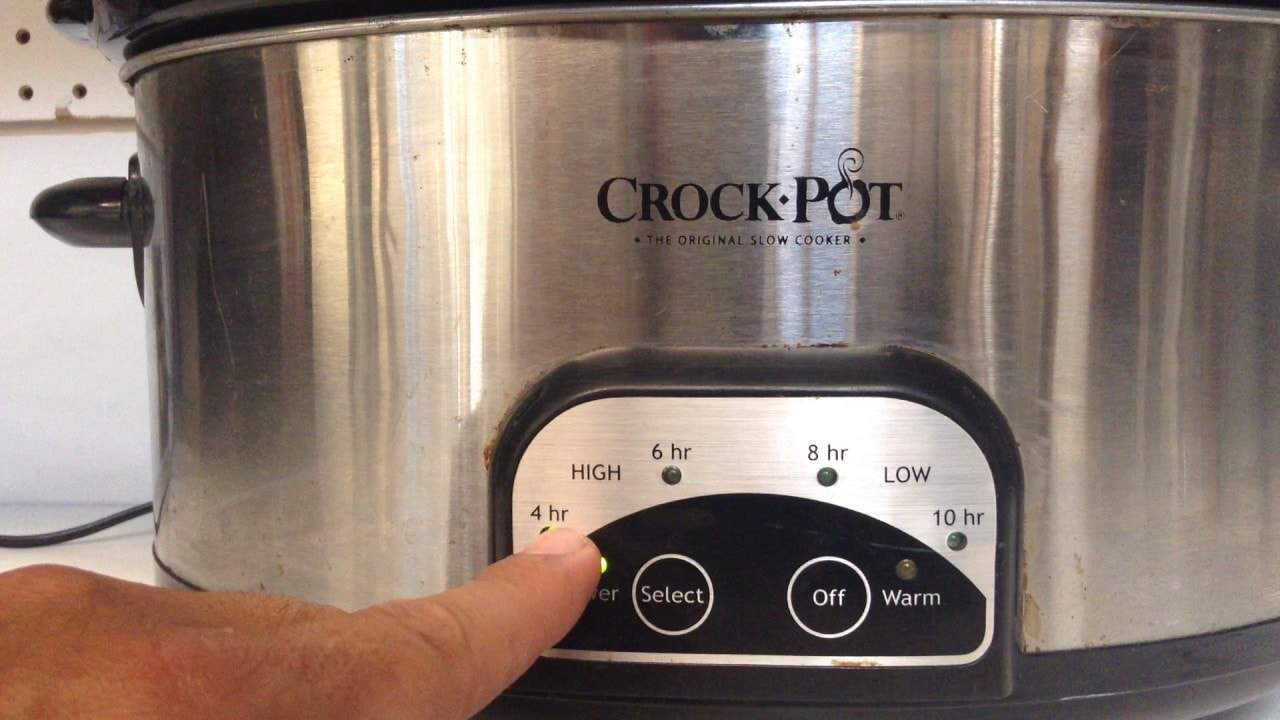
Modern crock pots often feature digital displays and programmable settings, providing a more granular control over cooking and holding temperatures. Instead of generic “low” or “high,” users might find options to set specific cooking durations after which the appliance automatically switches to “warm.” Some models even allow for manual temperature adjustments within a pre-defined range for the “warm” setting, offering more customization than traditional analog models. This level of programmability reduces the need for manual monitoring and provides peace of mind, as the appliance can transition seamlessly from cooking to holding. The underlying microcontrollers and sensors represent a significant technological upgrade, enhancing both convenience and safety.
Smart Connectivity and Remote Temperature Monitoring
The advent of smart home technology has brought crock pots into the connected kitchen. Wi-Fi-enabled crock pots allow users to control settings, including switching to “warm,” adjusting cooking times, and even monitoring the internal temperature of the food, all from a smartphone app. This remote accessibility is particularly beneficial for busy individuals who want to start cooking a meal before leaving for work and then ensure it transitions to “warm” without being physically present. Real-time notifications about cooking status or temperature deviations further enhance the user experience, transforming a basic appliance into an integral part of a smart home ecosystem. This integration of IoT (Internet of Things) principles into kitchen gadgets signifies a major technological leap.
Precision Cooking with Integrated Probes
Some high-end crock pots incorporate integrated temperature probes. These probes are inserted directly into the food and provide a precise reading of its internal temperature. Users can program the crock pot to cook until the food reaches a specific internal temperature (e.g., 165°F for poultry) and then automatically switch to “warm” or turn off. This feature is invaluable for ensuring food safety and preventing overcooking, as it moves beyond time-based estimates to actual thermal measurement of the food itself. This level of precision, borrowed from professional kitchen equipment, brings scientific accuracy to home cooking, further solidifying the crock pot’s position as a technologically advanced gadget.
Troubleshooting and Maximizing Your Crock Pot’s Performance
Even with advanced features, understanding the basic operation and potential issues of your crock pot can help maximize its lifespan and ensure consistent, safe performance, especially regarding temperature control.
Common Temperature-Related Issues and Solutions
- Food not getting hot enough on “warm”: If your food isn’t staying adequately warm, first check that the lid is securely seated to prevent heat escape. Ensure the crock pot isn’t overfilled, which can prevent even heating, or underfilled, which can lead to rapid heat loss. If issues persist, the thermostat or heating element may be faulty, requiring professional repair or replacement of the unit.
- Food drying out or overcooking on “warm”: This usually indicates the “warm” setting is running too hot or the food has been held for too long. Monitor the food more closely, reduce the holding time, or consider adding a small amount of liquid to prevent drying. If the appliance consistently overheats on “warm,” a thermostat issue might be the culprit.
- Inconsistent heating: Uneven heating can often be attributed to improper stirring (for larger quantities), an overloaded pot, or a faulty heating element. Ensure ingredients are cut to similar sizes for even cooking and heat distribution.
Understanding these common problems and their potential solutions empowers users to troubleshoot effectively, preventing frustration and ensuring optimal results from their appliance.
Maintenance Tips for Consistent Heat Output
Regular maintenance is key to the longevity and consistent performance of your crock pot’s heating elements and temperature sensors.
- Clean thoroughly: Always clean the ceramic insert and lid after each use. Food residue can accumulate and potentially affect heat transfer or harbor bacteria.
- Inspect cords and elements: Periodically check the power cord for fraying or damage. For models with exposed heating elements (less common now), ensure they are free from debris.
- Handle with care: Avoid thermal shock (e.g., placing a hot ceramic insert into cold water or vice-versa) as this can crack the insert and compromise its heat-retaining properties.
- Store properly: Store the crock pot in a dry, safe place where it won’t be exposed to extreme temperatures or accidental damage.
By following these simple maintenance tips, you can ensure that the internal components responsible for precise temperature control, including the “warm” setting, continue to function optimally for years to come.

Choosing the Right Crock Pot for Your Needs
Given the array of technological advancements, selecting a new crock pot involves considering more than just size.
- Analog vs. Digital: Analog models are simpler and often more affordable, but digital models offer programmable features and often more precise temperature control.
- Smart Features: If remote control and monitoring are a priority, invest in a Wi-Fi-enabled smart crock pot.
- Integrated Probe: For those who prioritize food safety and precise cooking temperatures, a model with an integrated temperature probe is invaluable.
- Size and Shape: Consider your typical cooking volume and available counter space.
- Lid Design: Some lids offer better seals or locking mechanisms for transport, impacting heat retention.
By evaluating these technical specifications and features, consumers can choose a crock pot that not only meets their cooking needs but also leverages modern technology to enhance convenience, safety, and culinary outcomes, making the “warm” setting just one expertly engineered aspect of a highly functional kitchen gadget.
aViewFromTheCave is a participant in the Amazon Services LLC Associates Program, an affiliate advertising program designed to provide a means for sites to earn advertising fees by advertising and linking to Amazon.com. Amazon, the Amazon logo, AmazonSupply, and the AmazonSupply logo are trademarks of Amazon.com, Inc. or its affiliates. As an Amazon Associate we earn affiliate commissions from qualifying purchases.