
In the competitive landscape of the modern marketplace, a brand is far more than a logo or a color palette; it is a living entity with a personality, a set of values, and a specific “superpower” that solves a problem for its audience. When we ask the question, “What superhero are you?” we are not merely engaging in a playful exercise of imagination. We are diving into the core of brand strategy and archetypal psychology.
For businesses and personal brands alike, identifying a core persona is the difference between being a forgettable commodity and becoming an iconic leader. By aligning your brand with a recognized “superhero” archetype, you create an emotional shorthand that resonates instantly with consumers. This article explores how to identify, refine, and deploy your brand’s superhero identity to dominate your niche.
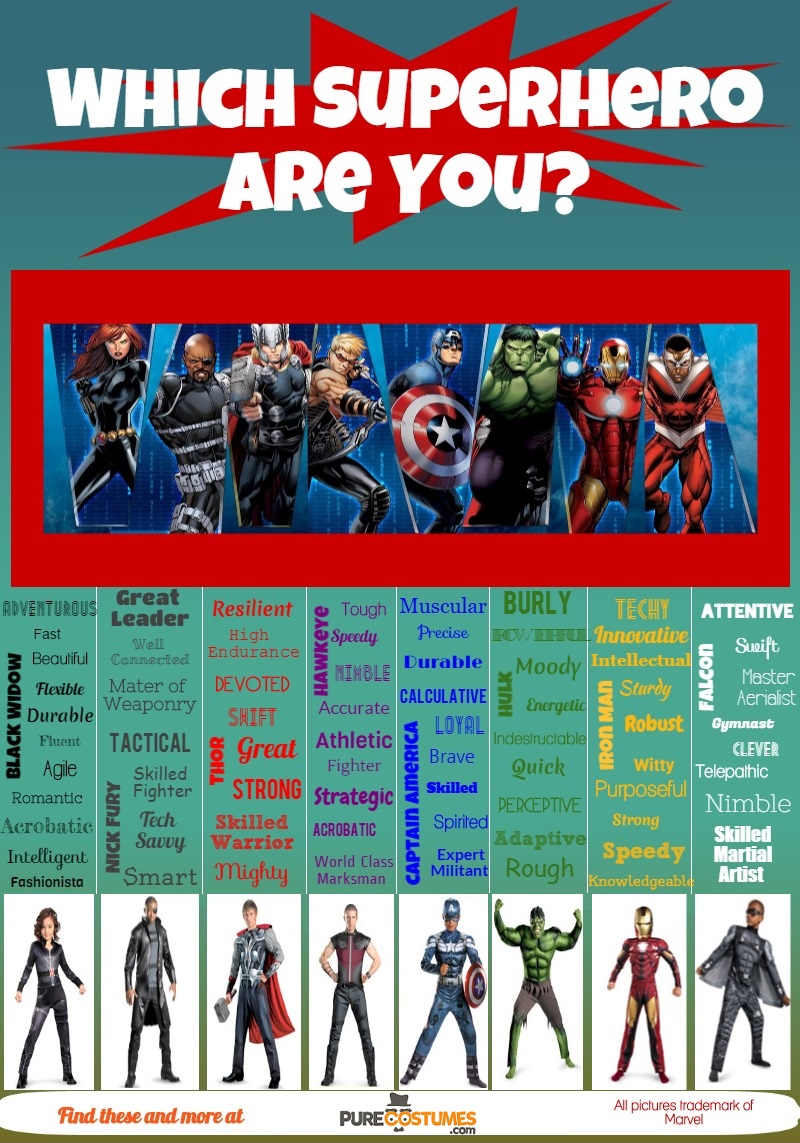
The Psychology of the Hero Archetype in Modern Branding
At the heart of every great story—from ancient mythology to modern cinematic universes—is the Hero’s Journey. In branding, the “Hero” is one of the most potent archetypes because it taps into the universal human desire for progress, mastery, and triumph over adversity. However, not every brand is meant to be the classic “Warrior.” Some are the “Sages,” the “Magicians,” or the “Rebels.”
Defining the “Hero” Narrative in Business
The Hero archetype in branding is characterized by the drive to prove one’s worth through courageous and difficult actions. It is about exertive energy and the pursuit of excellence. Brands that adopt this identity position themselves as the ultimate solution to a daunting challenge. They don’t just sell a product; they sell the promise of victory. Understanding where your brand fits on this spectrum allows you to craft a narrative that feels authentic and inevitable to your target demographic.
Why Audiences Crave a “Super” Identity
Consumers today are overwhelmed by choice. In a sea of functional equivalence, people do not buy what you do; they buy who you are. When a brand identifies as a specific type of “superhero,” it provides the consumer with a sense of security and belonging. If your brand is the “Guardian,” the consumer feels protected. If your brand is the “Explorer,” the consumer feels empowered to take risks. This emotional connection is the foundation of brand equity.
Beyond the Cape: Identifying Your Unique Brand Persona
To answer “What superhero are you?” a brand must look inward at its founding principles and outward at the needs of its community. In the world of brand strategy, we often look at the 12 primary archetypes popularized by Carl Jung and later adapted for marketing. These serve as the “power sets” for your brand identity.
The 12 Primary Brand Archetypes
While there are dozens of nuances, most successful brands fall into one of these categories:
- The Magician: Transformation and making dreams come true (e.g., Disney).
- The Sage: Knowledge, wisdom, and truth (e.g., Google).
- The Innocent: Simplicity, optimism, and purity (e.g., Dove).
- The Outlaw: Rebellion and breaking the status quo (e.g., Harley-Davidson).
- The Jester: Living in the moment and bringing joy (e.g., Old Spice).
- The Lover: Intimacy, passion, and indulgence (e.g., Chanel).
- The Explorer: Freedom and discovery (e.g., The North Face).
- The Ruler: Control, leadership, and exclusivity (e.g., Rolex).
- The Caregiver: Protection and nurturing (e.g., Johnson & Johnson).
- The Everyman: Belonging and relatability (e.g., IKEA).
- The Creator: Innovation and self-expression (e.g., Adobe).
- The Hero: Mastery and courage (e.g., Nike).
Mapping Your Values to a Super-Identity
Identifying your archetype requires a deep audit of your corporate culture. If your company focuses on cutting-edge R&D and “impossible” feats, you are likely the Magician. If your focus is on stability and high-end service, you are the Ruler. The “What superhero are you?” question is answered by looking at your “Why.” Are you here to fight a villain (a problem), or are you here to build a new world (an innovation)?
Case Studies: Iconic Brands and Their Superhero Equivalents

To understand how this translates to market dominance, we can look at global giants that have successfully embodied a superhero persona. These brands have moved beyond their functional utility to become cultural symbols.
Nike and the Relentless Warrior
Nike is the quintessential “Hero.” Their “Just Do It” slogan is a battle cry. Their marketing rarely focuses on the technical specifications of a shoe; instead, it focuses on the internal struggle of the athlete. Nike positions itself as the mentor to the hero (the customer), providing the “super-suit” (the gear) necessary to overcome the villain (laziness, doubt, or the opponent). This is a masterclass in brand positioning that transcends the product.
Apple and the Visionary Magician
Under Steve Jobs and continuing today, Apple has occupied the “Magician” archetype. Their brand promise is one of transformation—taking complex technology and making it feel like magic. When you use their products, the world changes; you become more creative and more connected. By asking “What superhero are you?” Apple answered with a persona that values aesthetic perfection and “thinking differently,” effectively rebelling against the “Everyman” or “Sage” personas of competitors like Dell or Microsoft.
Patagonia and the Ethical Guardian
Patagonia operates as the “Explorer” mixed with the “Caregiver.” Their superhero identity is centered on protecting the planet. They are not just selling outdoor vests; they are leading a movement to save the environment. This clear identity allows them to do things other brands can’t—like telling customers “Don’t Buy This Jacket”—which ironically builds more trust and higher sales. They have identified their “villain” (climate change) and their “superpower” (sustainable manufacturing).
Implementing Your Persona Across Digital Touchpoints
Once you have identified your superhero identity, the next step is implementation. A brand identity is only effective if it is consistent across every point of contact, from your website design to your social media voice.
Visual Identity and Symbolic Design
Your “costume” matters. The visual elements of your brand must reflect your archetype. A “Ruler” brand should use deep colors (navy, gold, burgundy) and serif fonts that convey authority and history. A “Jester” brand should use bright, high-contrast colors and rounded, playful typography. When a user lands on your digital platform, they should subconsciously recognize your superhero persona within three seconds based on visual cues alone.
Developing a Consistent Narrative Voice
If your brand were to speak, what would it sound like? An “Outlaw” brand uses provocative, edgy, and direct language. A “Sage” brand uses measured, intellectual, and authoritative prose. The mistake many brands make is trying to be “everything to everyone,” which results in a diluted, lukewarm voice. By leaning into your superhero persona, you may alienate some people, but you will create a “super-fan” base among your target audience.
The ROI of a Well-Defined Brand Personality
The ultimate goal of choosing your superhero identity is to drive business results. Brand strategy is not a “soft” science; it has a direct impact on the bottom line, customer acquisition costs, and long-term viability.
Building Long-Term Customer Loyalty
In an era of “cancel culture” and rapid brand-switching, loyalty is the most valuable currency. When consumers identify with your brand’s “superhero” values, they become advocates. They don’t just buy your product; they wear your logo as a badge of honor. This reduces the need for constant, expensive advertising because your community becomes your marketing engine.

Standing Out in a Saturated Market
Innovation is easily copied. Features can be replicated. However, a brand’s soul—its superhero identity—cannot be stolen. If you are the only “Magician” in a field of “Everymen,” you naturally command a premium price and a higher market share. Identifying “What superhero are you?” allows you to carve out a unique space in the consumer’s mind, ensuring that when they have a specific need, your brand is the only one that comes to mind as the solution.
In conclusion, the question “What superhero are you?” is the most important strategic inquiry a brand can undertake. By embracing an archetype, you move from the realm of the ordinary into the realm of the extraordinary. Whether you are the Hero, the Sage, or the Outlaw, your identity is your greatest competitive advantage. Define it, refine it, and wear it with the confidence of a caped crusader.
aViewFromTheCave is a participant in the Amazon Services LLC Associates Program, an affiliate advertising program designed to provide a means for sites to earn advertising fees by advertising and linking to Amazon.com. Amazon, the Amazon logo, AmazonSupply, and the AmazonSupply logo are trademarks of Amazon.com, Inc. or its affiliates. As an Amazon Associate we earn affiliate commissions from qualifying purchases.