
The landscape of home entertainment has undergone a seismic shift, moving away from the rigid infrastructure of coaxial cables and satellite dishes toward the fluid, data-driven world of Over-the-Top (OTT) streaming. At the forefront of this digital revolution is YouTube TV, Google’s comprehensive solution for cord-cutters. Unlike traditional cable, which often relies on proprietary hardware and regional monopolies, YouTube TV leverages the power of cloud computing and high-speed internet to deliver a massive repository of live content. For users asking “what stations do you get with YouTube TV,” the answer lies in a sophisticated blend of local broadcasting, national sports networks, news outlets, and niche entertainment channels, all integrated into a high-performance software interface.
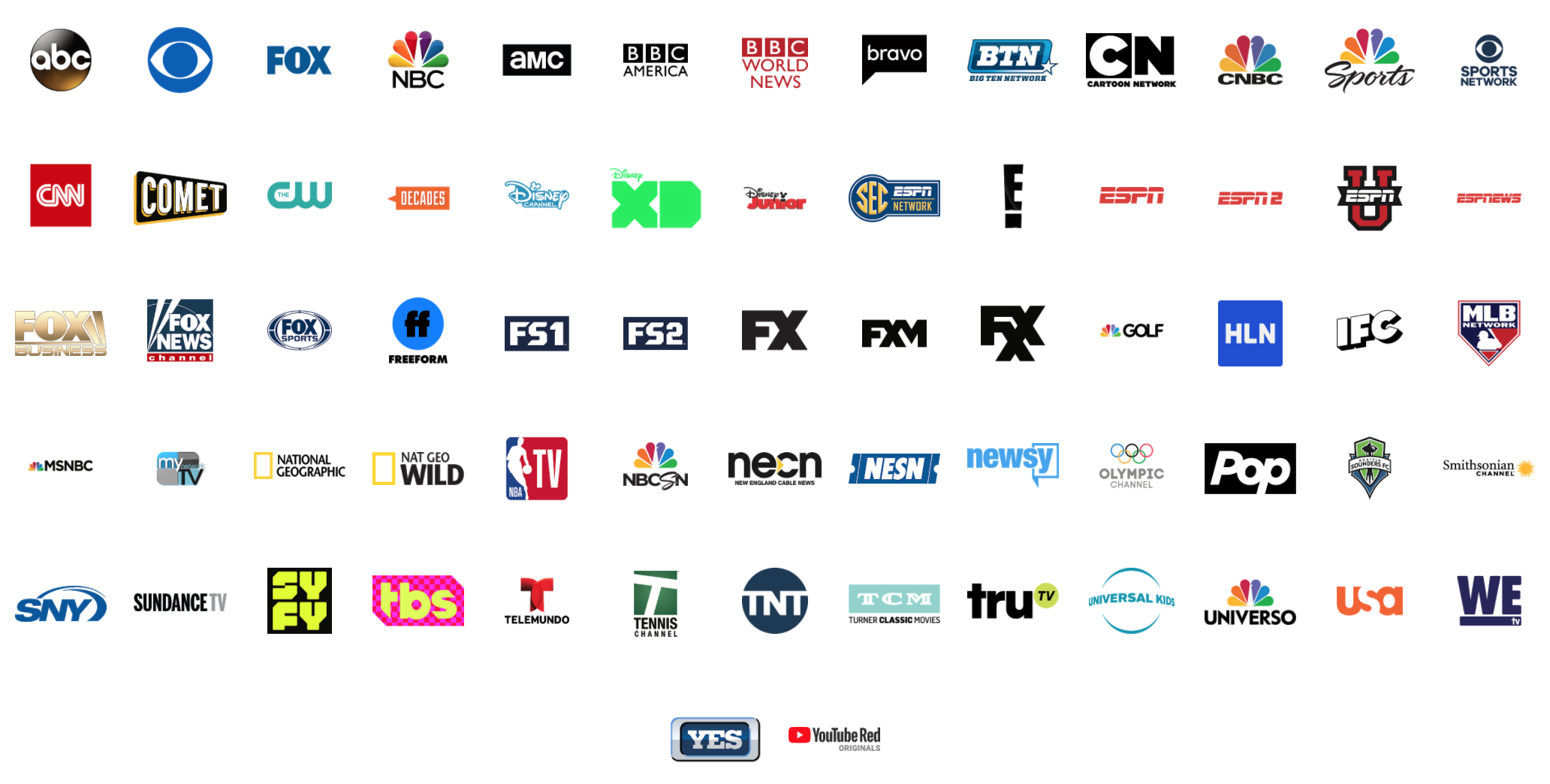
Understanding the Core Channel Infrastructure: The Base Plan Architecture
The YouTube TV experience is built on a “Base Plan” model that aims to replicate the traditional cable experience while optimizing it for the digital age. As of the current software iteration, the platform provides over 100 channels. This lineup is not static; it is a dynamic ecosystem managed through carrier agreements and regional digital rights management (DRM).
Local Broadcast Networks and Regional Coverage
The primary concern for most users transitioning to a streaming service is the availability of local news and network programming. YouTube TV addresses this through geo-fencing technology. By utilizing your IP address and device location settings, the platform delivers your specific local affiliates for the major “Big Four” networks:
-
ABC: Comprehensive coverage of local news, primetime dramas, and national events.
-
CBS: Access to local reporting, late-night programming, and major sporting events like the NFL.
-
NBC: Home to local updates, the Olympics, and iconic comedy franchises.
-
FOX: Vital for local news cycles and heavy-hitting sports broadcasts.
Beyond the Big Four, the base plan typically includes The CW, PBS (a significant addition to the digital space), and Telemundo, ensuring a broad demographic reach that mirrors the traditional broadcast spectrum.
Major Cable Networks for News and Sports
YouTube TV’s tech stack is heavily optimized for live performance, which is most evident in its sports and news offerings. The platform includes the “heavy hitters” that define the cable experience:
-
Sports: ESPN, ESPN2, ESPNU, FS1, FS2, SEC Network, Big Ten Network, and CBS Sports Network. This provides a robust framework for fans of professional and collegiate athletics.
-
News: The platform offers a balanced digital newsstand including CNN, MSNBC, Fox News, BBC World News, and HLN. The integration of “Key Plays” and “Stats” views in the UI enhances the viewing of these live streams, allowing for a more interactive experience than legacy hardware can provide.
Lifestyle and Entertainment Integration
For general viewership, the platform hosts an extensive array of entertainment hubs. These include the Discovery family (Discovery Channel, Animal Planet, TLC, Investigation Discovery), the Disney/Warner Bros. Discovery suite (TNT, TBS, FX, FXX, USA, AMC), and lifestyle favorites like HGTV, Food Network, and Travel Channel. By hosting these networks on a unified cloud server, YouTube TV allows for seamless channel switching with significantly lower latency than many of its competitors.
Expanding the Digital Library: Premium Add-ons and Tech Integrations
One of the platform’s greatest technological advantages is its modularity. Unlike cable providers that require a technician to install new filters or hardware for premium tiers, YouTube TV utilizes a software-defined access model. Users can instantly expand their station list through “add-on” packages that unlock specific data streams.
Sports Plus and Specialized Performance Bundles
For high-demand users, the Sports Plus add-on introduces a suite of specialized channels designed for the ultimate enthusiast. This includes NFL RedZone, beIN SPORTS, PlayersTV, and Fight Network. The technical appeal here is the integration of these high-bitrate streams into the existing YouTube TV guide, providing a centralized hub for niche sports that were previously difficult to find in high definition.
The 4K Plus Experience: High-Fidelity Streaming Technology
Perhaps the most significant technical upgrade available is the 4K Plus add-on. While the standard YouTube TV stream is typically 1080p at 60fps, the 4K Plus tier unlocks Ultra High Definition streams for select live events and on-demand content. This package also unlocks “Offline Viewing,” a feature that allows users to download DVR recordings to mobile devices—a complex technical feat involving mobile DRM and storage management. Furthermore, this tier allows for unlimited simultaneous streams on your home Wi-Fi network, catering to the bandwidth-heavy needs of modern “smart homes.”
Premium Network Integration
The platform also serves as a portal for standalone premium services. Users can integrate Max (formerly HBO Max), Showtime, Starz, and MGM+ directly into their YouTube TV interface. This creates a unified search experience. Instead of switching apps to find a specific movie or series, the YouTube TV search engine crawls through both live stations and these premium libraries to provide a singular, frictionless user journey.
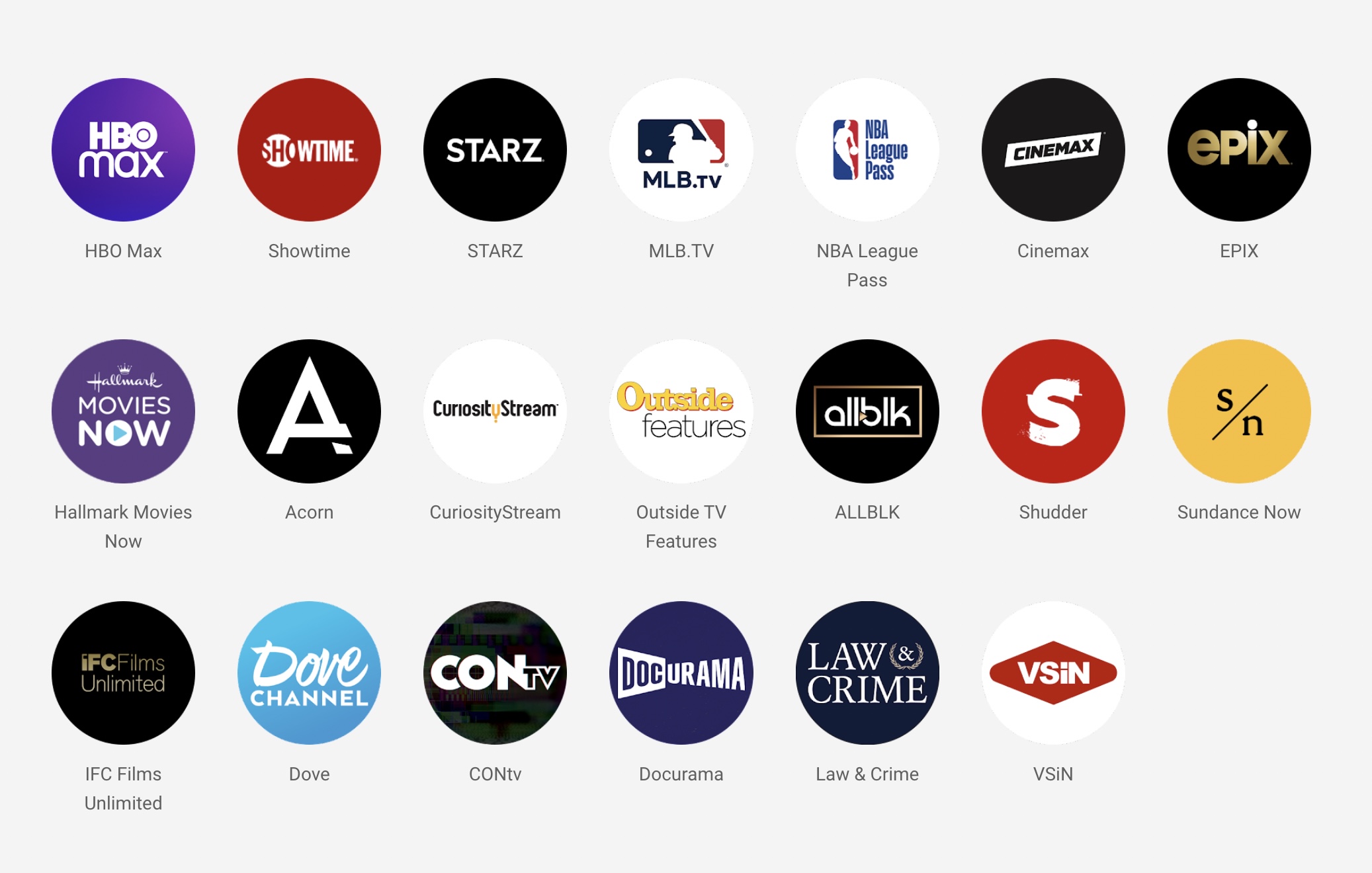
The User Interface and Experience: How Software Shapes Content Consumption
The “stations” you get are only as good as the software used to navigate them. YouTube TV distinguishes itself through a UX (User Experience) that borrows heavily from Google’s mastery of search and categorization.
Unlimited Cloud DVR: A Revolution in Content Storage
The most disruptive feature of YouTube TV is its Cloud DVR. Unlike physical DVRs that are limited by hard drive capacity (e.g., 500GB or 1TB), YouTube TV offers unlimited storage. This isn’t just about “getting stations”; it’s about building a personalized, on-demand library from those stations. The software records every airing of a selected show or team and stores it for nine months. From a backend perspective, this involves massive distributed storage systems that ensure your “recording” is available instantly across any device.
Personalized Algorithms and Recommendation Engines
YouTube TV utilizes machine learning to curate the “Home” tab. By analyzing viewing habits, the platform surfaces live games, breaking news, or frequently watched series from your station list. This reduces the “analysis paralysis” often associated with having 100+ channels. The “Live” guide is also customizable, allowing users to reorder stations so their favorites appear at the top, a simple but effective software tweak that traditional cable boxes frequently lack.
Compatibility and Hardware: Where You Can Stream Your Favorite Stations
The technical versatility of YouTube TV is defined by its cross-platform availability. Because it is a web-based service, it is not tied to a specific “box.” This allows for a multi-device ecosystem that maintains a persistent state—meaning you can start watching a station on your living room TV and resume on your smartphone during a commute.
Cross-Platform Performance: Mobile, Web, and Smart TVs
YouTube TV is compatible with a wide array of hardware:
-
Streaming Media Players: Roku, Amazon Fire TV, Apple TV, and Chromecast with Google TV.
-
Smart TVs: Native apps for Samsung, LG, Vizio, and Hisense.
-
Gaming Consoles: PlayStation 4/5 and Xbox One/Series X/S.
-
Mobile and Web: iOS and Android apps, as well as any standard web browser.
The platform employs adaptive bitrate streaming. This technology detects the user’s internet speed in real-time and adjusts the video quality accordingly to prevent buffering. Even if your bandwidth drops, the software prioritizes audio and a lower-resolution image to ensure the live broadcast continues without interruption.
Bandwidth Requirements and Stream Stability
To effectively run the 100+ stations offered, YouTube TV recommends a minimum download speed of 3 Mbps for standard definition, 7 Mbps for a single HD stream, and 25 Mbps or higher for 4K content. These requirements are a testament to the efficient video codecs (such as VP9 and AV1) that Google uses to compress data without sacrificing visual fidelity.

The Future of YouTube TV: Tech Trends and Evolving Content Partnerships
As we look at the evolution of YouTube TV, the list of stations is likely to become even more interactive. The recent acquisition of NFL Sunday Ticket is a prime example of how the platform is using exclusive tech partnerships to redefine what “getting a station” means. Sunday Ticket on YouTube TV isn’t just a broadcast; it includes “Multiview” technology, which allows users to watch up to four different games on a single screen—a feat of computational heavy lifting that requires the platform to sync four distinct high-definition streams simultaneously.
Furthermore, the integration of AI-driven features like “Key Plays,” which uses computer vision to identify and clip significant moments in a game, allows users to catch up on a station’s broadcast in real-time. This transition from passive viewing to active, data-enhanced interaction is the hallmark of YouTube TV’s approach to modern television.
In conclusion, the stations you get with YouTube TV represent a comprehensive bridge between the legacy world of broadcast television and the high-tech future of digital streaming. By offering a robust base of local and national channels, supplemented by premium add-ons and powered by an industry-leading cloud infrastructure, the platform offers a sophisticated, flexible, and technologically superior alternative to traditional cable. Whether it’s the unlimited DVR, the 4K capabilities, or the seamless multi-device integration, YouTube TV is a testament to how software can fundamentally improve the way we access and enjoy live media.
aViewFromTheCave is a participant in the Amazon Services LLC Associates Program, an affiliate advertising program designed to provide a means for sites to earn advertising fees by advertising and linking to Amazon.com. Amazon, the Amazon logo, AmazonSupply, and the AmazonSupply logo are trademarks of Amazon.com, Inc. or its affiliates. As an Amazon Associate we earn affiliate commissions from qualifying purchases.