
The question “what specialist treats diabetes” has historically pointed towards endocrinologists, dietitians, and certified diabetes educators – a team of dedicated healthcare professionals. However, in the 21st century, this question takes on a new dimension. While the human element of specialist care remains paramount, the methods, tools, and reach of these specialists are being profoundly reshaped by technology. Today, understanding who treats diabetes increasingly involves appreciating the sophisticated technological ecosystems that empower these experts, enabling more precise, proactive, and personalized care than ever before. This article delves into how technology isn’t just an adjunct but an integral part of the specialist’s toolkit, revolutionizing how diabetes is managed.
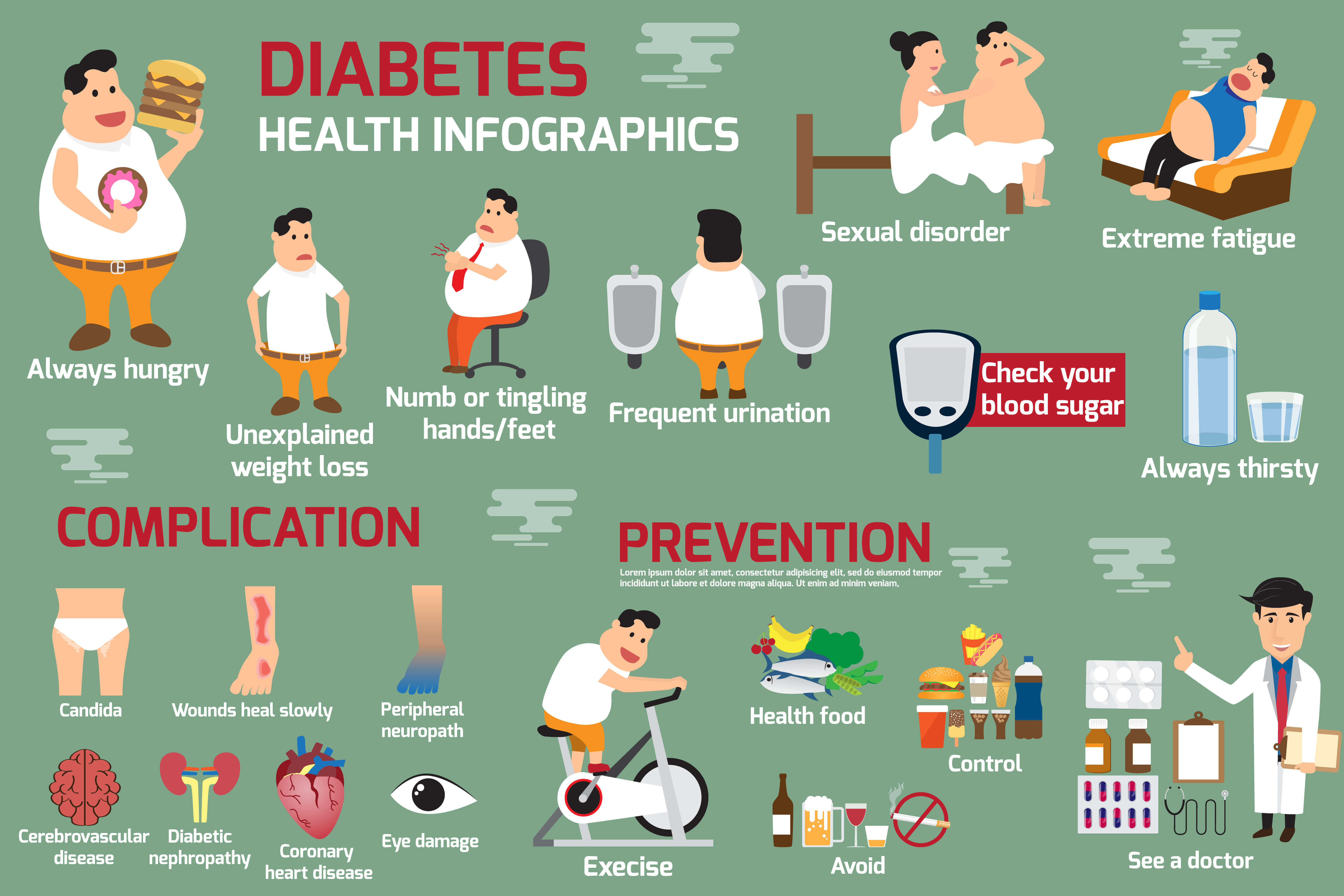
The Evolving Role of Diabetes Specialists in the Digital Age
The traditional image of a diabetes specialist conducting consultations in an office setting is rapidly expanding. Technology has not replaced the specialist but has amplified their capabilities, transforming them into navigators of complex digital health landscapes. Their expertise now extends to interpreting vast datasets generated by smart devices and integrating digital solutions into patient care pathways.
Beyond Traditional Consultations: Integrating Digital Health
One of the most significant shifts has been the integration of digital health solutions, particularly telemedicine and remote patient monitoring, into routine practice. Specialists can now conduct virtual consultations, breaking down geographical barriers and increasing access to expert care, especially for patients in rural areas or those with mobility challenges.
- Telemedicine and Virtual Care for Remote Monitoring and Consultations: Virtual platforms allow endocrinologists and diabetes educators to follow up with patients, review their data, and make timely adjustments to treatment plans without the need for in-person visits. This continuous engagement is crucial for a condition like diabetes, which requires ongoing management. Specialists utilize secure video conferencing tools, digital messaging systems, and dedicated patient portals to maintain consistent communication and support.
- Digital Platforms for Sharing Data with Specialists: Wearable devices and continuous glucose monitors (CGMs) generate a wealth of data. Digital platforms, often cloud-based, now aggregate this information, presenting it to specialists in an easily digestible format. This allows for a comprehensive overview of a patient’s glucose trends, activity levels, dietary patterns, and medication adherence over time, enabling specialists to identify patterns and personalize interventions with greater precision.
Specialists as Navigators of Health Tech Ecosystems
With an explosion of health apps, devices, and online resources, patients often feel overwhelmed. Diabetes specialists increasingly serve as trusted guides, helping patients navigate this complex digital ecosystem, ensuring they utilize reliable and effective tools.
- Guiding Patients Through Various Apps, Devices, and Online Resources: Specialists are now tasked with evaluating the efficacy and reliability of various digital tools. They recommend specific apps for glucose logging, carbohydrate counting, exercise tracking, or stress management that align with individual patient needs and care plans. Their role includes educating patients on how to use these tools effectively and integrate them into their daily lives.
- Ensuring Data Privacy and Security in Tech-Driven Care: The proliferation of digital health data raises critical concerns about privacy and security. Diabetes specialists, often working within larger healthcare systems, must ensure that the technologies they adopt comply with stringent data protection regulations (like HIPAA in the US or GDPR in Europe). They educate patients on the importance of secure data sharing and choose platforms that prioritize patient confidentiality.
AI and Advanced Analytics: Empowering Precision Diabetes Management
Artificial intelligence (AI) and advanced analytics are transforming diabetes care from a reactive approach to a proactive, predictive one. These technologies empower specialists with insights that were previously unattainable, leading to highly personalized and effective treatment strategies.
Predictive Analytics for Proactive Interventions
AI algorithms can process vast amounts of data—from glucose readings and insulin dosages to dietary logs and activity levels—to forecast future glucose trends and potential risks.
- AI Models Predicting Hypoglycemia/Hyperglycemia: Sophisticated AI models can predict episodes of dangerously low (hypoglycemia) or high (hyperglycemia) blood sugar hours in advance. This early warning allows specialists and patients to take corrective action, such as adjusting insulin doses or food intake, thereby preventing acute complications and improving safety.
- Personalized Risk Assessments for Complications: Beyond immediate glucose management, AI can analyze long-term data to assess a patient’s personalized risk for developing diabetes-related complications like retinopathy, nephropathy, or neuropathy. This allows specialists to intervene earlier with preventive measures or closer monitoring, potentially delaying or mitigating the onset of these serious conditions.
Supporting Clinical Decision-Making with AI Tools
AI acts as an intelligent assistant, augmenting the specialist’s ability to interpret complex data and formulate optimal treatment plans.
- AI Assisting Endocrinologists in Interpreting Vast Datasets: Traditional methods of reviewing patient data can be time-consuming. AI tools can rapidly sift through glucose logs, lifestyle data, lab results, and medication histories, highlighting critical patterns and anomalies that might otherwise be missed. This helps endocrinologists identify underlying issues and refine treatment strategies more efficiently.
- Automated Insights for Medication Adjustments and Diet Recommendations: Some AI-powered systems can suggest optimal insulin dosages or dietary modifications based on real-time and historical patient data. While the final decision always rests with the specialist, these automated insights provide valuable support, streamlining the decision-making process and enhancing the precision of recommendations.
Wearable Technology and IoT: Continuous Monitoring for Better Outcomes
Wearable technology, particularly Continuous Glucose Monitors (CGMs), has revolutionized how specialists understand and treat diabetes, moving beyond intermittent blood glucose checks to a continuous, real-time understanding of a patient’s metabolic state.
Continuous Glucose Monitors (CGMs): A Paradigm Shift

CGMs provide glucose readings every few minutes, offering an unprecedented view into a patient’s glucose fluctuations throughout the day and night.
- How Specialists Use CGM Data for Immediate and Long-Term Treatment Adjustments: CGM data reveals the impact of food, exercise, stress, and medication on blood glucose levels in real-time. Specialists use this detailed information to fine-tune insulin regimens, adjust medication dosages, and provide highly specific dietary and lifestyle advice. The trends and patterns identified through CGM data are invaluable for optimizing glycemic control and minimizing glucose variability.
- Integration with Insulin Pumps and Closed-Loop Systems (Artificial Pancreas): The integration of CGMs with insulin pumps has led to the development of hybrid closed-loop systems, often referred to as an “artificial pancreas.” These systems use algorithms to automatically adjust insulin delivery based on CGM readings, significantly reducing the burden of manual management. Specialists play a crucial role in programming and overseeing these sophisticated devices, ensuring they are optimized for individual patient needs.
Smart Devices and Connected Health Ecosystems
Beyond CGMs, a host of other smart devices contribute to a comprehensive, connected health ecosystem that benefits diabetes specialists and patients alike.
- Integration of Smartwatches, Fitness Trackers, and Other Health IoT Devices: Smartwatches and fitness trackers can monitor physical activity, heart rate, sleep patterns, and even stress levels. When integrated with diabetes management platforms, this data provides specialists with a more holistic view of a patient’s lifestyle and its impact on glucose control. This comprehensive data allows for more nuanced and personalized advice.
- Data Aggregation Platforms for a Holistic Patient View: The ultimate goal is to aggregate data from all these disparate devices into a single, comprehensive platform. These platforms provide specialists with a “dashboard” view of all relevant health metrics, simplifying data interpretation and enabling a truly holistic approach to diabetes management.
Digital Therapeutics and Apps: Bridging the Gap Between Visits
Digital therapeutics (DTx) and various health apps offer structured, evidence-based interventions that complement traditional medical care, providing continuous support and education outside the specialist’s office.
Prescribable Digital Interventions for Lifestyle Management
DTx programs are software-based interventions that deliver therapeutic interventions directly to patients, often requiring a prescription from a specialist.
- Apps Offering Dietary Guidance, Exercise Routines, Stress Management: Many DTx programs and health apps are specifically designed to help patients manage critical aspects of diabetes. These include sophisticated platforms for carbohydrate counting, personalized meal planning, guided exercise programs tailored to individual fitness levels, and mindfulness apps for stress reduction, a known factor affecting blood glucose. Specialists can prescribe or recommend these tools as part of a comprehensive treatment plan.
- Behavioral Change Programs Delivered Digitally: Sustainable diabetes management often requires significant behavioral changes. Digital therapeutics utilize principles of behavioral science to deliver engaging and effective programs that help patients adopt healthier habits, improve medication adherence, and cope with the psychological aspects of living with a chronic condition. Specialists guide patients in selecting and engaging with these programs.
Empowering Patients Through Self-Management Tools
Technology also empowers patients, giving them greater control over their condition and facilitating better communication with their care team.
- Patient Portals for Medication Tracking, Appointment Scheduling, and Communication with Specialists: Secure online patient portals are indispensable. They allow patients to track their medications, schedule appointments, access lab results, and communicate securely with their diabetes care team. This enhances patient engagement and provides a convenient channel for addressing questions or concerns, bridging the gap between scheduled visits.
- Educational Apps and Gamified Approaches to Diabetes Learning: Understanding diabetes can be complex. Educational apps break down intricate concepts into digestible, interactive modules. Gamified approaches make learning about nutrition, exercise, and medication adherence more engaging and less daunting, fostering better self-management skills under the guidance of specialists.
The Future of Diabetes Care: A Tech-Integrated Specialty
The trajectory of technology in diabetes care points towards an even more integrated, personalized, and predictive future. The specialist treating diabetes will increasingly be a tech-fluent clinician, adept at leveraging cutting-edge innovations for optimal patient outcomes.
Personalization at Scale: Omics Data and AI
The integration of advanced biological data with AI promises unprecedented levels of personalized care.
- Integrating Genetic, Proteomic, and Metabolomic Data for Ultra-Personalized Treatment: The future holds the promise of integrating ‘omics’ data – genetic, proteomic (proteins), and metabolomic (metabolites) – into diabetes care. AI will analyze these vast datasets to predict an individual’s unique response to different medications, diets, and lifestyle interventions, allowing specialists to craft truly ultra-personalized treatment plans for diabetes prevention and management.
- AI-Driven Drug Discovery for Diabetes: AI is also accelerating the discovery and development of new diabetes therapies. By simulating drug interactions and predicting efficacy, AI can help identify novel drug targets and streamline the drug development process, ultimately providing specialists with more effective treatment options.

Robotics and Automation in Treatment Delivery
Automation and robotics will further enhance the precision and convenience of diabetes management.
- Advanced Insulin Delivery Systems: Beyond current closed-loop systems, future insulin delivery might involve even more sophisticated, fully automated systems that require minimal patient interaction, truly mimicking the pancreas. Specialists will be central to configuring and monitoring these advanced robotic delivery systems.
- Potential for Automated Health Coaching and Support: AI-powered chatbots and virtual health assistants could provide continuous, personalized health coaching and support, answering patient questions, offering encouragement, and reminding them about medication or appointments. This would extend the reach of specialists, providing ‘always-on’ support while still allowing for human intervention when necessary.
In conclusion, while the core answer to “what specialist treats diabetes” remains the highly trained medical professionals dedicated to endocrinology and diabetes education, their practice is inextricably linked with technology. From telemedicine platforms and continuous glucose monitors to AI-driven analytics and digital therapeutics, technology empowers these specialists to deliver care that is more precise, accessible, and ultimately, more effective. The diabetes specialist of tomorrow will not only be a medical expert but also a proficient navigator and adopter of technological innovations, shaping a future where diabetes management is smarter, more proactive, and deeply personalized.
aViewFromTheCave is a participant in the Amazon Services LLC Associates Program, an affiliate advertising program designed to provide a means for sites to earn advertising fees by advertising and linking to Amazon.com. Amazon, the Amazon logo, AmazonSupply, and the AmazonSupply logo are trademarks of Amazon.com, Inc. or its affiliates. As an Amazon Associate we earn affiliate commissions from qualifying purchases.