
Choosing a small SUV is no longer a simple matter of selecting a color and a brand. In the modern economic landscape, where vehicles represent the second-largest expenditure for the average household, the question of “what small SUV” must be reframed as a sophisticated financial decision. This segment of the automotive market—comprising subcompact and compact crossovers—has become the epicenter of consumer activity because it promises a “Goldilocks” balance of utility, fuel economy, and resale value.
However, the price of entry into this market is rising. With average new car prices hovering near record highs and interest rates remaining stubborn, potential buyers must look beyond the sticker price. To make an informed decision, one must evaluate the small SUV through the lens of Total Cost of Ownership (TCO), opportunity cost, and long-term asset liquidity.

The Total Cost of Ownership (TCO) Equation
When asking “what small SUV,” the purchase price is merely the tip of the iceberg. To truly understand the financial impact of this acquisition, a buyer must calculate the Total Cost of Ownership over a five-to-seven-year horizon. This includes depreciation, fuel costs, insurance premiums, and maintenance.
Depreciation: The Silent Wealth Killer
Depreciation is the single largest expense associated with owning a new vehicle, yet it is often the most overlooked because it is not a monthly cash outflow. Small SUVs generally hold their value better than sedans or luxury coupes, but there is significant variance within the category.
Brands with reputations for high reliability, such as Toyota, Honda, and Subaru, typically see their small SUVs retain 60% to 70% of their value after five years. Conversely, some European luxury small SUVs or domestic brands may see that figure drop to 40% or 50%. From a personal finance perspective, choosing a vehicle with a 10% higher residual value can save a consumer $3,000 to $5,000 at the time of trade-in or sale. This “back-end” profit is a critical component of wealth preservation.
Fuel Efficiency vs. The Electric Premium: The Long-term ROI
The financial debate in the small SUV sector currently centers on internal combustion engines (ICE) versus Hybrid and Electric Vehicles (EV). While an EV or Hybrid small SUV may have a higher MSRP, the return on investment (ROI) is found in the reduced cost per mile.
A buyer must calculate their “break-even point.” If a hybrid small SUV costs $3,000 more than its gasoline counterpart but saves $1,000 per year in fuel, the break-even point is three years. For those who keep their vehicles for six years or more, the hybrid is a superior financial instrument. Furthermore, EVs often benefit from lower maintenance costs due to fewer moving parts, although insurance premiums for EVs can be higher, potentially offsetting some of those gains.
Financing vs. Leasing: Optimizing Cash Flow and Equity
The method by which you acquire a small SUV is just as important as the model you choose. The decision to lease or finance should be dictated by your broader financial strategy, including your need for liquid capital and your long-term plans for the vehicle.
The Impact of Interest Rates on Net Worth
In a high-interest-rate environment, the “cost of money” can add thousands of dollars to the price of a small SUV. A 72-month loan at 7% interest on a $35,000 vehicle results in nearly $8,000 in interest payments alone.
From a financial planning perspective, the “20/4/10 rule” remains a gold standard: put down at least 20%, finance for no more than four years (48 months), and ensure total monthly transportation costs (including insurance and fuel) do not exceed 10% of your gross income. If a specific small SUV requires a 72- or 84-month loan to be “affordable” on a monthly basis, it is, in reality, a financial liability that exceeds the buyer’s budget and will likely result in “negative equity”—where the vehicle is worth less than the remaining loan balance.
Tax Advantages for Small Business Owners
For entrepreneurs and freelancers, the choice of a small SUV carries potential tax benefits. While “small” SUVs typically do not qualify for the full Section 179 deduction reserved for vehicles with a Gross Vehicle Weight Rating (GVWR) over 6,000 pounds, they can still be depreciated for business use.
If the vehicle is used for business purposes, you can choose between the standard mileage rate or the actual expense method. For small, fuel-efficient SUVs, the standard mileage rate often provides a larger deduction than actual fuel and maintenance costs. Consulting with a tax professional before the purchase can help determine if the vehicle can be classified as a business asset, effectively reducing the net purchase price through tax savings.
Market Positioning and Resale Value Strategy
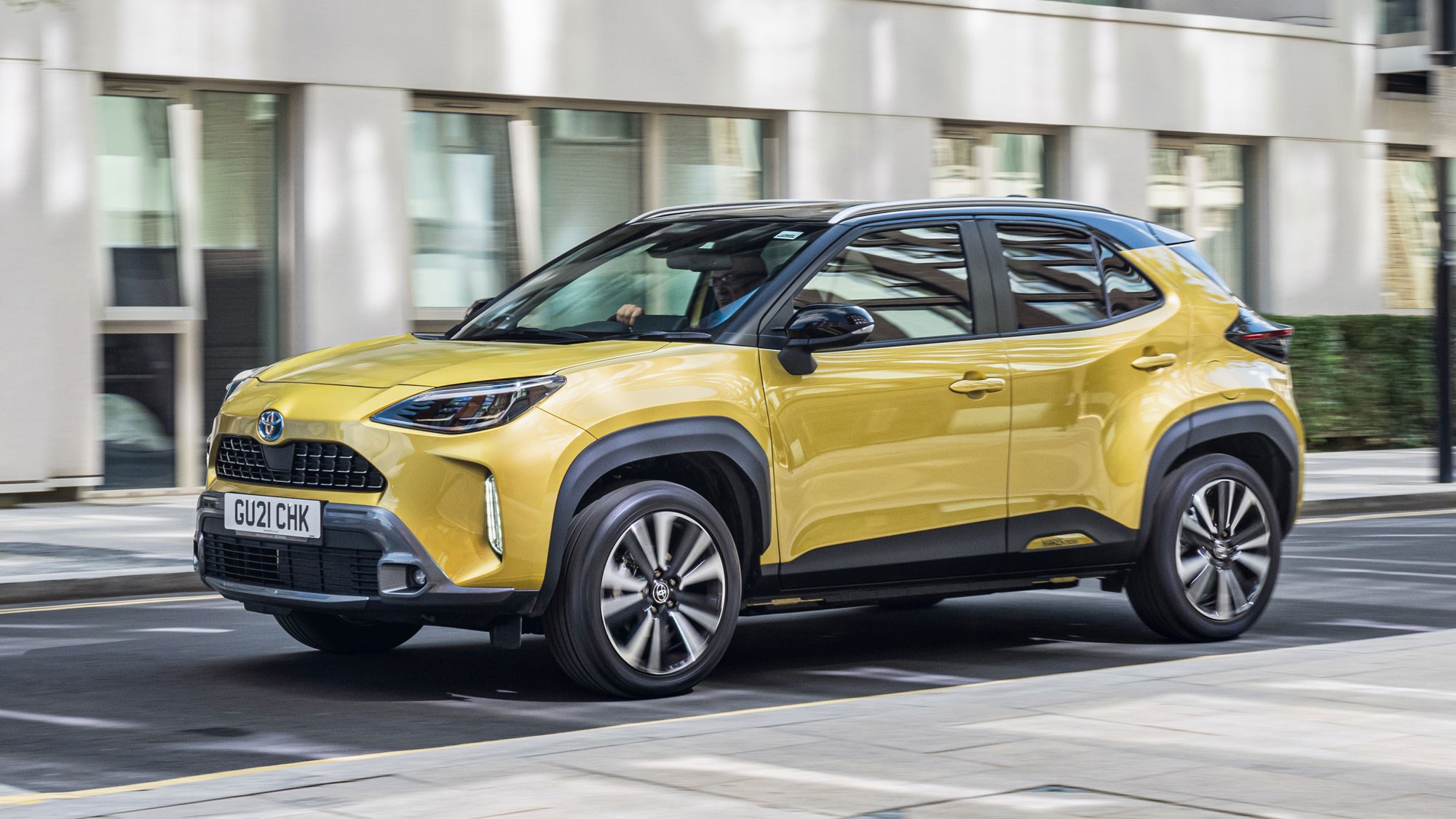
The “small SUV” category is diverse, ranging from budget-friendly subcompacts to high-end luxury crossovers. Understanding where a vehicle sits in the market lifecycle is essential for predicting its future liquidity.
Luxury vs. Economy: Identifying the Financial “Sweet Spot”
There is a segment of the market often referred to as “near-luxury” or “top-trim economy.” For example, a top-tier Mazda CX-5 or a Honda CR-V Touring often provides a better financial outcome than an entry-level BMW X1 or Audi Q3.
The reason is twofold: First, the “mass-market” high-trim SUV typically has lower maintenance costs and uses regular fuel, whereas luxury brands often require premium gasoline and specialized service at a higher labor rate. Second, the pool of potential buyers for a used, high-trim Honda is much larger than the pool for an out-of-warranty German luxury car. This higher demand in the secondary market ensures a quicker sale and a firmer price, making the high-trim economy SUV a more liquid and stable asset.
The Secondary Market: Predicting Future Liquidity
When asking “what small SUV,” look at the used car market for models that are 3 to 5 years old today. If those models are still commanding high prices, it is a strong indicator of the brand’s market strength.
Current trends suggest that “rugged” small SUVs (like the Ford Bronco Sport or Toyota RAV4 Adventure) and high-efficiency hybrids are seeing the highest demand in the secondary market. By aligning your purchase with these market trends, you are essentially “investing” in a more desirable used asset. This foresight reduces the “cost of ownership” by ensuring you have more equity available when it is time to upgrade or liquidate the asset.
Risk Mitigation: Insurance and Maintenance as Investments
A disciplined financial approach to car ownership treats insurance and maintenance not as burdens, but as risk management tools that protect the value of the asset.
Risk Mitigation through Warranty and Insurance
The insurance premium for a small SUV is influenced by the vehicle’s safety rating and the cost of its replacement parts. Modern small SUVs are packed with Advanced Driver Assistance Systems (ADAS)—sensors, cameras, and radar. While these features reduce the risk of accidents (protecting your physical and financial health), they are expensive to repair.
Before committing to a specific model, obtain an insurance quote. Some brands may have significantly higher premiums due to theft rates or repair complexity. Additionally, consider the value of the manufacturer’s warranty. A small SUV with a 10-year/100,000-mile powertrain warranty (like those from Hyundai or Kia) acts as a hedge against catastrophic mechanical failure, providing a level of financial predictability that brands with shorter warranties cannot match.
Preventive Maintenance as an Investment in Equity
Skimping on maintenance is a classic example of being “penny wise and pound foolish.” A well-documented service history is a major selling point in the private party market. In fact, a vehicle with a complete service record can often command a 5% to 10% premium over an identical vehicle with no records.
Furthermore, small SUVs often utilize turbocharged engines or Continuously Variable Transmissions (CVTs) to achieve high fuel efficiency. These components are sensitive to maintenance intervals. By adhering to the manufacturer’s schedule, you are not just keeping the car running; you are protecting the resale value and preventing a multi-thousand-dollar repair bill that could derail your personal savings goals.
Conclusion: Making the Final Decision
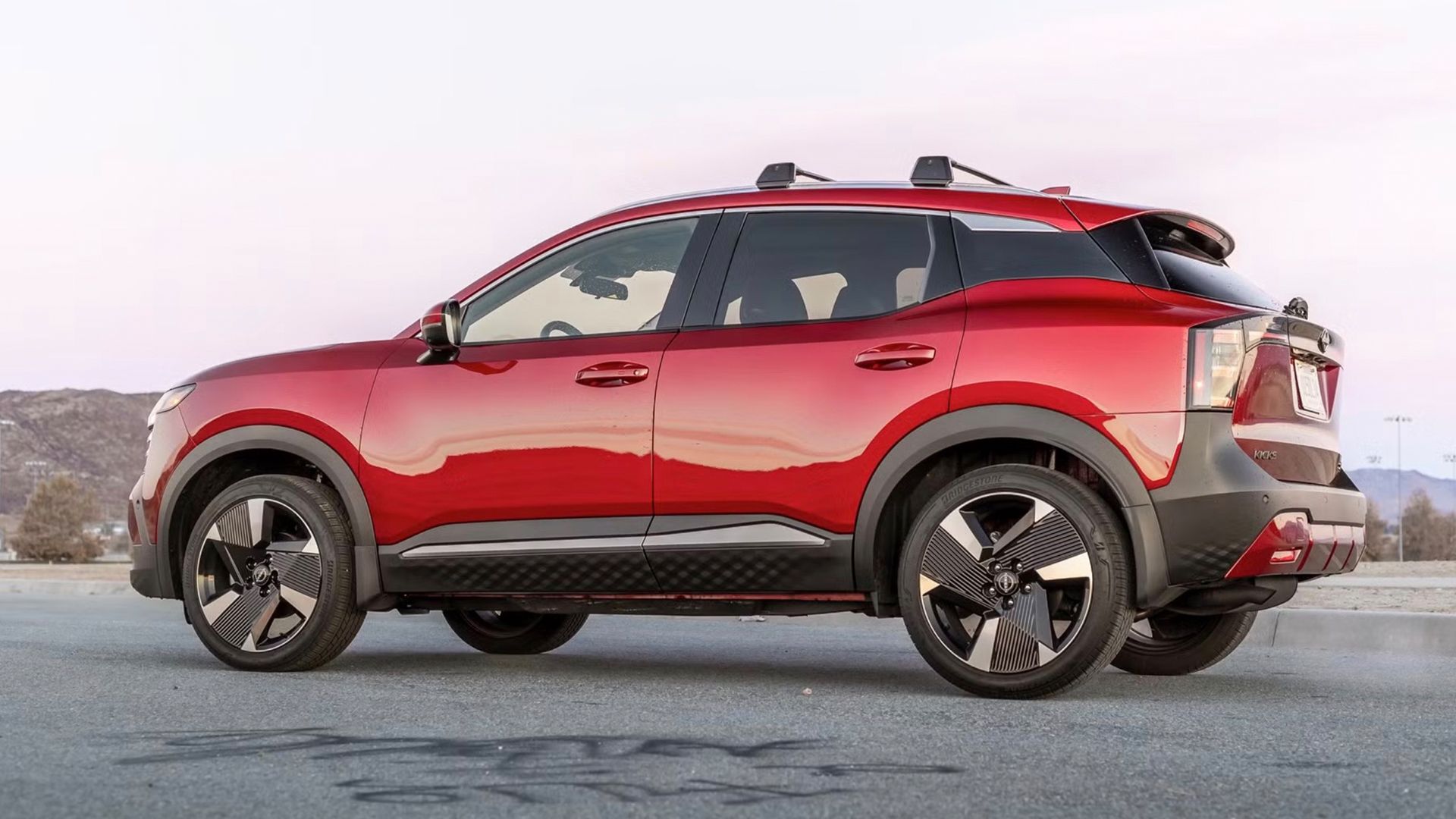
The answer to “what small SUV” is ultimately found at the intersection of your lifestyle needs and your financial goals. From a money-management perspective, the “best” small SUV is the one that offers the lowest depreciation, fits within a conservative financing framework, and provides the highest utility per dollar spent.
By focusing on Total Cost of Ownership rather than just the monthly payment, and by treating the vehicle as a depreciating asset that requires active management, you can enjoy the benefits of a modern crossover without compromising your long-term financial health. In the world of finance, every dollar not spent on interest, excessive depreciation, or unnecessary fuel is a dollar that can be redirected toward wealth-building investments. Choose your small SUV wisely—it is not just a car; it is a line item in your net worth.
aViewFromTheCave is a participant in the Amazon Services LLC Associates Program, an affiliate advertising program designed to provide a means for sites to earn advertising fees by advertising and linking to Amazon.com. Amazon, the Amazon logo, AmazonSupply, and the AmazonSupply logo are trademarks of Amazon.com, Inc. or its affiliates. As an Amazon Associate we earn affiliate commissions from qualifying purchases.