
Investing in a whole home generator is a significant financial decision, representing not just a purchase, but a long-term commitment to energy security and the protection of your home’s assets. The question of “what size” extends far beyond mere technical specifications; it delves into personal finance, risk management, and strategic budgeting. Choosing the right generator size is paramount to optimizing your investment, ensuring you don’t overspend on unnecessary capacity or underspend on inadequate protection.
The Financial Imperative of Power Security: An Investment Perspective
A whole home generator is more than a convenience; it’s an insurance policy against power outages, protecting your financial well-being, home equity, and quality of life. Understanding its value as an investment helps frame the sizing decision.
The True Cost of Inconvenience: Financial Impact of Outages
Power outages can inflict a surprising array of financial losses. Beyond the immediate discomfort, prolonged disruptions can lead to:
- Food Spoilage: A full refrigerator and freezer can hold hundreds of dollars in groceries. Without power, these items are lost, necessitating costly replacements.
- Property Damage: Sump pumps failing in basements can lead to significant water damage, structural issues, and costly remediation that often exceeds insurance deductibles. Frozen pipes in winter, if heating fails, can burst, causing extensive and expensive repairs.
- Business Interruption: For those who work from home, an outage means lost productivity, missed deadlines, and potential income loss. Small home-based businesses can face severe operational setbacks.
- Temporary Relocation Costs: Severe or prolonged outages might force families into hotels, incurring costs for lodging, meals, and transportation, all while paying for their uninhabitable home.
- Appliance Damage: Power surges when electricity returns can damage sensitive electronics and major appliances, leading to repair or replacement expenses that may not be covered by standard warranties if the surge protector wasn’t robust enough or present.
A whole home generator mitigates these risks, acting as a preventative measure that safeguards existing investments in your home and its contents. The upfront cost of a generator can often be justified by the potential savings from avoiding just one or two major outage-related incidents.
Enhancing Home Value and Resale Appeal
While not always providing a dollar-for-dollar return, a properly installed whole home generator can be a tangible asset that enhances your property’s market value. In regions prone to severe weather or unreliable grids, a generator system is a highly desirable feature for prospective buyers, differentiating your home in a competitive market.
From a financial standpoint, it’s an upgrade that signifies preparedness and resilience. It signals to potential buyers that the home is well-maintained and equipped for unforeseen circumstances, potentially reducing their perceived risk and increasing their willingness to pay a premium. This financial benefit, while perhaps not a direct ROI, represents a preservation of equity and a boost to marketability.
Calculating Your True Power Needs: A Financial Prerequisite
The cornerstone of choosing the right generator size is an accurate assessment of your home’s power requirements. This isn’t merely a technical exercise; it’s a critical financial planning step to ensure you invest in the most cost-effective and efficient solution.
The Energy Audit: Essential for Smart Spending
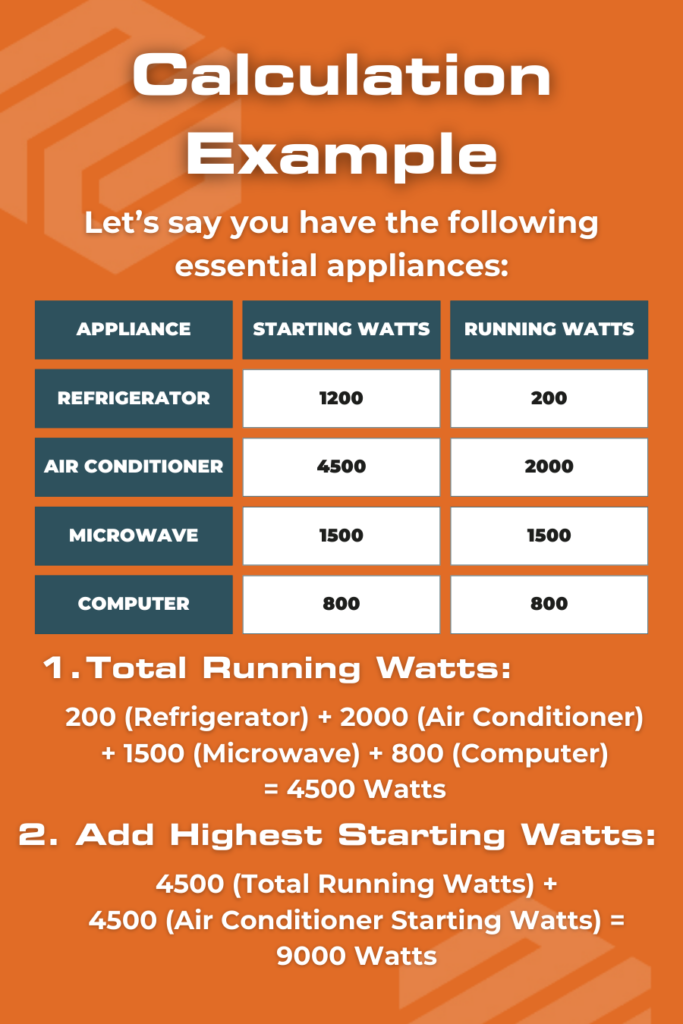
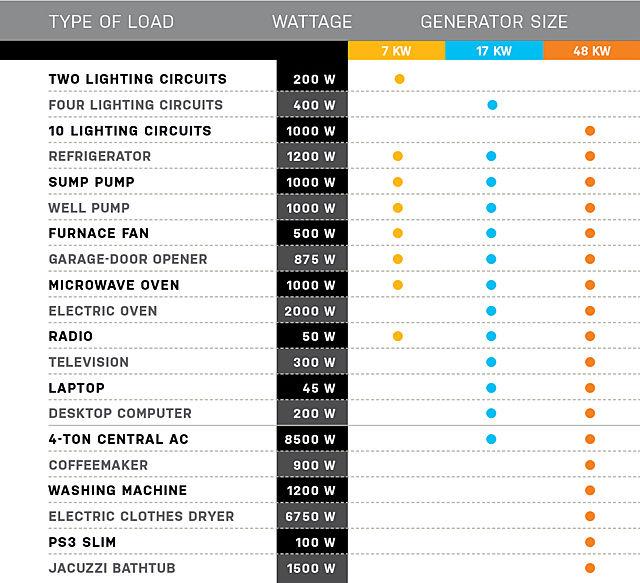
Before even considering generator models, a detailed energy audit of your home’s electrical consumption is indispensable. This audit helps identify every appliance, system, and device that requires power, categorizing them by their running wattage and crucially, their starting (surge) wattage. High-draw appliances like air conditioners, electric water heaters, well pumps, and large refrigerators have significant starting loads that must be accounted for.
- Identify Critical Loads: Which appliances absolutely must run during an outage for safety, comfort, or to prevent damage? (e.g., refrigerator, furnace fan, well pump, lights, medical equipment).
- Identify Desired Loads: Which appliances would you like to run for convenience, but aren’t strictly necessary? (e.g., TV, microwave, computer).
- Compile Wattage Data: Collect the running and starting wattages for each identified item. This information is typically found on appliance labels, owner’s manuals, or manufacturer websites.
This granular data forms the basis for a realistic financial model. Without it, you risk either over-sizing, leading to unnecessary upfront costs and higher operational expenses, or under-sizing, which can result in insufficient power and potential damage to the generator or appliances.
Prioritizing Loads vs. Running Everything: Budgetary Implications
A common mistake is assuming you need to power every single item in your home simultaneously. This “run everything” approach almost always leads to an oversized generator and a significantly higher initial investment, installation cost, and ongoing fuel expenses.
Instead, a financially savvy approach involves prioritization:
- Essential Needs First: Calculate the total wattage for all critical loads. This establishes your absolute minimum generator size.
- Strategic Load Management: Consider whether certain high-draw appliances can be run sequentially rather than concurrently. For example, if you only need hot water periodically, you can run the electric water heater for an hour, then turn it off to allow the air conditioner to run. Many modern whole home generators come with load management systems that automatically cycle high-demand appliances to prevent overload, optimizing the use of a smaller, more cost-effective unit.
- Future Planning: Factor in any anticipated appliance upgrades or additions that might impact future power needs. A slightly larger investment now might prevent a more costly replacement or upgrade later.
This deliberate prioritization ensures you invest in a generator that meets your realistic needs without wasting capital on unused capacity.
Fuel Type Economics: Propane, Natural Gas, Diesel
The choice of fuel type has significant long-term financial implications that impact both the upfront cost and ongoing operational expenses.
- Natural Gas: Often the most economical choice if a natural gas line is already available. Natural gas generators typically have lower operational costs due to the relatively stable and lower price of natural gas, and they offer an uninterrupted fuel supply (no need for refueling). However, the initial installation cost can be higher if a new line needs to be run.
- Propane (LP): A common choice for homes without natural gas access. Propane generators require a storage tank, which adds to the initial installation cost. Fuel availability is generally good, but prices can fluctuate, and you need to manage fuel levels and schedule deliveries.
- Diesel: Generally used for larger commercial or industrial applications due to higher fuel costs and maintenance requirements for residential use. Diesel fuel also has a limited shelf life and requires proper storage.
When comparing options, calculate the estimated annual fuel consumption based on your anticipated usage (e.g., X hours per year) and current fuel prices. This financial projection is crucial for understanding the true cost of ownership over the generator’s lifespan.
Generator Sizing: Finding the Economic Sweet Spot
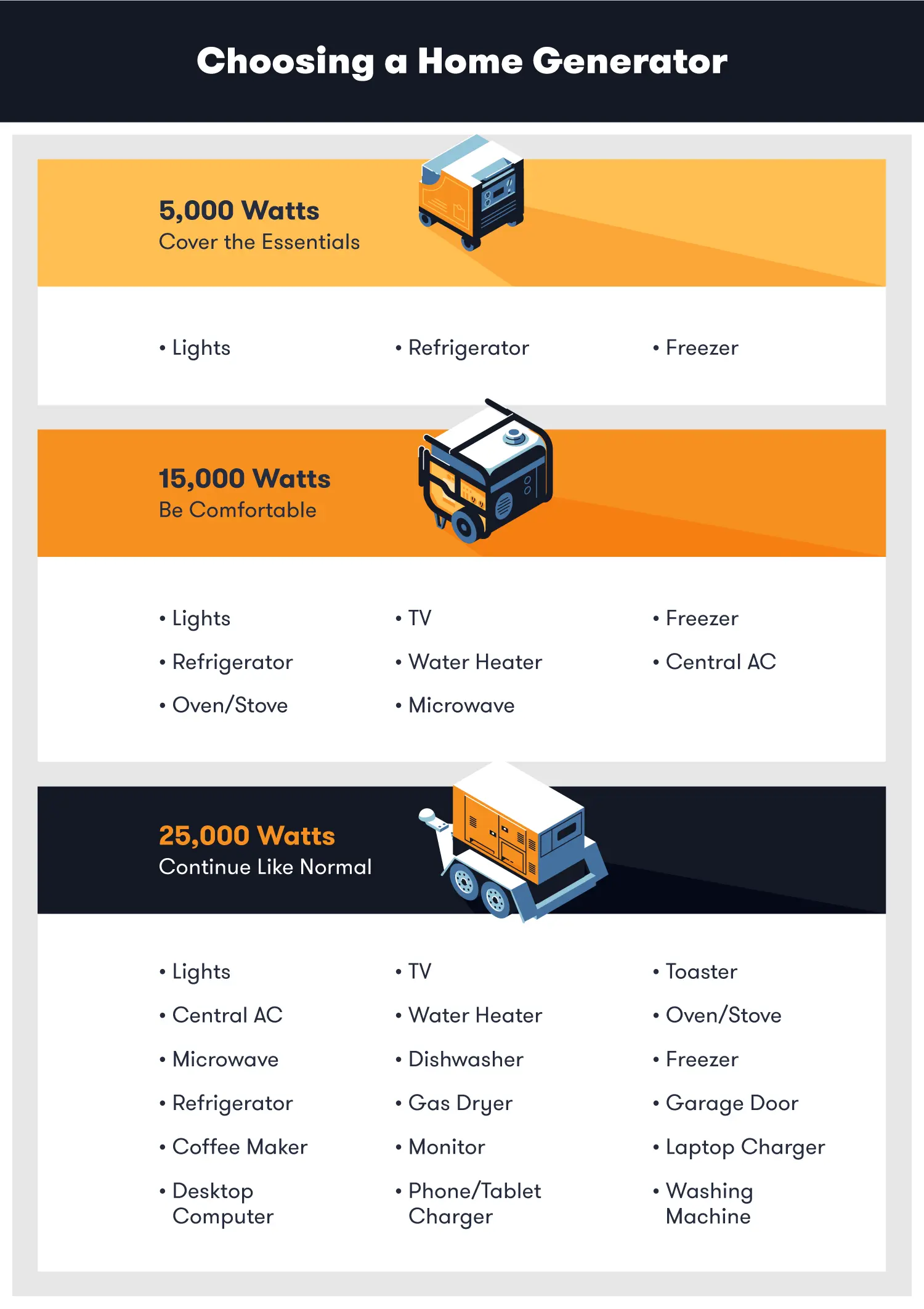
The goal in generator sizing is to identify the optimal balance between initial investment, operational efficiency, and adequate power delivery. This “economic sweet spot” ensures you receive maximum value for your money.
Avoiding Oversizing: Wasted Capital and Running Costs
Purchasing a generator that is significantly larger than your actual needs is a common and costly mistake. Oversizing leads to:
- Higher Upfront Cost: Larger generators inherently cost more to purchase and install. This immediately impacts your initial capital outlay.
- Increased Fuel Consumption: Generators are most fuel-efficient when running at or near their rated capacity. An oversized generator running at a fraction of its capacity will consume more fuel per kilowatt-hour produced, leading to higher operational costs during outages.
- Shorter Lifespan (Potentially): While counterintuitive, consistently underloading a generator can lead to “wet stacking” in some engine types (especially diesel), where unburned fuel and carbon build up, reducing efficiency and potentially shortening engine life.
- Larger Footprint: Bigger units require more space, which can affect property aesthetics and installation complexity, potentially increasing costs.
A careful energy audit and load prioritization can prevent this costly overspending, directing your investment towards a unit that is perfectly aligned with your home’s requirements.
Under-sizing Risks: Insufficient Protection and Potential Damage
Conversely, opting for a generator that is too small to handle your essential loads presents its own set of financial risks:
- Inadequate Power Supply: The generator may trip breakers or struggle to start high-demand appliances, leaving you without necessary power for crucial functions like heating, cooling, or water supply.
- Generator Damage: Constantly running a generator at its maximum capacity or overloading it can cause premature wear and tear on the engine and alternator, leading to expensive repairs or a shortened operational life.
- Appliance Damage: Voltage fluctuations or insufficient power can potentially harm sensitive electronics and motors in your home.
- False Economy: The initial savings from a smaller generator are quickly eroded by frustration, potential damage, and the recurring costs of insufficient backup power.
The key is to match the generator’s continuous running wattage to your calculated running loads, with sufficient surge capacity to handle the startup of the largest motor-driven appliances (e.g., AC unit, well pump).
Professional Assessment: A Worthwhile Upfront Investment
While DIY calculations can provide a good starting point, consulting with a qualified electrician or generator specialist is a worthwhile investment. These professionals can:
- Accurately Calculate Loads: They have the expertise and tools to perform a precise load assessment, considering factors like voltage drop and specific appliance characteristics.
- Advise on Transfer Switches: They’ll recommend the appropriate automatic transfer switch (ATS), which is crucial for safe and seamless operation, automatically switching between utility and generator power.
- Ensure Code Compliance: They will ensure the installation meets all local electrical codes and safety regulations, preventing costly rework or fines.
- Optimize Placement and Fuel Lines: They can advise on the best placement for the generator and the most cost-effective and compliant routing for fuel lines.
The nominal fee for a professional assessment can save you thousands of dollars by preventing sizing mistakes, ensuring a safe installation, and optimizing your generator’s long-term performance and efficiency. It’s a small investment that protects a much larger one.
Long-Term Financial Considerations and Maintenance
The financial commitment to a whole home generator extends beyond the initial purchase and installation. Understanding the ongoing costs is vital for comprehensive financial planning.
Operational Costs: Fuel, Servicing, and Longevity
- Fuel Consumption: As discussed, this is a primary ongoing cost. Maintaining an emergency fuel reserve (for propane/diesel) or ensuring your natural gas account is in good standing is part of the financial responsibility.
- Routine Maintenance: Generators, like cars, require regular maintenance to operate reliably and efficiently. This includes oil changes, filter replacements, spark plug checks, and general inspections, typically performed annually or after a certain number of operating hours. Budgeting for these services (often $200-$500 per year) is essential to preserve your investment and ensure it functions when needed most. Skipping maintenance can lead to costly repairs and premature failure.
- Replacement Parts: Over a generator’s 15-30 year lifespan, components may wear out. Having a contingency fund for potential repairs is a prudent financial strategy.
Warranty and Support: Protecting Your Investment
Evaluate generator warranties carefully. A strong warranty (e.g., 5-10 years on major components) signifies manufacturer confidence and protects you from unforeseen defects during the initial years. Understand what the warranty covers (parts, labor) and what voids it (e.g., improper installation, lack of maintenance).
Additionally, consider the availability of local service and support. Being able to access certified technicians quickly for maintenance or repairs minimizes downtime and preserves the functionality of your emergency power system. A generator is only a good investment if it works when you need it.
Insurance Implications and Risk Mitigation
Inform your home insurance provider about your new whole home generator. Some insurers may offer discounts for homes with backup power systems, as they can mitigate certain risks (e.g., burst pipes, food spoilage). Conversely, ensure your policy covers potential damage to the generator itself from natural disasters or other insured perils.
A whole home generator is a significant financial asset. Treating it as such, with careful sizing, professional installation, and ongoing maintenance, ensures it delivers the security and value you expect, protecting your home and finances for years to come.
aViewFromTheCave is a participant in the Amazon Services LLC Associates Program, an affiliate advertising program designed to provide a means for sites to earn advertising fees by advertising and linking to Amazon.com. Amazon, the Amazon logo, AmazonSupply, and the AmazonSupply logo are trademarks of Amazon.com, Inc. or its affiliates. As an Amazon Associate we earn affiliate commissions from qualifying purchases.