
The seemingly straightforward query, “What size is 36 in the US?”, encapsulates a profound challenge for brands operating in today’s interconnected global marketplace. This question, often posed by an eager international shopper or a domestic customer exploring unfamiliar sizing systems, is far more than a simple conversion. For brands, it represents a critical touchpoint in the customer journey, an opportunity to build trust or sow confusion, and a fundamental aspect of brand strategy that impacts everything from sales and returns to perception and loyalty. In an era where e-commerce transcends borders, understanding and effectively communicating sizing equivalencies is not just a logistical necessity, but a powerful differentiator for brands aiming to resonate with a diverse, global audience.
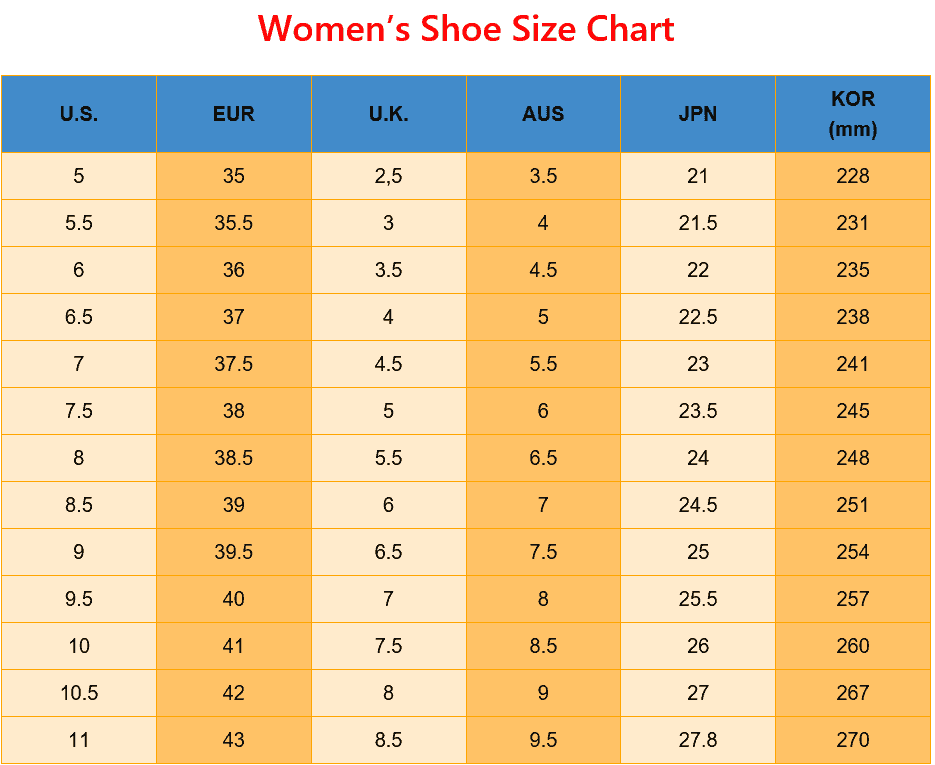
The Global Sizing Labyrinth: Understanding the “Size 36” Conundrum
The world of apparel sizing is anything but uniform. What constitutes a “size 36” can vary dramatically depending on its origin, whether it refers to a men’s waist measurement, a women’s dress size, or a European shoe size. This intricate web of metrics and standards creates a labyrinth that consumers must navigate, and it’s up to brands to provide the compass.
Deconstructing Disparity: Why Sizes Vary Wildly Across Continents
The fundamental reason for sizing discrepancies lies in the diverse historical and cultural contexts of measurement systems. The US primarily uses a numeric system (0, 2, 4, etc., for women; waist/inseam inches for men) or alpha sizing (XS, S, M, L). The UK has its own numeric system (e.g., 8, 10, 12). Europe generally employs yet another numeric scale (e.g., 34, 36, 38). Beyond these, Asian markets often have distinct standards, and even within a single country, variations exist across brands—a phenomenon known as “vanity sizing,” where garment sizes become numerically smaller over time without changes to the actual measurements, aiming to flatter consumers.
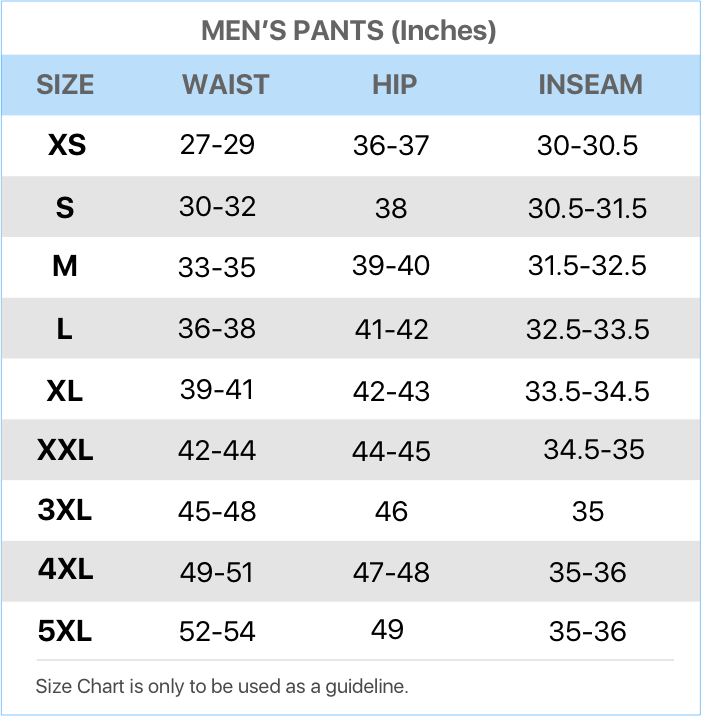
Let’s address the titular “size 36” directly. If it refers to a women’s European dress size 36, it typically translates to a US women’s size 4 or 6, or a UK size 8. However, if “size 36” refers to a men’s waist size, it generally means 36 inches, which would be consistent across US and UK men’s sizing for trousers. The critical ambiguity lies in the context—is it women’s or men’s, metric or imperial, general apparel or a specific item like shoes? This lack of universal standardization is the root cause of consumer confusion and a significant hurdle for brands.
The Hidden Costs of Confusion: Brand Reputation and Returns
For a brand, this pervasive sizing ambiguity isn’t merely an inconvenience; it carries substantial tangible and intangible costs. When a customer receives an item that doesn’t fit, the immediate consequence is often a return. High return rates due to sizing issues are a drain on resources—incurring shipping costs, processing fees, restocking efforts, and increased waste. Beyond the financial impact, ill-fitting garments lead to customer frustration, disappointment, and a damaged brand perception. A brand seen as unreliable in its sizing can quickly accumulate negative reviews, lose potential repeat business, and suffer from a tarnished reputation in a highly competitive market.
The “size 36” dilemma, therefore, is a microcosm of a larger strategic imperative: brands must go beyond simply offering products and instead empower customers with the clarity and confidence to make informed purchasing decisions, especially when navigating global size conversions. Failure to do so undermines the entire brand experience and erodes consumer trust.
Crafting Clarity: Essential Strategies for Brand Sizing Communication
In a fragmented global sizing landscape, a brand’s ability to communicate sizing effectively is paramount to its success. It requires a thoughtful, multi-faceted strategy that moves beyond simplistic conversion charts to truly empower the customer.
The Art of the Perfect Size Chart: Beyond Basic Conversions
A comprehensive and easily accessible size chart is the cornerstone of effective sizing communication. However, simply listing equivalencies isn’t enough. The ideal size chart should be:
- Detailed: Include actual garment measurements (e.g., chest, waist, hip, inseam length) in both metric and imperial units. This allows customers to compare against their own body measurements or a well-fitting garment they already own, rather than relying solely on a subjective number.
- Interactive and Dynamic: Online, size charts can be made interactive, allowing users to select their region or preferred measurement system, and instantly see the corresponding values.
- Product-Specific: Recognize that sizing can vary even within a single brand across different product lines, fabrics, or cuts. A “relaxed fit” size 36 will fit differently from a “slim fit” size 36. Each product page should feature relevant sizing information, potentially with specific notes on fit.
- Visually Engaging: Use diagrams or illustrations to show customers exactly where to measure themselves. This removes guesswork and builds confidence.
- Consistent Across All Touchpoints: Whether on the website, in-app, or in-store, the sizing information must be uniform and easy to find.
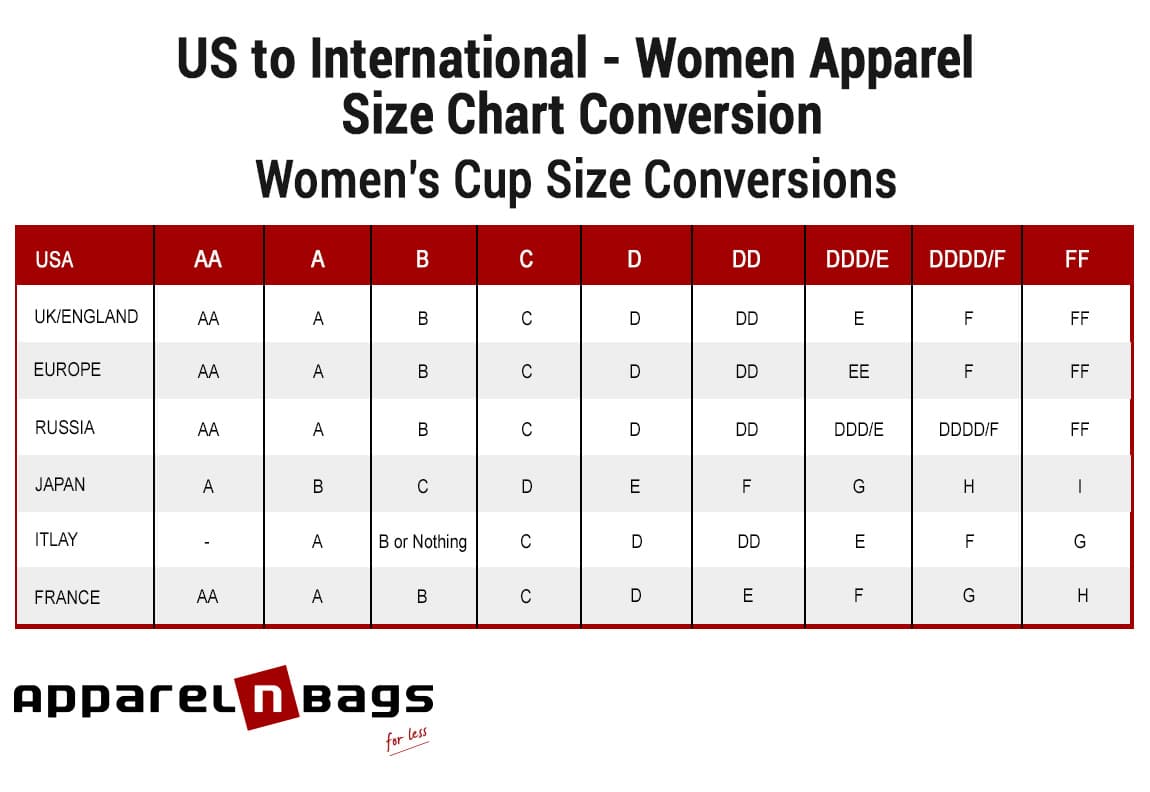
For the “size 36” query, a brand’s chart should clearly distinguish whether 36 refers to a women’s EU size (e.g., mapping to US 4/6), a men’s waist (e.g., mapping to 36 inches), or another category, providing relevant body measurements for each.
Leveraging Technology for Predictive Fit
The evolution of retail technology offers powerful tools for brands to mitigate sizing uncertainty and enhance the customer experience. These innovations move beyond static charts to provide personalized fit recommendations:
- AI-Driven Recommendation Engines: By analyzing customer purchase history, returns data, product reviews, and even body scan data, AI can suggest the most appropriate size for an individual. Some tools ask users to input their height, weight, and preferred fit in other brands to generate a personalized recommendation.
- Virtual Try-On (VTO) Tools: While still evolving, VTO technology allows customers to visualize how garments might look and fit on their own bodies, reducing hesitation and increasing purchase confidence.
- Augmented Reality (AR) Applications: Similar to VTO, AR apps can overlay clothing onto a user’s live camera feed, providing a more immersive and interactive sizing experience.
- Customer Reviews and Q&A Specific to Fit: Brands should actively curate and highlight customer feedback regarding fit (e.g., “runs small,” “true to size”), allowing potential buyers to learn from the experiences of others. A dedicated section for fit-related questions can also be invaluable.
By adopting these technologies, brands don’t just provide information; they create an intelligent ecosystem that guides the customer through the sizing decision, significantly reducing errors and boosting satisfaction.
Beyond Measurements: Building Brand Loyalty Through Fit and Inclusivity
Sizing strategy is not just about numbers; it’s deeply intertwined with a brand’s identity, values, and its relationship with its customers. A thoughtful approach to fit and inclusivity can transform sizing from a logistical hurdle into a powerful pillar of brand loyalty.
From Standard to Inclusive: Designing for Every Body
Traditional sizing often caters to a narrow ideal, leaving a significant portion of the population feeling excluded. Progressive brands are recognizing the commercial and ethical imperative of embracing diverse body types. This means:
- Developing a Broader Size Range: Offering extended sizing (petite, tall, plus-size) is a fundamental step. However, it’s not enough to simply scale up or down a standard pattern.
- Fit Development for Diverse Shapes: Brands must invest in working with diverse fit models and designers who understand the nuances of different body shapes. A true plus-size garment, for instance, requires different pattern grading and design considerations than merely enlarging a smaller size.
- Challenging the “Standard”: By showcasing garments on models of various sizes, shapes, and ethnicities, brands can communicate a powerful message of inclusivity and make their offerings feel more relatable to a wider audience. This shifts the perception that “size 36” is the ideal, instead celebrating the spectrum of human forms.
By consciously designing for and celebrating every body, brands cultivate a reputation for inclusivity and empathy, forging deeper, more meaningful connections with their customers.
Transparent Communication: Educating and Empowering Customers
Trust is built on transparency. Brands that are upfront about their sizing philosophy and product fit gain a significant advantage. This involves:
- Educating on Fabric and Stretch: Inform customers about the material composition and inherent stretch of a garment. A size 36 in a rigid denim will fit very differently from a size 36 in a stretch jersey.
- Providing “Fit Notes”: Accompany product descriptions with specific details about how an item is intended to fit (e.g., “This dress is designed for a close fit, consider sizing up if between sizes,” or “This jacket has an oversized silhouette, true to size for a relaxed look”).
- Guides on Taking Measurements: Empowering customers to accurately measure themselves at home is crucial. Clear, simple instructions and diagrams can significantly improve the accuracy of self-measurement, allowing customers to confidently compare their numbers against the brand’s size chart.
- Open Dialogue: Brands should actively solicit feedback on fit and engage with customer questions. This iterative process allows for continuous improvement in sizing and communication.
By fostering an environment of open communication and education, brands demystify the sizing process, empowering customers to make confident choices and reducing the likelihood of disappointment. This commitment to transparency strengthens the brand-customer relationship, turning a potentially frustrating experience into a positive, loyalty-building interaction.
Conclusion: The Strategic Imperative of Sizing Excellence
The question “what size is 36 in the US?” may seem innocuous, but for brands, it opens a window into the complex world of international commerce and customer experience. A brand’s approach to sizing is far more than a technical detail; it is a strategic imperative that directly influences market penetration, customer satisfaction, operational efficiency, and ultimately, brand equity. By embracing robust communication strategies, leveraging innovative technologies, and championing inclusivity in product design, brands can transform the global sizing challenge into a powerful opportunity. Proactive and clear sizing guidance reduces costly returns, builds unwavering customer loyalty, and establishes a reputation for reliability and thoughtfulness—essential traits for any brand striving for enduring success in today’s globalized marketplace.
aViewFromTheCave is a participant in the Amazon Services LLC Associates Program, an affiliate advertising program designed to provide a means for sites to earn advertising fees by advertising and linking to Amazon.com. Amazon, the Amazon logo, AmazonSupply, and the AmazonSupply logo are trademarks of Amazon.com, Inc. or its affiliates. As an Amazon Associate we earn affiliate commissions from qualifying purchases.