
The allure of a catchy phrase, a memorable slogan, or a unique turn of phrase can significantly impact how a brand is perceived and remembered. In the realm of branding and marketing, language is not merely a tool for communication; it’s a potent instrument for shaping identity, evoking emotion, and creating cultural resonance. Occasionally, a phrase emerges from the cultural ether, gains widespread traction, and becomes an enduring part of the lexicon. “23 skidoo” is precisely one such phrase, a linguistic artifact that, despite its enigmatic origins, has woven itself into the fabric of early 20th-century American popular culture and, by extension, offers a fascinating case study for understanding brand evolution and the power of ephemeral language.

While seemingly nonsensical on the surface, the phrase “23 skidoo” once held significant currency. Understanding its meaning and its rise to popularity offers valuable insights into how language can become a de facto brand, influencing public perception and even reflecting the zeitgeist of an era. For brand strategists, marketers, and anyone interested in the power of communication, dissecting such linguistic phenomena provides a rich understanding of how meaning is constructed, disseminated, and ultimately, how it can contribute to a brand’s longevity, even if that “brand” is a collective cultural expression rather than a commercial product.
The Rise of a Vernacular Brand: Context and Creation
The early 20th century was a period of dynamic social and cultural change in the United States. Urbanization was accelerating, new technologies like automobiles and motion pictures were gaining prominence, and a burgeoning popular culture was taking shape. In this fertile ground, slang and colloquialisms flourished, acting as informal identifiers of subcultures, generational shifts, and evolving social norms. “23 skidoo” emerged from this vibrant linguistic landscape, and its widespread adoption suggests it tapped into something that resonated with the public consciousness of the time.
Early 20th Century American Culture and Linguistic Innovation
The period between the late 19th century and the 1920s was a golden age for American slang. With the rise of mass media like newspapers, magazines, and early forms of audio recording, new phrases and expressions could spread with unprecedented speed. New York City, in particular, served as a melting pot of cultures and ideas, fostering a particularly fertile environment for linguistic experimentation. Immigrant communities, burgeoning entertainment districts, and a growing sense of urban dynamism all contributed to a rich tapestry of vernacular language. It was within this context that “23 skidoo” began to circulate, likely as a product of this creative linguistic energy. Its adoption was not confined to a single social group but permeated various strata of society, indicating its broad appeal and its ability to capture a particular sentiment.
Unraveling the Etymology: Theories and Speculation
Despite its widespread use, the precise origin of “23 skidoo” remains elusive, a characteristic often found in the genesis of popular slang. Several theories attempt to explain its etymology, each offering a potential insight into its meaning and appeal. One popular theory links it to an apartment number in a New York City building frequented by vaudeville performers and artists. It’s suggested that “23” might have been a significant number associated with this creative hub, and “skidoo” (a derivative of “skiddoo” or “skedaddle,” meaning to leave quickly) was a common slang term for departure. Therefore, “23 skidoo” could have meant something akin to “get out of apartment 23” or simply “time to leave.”
Another theory posits a connection to police codes or slang used by law enforcement, though evidence for this is less concrete. Some suggest it was simply a nonsensical phrase that sounded good and caught on through sheer repetition and popular adoption. Regardless of its precise birthplace, the ambiguity surrounding its origin may have even contributed to its mystique and widespread appeal, allowing individuals to project their own interpretations onto the phrase. This inherent flexibility is a powerful characteristic when it comes to a phrase functioning as a de facto brand.
The “23 Skidoo” Brand: Meaning, Usage, and Cultural Impact
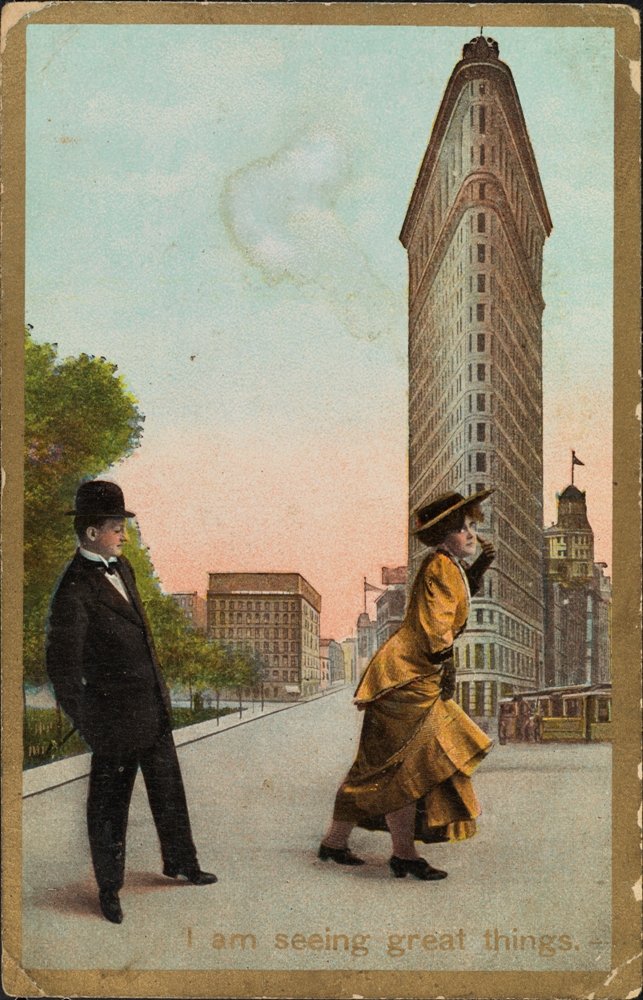
Once a phrase gains traction, it begins to function as a brand in its own right. It acquires associations, evokes certain feelings, and becomes a shorthand for a particular idea or sentiment. “23 skidoo” was no exception. Its meaning, though debated, solidified into a general sense of urgency, dismissal, or a playful way to signal departure. Its adoption by popular culture, particularly through its presence in music, theater, and everyday conversation, cemented its status as a recognizable linguistic entity.
Deciphering the Meaning: From Dismissal to Departure
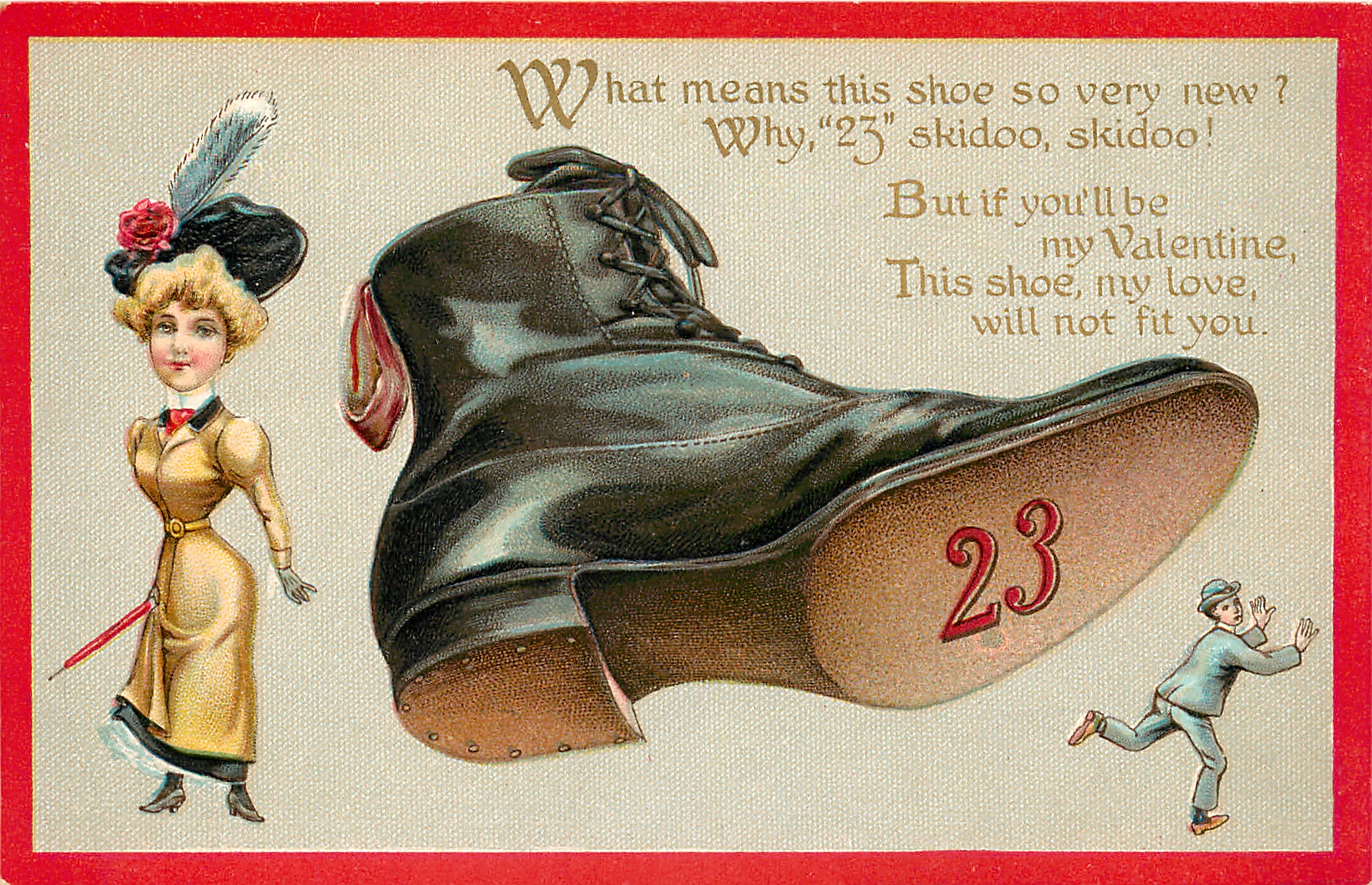
The most common interpretation of “23 skidoo” is a command to leave, to be dismissed, or to depart quickly. It carried an air of finality, often used to end a conversation, usher someone out, or signal the end of an unwelcome situation. It could be a lighthearted dismissal or a more pointed admonition, depending on the context and the tone of delivery. The phrase also conveyed a sense of briskness and efficiency, mirroring the fast-paced nature of urban life in the early 20th century. It suggested a no-nonsense approach, a desire to get things done or to move on. This core meaning of “get out” or “scram” made it a versatile tool for navigating social interactions.
Cultural Penetration: Vaudeville, Music, and Everyday Speech
The widespread adoption of “23 skidoo” is a testament to its effective “branding” within the cultural landscape of its time. It was not just confined to obscure slang circles; it permeated mainstream popular culture. Vaudeville performers, who were often at the forefront of linguistic trends, embraced the phrase, incorporating it into their routines and sketches, further broadcasting its appeal to a wide audience. Musicians also picked up on its catchy rhythm and distinctiveness, featuring it in song titles and lyrics, solidifying its presence in the auditory realm.
The phrase found its way into newspapers and magazines, becoming a recognizable idiom in written form. Crucially, it entered everyday speech, becoming a common rejoinder in informal conversations. This ubiquity is the hallmark of a successful linguistic “brand” – it becomes so ingrained that it requires no explanation, its meaning understood by the vast majority of people. Its popularity reflected a cultural moment, a shared understanding that transcended individual differences, much like how a strong brand resonates with a broad consumer base.
The Legacy of a Fleeting Brand: Lessons for Modern Communication
While “23 skidoo” may have largely faded from contemporary everyday conversation, its journey offers valuable lessons for modern brand building and communication strategies. The ephemeral nature of language and its ability to capture a cultural moment are powerful forces that even today’s sophisticated marketing techniques strive to emulate. Understanding how such phrases gained and lost traction can inform how brands can create lasting connections with their audiences.
The Ephemerality of Language and Brand Longevity
The story of “23 skidoo” highlights the inherent ephemerality of language, particularly slang. What is current and vibrant today can become dated and quaint tomorrow. For brands, this presents a challenge and an opportunity. Brands that aim for long-term relevance must be adaptable, understanding that their messaging and identity may need to evolve over time. However, the enduring memory of “23 skidoo,” even in its decline, suggests that phrases that capture a significant cultural moment can achieve a form of brand immortality, becoming historical markers rather than active communicative tools. This is a lesson in how even short-lived linguistic phenomena can leave a lasting imprint on cultural memory, akin to iconic brand campaigns of the past.
From Slang to Slogan: The Power of Memorable Phrases
The success of “23 skidoo” underscores the fundamental principle that memorable phrases are powerful branding tools. Whether it’s a catchy slogan, a unique tagline, or a distinctive idiom, the ability to distill a message or sentiment into a concise and memorable package is crucial for brand recall. This principle is as relevant today as it was a century ago. Modern marketing heavily relies on crafting punchy, evocative phrases that stick with consumers. The rapid spread and widespread adoption of “23 skidoo” demonstrates that linguistic innovation, when it resonates with the public, can achieve a level of brand penetration that even the most sophisticated advertising campaigns can only aspire to. It’s a reminder that authentic connection and cultural relevance are key ingredients in creating enduring communicative impact, a core tenet of effective brand strategy.
aViewFromTheCave is a participant in the Amazon Services LLC Associates Program, an affiliate advertising program designed to provide a means for sites to earn advertising fees by advertising and linking to Amazon.com. Amazon, the Amazon logo, AmazonSupply, and the AmazonSupply logo are trademarks of Amazon.com, Inc. or its affiliates. As an Amazon Associate we earn affiliate commissions from qualifying purchases.