
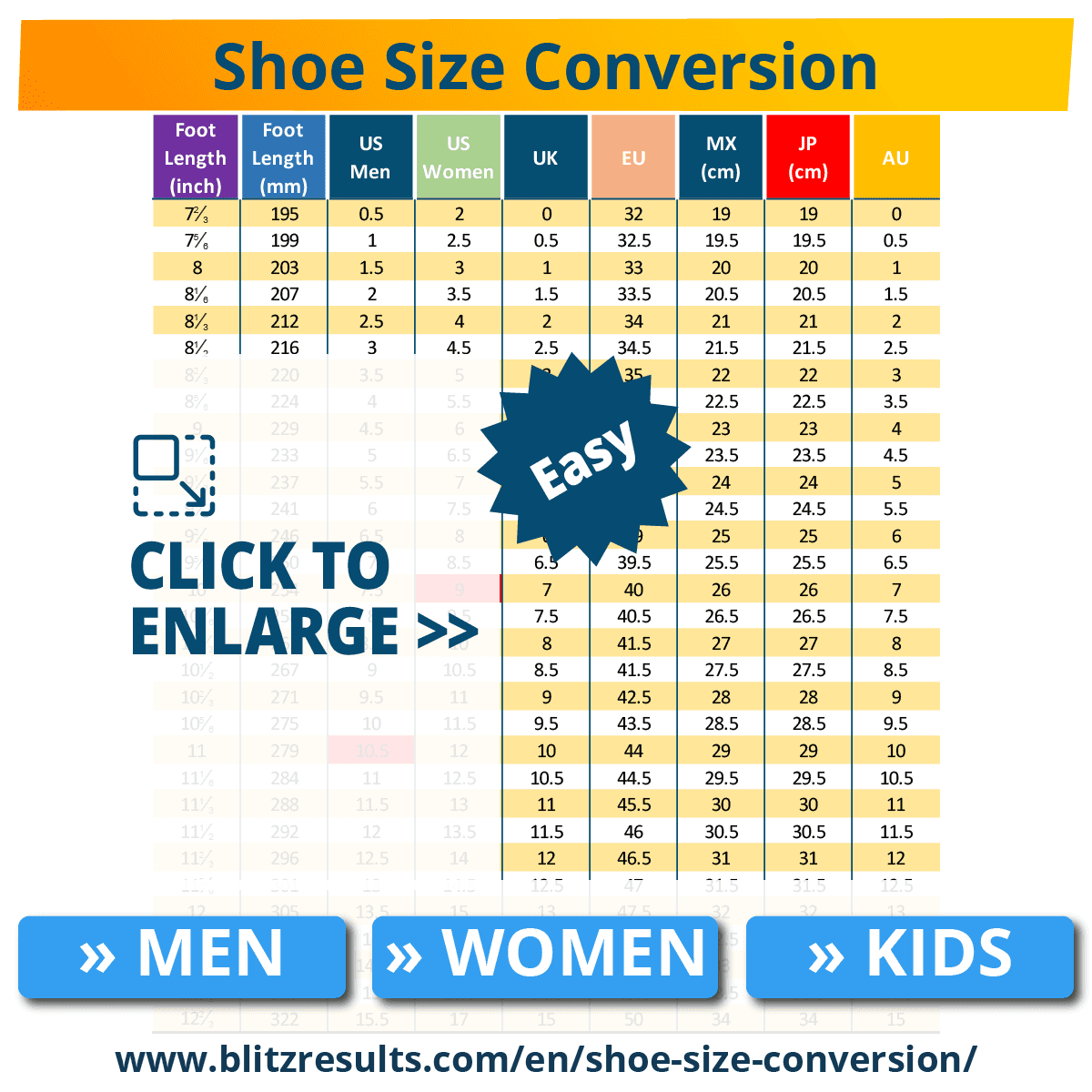
In the hyper-competitive landscape of global retail, the difference between a loyal customer and a lost lead often comes down to a single number. For a consumer asking, “What size is 10.5 in Euro?” the answer is rarely just a conversion figure (typically a 44.5 or 45 depending on the brand). Instead, that question represents a critical touchpoint in the brand-consumer relationship. When a brand fails to communicate its sizing standards clearly, it isn’t just a logistical error; it is a failure of brand strategy.
In the world of brand management, consistency is the bedrock of trust. For a consumer, a size 10.5 is an expectation of comfort, utility, and identity. For the brand, ensuring that this 10.5 translates accurately into a European size 44 or 45 across international borders is a complex exercise in corporate identity, marketing precision, and design excellence.

The Psychology of Sizing in Brand Strategy
At its core, branding is the management of perceptions. When a customer identifies as a “size 10.5,” that number becomes part of their consumer persona. If they transition to a European market and find that the brand’s “Euro equivalent” is inconsistent or ill-fitting, the psychological contract between the brand and the buyer is broken.
Consistency as a Pillar of Trust
Brand trust is built on the promise of a predictable experience. If a luxury footwear brand labels a US 10.5 as a Euro 44 one year and a 45 the next, the brand equity begins to erode. In the digital age, where reviews and social proof dictate market share, sizing discrepancies are a leading cause of negative brand sentiment. A brand that masters the “10.5 to Euro” conversion isn’t just providing a measurement; it is providing peace of mind. This reliability becomes a competitive advantage, positioning the brand as a professional and customer-centric entity.
The “Vanity Sizing” Phenomenon and Brand Perception
Marketing departments often grapple with “vanity sizing”—the practice of labeling clothes or shoes with smaller sizes than their actual measurements to make customers feel better. While this can provide a short-term psychological boost, it creates a nightmare for global brand identity. If a brand’s size 10.5 is significantly larger than the industry standard, it may gain favor in one niche but lose credibility in the professional athletic or high-fashion sectors. True brand leadership involves setting an honest, universal standard that transcends geographical borders, ensuring that a 10.5 in New York feels exactly like its Euro counterpart in Paris.
Navigating the 10.5 Transition: A Case Study in Global Market Entry
When a brand decides to scale internationally, one of the most significant hurdles is the localization of technical specifications. The shift from the US Imperial system (size 10.5) to the European Metric-based system (size 44/45) is a case study in how brand strategy must adapt to local cultures while maintaining a cohesive global identity.
From US to EU: Localizing the Brand Experience
Localization is more than just translating language; it is about translating values. A brand entering the European market must decide how to present its sizing. Should it keep the US 10.5 as the primary identifier to emphasize its American heritage (common in “Americana” style branding), or should it prioritize the Euro size to show respect for the local consumer? Most successful global brands, such as Nike or Adidas, utilize a multi-region tag. This design choice communicates that the brand is a “global citizen,” capable of serving diverse populations without friction.
The Impact of Conversions on Customer Loyalty
The moment of truth occurs in the fitting room—physical or virtual. If a customer who wears a 10.5 buys the suggested Euro equivalent and it doesn’t fit, the brand’s marketing efforts are neutralized. High-performing brands invest heavily in “Fit Analytics” as part of their brand strategy. They recognize that if a customer has to return a product because the 10.5 to Euro conversion was off, that customer is 50% less likely to purchase from that brand again. Therefore, precise sizing isn’t just a design requirement; it is a retention strategy.

Design Thinking: Beyond the Measurement
In the context of brand identity, design is not just about how a product looks, but how it functions within the user’s life. The conversion of a size 10.5 into a European size is a design challenge that bridges the gap between physical manufacturing and digital representation.
Physicality vs. Digital Representation
For a brand, the challenge lies in the fact that a “10.5” is not a universal physical constant. Different lasts (the molds used to shape shoes) result in different internal volumes. A brand’s design philosophy must account for this. A “sleek” brand identity might favor a narrower fit, meaning their 10.5 translates more accurately to a Euro 44, while a “rugged” outdoor brand might lean toward a 45. Communicating these design nuances through the brand’s voice is essential. The brand must tell the story of why their 10.5 fits the way it does, turning a technical specification into a narrative of craftsmanship.
Innovation in Brand Packaging and Labeling
The label is often the most overlooked piece of brand real estate. Innovative brands are reimagining how sizing information is delivered. Instead of a confusing grid of numbers, modern brand design utilizes QR codes that lead to personalized sizing guides or AR (Augmented Reality) tools. By helping the customer answer “What size is 10.5 in Euro?” through an interactive digital experience, the brand positions itself as a forward-thinking, tech-savvy leader. This integration of design and utility reinforces a premium brand image.
Brand Equity and the High Cost of Sizing Discrepancies
In corporate strategy, every decision is weighed against its impact on the bottom line and brand equity. Sizing errors are one of the most expensive drains on a company’s resources and reputation.
Reducing Returns through Brand Education
Returns are the “silent killer” of e-commerce profitability. A significant percentage of returns in the footwear and apparel industry are due to sizing confusion. When a brand takes the time to educate its audience—explaining that their US 10.5 is a Euro 44.5 due to a specific Italian last—they are performing “preventative branding.” This transparency reduces the logistical costs of returns and positions the brand as an expert authority. Educational content, such as “The Definitive Guide to International Sizing,” can serve as a powerful marketing tool that builds SEO and establishes the brand as a thought leader in the space.
Building a Seamless Omnichannel Brand Experience
Modern branding requires a seamless experience across all platforms. Whether a customer is looking at a size 10.5 on a smartphone in London or trying it on in a boutique in Berlin, the brand message must be identical. Discrepancies between online size charts and physical tags are a hallmark of a disorganized brand. To maintain a high-tier corporate identity, companies must ensure that their “size 10.5 to Euro” conversion is synchronized across their ERP systems, e-commerce platforms, and physical marketing collateral. This “single source of truth” is what separates world-class brands from their mediocre competitors.
Conclusion: The Strategic Value of the Perfect Fit
The question “What size is 10.5 in Euro?” may seem like a simple request for information, but for the modern brand strategist, it is an opportunity. It is an opportunity to demonstrate precision, to build trust, and to provide a seamless user experience that reinforces the brand’s value proposition.
By treating sizing not as a logistical afterthought but as a core component of brand identity, companies can foster deeper loyalty and reduce the friction of global commerce. In an era where consumers have infinite choices, the brands that win are the ones that make life easy for their customers. Whether it’s a 10.5, a 44, or a 45, the real measurement of success is the confidence the customer feels when they see your logo. Precision in sizing is, ultimately, precision in branding.
aViewFromTheCave is a participant in the Amazon Services LLC Associates Program, an affiliate advertising program designed to provide a means for sites to earn advertising fees by advertising and linking to Amazon.com. Amazon, the Amazon logo, AmazonSupply, and the AmazonSupply logo are trademarks of Amazon.com, Inc. or its affiliates. As an Amazon Associate we earn affiliate commissions from qualifying purchases.