
In the modern marketplace, few concepts have achieved the level of brand recognition and cultural penetration as the Paleo diet. While most perceive it as a nutritional framework, from a brand strategy and corporate identity perspective, “Paleo” represents a masterclass in narrative-driven marketing. It is not merely a list of permitted foods; it is a multi-billion-dollar brand ecosystem built on a foundation of evolutionary psychology, tribalism, and clear differentiation. To understand what the Paleo brand consists of, one must look beyond the plate and into the strategic mechanisms that have transformed an ancestral concept into a global consumer powerhouse.
The Core Pillars of Brand Authenticity: Why “Ancestral” Narrative Works
The strength of any brand lies in its origin story. The Paleo brand leverages a narrative that is both ancient and aspirational, positioning itself as a return to “true” human nature. This section explores how the brand utilizes evolutionary biology as a marketing USP (Unique Selling Proposition).
Tapping into the Evolutionary Narrative
At its heart, the Paleo brand identity is built on the “Evolutionary Mismatch” theory. From a brand strategy standpoint, this creates an immediate antagonist: the modern, industrialized world. By positioning the brand as the solution to the “diseases of civilization,” marketers have created a high-stakes narrative. Consumers aren’t just buying groceries; they are participating in a biological homecoming. This narrative is incredibly effective because it bypasses the complexities of modern nutritional science and appeals to a fundamental human desire for simplicity and heritage.
The Power of Primitive Visual Identity
The visual brand language of the Paleo movement is remarkably consistent. It avoids the clinical, neon-hued aesthetics of 1990s fitness brands in favor of “earthy” tones—browns, deep greens, and slate grays. The typography often mimics rugged, hand-hewn textures. This corporate identity signals “raw,” “unprocessed,” and “honest.” In a market saturated with artificiality, the Paleo brand’s visual cues act as a shorthand for trust and quality, allowing companies within this niche to command premium pricing.
Community and Tribalism: Building a Brand Around Shared Values
High-impact brands don’t just have customers; they have “tribes.” The Paleo brand has been exceptionally successful in fostering a sense of belonging. This communal identity is a critical component of its longevity and market resilience.
User-Generated Content and Social Validation
The Paleo brand consists heavily of user-generated content (UGC). Because the lifestyle is restrictive, it requires a high degree of creativity in the kitchen. This has birthed a massive digital ecosystem of food bloggers, influencers, and community forums. From a brand strategy perspective, this decentralization is a genius move. The brand grows organically through “evangelists” who provide social proof and peer-to-peer validation, reducing the need for traditional, top-down advertising spend.
Creating the “Inner Circle” Through Dietary Exclusivity
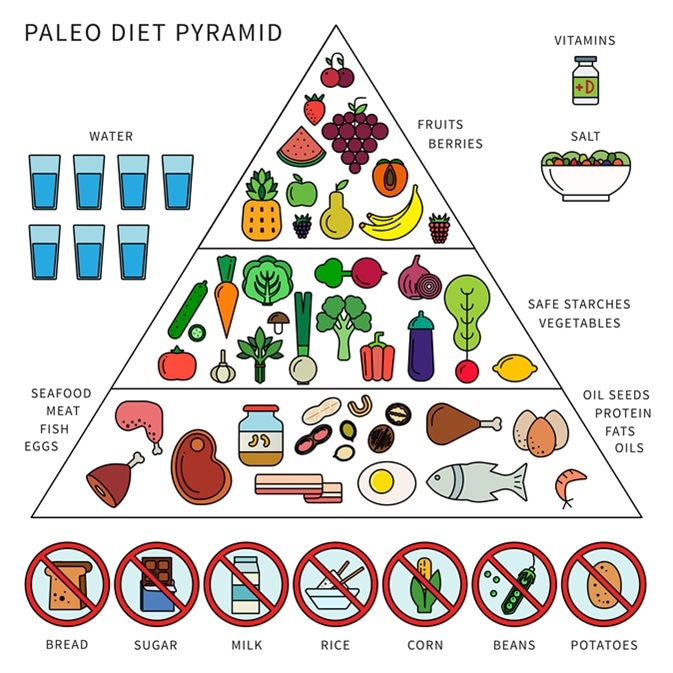
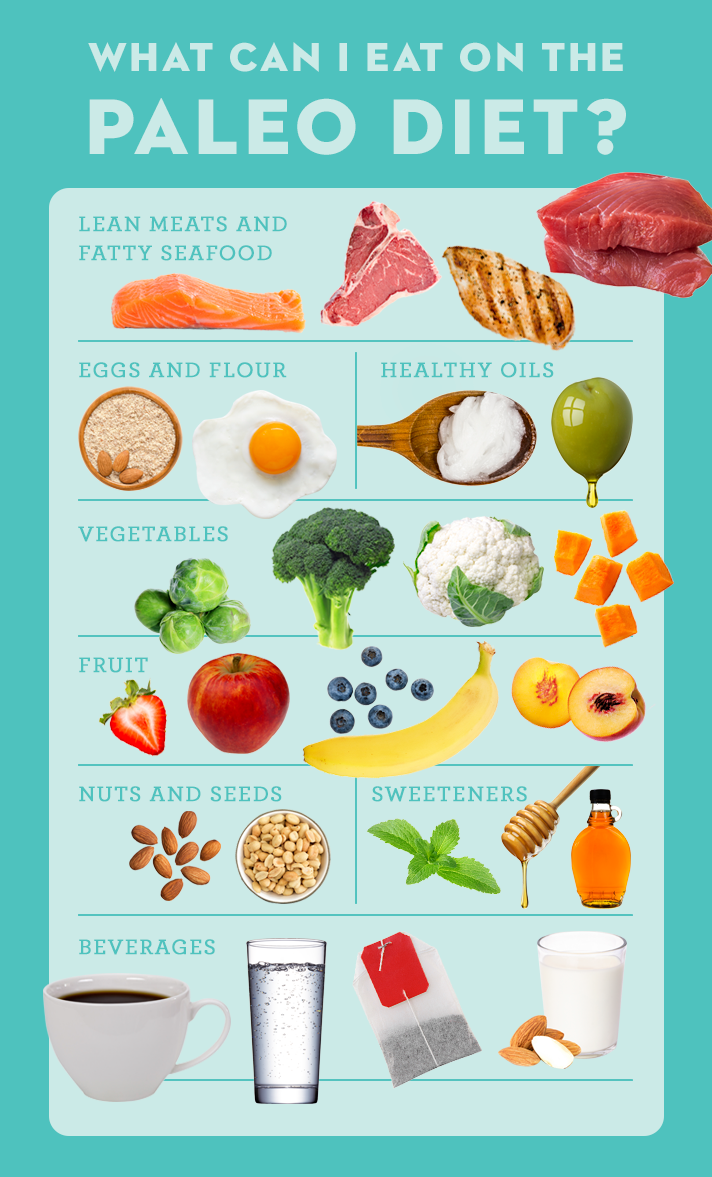
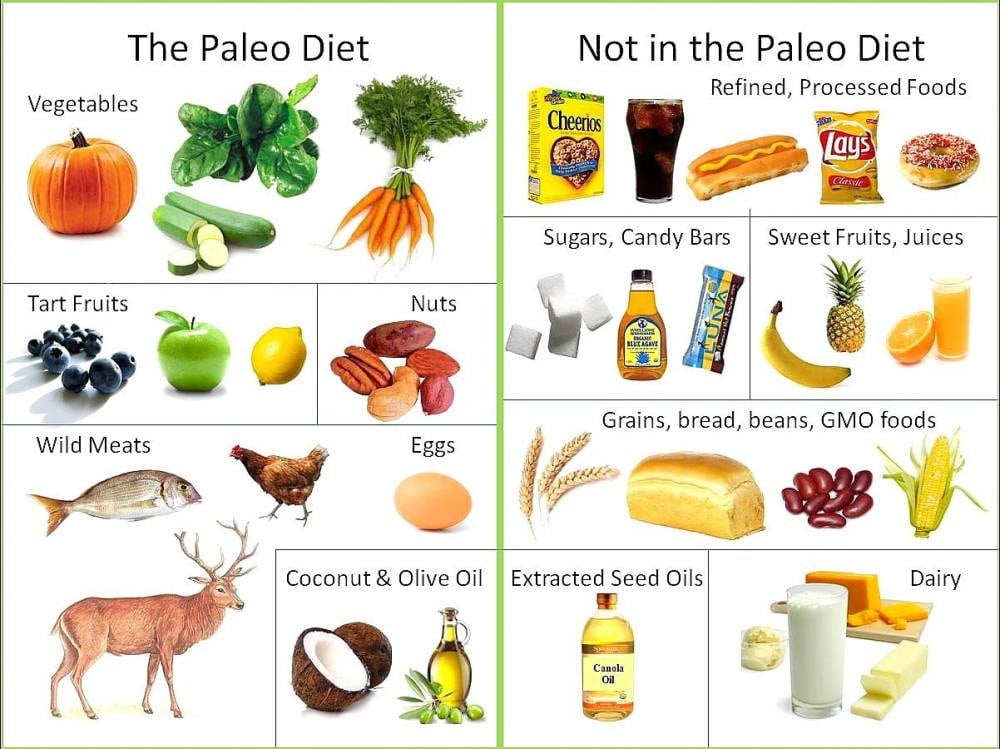
Exclusivity is a powerful driver of brand value. By defining what is not Paleo (grains, legumes, dairy), the brand creates clear boundaries. These boundaries foster a “we vs. they” mentality, which strengthens the bond between the consumer and the brand. In marketing terms, this is known as “gatekeeping as a service.” By adhering to the strict tenets of the Paleo brand, consumers feel they have achieved a level of discipline and knowledge that sets them apart from the average consumer, creating a high degree of brand loyalty.
Strategic Differentiation in a Crowded Wellness Market
The wellness industry is one of the most crowded sectors in the global economy. For a brand to survive, it must have clear differentiation. The Paleo brand has maintained its position by refusing to compete on price or convenience, choosing instead to compete on “purity” and “logic.”
Positioning Against the Industrial Food Complex
The Paleo brand identity is inherently rebellious. It positions itself as an outsider to the traditional “Big Food” and pharmaceutical industries. This “Challenger Brand” status is highly appealing to modern consumers who are increasingly skeptical of corporate institutionalism. By framing the consumption of grass-fed beef and organic vegetables as a subversive act against a broken system, the Paleo brand captures a sense of agency and empowerment that most brands can only dream of.
The Simplification Strategy: Why Less is More for Brand Clarity
While many dietary brands get bogged down in calorie counting or complex macro-nutrient ratios, the Paleo brand consists of a simple “Yes/No” framework. This simplicity is a strategic asset. In a world of decision fatigue, the Paleo brand offers a clear cognitive shortcut. If a caveman didn’t recognize it, it’s not Paleo. This radical simplification makes the brand accessible to the masses while maintaining an air of intellectual rigor, allowing it to scale across different demographics—from elite athletes to busy parents.
Monetizing the Movement: The Transition from Diet to Diversified Brand Ecosystem
What began as a set of dietary guidelines has evolved into a comprehensive lifestyle brand. The “Paleo” label is now a certification of quality that spans multiple industries, from snack foods to skincare and even footwear.
Licensing and the “Certified Paleo” Seal of Approval
One of the most significant developments in the brand’s history is the emergence of third-party certification bodies. Similar to “Organic” or “Non-GMO” labels, “Certified Paleo” has become a valuable intellectual property asset. Companies pay significant sums to display this logo on their packaging. This “seal of approval” reduces friction in the buyer’s journey, acting as a shortcut for trust. It turns the Paleo brand into a regulatory force within the health-food sector, providing a steady stream of revenue through licensing and accreditation.
Content Marketing as a Growth Engine
The Paleo brand is essentially a content-first enterprise. From best-selling books like The Paleo Diet by Loren Cordain to massive digital platforms like Mark’s Daily Apple, the brand is sustained by a continuous flow of educational and aspirational content. This strategy ensures that the brand remains top-of-mind. By providing high-value information (recipes, workout plans, scientific breakdowns), the brand builds a deep reservoir of “brand equity” that it can then monetize through physical products, seminars, and coaching programs.
The Sustainability of a Niche Brand in a Shifting Cultural Landscape
As new trends like Keto or Carnivore emerge, the Paleo brand has had to adapt to maintain its relevance. Its ability to evolve without losing its core identity is a testament to its robust brand architecture.
Managing Brand Evolution Without Losing the Core
Every long-standing brand faces the threat of “brand dilution.” For Paleo, this meant deciding whether to allow certain modern foods (like white rice or high-quality dairy) into the fold. The movement’s ability to pivot—often rebranding as “Primal” or “Paleo-ish”—shows a sophisticated understanding of market flexibility. By allowing the brand to breathe and adapt to new scientific findings or consumer preferences, its leaders have ensured that the brand identity remains a living, breathing entity rather than a static relic of the early 2000s.
Lessons in Resilience for Modern Corporate Identity
The Paleo brand consists of a rare mixture of scientific curiosity and lifestyle aspiration. It teaches modern brand strategists that people do not buy products; they buy better versions of themselves. The Paleo brand doesn’t just sell steak; it sells vitality, heritage, and a sense of belonging in a fragmented world. As we look toward the future of brand strategy, the Paleo model serves as a blueprint for how to build a lasting, resonant identity in an age of digital noise. It proves that by grounding a brand in a timeless human truth—in this case, our biological history—a company can create a category that defies the typical life cycle of a fad.
In conclusion, when we ask “what the Paleo brand consists of,” we are looking at a complex architecture of narrative storytelling, tribal psychology, and strategic market positioning. It is a brand that has successfully turned a biological hypothesis into a global lifestyle standard, proving that in the world of brand strategy, the most powerful stories are the ones that have been with us since the beginning of time.
aViewFromTheCave is a participant in the Amazon Services LLC Associates Program, an affiliate advertising program designed to provide a means for sites to earn advertising fees by advertising and linking to Amazon.com. Amazon, the Amazon logo, AmazonSupply, and the AmazonSupply logo are trademarks of Amazon.com, Inc. or its affiliates. As an Amazon Associate we earn affiliate commissions from qualifying purchases.