
The Engwe M20 electric bicycle has quickly garnered attention for its robust build, impressive off-road capabilities, and unique aesthetic. As with any personal mobility device, especially those geared towards a more active or adventurous user, understanding the specifications is crucial for customization, maintenance, and optimizing the riding experience. One of the most frequently asked questions by potential buyers and existing owners revolves around the handlebars: specifically, what size they are and what implications this has from a technological and functional standpoint. This article will delve into the technical aspects of Engwe M20 handlebars, exploring their dimensions, material properties, and the broader technological considerations for handlebar selection and compatibility within the e-bike ecosystem.
Understanding Handlebar Dimensions: The Technical Blueprint of Control
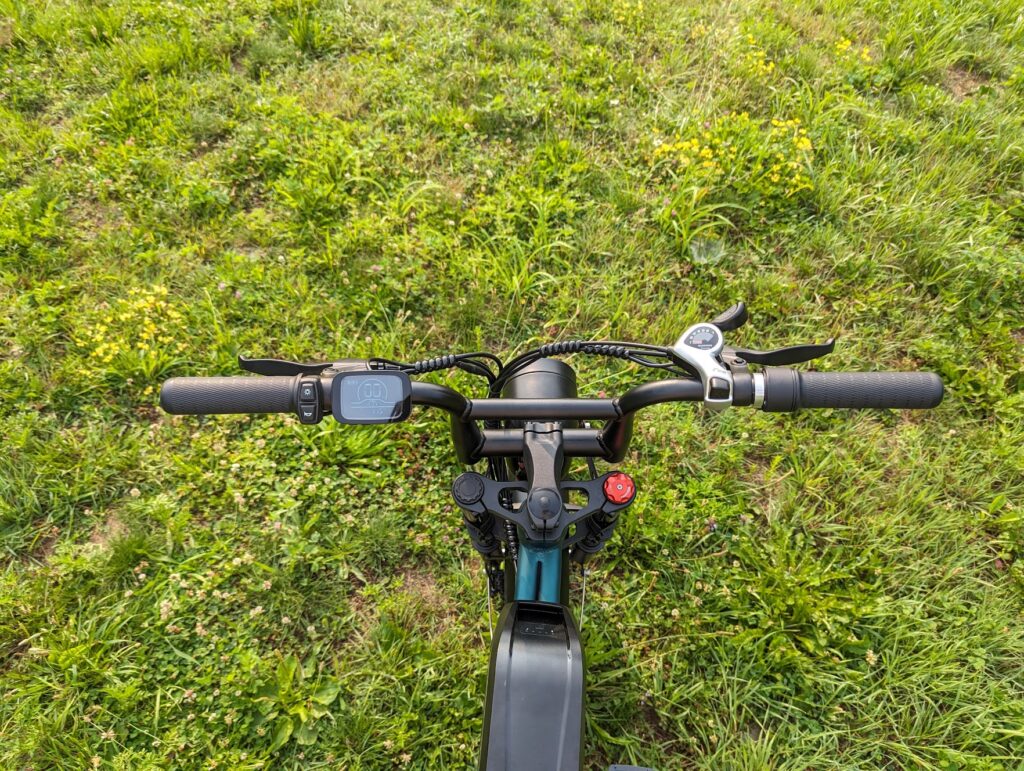
The “size” of handlebars can be interpreted in several ways, each carrying significant technological implications for the Engwe M20. It’s not simply about a single numerical value but a combination of measurements that dictate ergonomics, compatibility with accessories, and overall steering dynamics. For the Engwe M20, as with most modern bicycles, the key dimensions relate to clamping diameter and overall width.
Clamp Diameter: The Universal Interface
The most critical measurement concerning handlebar size from a technological perspective is the clamp diameter. This refers to the section of the handlebar that attaches to the stem. For the Engwe M20, like the vast majority of contemporary bicycles, this diameter is typically 31.8mm. This standardization is a deliberate technological choice within the cycling industry, ensuring a degree of interchangeability and compatibility between different components.
- Why 31.8mm is Standard: The 31.8mm clamp diameter emerged as a successor to older standards (like 25.4mm and 26.0mm) and the heavier 35mm standard. It strikes an optimal balance between strength, stiffness, and weight. A larger diameter generally increases stiffness, which can improve steering precision, especially under load or during aggressive riding maneuvers that the M20 is capable of. For an e-bike like the M20, which often carries more weight due to the battery and motor, a stiffer handlebar contributes to a more responsive and controlled ride. The increased stiffness helps to mitigate flex, preventing the handlebars from feeling “spongy” or imprecise during acceleration, braking, or navigating rough terrain.
- Stem Compatibility: The clamp diameter of the handlebar must precisely match the clamp diameter of the stem. Engwe likely uses a stem designed specifically for 31.8mm handlebars, and any replacement stem would need to adhere to this specification to ensure a secure and safe connection. A mismatch in diameter would create a dangerous void or an impossible fit, rendering the connection unstable and prone to failure. This standardization simplifies the aftermarket upgrade process, allowing users to choose from a wide array of stems that conform to this common standard.
- Accessory Mounting: The 31.8mm clamp diameter is also a widely adopted standard for mounting various accessories. This includes popular items like bike computers, GPS devices, action cameras, lights, and even phone mounts. Most accessory manufacturers design their clamping mechanisms to accommodate 31.8mm handlebars, recognizing this as the dominant standard. This means that owners of the Engwe M20 have a broad selection of accessories readily available that will fit without requiring specialized adapters, enhancing the e-bike’s functionality and user experience.
Handlebar Width: Ergonomics and Steering Geometry
Another crucial dimension is the overall width of the handlebars, typically measured from end to end. While the Engwe M20 may come with a specific width as standard, this is an area where user preference and the bike’s intended use can influence choice. The width of the handlebars significantly impacts steering leverage and rider posture.
- Steering Leverage and Stability: Wider handlebars provide more leverage, meaning less effort is required to steer the bike. This can be particularly beneficial on the M20, which, with its fat tires and often more upright riding position, can benefit from the increased control offered by wider bars. Wider bars contribute to greater stability at speed and when navigating obstacles, as they allow for subtle adjustments to maintain balance. For off-road riding, where quick and precise steering inputs are essential, a wider handlebar can translate to more agile handling.
- Rider Posture and Comfort: Handlebar width is intrinsically linked to rider posture and comfort. A wider stance can promote a more open chest and relaxed shoulders, which can reduce fatigue on longer rides. Conversely, narrower bars might encourage a more aggressive, leaned-forward position, which could be less suitable for the casual or commuting use case for which the M20 is also designed. The “correct” width is subjective and depends on the rider’s shoulder width, flexibility, and riding style.
- Interplay with Stem Length: Handlebar width works in conjunction with stem length to fine-tune the rider’s position. A shorter stem paired with wider handlebars will result in a more upright and relaxed posture, while a longer stem with narrower handlebars will encourage a more stretched-out, aerodynamic position. Engwe’s choice of handlebar width for the M20 is a deliberate design decision aimed at achieving a specific balance of comfort, control, and stability suited to its fat-tire, all-terrain profile. For users considering aftermarket handlebars, understanding this interplay is vital for making an informed upgrade that enhances their riding experience without compromising the bike’s inherent characteristics.
Material Science and Construction: The Engineering Behind the Handlebar
Beyond mere dimensions, the material and construction of the Engwe M20’s handlebars play a vital role in their performance, durability, and technological integration within the e-bike system. These aspects directly influence ride feel, safety, and longevity.
Aluminum Alloy: The Dominant Choice
The vast majority of modern bicycle handlebars, including those found on the Engwe M20, are constructed from aluminum alloy. This material offers a compelling combination of properties that make it ideal for this application.
- Strength-to-Weight Ratio: Aluminum alloys, such as 6061 or 7050 series, provide excellent strength while remaining relatively lightweight. This is crucial for an e-bike, where minimizing weight is always a consideration, even with the added components of an electric system. A lighter handlebar can contribute to a more agile feel and reduce the overall mass the rider needs to propel.
- Corrosion Resistance: Aluminum alloys are inherently resistant to rust and corrosion, making them suitable for exposure to the elements. This is a significant advantage for an e-bike that might be used in various weather conditions, from damp urban environments to dusty trails. Proper finishing, such as anodizing or powder coating, further enhances this resistance and provides aesthetic appeal.
- Vibration Damping: While carbon fiber is often lauded for its vibration-damping properties, aluminum alloys also offer a degree of shock absorption. This can contribute to a more comfortable ride by reducing the transmission of road vibrations and impacts through the handlebars to the rider’s hands and arms. The specific alloy composition and the handlebar’s internal design (e.g., butting, where the tube thickness varies along its length) can be engineered to optimize these characteristics.
- Cost-Effectiveness: Compared to higher-end materials like carbon fiber, aluminum alloy offers a significantly more cost-effective solution. This is often a key factor for manufacturers like Engwe, who aim to provide a balance of performance and value to their customers. For consumers, this means that replacements or aftermarket upgrades made of aluminum are generally more affordable.
Construction Techniques: Shaping Performance
The manufacturing process for aluminum handlebars is also technologically significant.

- T6 Heat Treatment: Most aluminum bicycle components undergo T6 heat treatment. This process involves solution heat treating followed by artificial aging, which significantly increases the alloy’s strength and hardness. This ensures the handlebar can withstand the stresses of riding, braking, and potential impacts.
- Hydroforming: While not universally applied to all aluminum handlebars, hydroforming is a technique where a mold is filled with high-pressure water, shaping the metal tube. This allows for complex geometries that can optimize strength, stiffness, and ergonomics, potentially leading to a more refined and performance-oriented handlebar design.
- Double Butting: Many performance-oriented aluminum handlebars employ double butting. This means the ends of the handlebar (where it clamps into the stem and where grips are attached) are thicker for strength, while the middle section is thinner to save weight. This engineering trick allows for a strong yet lightweight component, a hallmark of good bicycle component design.
Ergonomics and Rider Interface: The Human-Technology Connection
The handlebars are the primary point of contact between the rider and the Engwe M20. Their design and size are therefore critical for the user interface, influencing comfort, control, and overall riding experience.
Grip Diameter and Shape: Fine-Tuning the Interface
While the main clamp diameter and overall width are standard measurements, the diameter of the gripping area and the sweep or rise of the handlebars are also crucial ergonomic considerations.
- Grip Diameter: The diameter where the rider’s hands will be placed is typically designed to accommodate standard bicycle grips. These grips themselves are often made of rubber or silicone and come in various diameters, allowing riders to fine-tune their hand feel and comfort. While the handlebar’s core diameter is fixed, the grip material adds a layer of adjustability to the interface. A slightly larger grip diameter can sometimes alleviate hand numbness and fatigue on longer rides.
- Sweep and Rise: Handlebars can feature different degrees of backsweep (angling backward towards the rider) and upsweep (angling upward). The Engwe M20 likely features a moderate amount of both to promote a comfortable, upright riding position suitable for its intended use. Backsweep brings the controls closer to the rider and can feel more natural for the wrists, while upsweep can increase standover height and alter the rider’s angle. These are subtle design choices that significantly impact perceived comfort and control, aligning the “human” element with the machine’s “technology.”
Accessory Integration and Bar End Options
The handlebar is a platform for more than just steering; it’s a hub for technological integration.
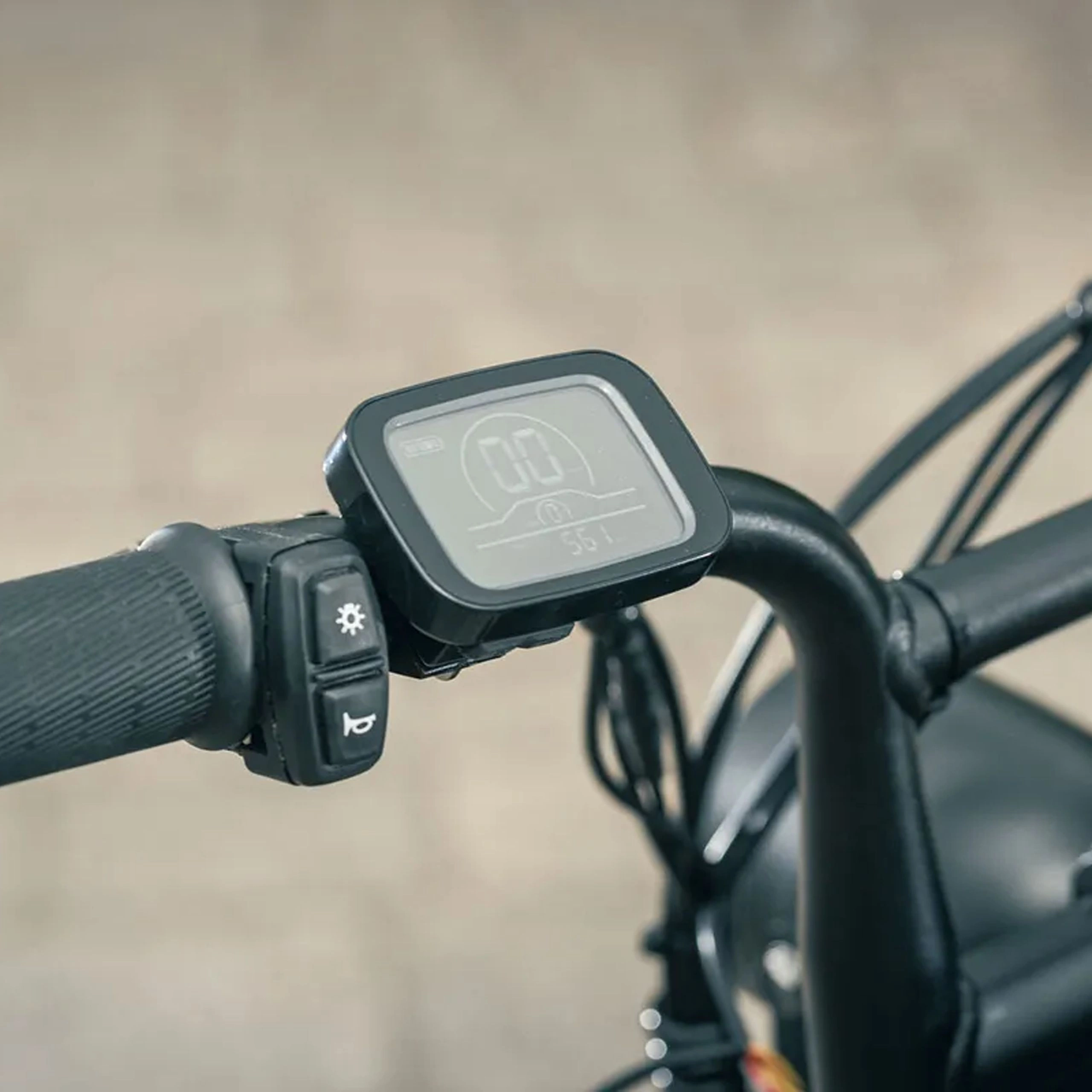
- Accessory Mounting Points: As mentioned, the standard 31.8mm clamp diameter facilitates the easy attachment of a wide array of electronic accessories. This includes powerful LED lights for night riding, GPS units for navigation, and smartphone mounts for connectivity and app usage. The design of the handlebars may also include specific areas or tapers that are more conducive to securely clamping these devices.
- Bar End Compatibility: Some handlebars are designed to accept bar ends, which are extensions that can be fitted to either end of the handlebar. While less common on modern e-bikes like the M20, if the handlebar design allows, bar ends can offer alternative hand positions, which can relieve pressure on the wrists and hands during extended rides. This adds another layer of customization and ergonomic adjustment, further enhancing the rider’s interface with the bike’s technology.
Future-Proofing and Customization: The Evolving Handlebar Landscape
The standardization of handlebar sizes like the 31.8mm clamp diameter is a testament to the technological evolution within the cycling industry. It ensures that the Engwe M20, while a specific model, benefits from a broader ecosystem of compatible components and accessories, allowing for a personalized and adaptable riding experience.
Upgrade Paths and Aftermarket Choices
For Engwe M20 owners looking to personalize their ride, the standard handlebar specifications open up a world of possibilities.
- Replacing Handlebars for Ergonomics: If the stock handlebars don’t perfectly suit a rider’s physique or riding style, they can be replaced with aftermarket options offering different widths, rises, and sweeps. This is a relatively straightforward upgrade that can significantly impact comfort and control. For instance, a rider experiencing wrist pain might opt for handlebars with more backsweep, while someone seeking a more aggressive stance might choose wider, flatter bars.
- Upgrading the Stem: The stem is the component that connects the handlebar to the steerer tube of the fork. By changing the stem, riders can alter their reach and handlebar height. A shorter stem with a higher rise can bring the handlebars closer and higher, promoting a more upright posture. Conversely, a longer, lower-rise stem can stretch the rider out for a more aerodynamic position. The crucial element here is ensuring the new stem’s clamp diameter matches the existing (or chosen replacement) handlebar diameter.
Technological Advancements in Handlebar Design
While aluminum remains a dominant material, the technology of handlebar design is continuously evolving.
- Carbon Fiber Advancements: While likely not standard on the Engwe M20, carbon fiber handlebars offer an even higher strength-to-weight ratio and superior vibration damping. As manufacturing techniques improve and costs decrease, carbon fiber handlebars might become a viable upgrade option for some M20 riders seeking ultimate performance and comfort, albeit at a higher price point.
- Integrated Designs: Some high-end bicycles feature integrated handlebar-stem systems. These are complex, single-piece units that optimize aerodynamics and stiffness but are highly specific and not easily interchangeable. For a model like the Engwe M20, the modularity offered by separate handlebars and stems provides greater flexibility and repairability.
In conclusion, understanding the “size” of the Engwe M20’s handlebars involves a deep dive into their technical specifications, material science, and ergonomic design principles. The prevalence of the 31.8mm clamp diameter ensures broad compatibility, while handlebar width and sweep are key determinants of rider comfort and control. By appreciating these technological facets, Engwe M20 owners can better maintain, customize, and optimize their e-bike for a superior riding experience.
aViewFromTheCave is a participant in the Amazon Services LLC Associates Program, an affiliate advertising program designed to provide a means for sites to earn advertising fees by advertising and linking to Amazon.com. Amazon, the Amazon logo, AmazonSupply, and the AmazonSupply logo are trademarks of Amazon.com, Inc. or its affiliates. As an Amazon Associate we earn affiliate commissions from qualifying purchases.