
The “flu,” or influenza, is a term we hear tossed around every year as the weather chills and coughs become more common. But what exactly is flu disease, and why does it warrant such widespread attention? While often confused with the common cold, influenza is a distinct respiratory illness caused by specific viruses that can range in severity from mild to life-threatening. Understanding the nuances of flu disease is crucial for protecting ourselves, our families, and our communities. This article will delve into the nature of the flu, exploring its causes, transmission, and the impact it can have, all through the lens of how we approach challenges in technology, brand management, and financial understanding.
The Science Behind the Sickness: Understanding Influenza Viruses
At its core, flu disease is an infection caused by influenza viruses. These viruses are RNA viruses belonging to the Orthomyxoviridae family. There are four main types of influenza viruses: A, B, C, and D. However, only types A and B are responsible for the seasonal epidemics that affect humans. Type C infections typically cause mild respiratory illness, and Type D primarily affects cattle and is not known to infect humans.
Influenza A viruses are further categorized into subtypes based on two surface proteins: hemagglutinin (H) and neuraminidase (N). For example, H1N1 and H3N2 are subtypes of influenza A that have caused significant human outbreaks. The constant genetic “rearrangement” or mutation of these surface proteins is a key characteristic of influenza viruses. This is where the concept of antigenic drift and antigenic shift comes into play, and it’s a phenomenon that parallels how rapidly evolving technologies necessitate continuous updates and adaptations.
Antigenic Drift: The Slow and Steady Evolution
Think of antigenic drift like minor software updates. These are small, gradual changes in the genes of influenza viruses that happen constantly due to errors in viral replication. Over time, these small changes accumulate, leading to viruses that are antigenically different from those that circulated previously. This is why the influenza viruses circulating in a given year are often slightly different from those that circulated the year before.
From a technological perspective, this is akin to how a smartphone operating system receives incremental updates. These updates might improve performance, fix minor bugs, or introduce small new features. While these changes are not revolutionary, they are essential for maintaining the software’s effectiveness against emerging threats or simply to improve user experience. Similarly, antigenic drift means that the immunity we gain from previous infections or vaccinations may not be as effective against the slightly altered strains circulating each flu season. This is a primary reason why annual flu vaccinations are recommended; they are designed to target the strains predicted to be most prevalent based on surveillance of these accumulating genetic changes.
Antigenic Shift: The Major Evolutionary Leap
In contrast, antigenic shift is a more dramatic event, comparable to a complete overhaul of a technological platform or a fundamental change in brand identity. Antigenic shift is a major change in the influenza A virus that occurs infrequently. It happens when a new influenza A virus emerges that is so different from existing human strains that most people have no immunity to it.
This phenomenon typically occurs when influenza viruses from animals (like birds or pigs) swap genetic material with human influenza viruses. The resulting reassortant virus can then infect humans and spread easily from person to person, potentially causing a pandemic. The 2009 H1N1 pandemic is a prime example of this. The virus was a novel reassortant of swine, avian, and human influenza viruses, leading to widespread illness because populations had little to no pre-existing immunity.
In the world of branding, an antigenic shift would be like a company deciding to completely rebrand, adopting a new logo, a new mission statement, and targeting an entirely different market segment. It’s a radical departure that requires significant adaptation from both the brand and its audience. Similarly, an antigenic shift in flu viruses demands a rapid and widespread public health response, as the potential for severe illness and mortality is significantly higher.
How Flu Disease Spreads: The Chain of Transmission
Understanding how influenza spreads is critical for implementing effective prevention strategies. Flu is a highly contagious respiratory illness, and its transmission relies on a chain of events that can be interrupted with proper precautions.
The primary mode of transmission is through respiratory droplets produced when an infected person coughs, sneezes, or talks. These droplets can be inhaled by people nearby. Imagine this like a viral “broadcast” reaching its audience. The closer you are to the source, the higher your chances of receiving the signal, or in this case, the virus.

Another important route of transmission is through contact with contaminated surfaces. If an infected person touches their mouth, nose, or eyes after coughing or sneezing, they can transfer the virus to surfaces like doorknobs, phones, or keyboards. If another person then touches these contaminated surfaces and subsequently touches their own eyes, nose, or mouth, they can become infected. This is analogous to malware spreading through infected email attachments or compromised websites. Just as digital security measures are in place to prevent unauthorized access and data breaches, personal hygiene practices like frequent handwashing are our primary defense against this type of viral transmission.
The period of infectiousness is also a key factor. People with flu are typically most contagious during the first 3-4 days after becoming sick, but some can spread the virus for up to 24 hours before showing symptoms and as long as 5-7 days after becoming ill. This “pre-symptomatic” and prolonged shedding period highlights the challenge in containing outbreaks, similar to how advanced persistent threats (APTs) in cybersecurity can operate undetected for extended periods.
The Impact of Flu Disease: From Personal Discomfort to Societal Strain
The consequences of flu disease extend far beyond a few days of feeling unwell. While many individuals experience mild to moderate symptoms and recover within a week or two, the flu can lead to serious complications, particularly for certain high-risk groups.
Symptoms and Severity: A Spectrum of Illness
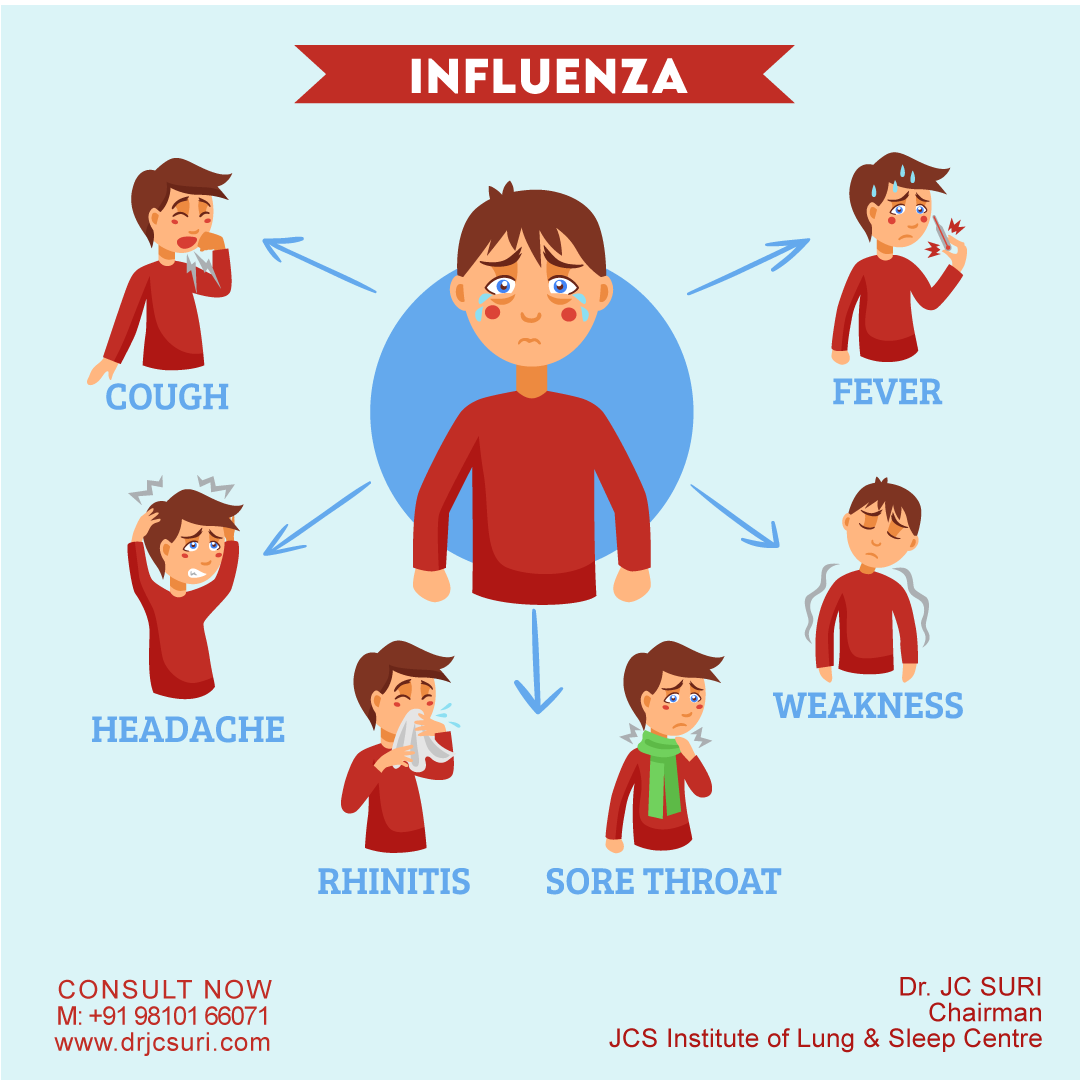
Common flu symptoms include:
- Fever or feeling feverish/chills (though not everyone with flu will have a fever)
- Cough
- Sore throat
- Runny or stuffy nose
- Muscle or body aches
- Headaches
- Fatigue (tiredness)
- Vomiting and diarrhea (more common in children than adults)
The severity of these symptoms can vary greatly. For some, it’s a matter of being sidelined for a few days, impacting their productivity and personal life. This is akin to a minor software glitch that causes temporary inconvenience but doesn’t cripple the entire system. However, for others, the flu can escalate to more severe outcomes.
Complications and High-Risk Groups: Where Financial and Health Investments Matter
The flu can lead to serious complications such as pneumonia, bronchitis, sinus infections, and ear infections. For individuals with chronic health conditions, such as asthma, diabetes, or heart disease, influenza infection can worsen these underlying conditions, leading to hospitalization and even death. This highlights the importance of proactive health management and investment, mirroring how prudent financial planning helps individuals weather unforeseen economic downturns.
High-risk groups for developing serious flu complications include:
- Children younger than 5 years old
- Adults 65 years and older
- People with certain chronic medical conditions (like lung disease, heart disease, diabetes, kidney disease, liver disease, or neurological conditions)
- Pregnant women and women up to two weeks postpartum
- People with weakened immune systems (due to conditions like HIV/AIDS or cancer, or due to medications like chemotherapy or steroids)
- People who are very overweight
Recognizing these vulnerabilities underscores the need for robust public health infrastructure and accessible healthcare, akin to the importance of a strong financial safety net. Investing in preventative measures like flu vaccination and maintaining good hygiene are far more cost-effective and beneficial than dealing with the extensive medical and economic ramifications of widespread severe illness.

Economic and Societal Burden: The Ripple Effect
Beyond individual health, the flu imposes a significant economic and societal burden. When large numbers of people are sick, productivity plummets. Businesses experience lost workdays, reduced output, and increased healthcare costs. Schools may close, disrupting education and childcare. The healthcare system can become overwhelmed, impacting its ability to care for all patients, not just those with the flu. This interconnectedness is similar to how a disruption in one sector of the global market – say, a supply chain issue in tech – can have far-reaching economic consequences across various industries.
Understanding the flu, therefore, is not just about recognizing symptoms. It’s about appreciating the complex interplay of virology, transmission dynamics, and public health. By embracing the principles of continuous adaptation (like in tech), strategic communication and branding (to promote awareness), and informed financial planning (for personal and public health investments), we can better navigate the annual challenge of influenza disease and build more resilient communities.
aViewFromTheCave is a participant in the Amazon Services LLC Associates Program, an affiliate advertising program designed to provide a means for sites to earn advertising fees by advertising and linking to Amazon.com. Amazon, the Amazon logo, AmazonSupply, and the AmazonSupply logo are trademarks of Amazon.com, Inc. or its affiliates. As an Amazon Associate we earn affiliate commissions from qualifying purchases.