
The seemingly straightforward question, “what size are large condoms?”, opens a fascinating window into the intricate world of brand strategy, product design, and consumer psychology. Far from being a simple measurement query, it highlights the challenges and opportunities for brands in catering to diverse body types, managing perceptions, and effectively communicating product benefits. In a market where fit directly impacts both efficacy and user experience, understanding how brands define, market, and innovate around sizing is crucial for fostering trust, ensuring safety, and building lasting customer relationships.
For consumers, the term “large” often implies a standardized measurement, yet in practice, condom brands employ varying criteria, leading to a sometimes bewildering array of options. This discrepancy isn’t merely an arbitrary choice; it’s a calculated decision rooted in market analysis, manufacturing capabilities, and branding objectives. By dissecting the approaches brands take to define and present their “large” offerings, we can uncover deeper insights into the strategic imperatives driving product development in intimate health categories.

The Nuance of “Large”: Why Standard Sizes Aren’t Universal
One of the primary challenges for both consumers and brands in the condom market is the absence of a globally enforced, universally accepted standard for what constitutes “large.” While ISO standards provide guidelines for nominal width, length, and thickness, the interpretation and application of these standards by individual brands can vary significantly, creating a landscape where a “large” from one manufacturer might feel very different from another.
Brand Definitions and Industry Benchmarks
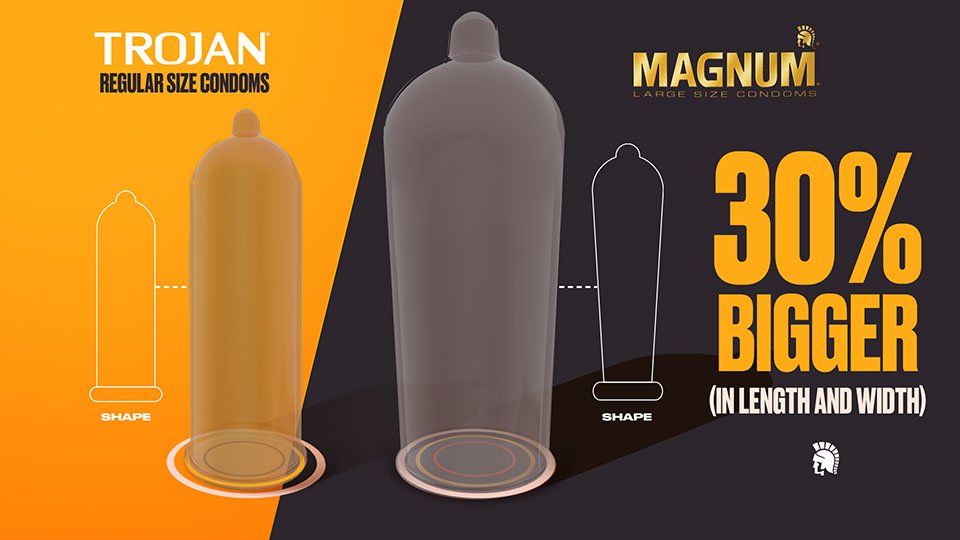
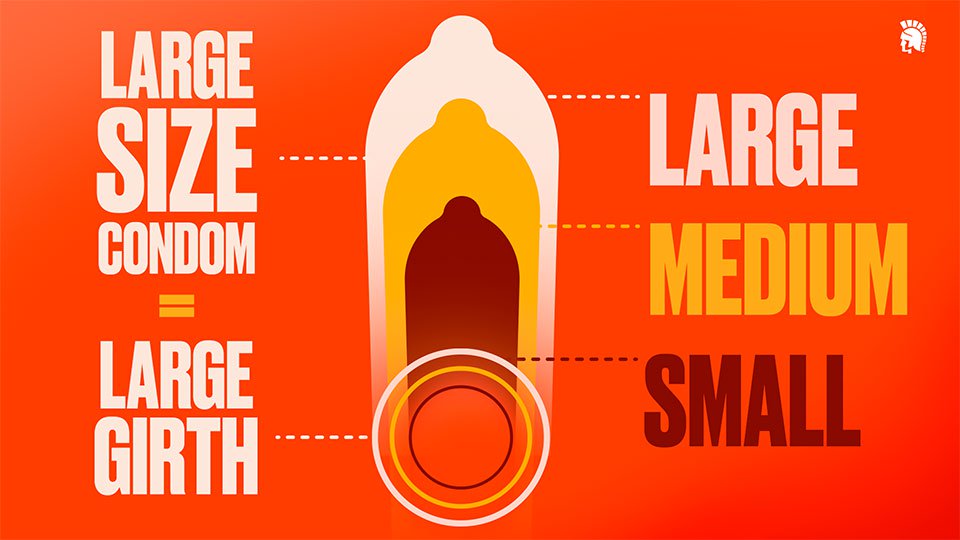
Brands typically define their “large” sizes based on a combination of factors, including average market data, internal user testing, and a desire to differentiate from competitors. The nominal width, measured when the condom is flattened, is the most critical dimension for fit. Standard condoms generally have a nominal width of 52-54mm. “Large” condoms often start around 54mm and can extend up to 57mm or even wider for “extra large” or “magnum” variants. Length can also vary, typically from 180mm upwards.
However, these numbers alone don’t tell the full story. A brand’s decision to label a 54mm condom as “large” might stem from a desire to make it accessible to a wider audience, positioning it as a comfortably spacious option for those who find standard sizes constrictive. Other brands might reserve the “large” designation for widths of 56mm or higher, aiming for a more niche market that truly requires a significantly wider fit. This strategic choice influences how consumers perceive the brand – as broadly inclusive or as a specialist in specific needs. The material elasticity, shape (e.g., straight-walled vs. flared), and even the reservoir tip design can further impact the perceived fit, adding layers of complexity to the brand’s sizing narrative.
The Imperative of User-Centric Design
Beyond the technical specifications, the most successful brands understand that “large” isn’t just a measurement; it’s an experience. User-centric design principles dictate that a condom must not only fit securely to prevent slippage or breakage but also feel comfortable and enhance pleasure. A condom that is too tight can cause discomfort, reduce sensitivity, and increase the risk of tearing. One that is too loose can slip off. Therefore, brands investing in the “large” segment are often conducting extensive research and development to optimize not just width, but also material stretch, lubrication, and shape to deliver a superior user experience.
This commitment to user-centric design becomes a key differentiator. Brands that meticulously test and refine their “large” offerings, gathering feedback from diverse user groups, are better positioned to build trust and loyalty. They recognize that a truly effective “large” condom addresses not just a physical need but also the psychological comfort and confidence of the user, directly impacting brand perception as caring, reliable, and innovative.
Marketing “Large”: Communicating Comfort and Confidence
How a brand communicates its “large” offerings is as critical as the product’s actual dimensions. The language used, the imagery deployed, and the educational resources provided all contribute to shaping consumer perception and guiding purchasing decisions. Effective marketing for “large” condoms transcends mere sizing charts; it aims to build confidence, reduce stigma, and position the product as a solution to a common, yet often unaddressed, need.
Language and Perception in Product Labeling
The terminology surrounding “large” condoms can be sensitive. While terms like “large,” “XL,” or “magnum” are common, brands carefully select these labels to convey the intended message without alienating or embarrassing consumers. Some brands opt for more discreet descriptors or focus on benefits like “enhanced comfort” or “spacious fit” rather than solely on size. The goal is to normalize the need for different sizes and empower consumers to choose what works best for them, rather than making them feel an outlier.
The packaging design also plays a crucial role. Brands might use color coding, clear size indicators, or illustrative graphics to help consumers quickly identify the right product. The tone of voice in product descriptions and advertising matters immensely; it needs to be reassuring, inclusive, and professional, reinforcing the brand’s commitment to sexual health and well-being for all body types. A brand that gets this right not only sells a product but also cultivates a sense of understanding and acceptance among its target demographic.
Bridging the Gap: Education and Brand Responsibility
Given the variations in sizing across brands and the potential for consumer confusion, educational initiatives are a vital component of a successful branding strategy for “large” condoms. Responsible brands take on the role of educators, providing clear guidance on how to measure for condom size, explaining the differences between their various offerings, and debunking common myths. This might involve creating online sizing guides, informational articles, or interactive tools that help consumers determine their ideal fit.
By investing in consumer education, brands demonstrate a commitment beyond just sales. They position themselves as trusted authorities in sexual health, fostering a deeper connection with their audience. This proactive approach not only helps consumers make informed choices but also elevates the brand’s reputation as a responsible and empathetic entity, ultimately strengthening brand loyalty and market position.
Innovation in Sizing: Expanding Market Reach and User Experience
The intimate health sector, like many others, benefits from continuous innovation. For brands in the condom industry, innovation in sizing is not just about offering more options but about leveraging technology and consumer insights to create genuinely better products and a more seamless user journey.
Customization and Personalized Solutions
While truly custom-made condoms are still largely conceptual, brands are exploring ways to offer more personalized sizing guidance. This could involve leveraging digital platforms where users input measurements to receive tailored recommendations from a brand’s product line. The advent of 3D scanning technologies and advanced manufacturing processes hints at a future where individualized fit becomes more feasible, allowing brands to cater to an even wider spectrum of anatomical variations. Early adopters of such approaches could gain a significant competitive advantage, positioning themselves as pioneers in personalized intimate health.
For now, personalization primarily comes through offering a comprehensive range of sizes that cater to different dimensions, allowing consumers to find their “best fit” rather than a one-size-fits-all solution. Brands that expand their “large” range to include “medium-large,” “extra-large,” and even “XXL” options are demonstrating a commitment to true inclusivity and a deep understanding of consumer diversity.
The Role of Digital Tools in Sizing Guidance
The digital landscape offers powerful tools for brands to assist consumers with sizing. Interactive websites, mobile apps, and even AI-powered chatbots can provide discreet and accurate sizing recommendations. By guiding users through simple measurement steps and then mapping those measurements to their product lines, brands can dramatically reduce uncertainty and increase the likelihood of a correct purchase. This digital empowerment not only enhances the customer experience but also reduces returns and improves overall customer satisfaction, reinforcing the brand’s image as modern, helpful, and consumer-focused.
Moreover, these digital interactions provide valuable data to brands, informing future product development and marketing strategies. Understanding which sizes are most commonly searched for, which lead to repeat purchases, and where consumers encounter difficulties can help brands refine their offerings and communication for optimal market resonance.
Brand Reputation and Trust: The Impact of Thoughtful Sizing Strategies
In a market as sensitive as intimate health, brand reputation is paramount. A thoughtful and comprehensive sizing strategy directly contributes to building and maintaining trust with consumers, which is arguably a brand’s most valuable asset.
Fostering Inclusivity and Addressing Stigma
For many years, the lack of diverse condom sizes contributed to a sense of exclusion and even shame for individuals who didn’t fit the “standard.” Brands that actively address this by offering a wide range of sizes, particularly in the “large” category, send a powerful message of inclusivity. They acknowledge that body diversity is natural and that sexual health products should cater to everyone. This commitment helps to destigmatize the conversation around condom sizing and promotes a more open, healthier approach to sexual well-being.
By doing so, these brands not only expand their market share but also position themselves as socially responsible entities. This positive brand image resonates deeply with modern consumers who increasingly value companies that demonstrate ethical considerations and a commitment to diversity and inclusion.
Cultivating Brand Loyalty Through Fit and Function
Ultimately, a well-fitting condom is a functional condom. For “large” condom users, finding a brand that consistently delivers a comfortable, secure, and effective product can lead to immense brand loyalty. When a consumer finds a brand that truly understands and addresses their specific needs, they are likely to become repeat customers and advocates. This loyalty is built on trust – trust that the product will perform as expected, trust that the brand understands their body, and trust that the brand cares about their well-being.
Brands that prioritize precision in their “large” offerings, ensuring consistent quality and effective performance, cultivate a reputation for reliability. This reputation is a cornerstone of long-term success, insulating brands from competitive pressures and fostering a strong, engaged customer base.
The Future of Condom Sizing: Data-Driven Approaches and Evolving Standards
The landscape of condom sizing is not static. As consumer data becomes more accessible and manufacturing technologies advance, brands will continue to refine their approaches to “large” condoms, driven by both market demands and a commitment to public health.
Leveraging Analytics for Product Development
The future of condom sizing will increasingly be data-driven. Brands will leverage big data analytics to gain deeper insights into user preferences, anatomical variations across populations, and the performance of different sizes in real-world scenarios. This will enable more precise product development, allowing brands to introduce new “large” sizes that are finely tuned to meet specific segments of the population. By understanding statistical distributions of penile dimensions, brands can optimize their product lines to cover the vast majority of users with minimal gaps in fit.
Furthermore, brands can use sales data and customer feedback to identify underserved markets or areas where current “large” offerings might still be inadequate, leading to targeted innovation and product extensions.
Collaborative Industry Efforts for Global Standards
While individual brands innovate, there is also a growing recognition of the benefit of more collaborative industry efforts. Harmonizing sizing terminology and potentially even nominal width ranges across brands could significantly reduce consumer confusion and enhance product efficacy on a broader scale. While individual branding and differentiation will always exist, a stronger foundational industry standard for “large” could elevate the entire market. This might involve industry associations working together with public health organizations to promote clearer guidelines and educational campaigns, reinforcing the collective commitment to sexual health.
In conclusion, the question “what size are large condoms?” is a gateway to understanding the complex interplay of brand strategy, product design, marketing communication, and consumer trust. Brands that navigate this complexity with insight, empathy, and a commitment to innovation will not only capture a significant market segment but also solidify their reputation as responsible, reliable, and user-centric leaders in the intimate health space.
aViewFromTheCave is a participant in the Amazon Services LLC Associates Program, an affiliate advertising program designed to provide a means for sites to earn advertising fees by advertising and linking to Amazon.com. Amazon, the Amazon logo, AmazonSupply, and the AmazonSupply logo are trademarks of Amazon.com, Inc. or its affiliates. As an Amazon Associate we earn affiliate commissions from qualifying purchases.