
In an era of digital currencies and volatile stock markets, the allure of tangible assets remains a cornerstone of a diversified financial portfolio. Silver coins, in particular, represent a unique intersection of intrinsic commodity value and historical significance. For the modern investor or the casual collector, understanding which silver coins are truly worth money involves a deep dive into the realms of numismatics, precious metal spot prices, and market demand. While many people believe that any old coin might be a “gold mine,” the reality is that specific criteria determine whether a coin is worth its weight in silver or significantly more due to its rarity.

Navigating the silver market requires a strategic approach. It is not merely about finding “old” money; it is about identifying assets that provide a hedge against inflation and a potential for capital appreciation. This guide explores the foundational elements of silver coin valuation, the specific series that carry the highest premiums, and the market dynamics that influence their worth.
The Fundamentals of Silver Coin Valuation
To understand which silver coins are worth money, one must first distinguish between two primary types of value: intrinsic (melt) value and numismatic (collector) value. These two categories define the floor and the ceiling of a coin’s market price.
Intrinsic Value and the Silver Spot Price
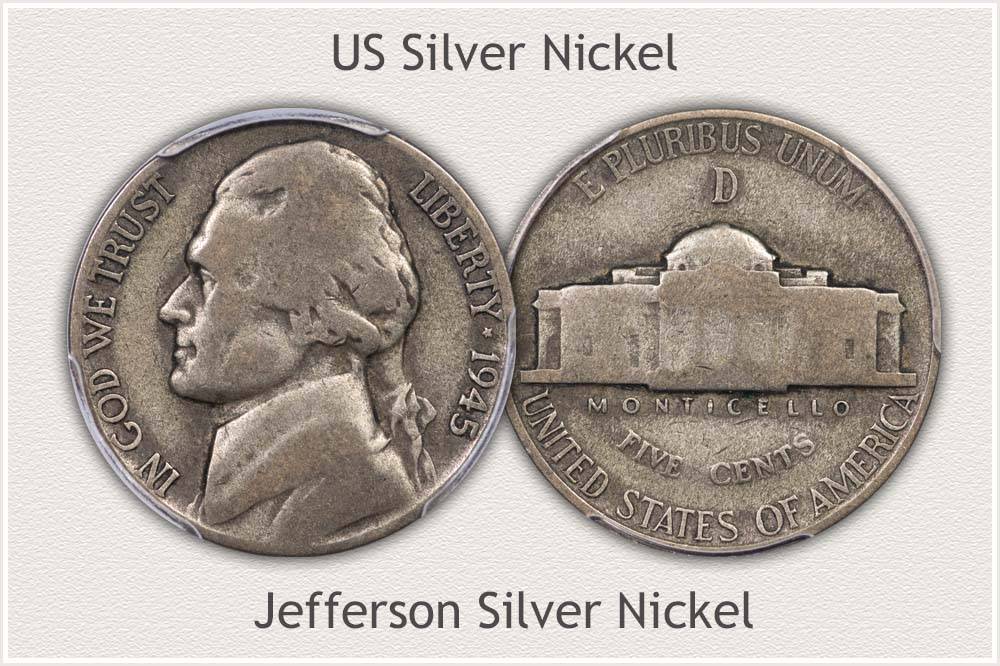
The intrinsic value, often referred to as the “melt value,” is the most basic measure of a silver coin’s worth. This is calculated by multiplying the coin’s actual silver content (ASW) by the current spot price of silver. For example, most United States dimes, quarters, and half dollars minted in 1964 or earlier are composed of 90% silver and 10% copper.
For investors, “junk silver”—a term used for circulated common-date silver coins—serves as an accessible entry point into precious metals. These coins are worth money primarily because of their metal content. When the spot price of silver rises, the value of these coins increases proportionally, regardless of their condition or historical interest. This makes them a favored asset for those looking to protect their wealth against currency devaluation.
Numismatic Value: Rarity and Demand
Numismatic value refers to the premium a collector is willing to pay above the silver melt value. This is driven by three main factors: rarity, condition, and demand. A coin might contain only five dollars worth of silver but be worth thousands of dollars because it is a “key date”—a specific year and mint mark with a very low survival rate.
The “mintage” is the number of coins originally produced, but the “survival rate” is what truly matters. Over decades, many coins were lost, worn down through circulation, or melted during periods of high silver prices (such as the Hunt Brothers’ silver corner in 1980). A coin that remains in pristine, uncirculated condition from an era where most were heavily used will always command a significant financial premium.
Top U.S. Silver Coins with Significant Investment Potential
The United States has a rich history of silver coinage, and certain series are particularly prized by investors and collectors alike. Identifying these coins is the first step in building a high-value collection.
Morgan and Peace Silver Dollars
Morgan Dollars (minted 1878–1904 and again in 1921) are perhaps the most iconic silver coins in American history. Composed of 90% silver, these large coins are highly liquid assets. While common dates in circulated condition are worth a modest premium over silver spot, key dates like the 1893-S or the 1889-CC can fetch tens or even hundreds of thousands of dollars at auction.
The Peace Dollar (1921–1935), introduced to commemorate the end of World War I, is another staple for silver investors. The 1921 high-relief version is particularly sought after. Because these coins contain nearly an ounce of silver (0.7734 oz of pure silver), they are a substantial store of value even before considering their historical appeal.
Pre-1965 “Junk Silver”
For those focused on the money-making potential of silver as a commodity, pre-1965 U.S. coinage is the gold standard. This includes:
- Mercury Dimes (1916–1945): These are favored for their beauty and recognizable design. The 1916-D is the “Holy Grail” of this series.
- Washington Quarters (1932–1964): Common-date silver quarters are excellent for “stacking” (accumulating bulk silver).
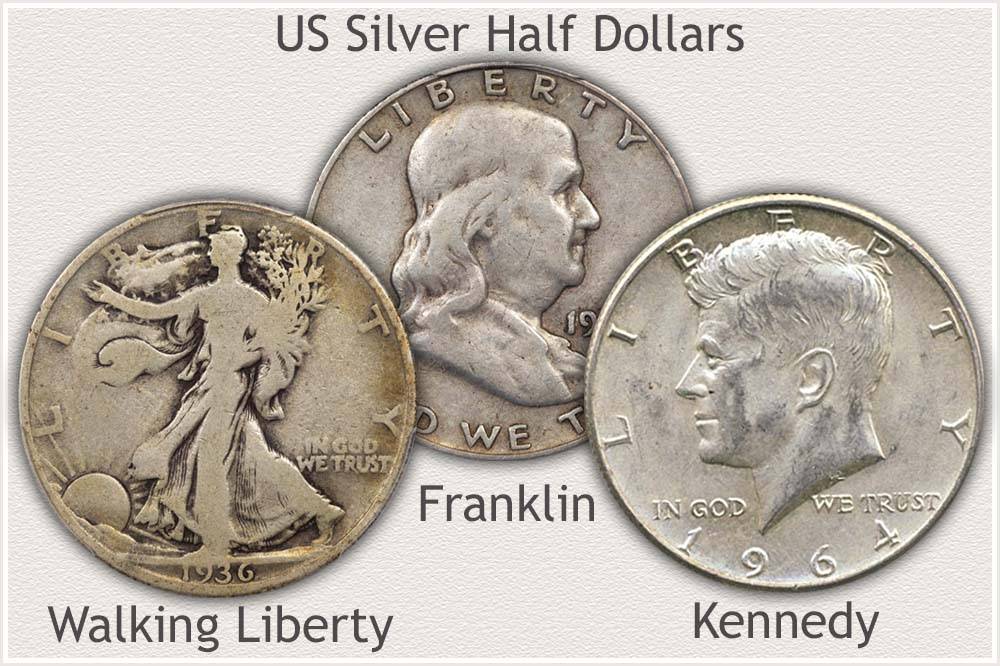
- Franklin and Walking Liberty Half Dollars: These coins are larger and often more desirable than quarters or dimes. The Walking Liberty design is so highly regarded that it was chosen for the modern American Silver Eagle bullion coin.
Modern American Silver Eagles
Since 1986, the U.S. Mint has produced the American Silver Eagle, the official investment-grade silver bullion coin of the United States. While these are “new” coins, they are worth money because they contain exactly one troy ounce of .999 fine silver. Their value is guaranteed by the U.S. government, making them highly liquid and easy to trade in global markets. Investors often buy these in “Monster Boxes” of 500 coins as a major play in precious metals.
Key Indicators of a High-Value Silver Coin
Identifying a coin is only half the battle; assessing its specific value requires an eye for detail. Professional investors look for specific indicators that separate a common coin from a high-value asset.
Professional Grading and the Sheldon Scale
In the world of high-stakes coin investing, “raw” coins are often viewed with skepticism. Professional grading services, such as PCGS (Professional Coin Grading Service) or NGC (Numismatic Guaranty Company), evaluate coins on a 70-point scale known as the Sheldon Scale.
A coin graded MS-70 (Mint State 70) is considered perfect, with no visible flaws even under magnification. The difference in price between an MS-63 and an MS-67 coin can be thousands of dollars. Investors looking for coins that are “worth money” in a significant sense should focus on certified, slabbed coins, as the plastic holder (the “slab”) guarantees the coin’s authenticity and grade.
Mint Marks and Errors
A small letter on a coin can change its value from $20 to $2,000. Mint marks indicate where a coin was produced (e.g., “S” for San Francisco, “CC” for Carson City, “D” for Denver, or “O” for New Orleans). Historically, the Carson City mint produced fewer coins, making “CC” Morgans some of the most valuable silver coins available.
Additionally, “error coins” are a niche but highly profitable area of silver investing. Doubled dies, off-center strikes, or “mules” (coins struck with mismatched dies) are rare mistakes that the U.S. Mint occasionally lets slip into circulation. Because these errors are rare, they are highly coveted by specialists and can command high prices.
Strategic Approaches to Purchasing and Liquidity
Investing in silver coins is a business decision that requires a strategy for both entry and exit. To ensure your silver coins are worth money when you are ready to sell, you must manage your acquisitions carefully.
Diversification: Bullion vs. Numismatics
A balanced silver portfolio often includes both bullion and numismatic coins. Bullion (like Silver Eagles) provides a direct link to the price of silver, while numismatic coins (like rare Morgan Dollars) offer protection against a flat silver market. If the price of silver drops, a rare coin may still retain or increase its value because of its historical scarcity. However, numismatic coins require more expertise and carry higher premiums, so they should represent a calculated portion of your total investment.
Understanding the “Bid-Ask” Spread
In the silver market, the “ask” is the price at which a dealer sells a coin, and the “bid” is the price at which they will buy it back. To make money on silver coins, you must account for this spread. Buying at a low premium over spot price is essential for bullion. For rare coins, the profit is made at the time of purchase by finding undervalued pieces or anticipating a rise in demand for a specific series.
Storage and Security
High-value silver coins must be protected to maintain their grade. Silver is prone to tarnishing (oxidation), which can affect the “eye appeal” and, consequently, the value. Storing coins in a cool, dry place inside PVC-free holders is vital. For large collections, investors often utilize professional vaults or safe deposit boxes to mitigate the risk of theft and environmental damage.
Risks and Considerations in the Silver Market
While silver coins are a proven store of value, the market is not without risks. Investors must be vigilant against counterfeits, which have become increasingly sophisticated. High-end fakes, often coming from overseas, can mimic the weight and appearance of silver. This reinforces the importance of buying from reputable dealers and sticking to professionally graded coins for high-value transactions.
Furthermore, the silver market is notoriously volatile. Unlike gold, which is primarily a monetary metal, silver has extensive industrial applications (electronics, solar panels, and medical equipment). This means its price is influenced by both investment demand and global industrial output. An investor must be prepared for price swings and approach silver coins with a long-term horizon.
Conclusion
Determining what silver coins are worth money is a multifaceted process that blends financial analysis with historical appreciation. Whether you are looking for the security of 90% “junk silver” as a hedge against inflation, or the high-growth potential of rare Morgan Dollars, silver remains one of the most versatile assets in the world of personal finance. By focusing on rarity, condition, and the intrinsic value of the metal, investors can build a tangible portfolio that stands the test of time, providing both aesthetic satisfaction and financial security. In the world of precious metals, the right silver coin is not just a piece of history; it is a strategic vehicle for wealth preservation and growth.
aViewFromTheCave is a participant in the Amazon Services LLC Associates Program, an affiliate advertising program designed to provide a means for sites to earn advertising fees by advertising and linking to Amazon.com. Amazon, the Amazon logo, AmazonSupply, and the AmazonSupply logo are trademarks of Amazon.com, Inc. or its affiliates. As an Amazon Associate we earn affiliate commissions from qualifying purchases.