
In the annals of medical history, few terms have carried as much weight, dread, and poetic sorrow as “consumption.” While modern audiences are quick to equate the term with the relentless acquisition of goods or the depletion of natural resources, for centuries, the word served as the primary moniker for a biological terror: tuberculosis. Understanding what consumption was—and how it shaped the evolution of healthcare, social policy, and the human experience—is essential for grasping the broader history of public health.
The Etymology and Clinical Reality of Consumption
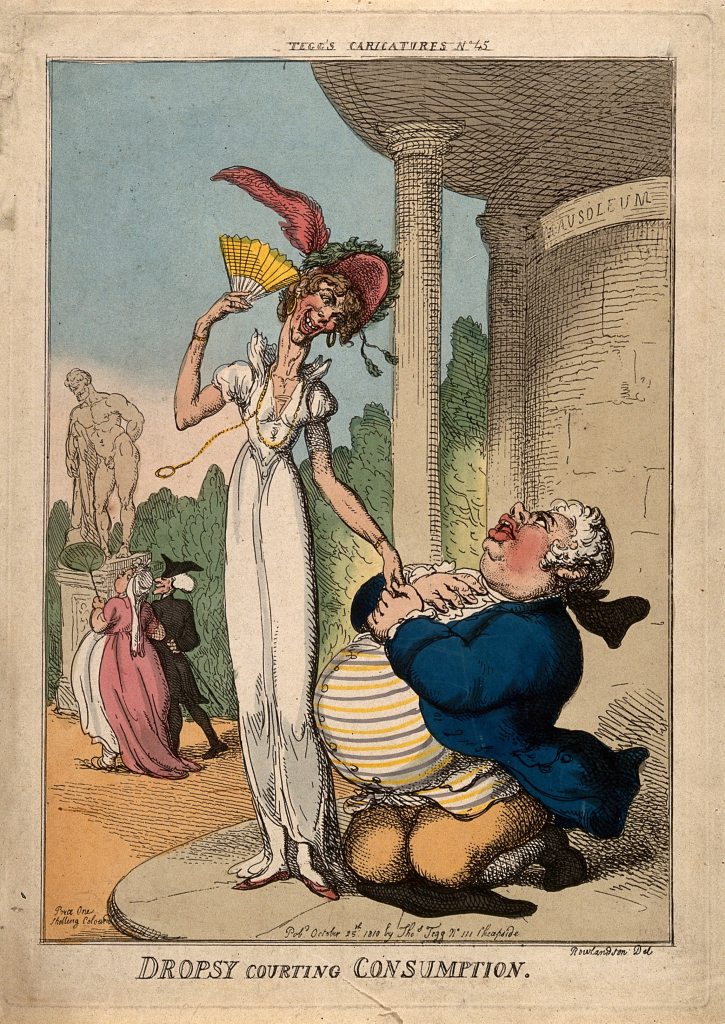
The term “consumption” is not a medical diagnosis in the modern sense but a descriptive one. Derived from the Latin consumere, meaning “to eat up” or “to waste away,” it perfectly captured the physical manifestation of the disease. Patients suffering from tuberculosis did not merely experience a cough or a fever; they appeared to be disappearing from the inside out, their bodies being slowly devoured by an invisible adversary.
The Pathophysiological Onset
At its core, consumption is a bacterial infection caused by Mycobacterium tuberculosis. Primarily affecting the lungs, the bacteria destroy tissue, leading to the formation of cavities. As the body fights the infection, the inflammatory response results in significant weight loss, night sweats, and the infamous hemoptysis, or coughing up of blood. This gradual erosion of physical vitality—the literal “consuming” of the patient—earned the disease its name long before Robert Koch identified the bacterium in 1882.
A Historical Misconception
For centuries, medical practitioners believed that consumption was an inherited trait, a “taint” in the family bloodline. Because the disease often lingered in families, it was frequently misattributed to weak constitutions or moral failings. This belief system fueled the stigma that followed the disease for generations, as families would go to great lengths to hide the diagnosis to preserve their reputation and marriage prospects.
The Social and Cultural Impact of the Wasting Disease
The history of consumption is inseparable from the history of society itself. During the 18th and 19th centuries, the disease reached epidemic proportions in the rapidly industrializing cities of Europe and North America. It became known as the “White Plague,” and its impact on the cultural psyche was profound.
The Romanticization of Consumption
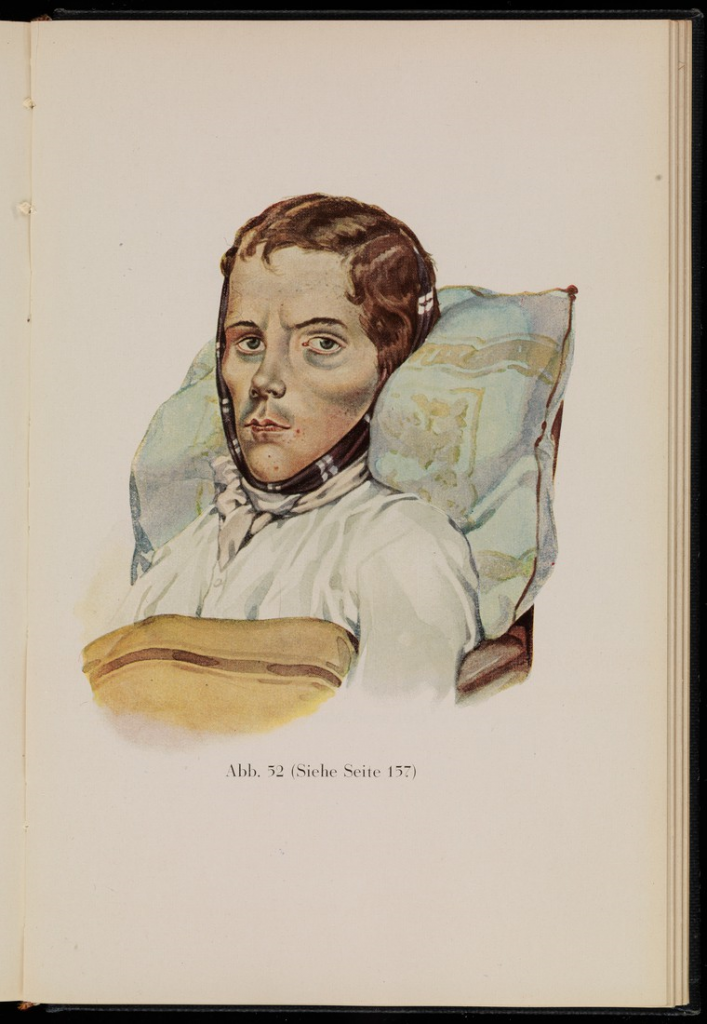
Perhaps the most peculiar aspect of the history of consumption is the way it was aestheticized in literature and art. In the Victorian era, the symptoms—pale skin, flushed cheeks from fever, and a thin, ethereal frame—became an accidental standard of beauty. The “consumptive look” was considered fashionable, leading to a strange phenomenon where young women starved themselves or used cosmetics to mimic the appearance of the dying. Poets like John Keats and writers like the Brontë sisters succumbed to the disease, further cementing the image of the consumptive as a misunderstood, intellectual, and tortured soul.
The Shift to Industrial Reality
While the upper classes romanticized the cough, the reality for the working class was far bleaker. Consumption thrived in the cramped, unsanitary, and poorly ventilated environments of industrial tenements. The disease became a marker of the divide between the rich and the poor, forcing governments to confront the reality that public health was not just an individual responsibility, but a civic one. It necessitated the first major urban planning reforms, emphasizing the need for sunlight, fresh air, and proper sanitation.
The Evolution of Treatment and the Rise of the Sanatorium
Before the advent of antibiotics, treatment for consumption was limited to lifestyle interventions. The “Sanatorium Movement” of the late 19th and early 20th centuries represents one of the most significant chapters in the history of medical isolation and care.
The Sanatorium Concept
The central premise of the sanatorium was that the body, if given the right environment, could heal itself. These facilities were typically situated in high-altitude, mountainous, or forest regions, where the air was believed to be “pure.” Patients were kept on rigorous schedules consisting of rest, heavy caloric intake, and hours of exposure to fresh air—even in the dead of winter. The goal was to build up the patient’s resilience against the “wasting” process.
The Limitations of Lifestyle Medicine
While the sanatoriums were successful in removing infected individuals from overcrowded cities—thereby slowing the spread of the disease—they were rarely “curing” patients through fresh air alone. Many who entered the sanatorium never left, turning these institutions into places of both hope and mourning. It was not until the mid-20th century, with the discovery of streptomycin and the subsequent development of multi-drug regimens, that consumption shifted from a death sentence to a manageable, curable condition.
Lessons from the Age of Consumption
Reflecting on what consumption was provides a critical lens through which to view modern global health challenges. The story of tuberculosis is not merely a medical footnote; it is a recurring narrative of human vulnerability in the face of microscopic threats.
The Intersection of Biology and Inequality
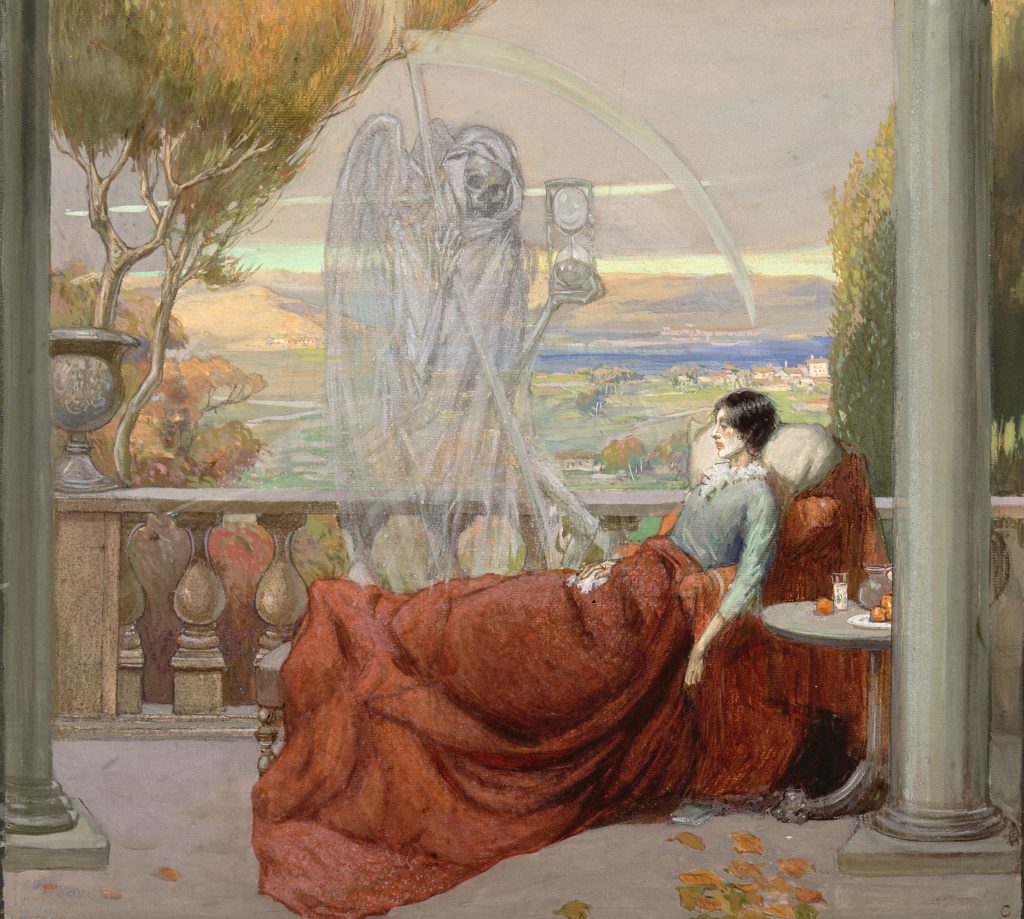
Consumption taught the world that disease is rarely blind. It disproportionately affects those with limited access to resources, poor nutrition, and crowded housing. Even today, as tuberculosis remains one of the world’s deadliest infectious diseases, it disproportionately impacts regions with fragile healthcare infrastructure. The “consuming” nature of the disease is as much a socioeconomic phenomenon as it is a biological one.
The Ongoing Battle for Global Health
The legacy of consumption persists in our current approach to infectious disease management. The development of contact tracing, the importance of long-term patient compliance in medication, and the need for global cooperation in eradicating pathogens all have their roots in the lessons learned during the fight against tuberculosis.
Today, while we rarely use the term “consumption,” the disease it described remains a potent reminder of the fragility of human health. By looking back at the centuries spent grappling with this “wasting disease,” we gain a deeper appreciation for the medical innovations that allow us to treat conditions that once defined the fate of entire generations. The history of consumption is, ultimately, a story of how humanity moves from superstition and stigma toward the light of evidence-based science.
aViewFromTheCave is a participant in the Amazon Services LLC Associates Program, an affiliate advertising program designed to provide a means for sites to earn advertising fees by advertising and linking to Amazon.com. Amazon, the Amazon logo, AmazonSupply, and the AmazonSupply logo are trademarks of Amazon.com, Inc. or its affiliates. As an Amazon Associate we earn affiliate commissions from qualifying purchases.