
The question of “what shows are on TV” was once answered by a physical booklet delivered to doorsteps or a slow-scrolling blue grid on a dedicated cable channel. Today, that query is the starting point for a complex interaction between hardware, sophisticated software algorithms, and high-speed data transmission. We no longer just “watch TV”; we engage with a multi-layered technological ecosystem designed to predict our preferences and deliver high-definition content across an array of devices. The shift from linear broadcasting to on-demand streaming has fundamentally redefined the architecture of home entertainment, turning the simple act of finding a program into a showcase of modern digital innovation.
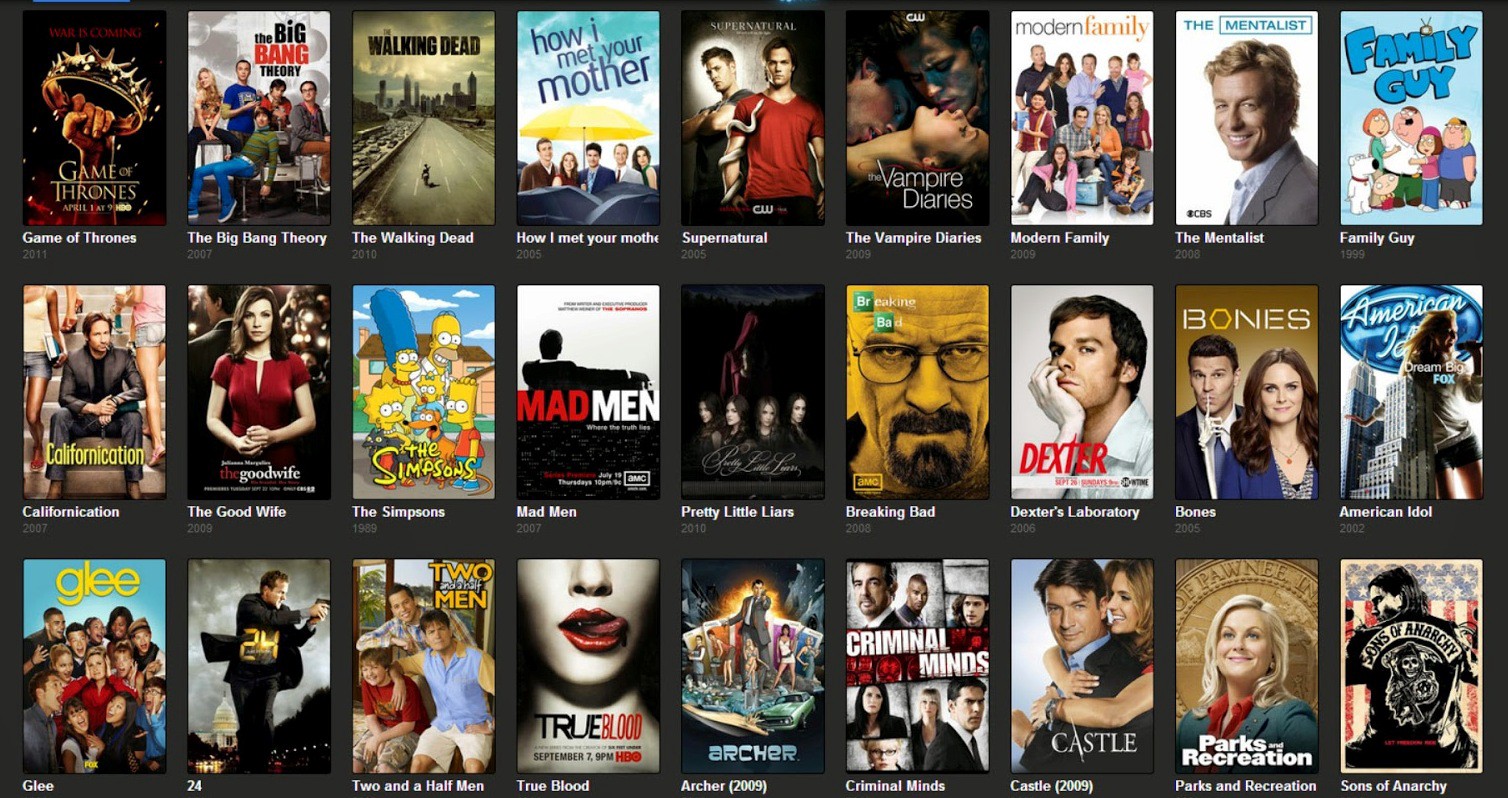
The Architecture of Discovery: From Grids to Recommendation Engines
The transition from analog to digital television brought about the first major shift in how viewers identified available content. Early digital program guides (EPGs) were basic databases stored locally on set-top boxes. However, as the volume of available content exploded with the advent of over-the-top (OTT) services, the technology required to organize this information became significantly more robust.
The Role of Metadata in Content Mapping
At the heart of answering what is on TV lies metadata. Every show, movie, and live event is tagged with thousands of data points, ranging from genre and cast to micro-descriptors like “atmospheric,” “gritty,” or “slow-burn.” Tech companies utilize massive relational databases to ensure that when a user searches for a specific theme, the software can pull relevant titles across multiple platforms. This indexing is what allows a unified search interface—like those found on Apple TV or Google TV—to aggregate results from Netflix, Disney+, and Hulu simultaneously. Without the standardized exchange of metadata between these platforms, the user would be forced to search each app individually, a friction point that modern UI/UX design seeks to eliminate.
Machine Learning and Predictive Analytics
Modern streaming interfaces do not just show you what is available; they show you what they think you want to see. This is achieved through collaborative filtering and content-based filtering algorithms. Collaborative filtering analyzes the behavior of millions of users, finding patterns between “User A” and “User B.” If both users enjoyed three specific sci-fi series, and User A watches a fourth, the algorithm will suggest that fourth show to User B.
Content-based filtering, on the other hand, looks at the properties of the media itself. If a viewer frequently watches high-frame-rate nature documentaries, the system prioritizes similar technical specifications in its recommendations. The “What’s On” section of a modern Smart TV is essentially a real-time computation of these two models, constantly updating as the viewer interacts with the remote.
The Hardware Frontier: Smart TVs and Integrated Ecosystems
The physical television set has evolved from a passive display monitor into a powerful computing hub. The “brains” inside a modern Smart TV—specifically the System on a Chip (SoC)—are now comparable to those found in mid-range smartphones. This processing power is necessary to handle the graphical demands of modern user interfaces and the decryption of high-bitrate 4K HDR streams.
Operating Systems and User Experience (UX)
The battle for the living room is currently being fought through operating systems (OS). Platforms like LG’s webOS, Samsung’s Tizen, and Roku OS are the gatekeepers of content. These systems determine how “what shows are on TV” is presented to the viewer. The trend has moved toward “content-first” design, where the home screen displays individual shows and movies rather than just a list of apps. This requires deep integration between the OS and third-party developers, utilizing APIs that allow the TV to “peek” inside the streaming apps to pull out relevant thumbnails and progress bars for the “Continue Watching” row.
Voice Integration and Natural Language Processing
One of the most significant technological leaps in content discovery is the implementation of Natural Language Processing (NLP). Voice remotes and smart speakers have replaced the tedious process of typing show titles into an on-screen keyboard. When a user asks, “What shows are on TV right now?”, the device must perform several tech-heavy tasks: converting speech to text, identifying the intent of the query, searching the aggregated database, and triggering the correct application to play the content. This involves cloud-based AI processing that happens in milliseconds, providing a seamless bridge between a verbal thought and a visual result.
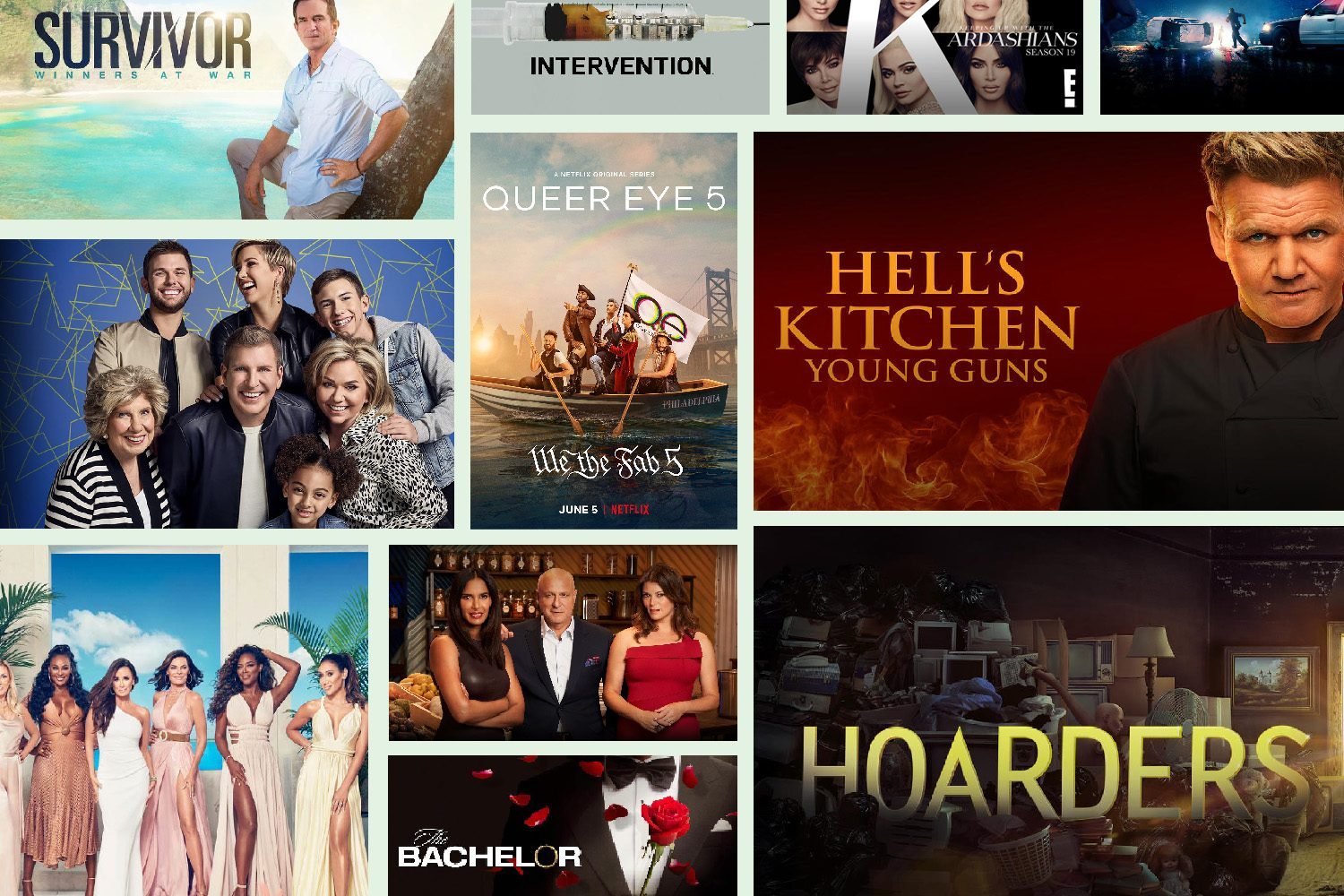
The Rise of FAST: The Digital Rebirth of Linear TV
While the industry spent a decade moving toward “on-demand” models, a new technological trend has emerged: FAST (Free Ad-supported Streaming TV). Services like Pluto TV, Tubi, and Samsung TV Plus have reintroduced the concept of linear channels, but they are powered by an entirely different backend than traditional cable.
Virtual Linear Channels and Server-Side Ad Insertion
FAST channels use a technology known as “virtual linear programming.” Unlike traditional broadcasting, where a signal is sent via satellite or coaxial cable to everyone at once, FAST channels are unicast streams delivered via the internet. This allows for Server-Side Ad Insertion (SSAI). When you watch a “channel” on a FAST service, the ads you see are personalized to your IP address and viewing habits, even though the content feels like a traditional broadcast. This fusion of old-school “flipping through channels” and modern targeted advertising technology has created a multibillion-dollar niche in the tech world.
Edge Computing and Latency Reduction
To make the experience of switching between these digital channels feel as fast as an old analog TV, companies utilize Content Delivery Networks (CDNs) and edge computing. By storing the video data on servers physically closer to the user, the “buffer” time is minimized. This is particularly crucial for live sports and news, where latency—the delay between the action happening and it appearing on screen—can be the difference between a high-quality experience and a frustrated user.
Digital Security and Privacy in Content Discovery
As TVs become more like computers, they inherit the security challenges of the digital age. Knowing “what shows are on TV” now involves a two-way stream of data: the content coming in and the user data going out.
Automatic Content Recognition (ACR)
Most modern Smart TVs utilize a technology called Automatic Content Recognition (ACR). ACR samples the pixels on the screen several times per second to identify exactly what is being watched, regardless of the source (game console, cable box, or built-in app). From a tech standpoint, this is an impressive feat of real-time fingerprinting. However, it also raises significant privacy questions. This data is often sold to advertisers to build a profile of the household’s interests. High-end security protocols and more transparent privacy dashboards are becoming standard features as consumers become more aware of how their “TV time” is being tracked.
Protecting the Stream: DRM and Encryption
Behind the scenes, the shows we watch are protected by sophisticated Digital Rights Management (DRM) technologies like Widevine, PlayReady, and FairPlay. These systems ensure that high-value 4K content cannot be easily intercepted or pirated during transmission. As hackers become more sophisticated, the encryption standards for streaming video must constantly evolve. This “cat and mouse” game is a major driver of software updates in the Smart TV and streaming box industry, ensuring that the infrastructure supporting “what shows are on TV” remains secure and profitable for creators.

The Future: AI Curation and Beyond
The next phase of answering “what shows are on TV” will likely move beyond the screen entirely. We are seeing the early stages of generative AI being used to create personalized trailers for shows, where the AI highlights scenes it knows a specific user will like. Furthermore, as augmented reality (AR) technology matures, the “TV” may no longer be a physical object on a wall, but a digital layer in our environment, curated by an AI assistant that understands our context—suggesting a high-energy show when we are on the treadmill and a relaxing one when we sit on the sofa.
The evolution of television discovery is a testament to the power of integration. By combining high-speed networking, massive data analytics, and intuitive hardware, the tech industry has transformed the television from a “dumb” receiver into a proactive, intelligent medium. When we ask what is on today, we aren’t just looking for a schedule; we are triggering a global network of technology designed to deliver the right pixels to the right person at the right time.
aViewFromTheCave is a participant in the Amazon Services LLC Associates Program, an affiliate advertising program designed to provide a means for sites to earn advertising fees by advertising and linking to Amazon.com. Amazon, the Amazon logo, AmazonSupply, and the AmazonSupply logo are trademarks of Amazon.com, Inc. or its affiliates. As an Amazon Associate we earn affiliate commissions from qualifying purchases.