
Deciding to close a bank account with a major institution like Chase is often a strategic move in a broader personal finance journey. Whether you are seeking higher annual percentage yields (APY) at an online-only bank, looking to consolidate your accounts to simplify your balance sheet, or moving to a credit union with lower fees, the process of closing a checking account requires more than just a quick phone call. It demands a methodical approach to ensure that your liquidity remains intact, your credit is unaffected, and your automated financial life continues without interruption.
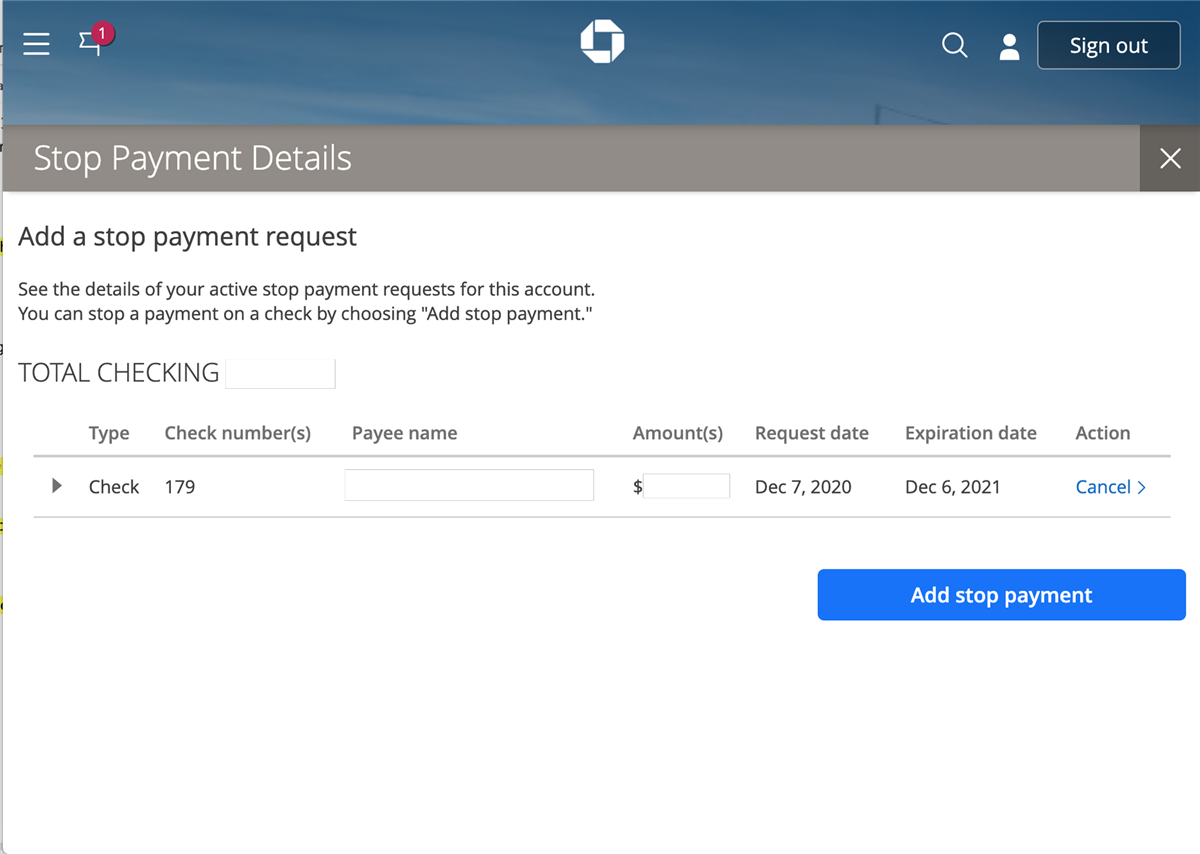
In the modern financial landscape, your checking account serves as the central hub for your economic activity. It is the destination for your salary, the source for your mortgage or rent payments, and the foundation for your digital wallet. Severing this connection requires careful planning to avoid “zombie” transactions—automated payments that hit a closed account and trigger fees—and to ensure that every cent of your hard-earned capital is safely transferred to its new home.
The Strategic Preparation: Setting the Stage for Closure
Before you officially notify Chase of your intent to close the account, you must engage in a preparation phase. Rushing this process is one of the most common mistakes in personal finance management. A premature closure can lead to bounced checks, missed insurance premiums, and potential damage to your relationship with service providers.
Auditing Your Automated Transactions
The first step is a comprehensive audit of the last three to six months of bank statements. In an era of subscription models and automated bill pay, most consumers have dozens of invisible tethers attached to their checking accounts. Look for recurring ACH transfers, gym memberships, utility payments, and streaming services.
Create a checklist of every entity that has permission to pull funds from your Chase account. You will need to systematically move these authorizations to your new financial institution. Remember that some annual subscriptions may only appear once a year; checking a full twelve months of history is the safest way to ensure no “hidden” charges attempt to clear an empty account.
Redirecting Your Income Streams
Perhaps the most critical component of the preparation phase is the redirection of your direct deposits. Contact your employer’s payroll department to update your banking information. However, do not assume this change happens instantly. Depending on the payroll cycle, it can take one to two pay periods for the transition to finalize.
If you receive government benefits, such as Social Security, or if you have investment dividends funneled into your Chase account, you must update these sources individually. It is highly recommended to wait until at least one full direct deposit cycle has successfully landed in your new account before you initiate the final closure of the old one.
Managing the “Float” and Buffer
Financial advisors often recommend maintaining a “buffer” in the old account during the transition month. Move the bulk of your funds to your new account, but leave enough in the Chase account to cover any stray transactions that you might have missed. This prevents the account from falling into a negative balance, which could lead to overdraft fees or, worse, a report to ChexSystems—a consumer reporting agency that tracks “mishandled” bank accounts. A negative report here can make it difficult to open bank accounts in the future.
The Execution: Methods to Close Your Chase Checking Account
Once your new account is fully operational and your old account has been cleared of all pending transactions, you are ready to proceed with the closure. Chase offers several avenues for closing an account, allowing you to choose the method that best fits your schedule and comfort level.
Closing via Secure Message Center
For those who prefer a digital-first approach, Chase allows account closure requests through their online banking portal. This method provides a written trail of your request, which is invaluable for record-keeping.
-
Log in to your Chase online account.
-
Navigate to the “Secure Message Center.”
-
Select “New Message” and choose the inquiry topic related to “Account Inquiry” or “Closing Account.”
-
Specify which account you wish to close and confirm that you have zeroed out the balance or provide instructions on where to send the remaining funds.
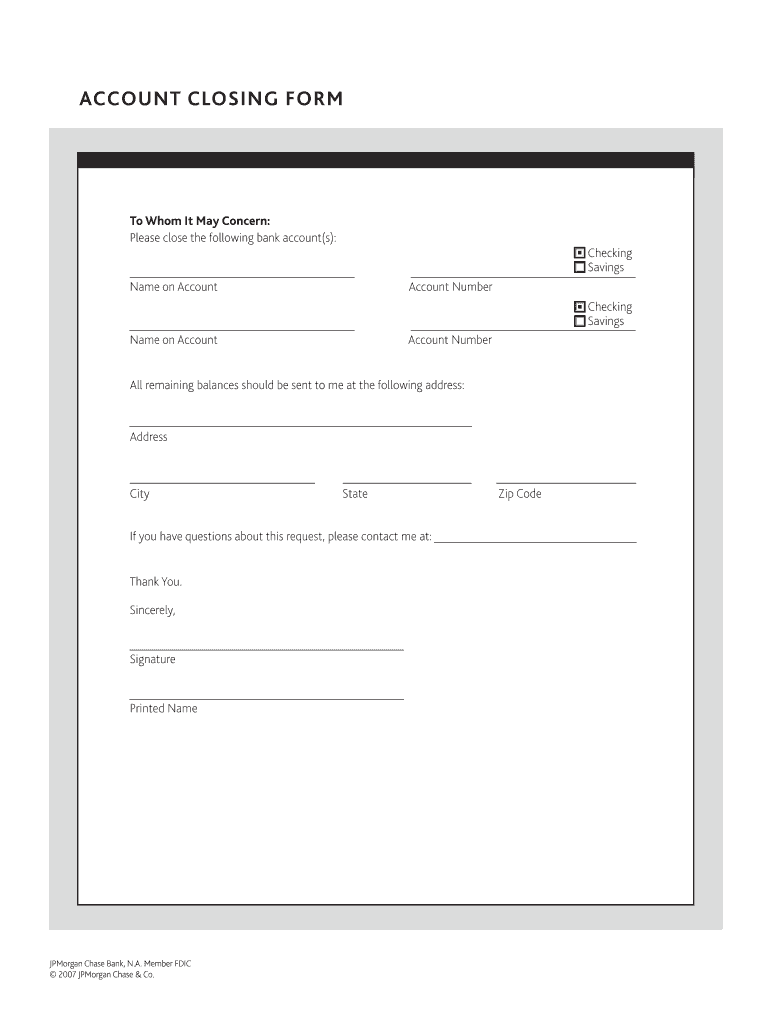
While convenient, this method may take a few business days for a representative to process. If there are pending transactions, the request may be denied until they clear.
Closing Over the Phone
Calling Chase customer service is often the fastest way to resolve any lingering questions during the closure process. You can reach their general service line at 1-800-935-9935. When speaking with a representative, be firm but polite. Banks are incentivized to retain customers and may offer to waive fees or provide other incentives to keep you. If your mind is made up for strategic financial reasons, simply reiterate that you wish to close the account. Ensure you ask for a confirmation number and the name of the representative assisting you.
Closing in Person at a Branch
For individuals with complex financial profiles or those who simply prefer face-to-face interaction, visiting a local Chase branch is an excellent option. This allows you to receive immediate physical documentation of the account closure. You will need to bring a valid government-issued ID. A banker can help you withdraw the final balance in cash or issue a cashier’s check on the spot, effectively ending the relationship in a single visit.
Avoiding Common Financial Pitfalls and Hidden Costs
The process of closing a major bank account is often fraught with small details that, if overlooked, can result in unnecessary expenses. Understanding the “fine print” of your account agreement is essential for a clean break.
The 90-Day Rule and Early Closure Fees
Chase, like many national banks, often implements an early account closure fee. If you opened your account as part of a promotional offer (such as a sign-up bonus) and attempt to close it within a specific window—typically 90 days—you may be charged a fee, or the bank may claw back the initial bonus. Before closing, check the terms of your specific account tier. If you are near the 90-day mark, it is often more cost-effective to wait a few extra weeks to avoid the $25 to $50 penalty.
The “Zombie Account” Phenomenon
One of the most frustrating experiences in personal finance is the “reopening” of a closed account. This occurs when a merchant attempts to process an authorized charge against a closed account. Some banking systems are designed to automatically reopen the account to honor the payment, subsequently triggering an overdraft fee because the balance is zero. To prevent this, ensure that every single “Card on File” with online retailers (like Amazon, Uber, or Netflix) has been updated to your new debit or credit card before the Chase account is finalized.
Final Statement Documentation
Upon closing the account, your access to the online banking portal may be restricted or terminated. This is a critical point: before you hit “send” on that closure request, download the last seven years of your bank statements. These documents are essential for tax purposes, mortgage applications, and potential audits. Once the account is closed, obtaining these records can become a cumbersome process involving mail requests and potential research fees.
Post-Closure: Optimizing Your New Financial Strategy
Closing your Chase account is not just an ending; it is an opportunity to optimize your capital. The transition period is the perfect time to evaluate if your new banking choice aligns with your long-term wealth-building goals.
Maximizing Interest and Minimizing Fees
If you moved your funds to an account with a higher APY, calculate the projected earnings over the next year. In a high-interest-rate environment, the difference between a traditional big-bank checking account (often yielding 0.01%) and a high-yield savings or checking account (which can yield upwards of 4% or 5%) can result in hundreds of dollars in “passive” income. This is the essence of smart money management—ensuring that every dollar you own is working as hard as possible.
Consolidating for Clarity
The psychological benefit of closing an unneeded account should not be underestimated. Financial clutter can lead to “decision fatigue” and missed opportunities. By streamlining your accounts, you gain a clearer picture of your net worth and cash flow. This clarity allows for more precise budgeting and more aggressive investing. Use the momentum from this transition to set up automated transfers from your new checking account into a brokerage account or an IRA, further cementing your commitment to your financial future.
Confirming the Finality
Approximately 30 days after you believe the account is closed, check your credit report or contact Chase one last time to ensure the balance is exactly zero and the status is “Closed at Customer Request.” This final verification ensures that no trailing interest or late-arriving fees have compromised the closure. Taking this final step provides the peace of mind that your transition is complete and that you are ready to move forward with your optimized financial plan.
aViewFromTheCave is a participant in the Amazon Services LLC Associates Program, an affiliate advertising program designed to provide a means for sites to earn advertising fees by advertising and linking to Amazon.com. Amazon, the Amazon logo, AmazonSupply, and the AmazonSupply logo are trademarks of Amazon.com, Inc. or its affiliates. As an Amazon Associate we earn affiliate commissions from qualifying purchases.