
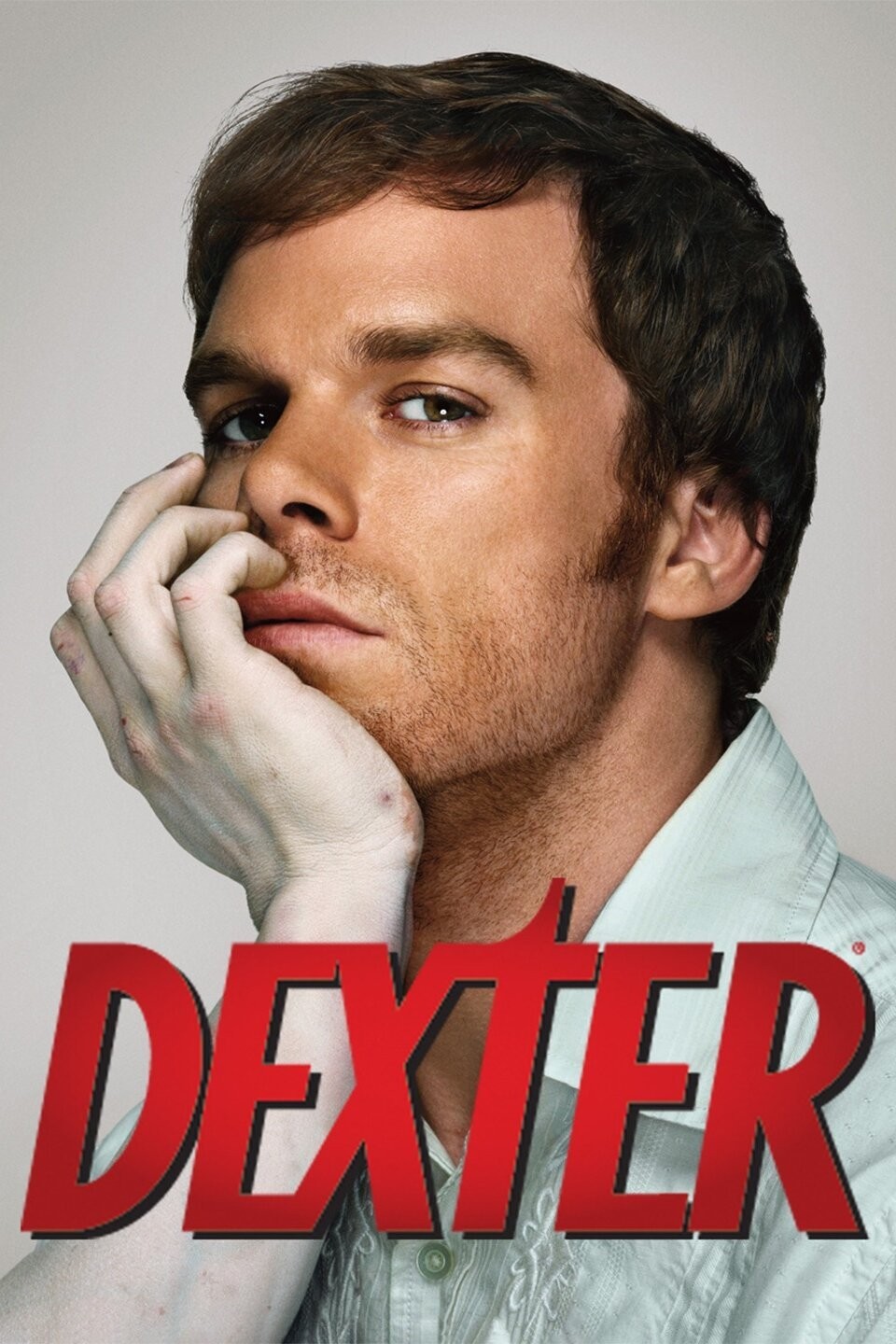
The question, “What show is Dexter Morgan from?” might seem deceptively simple, but it opens a portal into a fascinating exploration of character development, narrative impact, and the intricate construction of a television brand that resonated deeply with audiences worldwide. Dexter Morgan, the titular character of Showtime’s acclaimed series, is far more than just a fictional person; he represents a carefully crafted persona, a central pillar of a brand that pushed the boundaries of what audiences were willing to engage with on screen. This article delves into the branding of Dexter Morgan, examining how his unique premise, compelling character arc, and the show’s innovative marketing strategies coalesced to create an enduring television phenomenon.
The Genesis of a Brand: The Dark Passenger’s Introduction
The branding of Dexter Morgan begins with his audacious and morally ambiguous premise. Unlike traditional protagonists who embody heroic ideals, Dexter is a blood-spatter analyst for the Miami Metro Police Department who, by night, moonlights as a serial killer. This duality is the bedrock of the show’s brand identity. It’s a brand built on contrast, on the thrilling dissonance between a seemingly ordinary professional life and a deeply disturbed, yet meticulously controlled, secret existence.
The “Code” as a Brand Differentiator
What sets Dexter Morgan apart, and thus solidifies the show’s brand, is his “Code of Harry.” This set of self-imposed rules, instilled by his adoptive father, Harry Morgan, dictates that Dexter only kills other murderers who have evaded the justice system. This crucial element transforms Dexter from a mere sociopath into a vigilante anti-hero. The Code serves as the brand’s moral compass, albeit a deeply flawed one. It allows audiences to engage with Dexter’s dark deeds without necessarily condoning them, fostering a complex psychological investment. This nuanced approach to morality was groundbreaking and became a signature element of the Dexter brand, setting it apart from more straightforward crime dramas.
The Voice of the Brand: Dexter’s Inner Monologue
A significant branding tool for Dexter Morgan is his omnipresent inner monologue. This narrative device provides direct access to Dexter’s thoughts, rationalizations, and the internal struggles he faces. It’s through these internal dialogues that the audience becomes complicit in his actions, understanding his motivations and feeling a strange sense of empathy, or at least understanding. The distinct, often detached and analytical tone of his voice-over became instantly recognizable, becoming a sonic signature of the Dexter brand. This intimate access to his psyche allowed for deep character exploration, making him one of the most psychologically complex characters in television history. The brand was not just about what he did, but how he thought about it and presented it to himself.
Building the Dexter Brand: Narrative Arcs and Recurring Themes
The sustained success and brand recognition of Dexter were not solely dependent on its initial premise. The show expertly leveraged its central concept through evolving narrative arcs and the consistent reinforcement of key themes, further cementing its brand identity in the minds of viewers.
The Evolution of the Antagonist-Protagonist
A core element of the Dexter brand is the continuous introduction of antagonists who either challenge Dexter’s Code, mirror his darkness, or force him to confront aspects of himself he’d rather ignore. Each season presented a new “Big Bad,” and the branding of these characters was crucial. They were not just villains; they were often twisted reflections of Dexter, testing his resolve and pushing the boundaries of his “Dark Passenger.” Whether it was the intricate psychological games of the Ice Truck Killer, the religious fanaticism of Trinity, or the manipulative brilliance of the Brain Surgeon, these recurring antagonist archetypes were integral to defining the Dexter brand. They highlighted Dexter’s isolation and the unique challenges of his existence.

The Tenuous Grip on Humanity: Relationships as Brand Reinforcers
Dexter’s relationships, however superficial or fraught with deception, served as critical components of his brand. His interactions with his sister Debra, his colleagues like Angel Batista and Quinn, and his various romantic partners (Rita, Lumen, Hannah) constantly tested his ability to maintain his facade. These relationships were not just plot devices; they were branding mechanisms that showcased the constant internal battle Dexter waged to appear human. His attempts to build a family and maintain a semblance of normalcy were as compelling as his nocturnal activities, adding layers of complexity to his character and the show’s brand. The brand was about the performance of normalcy in the face of monstrous reality.
The Miami Setting: A Tropical Brand Complement
The vibrant, sun-drenched backdrop of Miami provided a stark and compelling contrast to Dexter’s dark inner world. This tropical setting became an integral part of the Dexter brand, contributing to its unique aesthetic and atmosphere. The show leveraged this locale effectively, using the bright colors and seemingly carefree lifestyle of Miami as a visual counterpoint to the grim themes of murder and retribution. The juxtaposition of the idyllic setting with the pervasive darkness created a memorable and distinctive brand image, making Miami itself almost a character in the show. This geographical branding enhanced the show’s visual identity and contributed to its overall allure.
The Enduring Brand Legacy: Impact and Adaptation
The Dexter brand transcended its initial broadcast run, proving its resilience and adaptability through various avenues, including critical reception, fan engagement, and eventual revivals. The way the brand has been received and has evolved speaks volumes about its inherent strength.
Critical Acclaim and Audience Engagement: The Brand’s Validation
From its inception, Dexter garnered significant critical acclaim, earning numerous awards and nominations, including Primetime Emmy Awards and Golden Globe Awards. This critical validation was instrumental in establishing the show’s brand as a premium, thought-provoking piece of television. Beyond critical circles, Dexter cultivated a massive and passionate fan base. The show’s unique premise and morally ambiguous protagonist sparked endless debate and analysis, fostering a deeply engaged community of viewers. This active audience participation further solidified the brand, creating a cultural touchstone that continues to be discussed and dissected years after its initial run. The brand’s success was, in large part, a reflection of its ability to provoke thought and discussion.
The “Redeemed” Brand: The Dexter: New Blood Revival
The continued brand power of Dexter Morgan was underscored by the 2021 revival series, Dexter: New Blood. This revival was a significant undertaking, aiming to address the controversial ending of the original series and provide a new narrative for the beloved, yet flawed, character. The branding of New Blood was a delicate balancing act: it needed to appeal to the existing fan base while also attracting new viewers. The revival’s focus on a reclusive Dexter, attempting to suppress his urges in a new environment (Iron Lake, New York), was a clear attempt to explore the long-term consequences of his actions and offer a potential path towards redemption. This revival demonstrated the enduring strength of the Dexter Morgan brand, proving that audiences were still invested in his story and the complex moral landscape he inhabited. The decision to revive the character also speaks to the marketability of a brand that, despite its dark themes, offered a compelling human (or perhaps, inhuman) drama.

The Brand’s Influence on Television: Pushing Narrative Boundaries
The branding of Dexter Morgan and the show’s overall success had a profound impact on the television landscape. It helped pave the way for a new era of anti-heroes, demonstrating that audiences were ready to embrace complex, morally ambiguous characters at the center of compelling narratives. The show’s willingness to explore dark psychological territory and push the boundaries of what was considered acceptable television content influenced subsequent programming, inspiring a generation of shows that delved into the darker aspects of the human psyche. The Dexter brand didn’t just sell a show; it helped redefine the acceptable spectrum of television storytelling. The character of Dexter Morgan, therefore, stands as a testament to the power of innovative character development and strategic brand building in the world of serialized television. His enduring legacy is a complex tapestry woven from daring narrative choices, consistent thematic exploration, and an unwavering commitment to a darkly compelling, yet undeniably magnetic, brand.
aViewFromTheCave is a participant in the Amazon Services LLC Associates Program, an affiliate advertising program designed to provide a means for sites to earn advertising fees by advertising and linking to Amazon.com. Amazon, the Amazon logo, AmazonSupply, and the AmazonSupply logo are trademarks of Amazon.com, Inc. or its affiliates. As an Amazon Associate we earn affiliate commissions from qualifying purchases.