
In the landscape of modern science fiction, few narratives capture the chilling intersection of human survival and technological control as effectively as Silo. Based on the Wool trilogy by Hugh Howey, the story presents a world where the remnants of humanity live in a massive underground bunker, 144 stories deep, ostensibly protected from a toxic and ruined surface. However, the true mystery lies not just in the toxicity of the air, but in the sophisticated, often invisible technological systems that govern every aspect of life underground. To understand what happened to the world in Silo, one must look past the rust and the flickering CRT monitors to the complex engineering and digital suppression that keep the inhabitants trapped in a perpetual state of “technological stasis.”
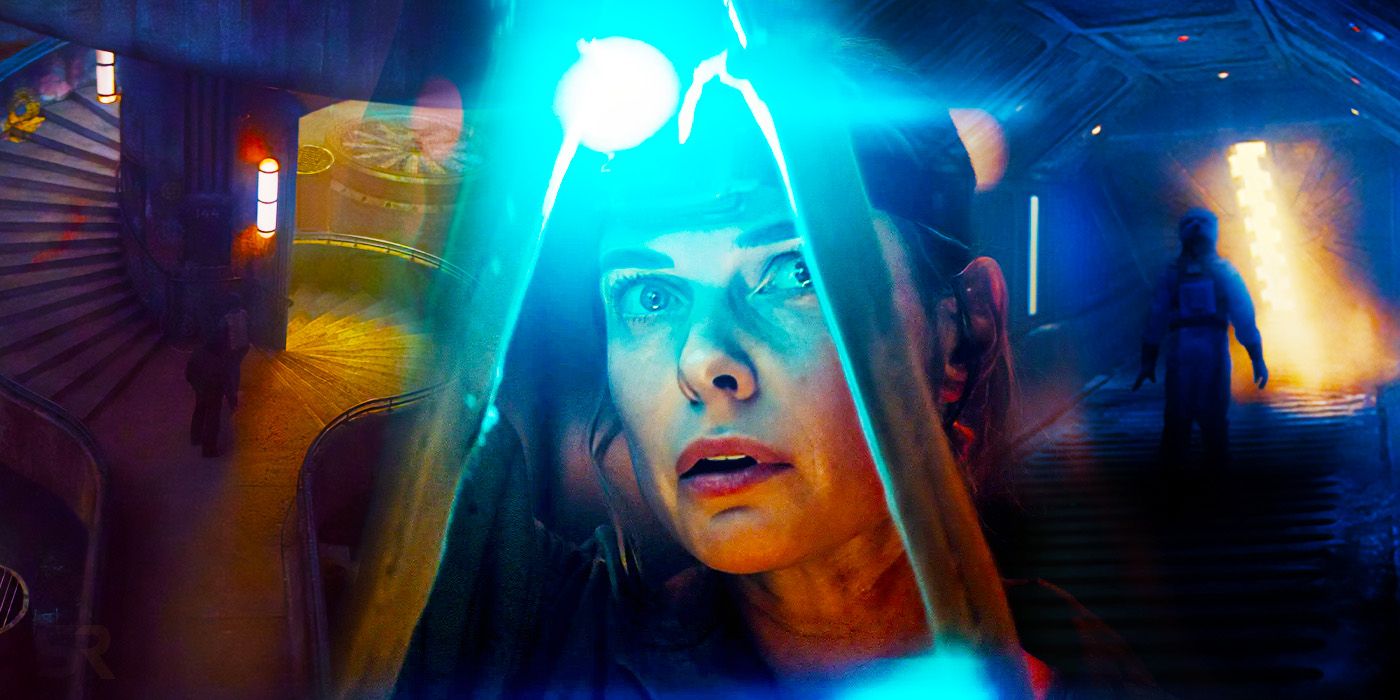
The Architecture of Survival: Engineering a Self-Sustaining Underground Ecosystem
The Silo is more than a building; it is a masterpiece of closed-loop engineering. To understand the collapse of the world above, we must first analyze the technology required to sustain thousands of people for hundreds of years without external resources.
The Mechanical Core: The Lifeblood of the Structure
At the very bottom of the Silo sits the “Down Deep,” where the massive generator resides. This is the heart of the Silo’s technological infrastructure. It provides geothermal power, extracted from the Earth’s core, which is then distributed through a crumbling but functional electrical grid. The sheer scale of this engineering feat suggests that the “event” that destroyed the world was anticipated with significant lead time. The technology here is intentionally rugged; unlike the sleek, fragile electronics we use today, the Silo’s core is built for longevity and repairability, highlighting a shift from “planned obsolescence” to “eternal utility.”
Hydroponics and Atmospheric Recycling
Survival in the Silo is a delicate balance of biological engineering and mechanical filtration. The “Mids” house the hydroponic farms, where sophisticated LED arrays and nutrient-delivery systems replace the sun and soil. Meanwhile, the air is scrubbed through a series of massive ventilation shafts. The tech here is critical: if the sensors—the “eyes” of the Silo—fail to monitor carbon dioxide levels or humidity, the entire population could perish within hours. This dependency creates a technological hierarchy where those who understand the “how” of the machines hold more power than those who merely live within them.
Digital Suppression and the Analog Trap: Why Tech is Frozen in Time
One of the most jarring aspects of the Silo is its aesthetic: it looks like the 1970s or 80s, despite the presence of advanced biological knowledge and subterranean construction capabilities. This is not an accident of history; it is a deliberate technological directive.
The Restricted Tech Directive
The governing body of the Silo, particularly the Judicial and IT departments, enforces a strict ban on “advanced” technology. There are no elevators, no wireless communication, and no high-resolution digital imaging for the common citizen. By forcing the population to use “analog” methods—walking the stairs, using paper files, and communicating via wired terminals—the authorities can more easily monitor and control the flow of information. The technological “backwardness” is a tool of digital security meant to prevent the rapid spread of revolutionary ideas, which in the digital age, move at the speed of light.
The “Sensor” Paradox and Augmented Reality
The most sophisticated piece of technology visible to the inhabitants is the “sensor”—the camera that broadcasts a live feed of the desolate, gray landscape outside to the cafeteria screens. However, as the narrative unfolds, we see glimpses of a technological deception. The “cleaning” ritual involves a specialized visor given to those sent outside. This visor utilizes high-level Augmented Reality (AR) to overlay a lush, green image of the world over the actual dead landscape. This suggests that the collapse of the world involved a mastery of optics and digital manipulation so advanced it can deceive the human brain’s primary senses. The tech didn’t just fail; it was weaponized to create a false sense of hope or despair, depending on the observer’s perspective.

Data Sovereignty and the History of the Great Rebellion
What happened to the world is hidden behind a “firewall” of time and deleted data. In the Silo, history is a controlled substance, and the primary battleground is the ownership of information.
The Erasure of Digital Records
According to the Silo’s “Pact,” all history before the “Great Rebellion” 140 years ago was erased. This implies a catastrophic event of data cleansing. In our modern world, we assume that digital data is permanent, but the Silo proves that with enough centralized control, an entire civilization’s history can be deleted. The technology used to wipe the servers was thorough, leaving behind only “relics”—physical objects from the “Before Times” like Pez dispensers or hard drives that are strictly forbidden. The mystery of the world’s end is essentially a locked file that the inhabitants lack the administrative privileges to open.
Forbidden Hard Drives and Legacy Code
The discovery of a hidden hard drive (Relic #18) serves as the catalyst for the story’s investigation into the past. This hardware represents the last vestige of un-scrubbed data. It contains blueprints of the Silos and video files that contradict the official narrative. The tech here is a metaphor for the resilience of truth: even in a world where data is suppressed, a single fragment of legacy code can dismantle a century of lies. The struggle to interface this old hardware with the Silo’s current, restricted IT infrastructure highlights the theme of “technological forensics”—the act of piecing together the past through its digital remains.
The Bio-Technical Collapse: Speculating the “What” Behind the World’s End
While the Silo protects inhabitants from the outside, the nature of that “outside” remains the ultimate technological question. What kind of failure could turn the entire Earth into a toxic wasteland for hundreds of years?
Nanotechnology and Atmospheric Toxicity
In the expanded lore of the series, it is suggested that the destruction of the world was not caused by a nuclear winter or climate change, but by nanotechnology. The “toxicity” of the air is actually a swarm of self-replicating nanobots designed to break down organic matter at a molecular level. This is the ultimate “tech gone wrong” scenario. If the world was consumed by nanotech, the Silo isn’t just a bunker; it is a clean room. The “cleaning” of the sensors is a symbolic act, but the suits worn by those who go outside are technologically destined to fail because the nanobots are designed to eat through the seals, ensuring that no one ever survives long enough to see the truth.
The Silo as a Controlled Experiment
From a high-level technological perspective, the Silos (revealed to be 50 in total) represent a massive distributed computing project, where the “processors” are human lives. Each Silo is a variable in an experiment to see which social and technological configurations lead to the longest survival. The “what happened to the world” was a planned reset of the human species, facilitated by architects who believed that technology had become too dangerous to be left in the hands of a free society. The world didn’t just end; it was “debugged” through a global, genocidal system of containment.

Conclusion: The Price of Technological Safety
The world of Silo is a sobering look at a future where technology is no longer a tool for human advancement, but a cage for human preservation. What happened to the world was a convergence of high-tech hubris and a subsequent, desperate pivot to low-tech control. By isolating humanity in a subterranean circuit board, the founders of the Silo managed to save the species while destroying the essence of what it means to be human: the freedom to explore, the right to remember, and the ability to innovate without permission.
Ultimately, the mystery of the Silo is a warning about the centralization of tech. When a small group controls the servers, the power grid, and the lenses through which we view reality, they don’t just control the present—they control the past and the future. The story of Silo reminds us that the most dangerous technology isn’t the one that breaks, but the one that works too well at keeping us in the dark. As the characters delve deeper into the mechanical and digital secrets of their home, they find that the only way to see the “real” world is to hack the system, bypass the filters, and dare to look beyond the augmented reality of their existence.
aViewFromTheCave is a participant in the Amazon Services LLC Associates Program, an affiliate advertising program designed to provide a means for sites to earn advertising fees by advertising and linking to Amazon.com. Amazon, the Amazon logo, AmazonSupply, and the AmazonSupply logo are trademarks of Amazon.com, Inc. or its affiliates. As an Amazon Associate we earn affiliate commissions from qualifying purchases.