
For many households, a vehicle is the second largest purchase they will ever make, trailing only behind a home mortgage. Yet, despite the massive financial implications of auto financing, the question “What should my car payment be?” is often answered with emotion rather than cold, hard mathematics. In a culture that frequently views a vehicle as a status symbol rather than a utility, it is easy to fall into the trap of “payment shopping”—focusing exclusively on whether the monthly bill fits into the current budget without considering the long-term impact on personal wealth.

To determine the ideal car payment, one must move beyond the dealership’s sales tactics and look at the broader picture of personal finance. This involves balancing immediate cash flow needs with long-term investment goals, understanding the true cost of ownership, and adhering to proven financial frameworks that protect you from becoming “car poor.”
The Golden Rules of Vehicle Affordability
Financial experts generally agree that there is no single number that works for everyone. However, there are several frameworks designed to keep your transportation costs from cannibalizing your ability to save for retirement or emergency funds.
The 20/4/10 Rule Explained
One of the most enduring benchmarks in personal finance is the 20/4/10 rule. This guideline provides a structured way to look at a car purchase before you ever step foot on a lot.
-
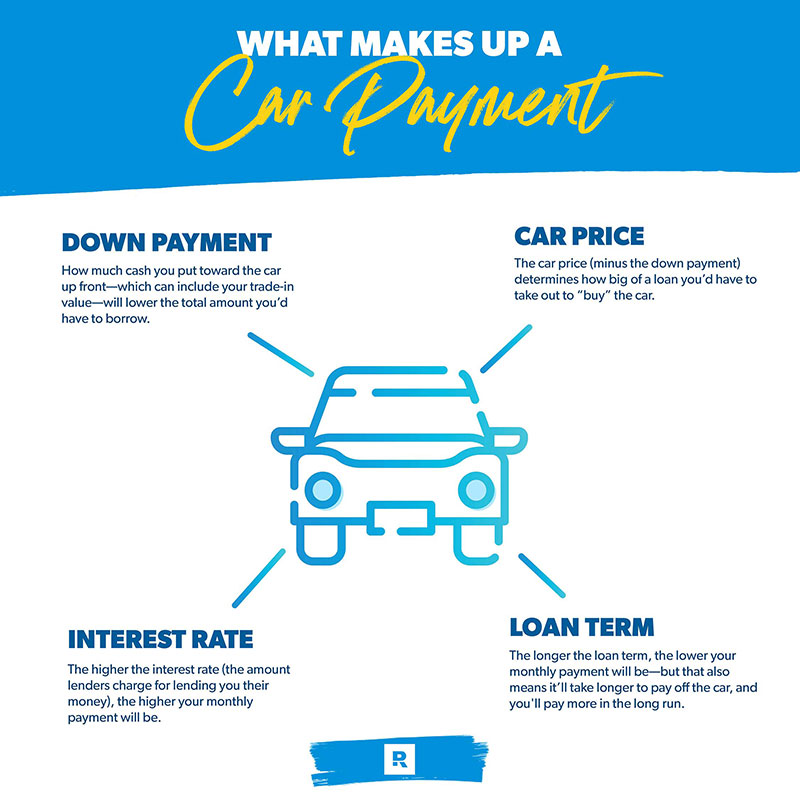
20% Down Payment: You should aim to put at least 20% down on the vehicle. This serves two purposes. First, it ensures you have immediate equity in the car, protecting you from being “underwater” (owing more than the car is worth) the moment you drive off the lot. Second, it reduces the total amount of interest you will pay over the life of the loan.
-
4-Year Loan Term: While 72-month and even 84-month loans are becoming common, they are generally a sign that the buyer is overextending. A 48-month (4-year) loan term keeps interest costs low and ensures you aren’t paying for a vehicle long after its “honeymoon phase” and warranty have expired.
-
10% of Gross Income: Your total monthly transportation costs—including the loan payment, insurance, and fuel—should not exceed 10% of your gross monthly income. If you earn $6,000 a month, your total car-related expenses should ideally stay under $600.
The Debt-to-Income (DTI) Perspective
While the 10% rule is a great starting point, it doesn’t exist in a vacuum. Lenders look at your Debt-to-Income (DTI) ratio to determine your creditworthiness. Most financial advisors suggest that your total debt payments (including mortgage, student loans, credit cards, and car payments) should stay below 36% of your gross income. If you have a high mortgage or significant student loan debt, your “allowable” car payment might need to be significantly lower than the 10% rule suggests.
Beyond the Monthly Payment: Calculating Total Cost of Ownership
The biggest mistake a consumer can make is equating the “car payment” with the “cost of the car.” The monthly bill from the lender is only one piece of a much larger financial puzzle. To truly understand what your car payment should be, you must account for the secondary costs that vary wildly between different makes and models.
Insurance, Maintenance, and Fuel
A $400 payment on a reliable, fuel-efficient sedan is mathematically different from a $400 payment on an aging luxury SUV. The latter will carry significantly higher insurance premiums, require premium gasoline, and demand more expensive specialized maintenance.
When calculating affordability, you must factor in:
-
Insurance Premiums: Newer cars or high-performance vehicles can see insurance costs that rival the loan payment itself. Always get an insurance quote before signing a purchase agreement.
-
Scheduled Maintenance: High-end European imports often require specialized service that can cost double or triple that of a domestic or Japanese counterpart.
-
Variable Expenses: Fuel costs fluctuate, and tires for a truck or SUV can cost twice as much as those for a compact car.
The Silent Killer: Depreciation
Unlike real estate or a diversified stock portfolio, a car is a depreciating asset. It is a tool that loses value every day you own it. This is why the length of the loan is so critical. If you take out a 72-month loan with a minimal down payment, the car’s market value will likely drop faster than your loan balance for the first three to four years. This “negative equity” becomes a major financial burden if the car is totaled in an accident or if you need to sell it unexpectedly. To determine what your payment should be, you must ensure that your payment schedule outpaces the vehicle’s depreciation curve.
Financing Strategies for Long-Term Wealth
In the realm of money management, every dollar spent on a car payment is a dollar that isn’t being invested in the market. The opportunity cost of a high car payment can be measured in hundreds of thousands of dollars over a lifetime.
New vs. Used: The Value Proposition
The “new car smell” is perhaps the most expensive scent in the world. A new vehicle can lose 20% of its value in the first year alone. For many savvy investors, the ideal car payment is actually $0—achieved by buying a slightly used vehicle (2–3 years old) in cash. However, if financing is necessary, buying a “certified pre-owned” (CPO) vehicle allows someone else to take the initial hit of depreciation while you benefit from a lower principal balance and, consequently, a lower monthly payment.
Interest Rates and the Power of Credit
Your credit score is the primary lever that determines your interest rate. On a $35,000 loan, the difference between a 3% APR and a 10% APR can result in thousands of dollars in extra interest over the life of the loan. If your credit score is currently low, the best “car payment” strategy might be to delay the purchase, drive your current vehicle for another year, and work on improving your credit to secure a more favorable rate later. Paying high interest on a depreciating asset is one of the fastest ways to erode your net worth.
The “Buy-and-Hold” Philosophy
In the world of investing, “buy and hold” is a strategy for success. The same applies to vehicles. The most financially sound car payment is the one you make to yourself after your loan is paid off. If you finance a car for four years and then drive it for another six years without a payment, those six years represent a massive wealth-building opportunity. By redirecting what would have been a car payment into a brokerage account or an IRA, you turn a monthly liability into a long-term asset.
How Your Car Choice Impacts Your Financial Future
At its core, the question of what your car payment should be is a question of priorities. Every financial decision involves a trade-off.
Opportunity Cost and Investing
Consider the difference between a $500 monthly car payment and a $800 monthly car payment. That $300 difference might seem manageable in a monthly budget, but consider the opportunity cost over a 5-year loan term. If that $300 were instead invested in a low-cost index fund averaging a 7% annual return, it would grow to nearly $21,000 over those five years. Over 30 years, that single decision to opt for a more modest car payment could result in an extra $350,000 in your retirement nest egg due to the power of compound interest.

Avoiding the “Lifestyle Creep” Trap
As your income grows, it is tempting to let your car payment grow along with it. This is known as lifestyle creep. Just because a lender says you qualify for an $800 monthly payment doesn’t mean you should take it. The goal of personal finance is not to see how much of a payment you can afford to carry, but rather how little you can spend to meet your needs while maximizing your savings rate.
A car is ultimately a tool to get you from point A to point B safely and reliably. While there is nothing wrong with enjoying a nice vehicle, it should never come at the expense of your financial peace of mind. By sticking to conservative guidelines like the 20/4/10 rule, accounting for the total cost of ownership, and keeping an eye on the opportunity cost of every dollar, you can ensure that your car payment remains a manageable part of a healthy financial life rather than an anchor dragging down your wealth-building potential.
In summary, your car payment should be a number that allows you to drive a safe, reliable vehicle while still leaving plenty of room in your budget for the things that truly matter: an emergency fund, a home, and a dignified retirement. If you have to stretch your budget or extend your loan term to make the numbers work, the car is likely too expensive. True financial freedom isn’t found in what you drive, but in what you own—and a paid-off car is always the most stylish model on the road.
aViewFromTheCave is a participant in the Amazon Services LLC Associates Program, an affiliate advertising program designed to provide a means for sites to earn advertising fees by advertising and linking to Amazon.com. Amazon, the Amazon logo, AmazonSupply, and the AmazonSupply logo are trademarks of Amazon.com, Inc. or its affiliates. As an Amazon Associate we earn affiliate commissions from qualifying purchases.