
In the world of corporate branding, a decade can feel like a lifetime, yet some labels are so visceral and damaging that they become permanently etched into the public consciousness. Such is the case with the Carnival Triumph, a vessel that achieved global infamy in February 2013. Known colloquially—and disparagingly—as the “Poop Cruise,” this incident remains one of the most significant case studies in brand management and crisis communication in the modern era.
For Carnival Cruise Line, the incident was more than just a mechanical failure; it was a catastrophic breach of brand promise. When a brand sells “Fun Ships” and “memorable vacations,” the reality of thousands of passengers stranded in the Gulf of Mexico without working toilets or air conditioning creates a cognitive dissonance that can be fatal to corporate identity. Understanding the mechanics of this brand failure requires looking beyond the engine room fire and into the boardrooms where the subsequent PR battle was fought.
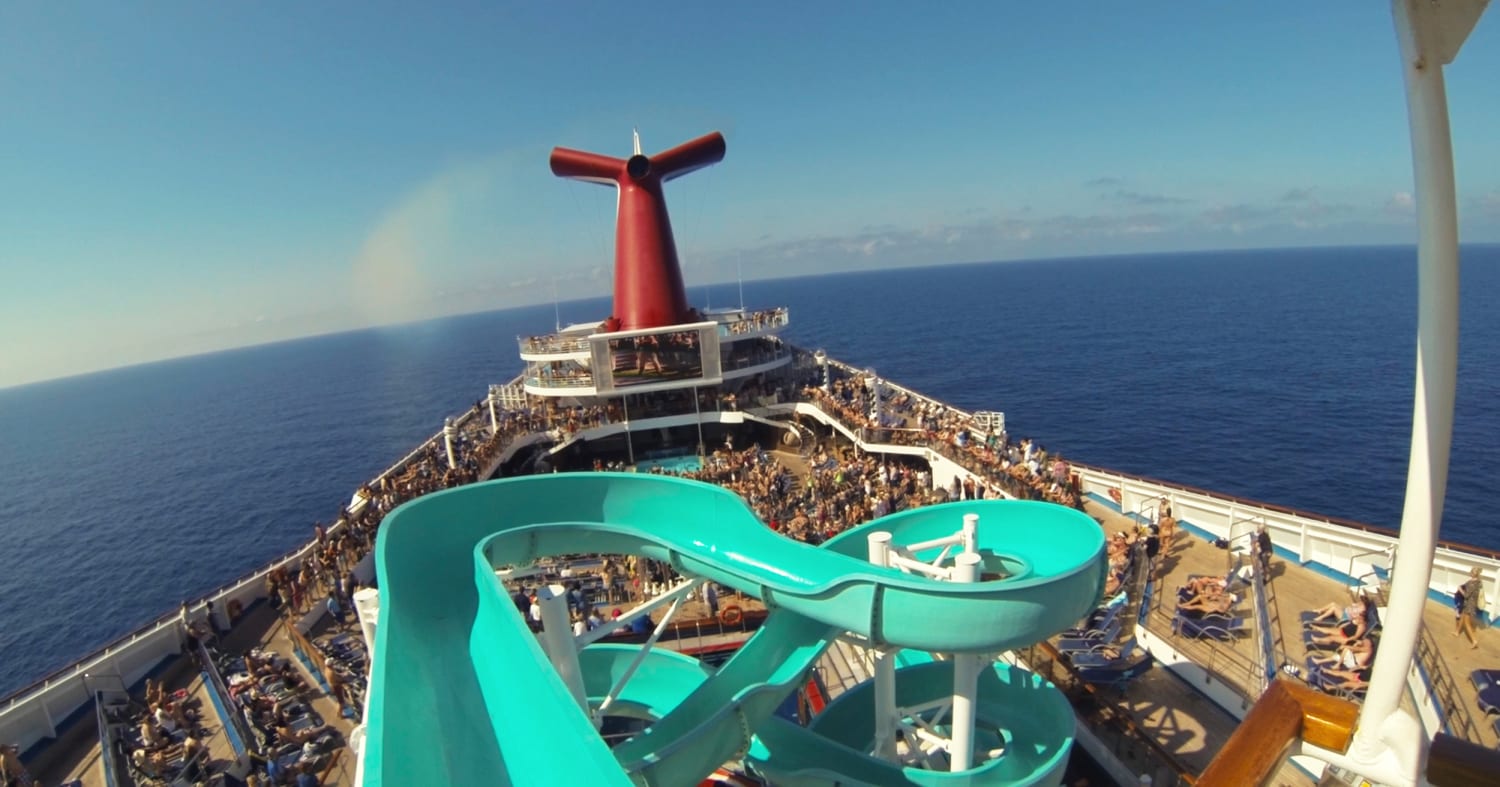
Anatomy of a Branding Disaster: When a Ship Becomes a Meme
The primary challenge of the Carnival Triumph incident was not merely the technical failure of the ship’s propulsion and waste management systems, but the speed at which the narrative spiraled out of the company’s control. In brand strategy, the first entity to define a crisis usually controls the long-term perception of the brand. In this case, Carnival lost control of the narrative within hours.
The Narrative Shift: From Luxury to “Poop Cruise”
Every brand is a promise made to a consumer. Carnival’s brand identity was built on the premise of affordable luxury, escapism, and reliable entertainment. When the Triumph lost power following an engine room fire, that promise was not just broken; it was inverted. The vessel transformed from a symbol of leisure into a floating prison of squalor.
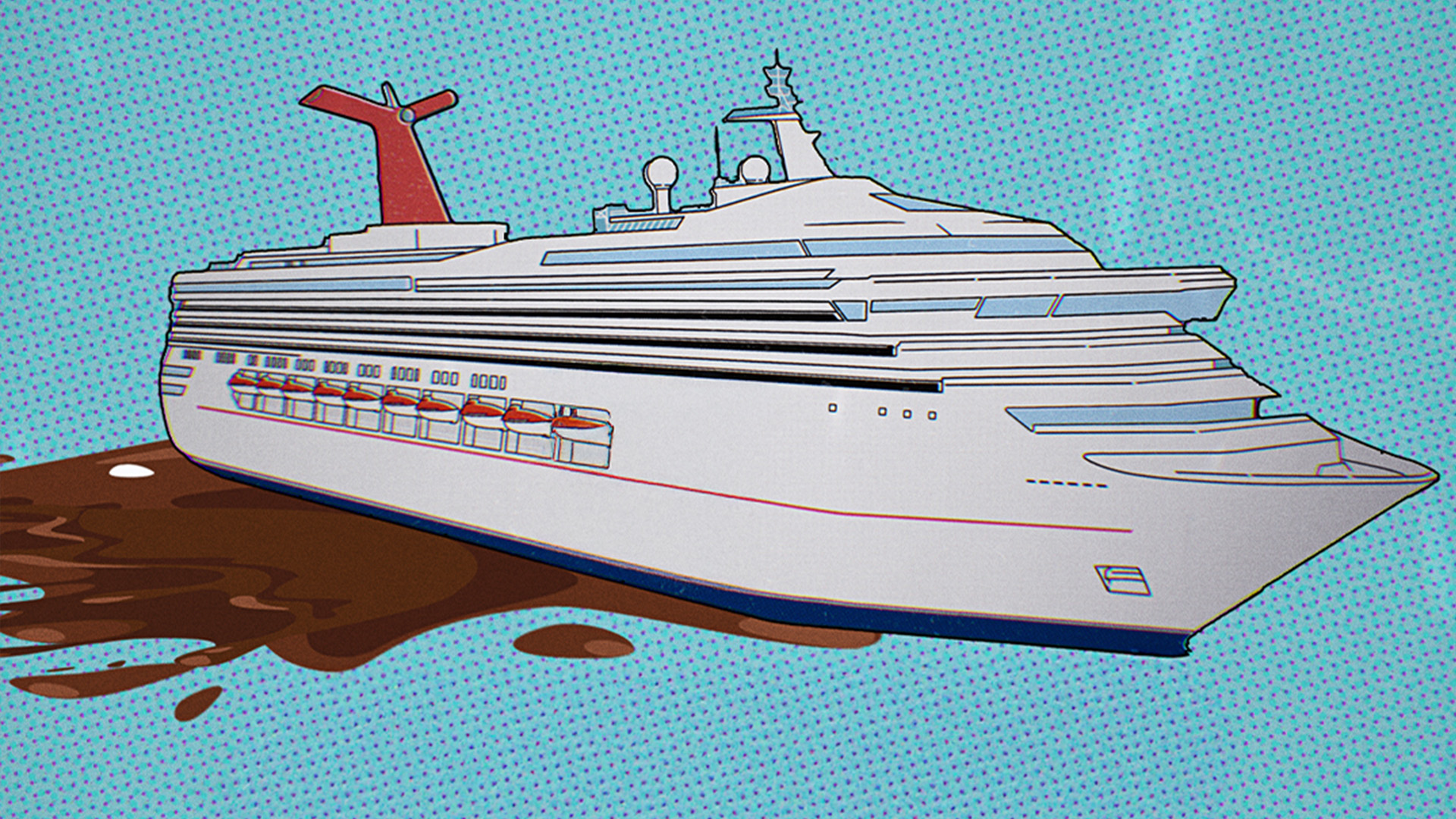
The nickname “Poop Cruise” was a branding nightmare because it was evocative, easy to remember, and impossible to ignore. In marketing terms, this is known as “negative brand salience.” Instead of thinking of the Caribbean sun or world-class buffets, the public began to associate the Carnival logo with the smell of raw sewage and the sight of biohazard bags. Once a brand is reduced to a scatological joke, the path back to “premium” or even “safe” is incredibly steep.
The Role of Real-Time Media in Brand Erosion
2013 marked a turning point in how brand crises were managed, largely due to the maturation of social media and the ubiquity of smartphones. Passengers on the Triumph were able to text, tweet, and upload photos of their conditions as the ship was towed slowly toward Mobile, Alabama.
For the Carnival brand, this meant the crisis was being televised in real-time. The “citizen journalism” of the passengers provided a raw, unedited counter-narrative to the official corporate statements. While Carnival’s PR team was drafting press releases about “passenger comfort,” the passengers were sharing images of mattresses on deck and overflowing toilets. This disconnect created a “trust gap,” a psychological distance between what a brand says and what the consumer sees, which is the most dangerous territory for any corporate identity to inhabit.
Strategic Failures in Crisis Communication
In brand strategy, the response to a crisis is often more important than the crisis itself. A brand that responds with empathy, transparency, and speed can often emerge stronger, having proven its commitment to its customers. Carnival’s initial response, however, is often cited as a “what-not-to-do” in crisis management.
Lack of Transparency and the Information Vacuum
During the first 48 hours of the Triumph ordeal, Carnival’s communication was perceived as clinical and defensive. The brand failed to humanize its response. In branding, particularly in the hospitality sector, the “human element” is the core of the business. By focusing on technical details and logistical updates rather than the lived experience of the passengers, Carnival appeared cold and detached.
When a brand stays silent or provides vague information, it creates an information vacuum. In the absence of official facts, the public and the media will fill that vacuum with speculation, rumors, and, in this case, increasingly horrific descriptions of life on board. For Carnival, this meant that the “Poop Cruise” moniker became the definitive headline because the company provided no compelling alternative narrative.
The Cost of Underestimating the Human Element
One of the most significant blows to the Carnival brand during this period was the perceived absence of leadership. Micky Arison, then the CEO of Carnival Corp, was photographed at a Miami Heat basketball game while the Triumph was still adrift. From a brand strategy perspective, this was a visual catastrophe.
The CEO is the physical embodiment of the brand. By appearing to enjoy a luxury sporting event while his customers were suffering, Arison signaled a lack of “brand accountability.” In the eyes of the public, the Carnival brand no longer cared about its passengers; it cared about its profits and its executives’ leisure. This reinforced the negative perception of the company as a faceless, uncaring corporate giant, further eroding the “Fun Ship” persona they had spent decades and billions of dollars building.
Brand Equity and the Long Road to Recovery
Recovering from a disaster of this magnitude requires more than just an apology; it requires a fundamental restructuring of brand equity and a tangible demonstration of change. Carnival had to move beyond the “Poop Cruise” by proving that the incident was an anomaly, not a systemic failure of their corporate identity.
Rebranding the Vessel: From Triumph to Sunrise
In the world of brand management, sometimes a name is too tarnished to save. While the ship was technically repaired and updated with millions of dollars in new safety and backup power systems, the name Carnival Triumph remained synonymous with the 2013 disaster.
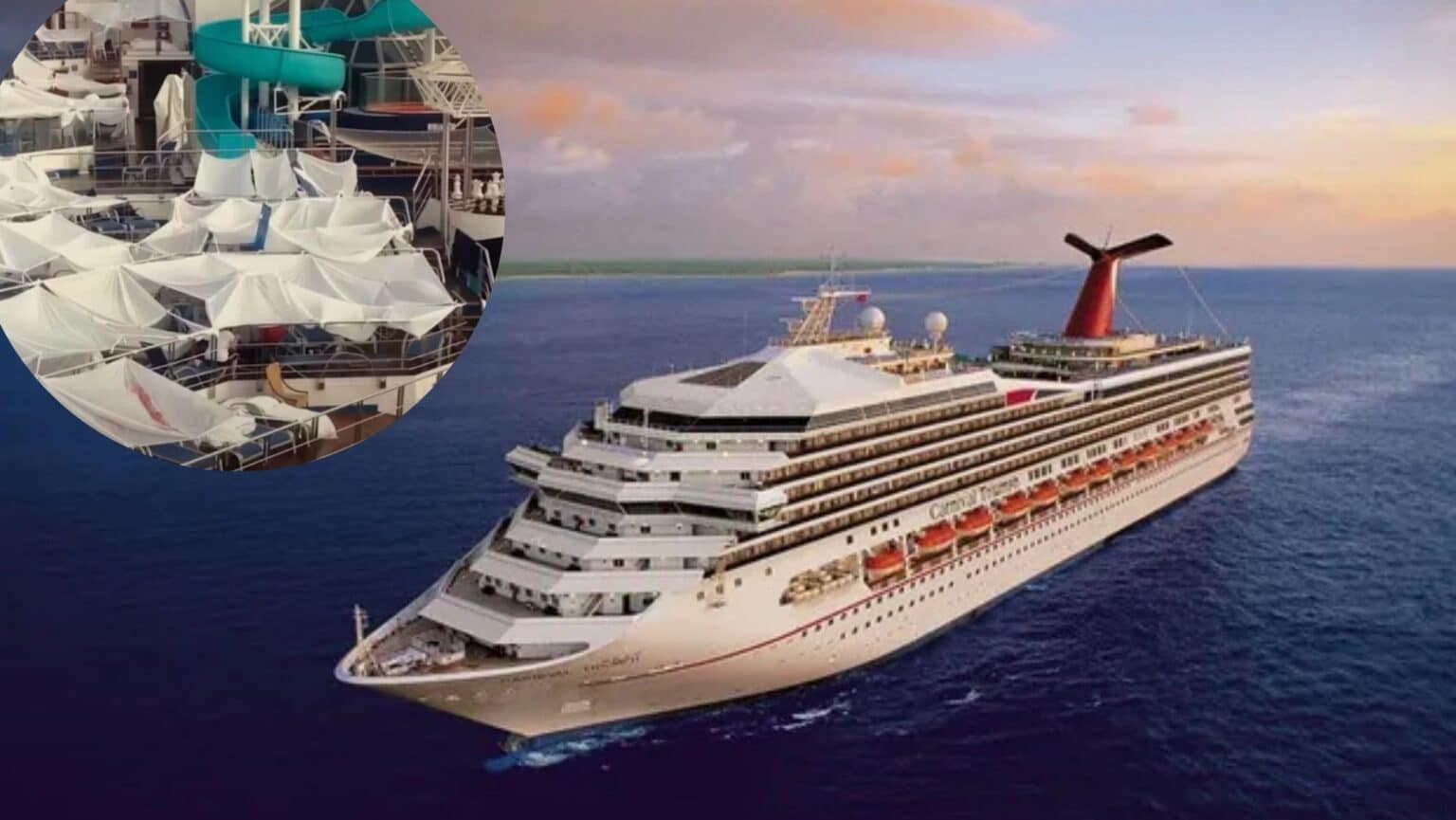
In a classic “Brand Pivot,” Carnival eventually decided to retire the Triumph name entirely. In 2019, after a $200 million bow-to-stern renovation, the ship was renamed the Carnival Sunrise. This was not just a fresh coat of paint; it was a strategic attempt to sever the emotional tie between the physical vessel and its negative history. By launching the Sunrise, Carnival signaled a “new dawn” for the ship, leveraging the psychological power of rebranding to reset consumer expectations.
Rebuilding Trust through Operational Transparency
Following the crisis, Carnival launched a massive “Carnival Service Power” initiative. This was a strategic move to shift the brand’s focus from “entertainment” to “reliability and safety.” They invested $300 million across their fleet to improve fire safety and backup power.
From a marketing standpoint, they didn’t just do the work; they made sure the public knew they were doing it. They shifted their brand storytelling to highlight the “unseen” parts of the cruise experience—the engineering, the safety protocols, and the redundancies. By making their operations more transparent, they began to rebuild the “Trust Equity” that had been depleted during the Triumph incident. They transformed their narrative from “the ship that failed” to “the company that learned and lead the industry in safety.”
Lessons for Modern Brand Strategy
The “Poop Cruise” remains a foundational lesson for any brand manager, marketing executive, or business leader. It illustrates the fragility of reputation and the necessity of a robust crisis strategy that prioritizes the customer’s emotional reality over corporate legalities.
Proactive vs. Reactive Branding
The Carnival Triumph incident proved that a brand must be proactive. If you do not define your brand during a crisis, your detractors—and the internet—will do it for you. Modern brands must have “dark sites” (pre-designed web pages ready to go live during a crisis) and pre-approved messaging that prioritizes empathy and action. Carnival’s mistake was being reactive, allowing the “Poop Cruise” label to gain a foothold before they had even begun to address the public’s concerns.
Building a “Reputation Buffer”
A brand with high equity and a history of goodwill can survive a crisis much better than one with a lukewarm reputation. This is known as a “Reputation Buffer.” Because Carnival had faced previous incidents (such as the Costa Concordia disaster, owned by the same parent company, just a year prior), their buffer was already thin.
For modern businesses, the lesson is clear: every positive interaction with a customer is a deposit into the “Reputation Bank.” When a crisis eventually hits—and in the world of complex logistics, it often will—the brand will need to withdraw from that bank to survive. If the account is empty, or worse, overdrawn, the brand may never fully recover from the “memification” of its failures.
In conclusion, while the Carnival Triumph may have been the ship that earned the “Poop Cruise” title, the incident served as a watershed moment for the cruise industry and brand strategy at large. It highlighted the power of social media to define corporate identity and the necessity of human-centric crisis management. Today, as the Carnival Sunrise sails the seas, it stands as a testament to the fact that while a brand can be tarnished by a single event, it can also be rebuilt through strategic investment, transparent communication, and a relentless focus on reclaiming the customer’s trust.
aViewFromTheCave is a participant in the Amazon Services LLC Associates Program, an affiliate advertising program designed to provide a means for sites to earn advertising fees by advertising and linking to Amazon.com. Amazon, the Amazon logo, AmazonSupply, and the AmazonSupply logo are trademarks of Amazon.com, Inc. or its affiliates. As an Amazon Associate we earn affiliate commissions from qualifying purchases.