
Bronchitis, a common respiratory ailment, affects millions worldwide, characterized by inflammation of the bronchial tubes – the passageways that carry air to and from your lungs. While the discomfort of a persistent cough, mucus production, and shortness of breath is universally understood, the underlying causes of this condition often remain a mystery to many. This article delves into the primary culprits behind bronchitis, exploring the viral, bacterial, and environmental factors that can trigger this inflammatory response. We’ll also touch upon how understanding these causes can empower us with better prevention and management strategies.
The Invisible Invaders: Viral Infections as the Primary Culprits
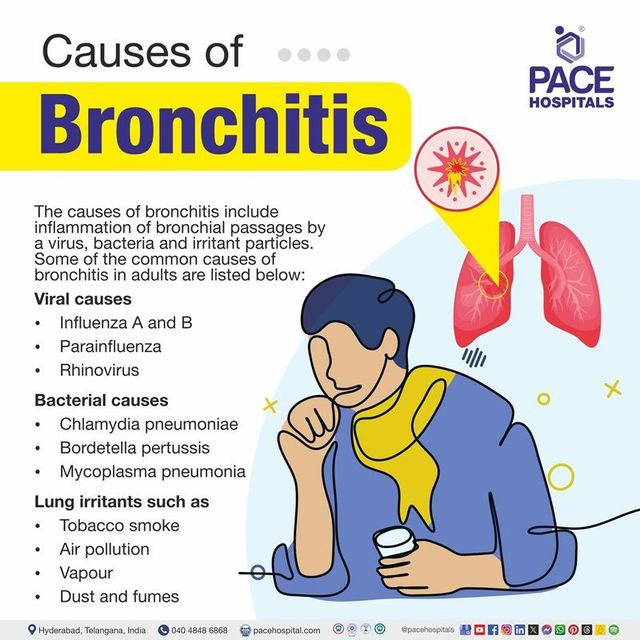
When we talk about what causes bronchitis, the overwhelming majority of cases, particularly acute bronchitis, can be traced back to viral infections. These are the same types of viruses that commonly cause the flu or the common cold.
Understanding Acute Bronchitis
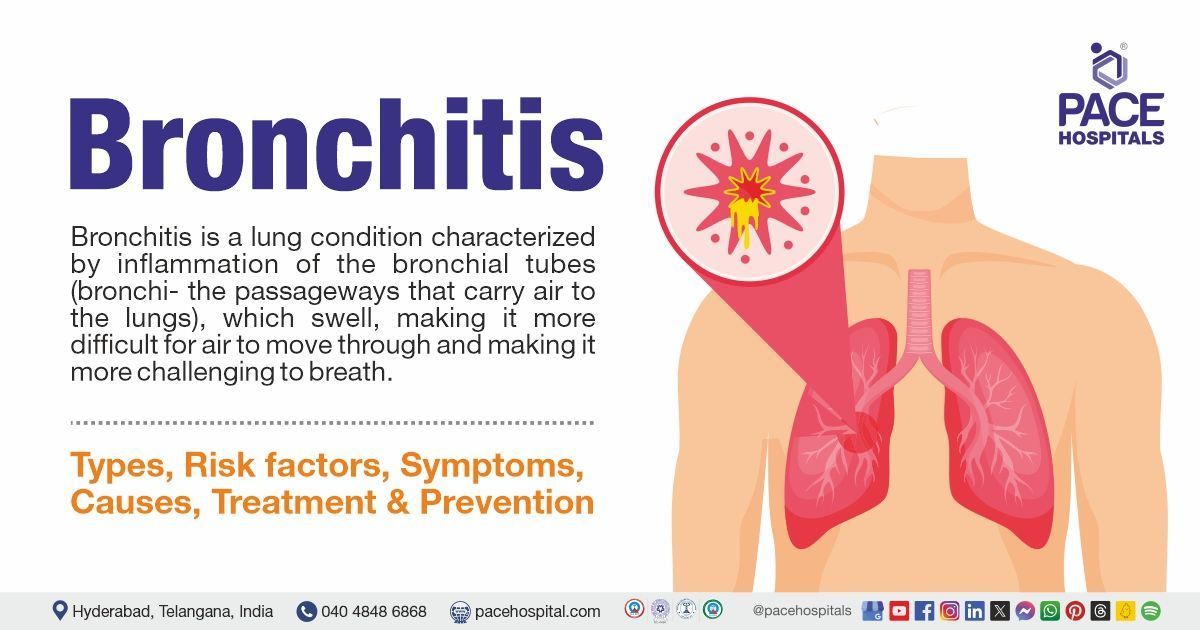
Acute bronchitis is a sudden onset inflammation of the bronchi, typically lasting for a few weeks. It’s usually part of a broader upper respiratory infection. The virus first infects the lining of your nose and throat, and then spreads down into your bronchial tubes. Once there, the virus triggers an inflammatory response. This inflammation causes the lining of the bronchial tubes to swell and produce excess mucus. The swelling narrows the airways, making it harder to breathe, and the excess mucus can clog the tubes, leading to coughing as your body tries to expel it.
Common Viral Agents:
- Rhinoviruses: These are the most frequent culprits behind the common cold and are a leading cause of acute bronchitis. They are highly contagious and spread through respiratory droplets released when an infected person coughs, sneezes, or talks.
- Influenza Viruses (Flu): The influenza virus is another significant cause of acute bronchitis. Flu symptoms are often more severe than a common cold, and bronchitis can be a prominent complication.
- Adenoviruses: These viruses can cause a range of illnesses, including the common cold, sore throat, bronchitis, and pneumonia.
- Respiratory Syncytial Virus (RSV): While often associated with infant respiratory infections, RSV can also cause bronchitis in adults, particularly in older adults or those with weakened immune systems.
- Parainfluenza Viruses: These viruses are responsible for several childhood illnesses, including croup, and can also lead to bronchitis in both children and adults.
The body’s immune system mobilizes to fight off these viral invaders. White blood cells rush to the site of infection, leading to the characteristic inflammation. This immune response, while necessary for healing, is what directly causes the symptoms of bronchitis.
The Progression of Viral Bronchitis:
Typically, viral bronchitis follows a pattern. It often begins with symptoms of an upper respiratory infection, such as a runny nose, sore throat, and mild fever. Within a few days, a cough develops, which may initially be dry but often becomes productive, meaning it brings up phlegm. The cough can persist for several weeks, even after other symptoms have subsided. This lingering cough is due to the ongoing repair process in the bronchial lining.
Beyond Viruses: Bacterial Contributions and Other Contributing Factors
While viruses are the primary offenders, bacteria can sometimes play a role in bronchitis, either as a primary cause or as a secondary infection following a viral illness. Furthermore, certain environmental factors and individual predispositions can increase the risk of developing bronchitis.
Secondary Bacterial Infections
In some instances, a viral infection can weaken the respiratory system, creating an environment where bacteria can thrive and cause a secondary infection. This is more common in individuals with compromised immune systems or pre-existing respiratory conditions.
When Bacteria Step In:
- Opportunistic Bacteria: Bacteria like Streptococcus pneumoniae (pneumococcus), Haemophilus influenzae, and Mycoplasma pneumoniae are common inhabitants of the respiratory tract. Normally, they don’t cause illness, but after a viral assault, they can multiply and invade the inflamed bronchial tissues.
- Symptoms of Bacterial Bronchitis: Bacterial bronchitis can present with similar symptoms to viral bronchitis, but they may be more severe or prolonged. A high fever, chills, and purulent (colored) mucus are more indicative of a bacterial infection.
It’s important to note that differentiating between viral and bacterial bronchitis solely based on symptoms can be challenging. A healthcare professional may order tests, such as a sputum culture, to identify the specific pathogen and determine the most appropriate treatment, which might include antibiotics for bacterial infections. However, it’s crucial to remember that antibiotics are ineffective against viruses.
Environmental Irritants and Allergens
The air we breathe directly impacts our respiratory health. Chronic exposure to certain irritants and allergens can inflame the bronchial tubes, leading to chronic bronchitis or exacerbating acute episodes.
Common Environmental Triggers:
- Air Pollution: Exposure to pollutants from traffic, industrial emissions, and wildfires can irritate and damage the bronchial lining, making it more susceptible to inflammation and infection. Fine particulate matter (PM2.5) is particularly concerning as it can penetrate deep into the lungs.
- Tobacco Smoke: This is arguably the most significant environmental factor contributing to chronic bronchitis. Both direct smoking and secondhand smoke exposure can cause long-term damage to the bronchial tubes. The chemicals in cigarette smoke paralyze and eventually destroy the cilia – tiny hair-like structures that help clear mucus from the airways – leading to a build-up of mucus and chronic inflammation.
- Dust and Fumes: Occupational exposure to dust (e.g., coal dust, silica dust) and chemical fumes (e.g., ammonia, chlorine) can also irritate the airways and contribute to bronchitis.
- Allergens: For some individuals, exposure to allergens like pollen, mold spores, pet dander, and dust mites can trigger allergic reactions that involve inflammation of the bronchial tubes, leading to symptoms similar to bronchitis. This is often seen in people with asthma or allergies.
The Long-Term Perspective: Chronic Bronchitis and its Causes
While acute bronchitis is a short-lived illness, chronic bronchitis is a more serious, long-term condition. It’s characterized by a persistent cough that produces mucus for at least three months a year for two consecutive years. Chronic bronchitis is a form of Chronic Obstructive Pulmonary Disease (COPD).
Understanding Chronic Bronchitis
Chronic bronchitis is primarily caused by long-term irritation and inflammation of the bronchial tubes. This constant assault leads to permanent changes in the airways.
Key Causes of Chronic Bronchitis:
- Long-Term Smoking: As mentioned earlier, smoking is the leading cause of chronic bronchitis. The continuous damage to the cilia and the thickening of the bronchial walls lead to persistent inflammation and mucus production.
- Occupational Exposure to Irritants: Similar to acute bronchitis, prolonged exposure to airborne irritants in the workplace, such as dust, fumes, and chemicals, can contribute to the development of chronic bronchitis over time.
- Air Pollution: Consistent exposure to high levels of air pollution can also contribute to the development and worsening of chronic bronchitis, particularly in urban or industrial areas.
- Genetics (Less Common): While less common than environmental factors, certain genetic predispositions might make some individuals more susceptible to developing chronic bronchitis, especially when combined with environmental exposures.
The Pathophysiology of Chronic Bronchitis:
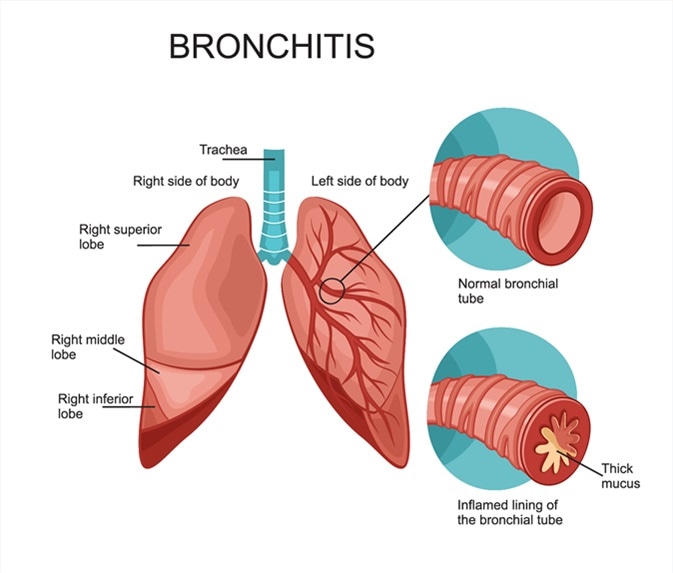
In chronic bronchitis, the lining of the bronchial tubes becomes thickened and inflamed. The glands that produce mucus enlarge, leading to an overproduction of thick, sticky phlegm. This mucus can obstruct the airways, making breathing difficult and increasing the risk of recurrent respiratory infections. The cilia, vital for clearing this mucus, are often damaged or destroyed, further impairing the body’s ability to keep the airways clear.
Who is at Risk?
Several factors can increase an individual’s risk of developing bronchitis, both acute and chronic:
- Age: Young children and older adults are more susceptible to developing bronchitis. Their immune systems may be less robust or have encountered more pathogens over time.
- Weakened Immune System: Individuals with conditions that compromise their immune system, such as HIV/AIDS, cancer, or those undergoing chemotherapy or taking immunosuppressant medications, are at a higher risk of infections that can lead to bronchitis.
- Pre-existing Lung Conditions: People with asthma, emphysema, or cystic fibrosis are more prone to developing bronchitis due to their already compromised respiratory systems.
- Exposure to Irritants: As discussed extensively, smoking, secondhand smoke, and occupational or environmental pollutants are major risk factors.
- Gastroesophageal Reflux Disease (GERD): In some cases, stomach acid that backs up into the esophagus can irritate the airways and potentially contribute to chronic cough and bronchitis-like symptoms.
Conclusion:
Understanding the causes of bronchitis is the first step towards effective prevention and management. While viral infections are the most common culprits behind acute bronchitis, chronic exposure to irritants like tobacco smoke and air pollution plays a significant role in the development of chronic bronchitis. By recognizing these triggers, individuals can make informed choices to protect their respiratory health, such as avoiding smoke, minimizing exposure to pollutants, and seeking prompt medical attention when symptoms arise. This knowledge empowers us to take proactive steps towards clearer breathing and a healthier life.
aViewFromTheCave is a participant in the Amazon Services LLC Associates Program, an affiliate advertising program designed to provide a means for sites to earn advertising fees by advertising and linking to Amazon.com. Amazon, the Amazon logo, AmazonSupply, and the AmazonSupply logo are trademarks of Amazon.com, Inc. or its affiliates. As an Amazon Associate we earn affiliate commissions from qualifying purchases.