
In the modern financial landscape, consumers are often faced with a choice between massive multinational banks and local, member-owned credit unions. While the flashy marketing of commercial banks often dominates the media, credit unions have quietly evolved into full-service financial powerhouses. Originally established as small, niche cooperatives serving specific employee groups or communities, today’s credit unions provide a comprehensive suite of products that rival—and often exceed—the offerings of traditional banks.
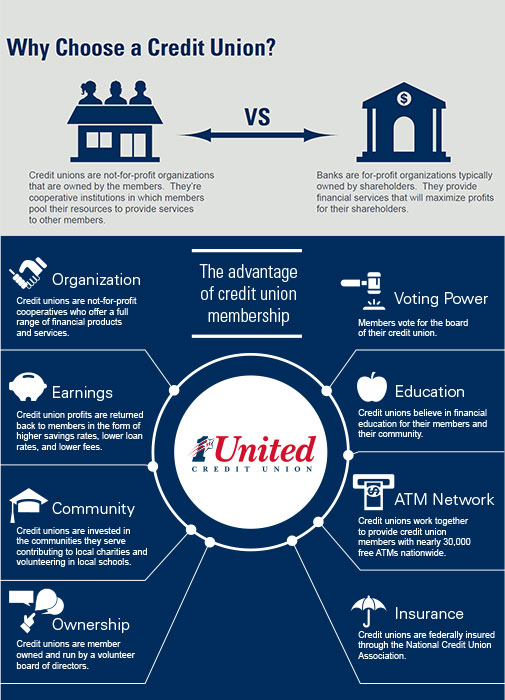
The primary distinction of a credit union lies in its structure: it is a not-for-profit financial cooperative owned by its members. This fundamental difference in corporate philosophy dictates the types of services offered and the cost at which they are provided. Because credit unions do not have to answer to external stockholders demanding quarterly dividends, they can reinvest their earnings back into the membership in the form of lower interest rates on loans, higher yields on savings, and reduced fees.

Fundamental Deposit Accounts: Building a Savings Foundation
At the heart of any credit union are its deposit services. Because these institutions are cooperatives, your deposit is technically a “share” in the organization, making you a partial owner.
Share Draft (Checking) Accounts
What commercial banks call checking accounts, credit unions refer to as share draft accounts. These are designed for everyday liquidity and transactional ease. Most credit unions offer various tiers of checking accounts, often with lower or non-existent monthly maintenance fees compared to “Big Tech” banking apps or traditional national banks. Many of these accounts include features such as free debit cards, early direct deposit (receiving your paycheck up to two days early), and overdraft protection programs that are significantly more affordable than industry averages.
Share (Savings) Accounts
A share account is the entry point for credit union membership. These accounts serve as a safe place to store emergency funds or short-term savings. One of the primary advantages of credit union savings accounts is the interest rate. Credit unions frequently offer higher Annual Percentage Yields (APYs) on basic savings than national retail banks. This is a direct result of their member-focused mission, prioritizing the financial growth of the individual over corporate profit margins.
Money Market Accounts and Certificates
For members looking for higher yields without the volatility of the stock market, credit unions offer Money Market Accounts (MMAs) and Certificates (the credit union equivalent of a Certificate of Deposit, or CD). Money Market accounts typically offer tiered interest rates—the more you deposit, the more you earn—while maintaining a degree of liquidity. Certificates, on the other hand, require a fixed term (ranging from three months to five years) in exchange for a guaranteed, higher interest rate. These are ideal for conservative investors or those saving for a specific mid-term goal, like a down payment on a home.
Lending Solutions: Accessing Capital at Competitive Rates
Perhaps the most significant advantage of credit union membership is found in the lending department. Because credit unions prioritize service over profit, their loan products often feature lower interest rates and more flexible underwriting criteria.
Mortgage and Real Estate Loans
For many, the path to homeownership starts at a credit union. They offer a wide array of mortgage products, including fixed-rate mortgages, adjustable-rate mortgages (ARMs), and government-backed loans like FHA and VA options. Beyond the initial purchase, credit unions are major providers of Home Equity Lines of Credit (HELOCs) and Home Equity Loans. These services allow homeowners to leverage the equity in their property for renovations, debt consolidation, or other major expenses, usually at rates far more favorable than unsecured personal loans.
Vehicle Financing
Credit unions are industry leaders in auto lending. Whether a member is purchasing a new or used vehicle or looking to refinance a high-interest loan from a dealership, credit unions typically offer some of the most competitive rates in the market. Many credit unions also provide specialized financing for motorcycles, boats, and recreational vehicles (RVs), often with extended terms that help keep monthly payments manageable for the average family budget.
Personal Loans and Lines of Credit
When unexpected expenses arise—such as medical bills or home repairs—unsecured personal loans provide a necessary lifeline. Credit unions offer “signature” loans that do not require collateral. These are often used for debt consolidation, allowing members to roll high-interest credit card debt into a single, lower-interest monthly payment. Additionally, personal lines of credit function similarly to a credit card but often come with lower interest rates and more transparent terms.
Credit Card Programs
Credit union credit cards are often overlooked but represent some of the best values in the financial sector. Unlike the “predatory” structures sometimes found in the commercial space, credit union cards frequently feature no annual fees, lower penalty rates, and competitive rewards programs. For those building or repairing their credit, many credit unions offer “secured” credit cards, where the credit limit is backed by a deposit in a savings account, providing a safe pathway to financial stability.

Comprehensive Wealth Management and Financial Planning
Modern credit unions have moved far beyond basic transactions, positioning themselves as holistic financial partners. They recognize that their members’ financial health depends on long-term strategy, not just short-term liquidity.
Retirement Planning and IRAs
Navigating the complexities of retirement can be daunting, but credit unions provide the tools necessary for a secure future. They offer Traditional and Roth Individual Retirement Accounts (IRAs), often with no setup fees. Many credit unions also have dedicated financial advisors on staff who can help members understand the nuances of 401(k) rollovers, tax-advantaged growth, and distribution strategies.
Investment and Advisory Services
For members looking to grow their wealth through the capital markets, many credit unions offer full-service brokerage accounts. Through partnerships with investment firms, credit union members can access stocks, bonds, mutual funds, and exchange-traded funds (ETFs). The advantage of using a credit union for these services is the “member-first” philosophy; advisors are often incentivized by member satisfaction and long-term retention rather than high-commission sales of specific financial products.
Insurance Protection
To provide a true “one-stop-shop” experience, many credit unions offer insurance products through affiliated agencies. This includes life insurance, AD&D (Accidental Death and Dismemberment), auto insurance, and homeowners’ insurance. By leveraging the collective buying power of their membership, credit unions can often negotiate discounted premiums for their members, further enhancing the value of the relationship.
Digital Banking and Payment Modernization
A common misconception is that credit unions lag behind big banks in technology. In reality, the credit union industry has invested heavily in digital transformation to ensure members can manage their money anytime, anywhere.
Mobile and Online Banking Interfaces
Modern credit unions offer robust mobile apps that include biometric security, mobile check deposit, and real-time transaction alerts. These platforms allow members to transfer funds, pay bills, and monitor their credit scores with ease. Many credit unions also integrate with third-party payment apps like Zelle or Venmo, ensuring that members can participate in the peer-to-peer (P2P) economy without friction.
ATM Networks and Shared Branching
One of the most unique services offered by credit unions is the concept of “Shared Branching.” Through a massive national network, members of one participating credit union can walk into the branch of another credit union and perform transactions as if they were at their home institution. Furthermore, most credit unions belong to surcharge-free ATM networks (such as CO-OP or Allpoint), giving members access to more fee-free ATMs than even the largest national banks.
Supporting Local Economies through Business Services
As credit unions have grown, they have become vital partners for small businesses. They understand that local businesses are the backbone of the community, and they tailor their services accordingly.
Commercial Lending and SBA Loans
Small business owners often find it difficult to secure financing from large commercial banks that prefer high-volume corporate lending. Credit unions fill this gap by providing commercial real estate loans, equipment financing, and Small Business Administration (SBA) loans. Because credit unions are locally focused, their loan officers often have a better understanding of the local market conditions, allowing for more personalized and flexible lending decisions.
Small Business Operational Accounts
In addition to lending, credit unions provide the operational infrastructure needed to run a business. This includes business checking accounts with high transaction limits, merchant services for processing credit card payments, and payroll assistance. By offering these services with lower overhead costs, credit unions help local entrepreneurs keep more of their revenue, which in turn fuels local economic growth.
Ultimately, the services offered by credit unions are designed to create a comprehensive financial ecosystem for the member. From the first savings account opened for a child to the complex estate planning of a retiree, credit unions provide a human-centric approach to finance that prioritizes the member’s well-being over the institution’s bottom line. Whether you are looking for a simple place to park your paycheck or a sophisticated partner for business expansion, the modern credit union offers a competitive, ethical, and highly effective alternative to traditional banking.
aViewFromTheCave is a participant in the Amazon Services LLC Associates Program, an affiliate advertising program designed to provide a means for sites to earn advertising fees by advertising and linking to Amazon.com. Amazon, the Amazon logo, AmazonSupply, and the AmazonSupply logo are trademarks of Amazon.com, Inc. or its affiliates. As an Amazon Associate we earn affiliate commissions from qualifying purchases.