
In the dynamic realm of digital entertainment, few brands have achieved the ubiquitous cultural penetration and sustained relevance of Fortnite. Far more than just a video game, Fortnite has evolved into a global phenomenon, a social hub, and a potent marketing platform. At the heart of its enduring success and unique brand identity lies its ingenious “seasonal” model. The seemingly simple question, “What season is it Fortnite?”, belies a sophisticated brand strategy that leverages cyclical reinvention to maintain engagement, drive community interaction, and continually refresh its corporate identity. This article delves into how Fortnite’s seasonal structure is not merely a technical update schedule but a fundamental pillar of its branding, marketing, and long-term strategic positioning.
The Seasonal Model as a Brand Cornerstone
Fortnite’s brand strategy is intrinsically linked to its live-service model, where continuous content updates are paramount. Unlike traditional single-purchase games, Fortnite thrives on keeping players invested over extended periods, and seasons are the primary mechanism for achieving this. Each season acts as a self-contained chapter in the Fortnite saga, complete with new themes, lore, gameplay mechanics, and cosmetic items. This regular cadence of change is a deliberate brand choice, designed to cultivate anticipation and deliver novelty.
Defining Live-Service Branding Through Seasons
A live-service game’s brand is not static; it’s a living entity that evolves with its player base and the content it delivers. For Fortnite, each new season represents a significant branding event. From the initial teasers and trailers that build hype to the official launch and subsequent weeks of content drops, the marketing machine works in overdrive. The seasonal model allows Epic Games to continuously redefine and re-present the Fortnite brand, preventing staleness and encouraging a “fear of missing out” (FOMO) culture that is incredibly effective for player retention. The brand identity of Fortnite is thus a tapestry woven from its past seasons, each contributing a unique flavor and memory to the overall player experience.
The Cadence of Reinvention and Anticipation
The predictable yet ever-changing nature of Fortnite seasons creates a powerful cycle of anticipation. Players aren’t just waiting for “an update”; they’re waiting for “the new season,” a distinct narrative and gameplay paradigm. This regular reinvention is crucial for a brand operating in a highly competitive digital landscape. By systematically overhauling its core offering every few months, Fortnite ensures it always has something new to talk about, something fresh for its community to explore, and a renewed reason for lapsed players to return. This continuous narrative reset allows the brand to shed old skin and embrace new themes, ranging from ancient mythologies to futuristic cyberpunk, proving its adaptability and creative depth. This isn’t just about new maps or weapons; it’s about a complete thematic refresh that keeps the brand feeling current and exciting.
Engaging the Community: Narrative & Content Strategy
Beyond the technical aspect of delivering updates, Fortnite seasons are masterclasses in community engagement through compelling narrative and strategic content rollout. The “story” of Fortnite unfolds season by season, drawing players into an evolving world and fostering a sense of shared experience.
Storytelling in a Battle Royale Arena
Fortnite has ingeniously infused a narrative into a genre typically devoid of deep lore: the battle royale. Each season introduces new characters, plot twists, and overarching conflicts that impact the game world. This storytelling is often delivered through in-game events, cinematic trailers, and subtle environmental changes, encouraging players to actively participate in the unfolding saga. This narrative approach transforms the game from a mere arena for competition into a dynamic, living world. The brand narrative isn’t just told; it’s experienced by millions simultaneously, creating powerful communal moments that are widely discussed across social media platforms, amplifying the brand’s organic reach.
Map Changes, Gameplay Evolution, and Experiential Marketing
A core element of seasonal changes is the transformation of the game’s iconic map. Key locations might be destroyed, new biomes introduced, or existing areas drastically altered to reflect the ongoing narrative. These map changes are not just aesthetic; they fundamentally shift gameplay strategies, forcing players to adapt and learn new tactics. This constant evolution keeps the game fresh and prevents it from becoming repetitive. Furthermore, Epic Games frequently hosts large-scale, limited-time in-game events that serve as pivotal narrative moments, drawing in millions of concurrent players. These events—like the destruction of the old map, the black hole event, or musical concerts—are prime examples of experiential marketing, creating unforgettable brand moments that generate immense social media buzz and cement Fortnite’s place in popular culture. They are not just updates; they are global brand activations.
Driving Loyalty and Retention Through Progression

The seasonal model is highly effective in driving player loyalty and retention, primarily through its structured progression systems and clever monetization strategies, all designed to deepen player investment in the Fortnite brand.
Battle Passes and Strategic Monetization
The Battle Pass is arguably the most brilliant component of Fortnite’s seasonal strategy from a business and brand perspective. It offers players a tiered reward system, unlocking cosmetic items, V-bucks (in-game currency), and other exclusive content as they progress through the season. This system encourages consistent play and acts as a powerful incentive for players to return daily. By tying unique, time-limited cosmetics to each season, the Battle Pass creates a sense of exclusivity and achievement. Players invest not just money (to purchase the pass) but also time, fostering a deeper psychological connection to the game. This model ensures a steady revenue stream for Epic Games while simultaneously enhancing player engagement and perceived value, reinforcing the brand’s commitment to rewarding its loyal community.
The Psychology of Seasonal Resets and Player Investment
Each season’s end brings a “soft reset,” wiping away seasonal progress and introducing a new Battle Pass. This psychological loop is incredibly effective. It provides a clean slate for all players, preventing latecomers from feeling too far behind and giving veterans a fresh set of challenges. The progression system, tied to the Battle Pass and seasonal challenges, turns playtime into a tangible journey of achievement. Players invest their time, effort, and sometimes money into collecting seasonal items, which become badges of honor and personal expressions within the game. This individual investment in the game’s cosmetic ecosystem further strengthens their bond with the Fortnite brand, transforming them from mere players into active participants in its cultural phenomenon. Their personalized avatars become extensions of the brand’s identity.
Marketing the Meta: Collaborations and Cultural Relevance
Fortnite’s brand strategy extends far beyond its own IP, leveraging its seasonal model as a launchpad for unprecedented collaborations that consistently place it at the epicenter of global pop culture. These partnerships are a testament to the brand’s immense reach and its ability to act as a metaverse-like platform for other brands.
IP Crossovers and Brand Extension
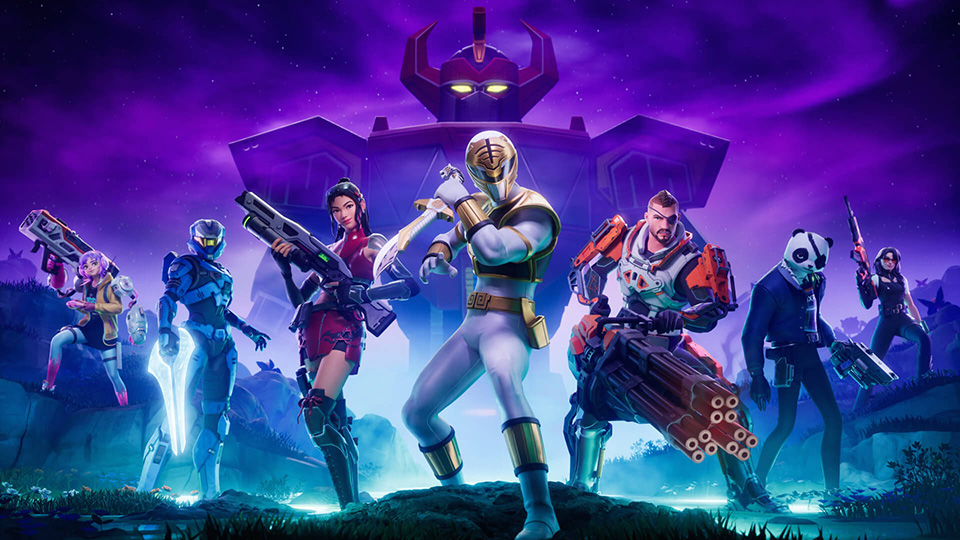
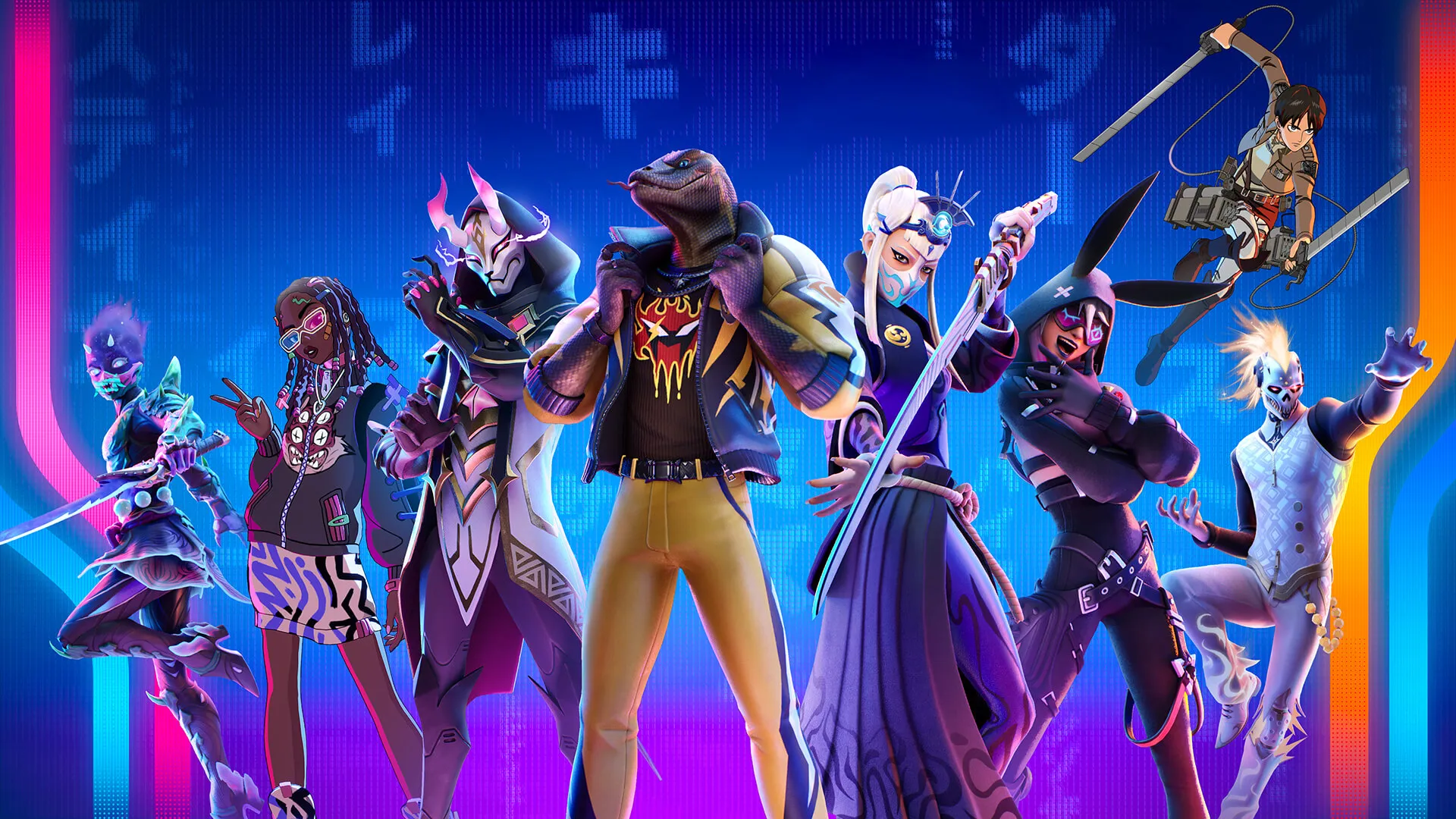
One of Fortnite’s most defining brand characteristics is its willingness and ability to collaborate with virtually any other major intellectual property. From Marvel superheroes and Star Wars characters to pop music icons like Travis Scott and Ariana Grande, and even fashion brands, Fortnite has hosted an eclectic array of crossovers. These collaborations are often integrated into seasonal themes, offering unique skins, emotes, and in-game events that appeal to a broad demographic beyond traditional gamers. For the collaborating brands, Fortnite offers unparalleled access to a massive, engaged audience. For Fortnite, these crossovers constantly refresh its appeal, introduce new demographics to its ecosystem, and reinforce its image as a cultural melting pot where anything can happen. Each collaboration is a brand extension, pulling new audiences into the Fortnite orbit and solidifying its position as a cultural touchstone.
Influencer Marketing and Streaming Culture
The symbiotic relationship between Fortnite and the world of streaming and content creation is crucial to its marketing success. Each new season provides a wealth of fresh content for streamers and YouTubers, from exploring new map changes and weapon metas to reacting to story events and showcasing new cosmetic items. Influencers not only play the game but also interpret and amplify the brand’s message, reaching millions of potential players. Epic Games often partners with prominent streamers for early access, exclusive reveals, or special events, effectively turning them into brand ambassadors. This organic marketing through creator content is incredibly powerful, lending authenticity and reach that traditional advertising often struggles to achieve. The seasonal nature ensures a constant stream of new material, keeping the game in the trending topics and driving continuous engagement.
Evolving the Corporate Identity: Beyond a Game
Fortnite’s seasonal strategy is not just about sustaining a successful game; it’s about Epic Games’ broader vision for its corporate identity and its ambition to transcend the traditional gaming space, venturing into the burgeoning metaverse.
The Metaverse Ambition and Platform Building
Epic Games has openly expressed its vision for Fortnite to evolve into a full-fledged metaverse—a persistent, interconnected virtual world where players can socialize, create, consume entertainment, and interact with various brands and experiences. The seasonal model plays a crucial role in this ambition by constantly adding new features, creative tools (like Fortnite Creative), and a diverse range of themed content that tests the boundaries of what a virtual space can offer. Each season builds upon the technical and creative infrastructure that supports this metaverse vision, allowing Epic to experiment with new forms of interaction and content delivery. The corporate identity of Epic Games is increasingly linked to this pioneering role in the metaverse, with Fortnite seasons serving as iterative steps towards that grander vision.
Future-Proofing the Fortnite Brand
By embracing continuous change and community engagement through its seasonal model, Fortnite effectively future-proofs its brand. In an industry characterized by rapid technological advancements and shifting player preferences, stagnation is a death sentence. Fortnite’s commitment to regular reinvention ensures it remains agile, adaptable, and relevant. It can quickly integrate new trends, experiment with different genres, and respond to player feedback, all within the flexible framework of a new season. This strategic foresight ensures that even as individual seasons come and go, the core Fortnite brand – vibrant, dynamic, and ever-evolving – retains its dominant position in the digital entertainment landscape for years to come. The question “What season is it Fortnite?” will continue to be asked, not just as a query about current gameplay, but as a recognition of a brand that has mastered the art of perpetual rebirth.
In conclusion, the inquiry “What season is it Fortnite?” opens a window into one of the most sophisticated and successful brand strategies in modern entertainment. Fortnite’s seasonal model is a meticulously crafted engine for continuous engagement, community building, and cultural relevance. It’s a testament to how a live-service approach, when executed with a deep understanding of branding, marketing, and corporate identity, can transform a game into a lasting cultural icon and a blueprint for the future of digital experiences.
aViewFromTheCave is a participant in the Amazon Services LLC Associates Program, an affiliate advertising program designed to provide a means for sites to earn advertising fees by advertising and linking to Amazon.com. Amazon, the Amazon logo, AmazonSupply, and the AmazonSupply logo are trademarks of Amazon.com, Inc. or its affiliates. As an Amazon Associate we earn affiliate commissions from qualifying purchases.