
In the vast landscape of modern media, few franchises have captured the global imagination quite like The Walking Dead. What began as a critically acclaimed comic book series rapidly evolved into a multi-platform entertainment juggernaut, encompassing television series, video games, novels, and a vibrant fandom. Central to the success of such a massive brand is its ability to consistently deliver impactful storytelling that resonates deeply with its audience. Character deaths, especially those of core figures, are not merely plot points; they are strategic brand moments that can redefine narrative direction, amplify emotional investment, and cement the brand’s identity. The question, “What season did Lori die in The Walking Dead?”—with Lori Grimes, Rick’s wife and Carl’s mother, meeting her demise in Season 3, Episode 4, “Killer Within”—serves as a powerful lens through which to examine the intricate relationship between a brand’s narrative choices and its long-term market presence and audience loyalty.

This article delves into how The Walking Dead leveraged such a pivotal, and often brutal, narrative event to fortify its brand, sustain engagement, and strategically manage the emotional capital of its vast fanbase. We will explore the show’s unique brand promise, the strategic implications of character sacrifices, and the enduring lessons for any brand looking to build a deep, lasting connection with its audience through compelling storytelling.
The Walking Dead as a Global Brand Phenomenon: Crafting a Narrative Identity
The brand of The Walking Dead is built upon a foundation far more complex than just zombies. It’s a brand promise rooted in the human condition, moral dilemmas, and the relentless struggle for survival in a world stripped bare. Understanding this core identity is crucial to appreciating the strategic impact of events like Lori’s death.
Building a Post-Apocalyptic Empire: From Comics to Multi-Media Dominance
The Walking Dead brand didn’t just appear; it was meticulously built. Starting with Robert Kirkman’s groundbreaking comic series in 2003, the narrative carved out a niche that was less about zombie gore and more about the human survivors. This established an early brand identity focused on character depth and ethical quandaries. When AMC adapted the comics into a television series in 2010, it faced the challenge of translating this complex brand identity to a broader, mainstream audience. The show succeeded by amplifying the emotional stakes and creating a world that felt both terrifyingly real and deeply human.
The brand’s expansion into multiple spin-off series (Fear the Walking Dead, The Walking Dead: World Beyond, Tales of the Walking Dead, and upcoming focused spin-offs), video games (Telltale’s acclaimed narrative series), and merchandise demonstrates a sophisticated brand strategy. Each extension reinforced the core themes while exploring new facets of the universe, ensuring a diversified yet cohesive brand ecosystem. This multi-media approach allowed The Walking Dead brand to capture different audience segments and maintain relevance over more than a decade.
The Core Brand Promise: Survival, Humanity, and Unpredictability
At its heart, The Walking Dead promises an unflinching look at survival, a continuous examination of what it means to be human when civilization collapses, and a pervasive sense of unpredictability. This unpredictability is a cornerstone of the brand’s appeal. Unlike many serialized dramas where main characters often feel invincible, The Walking Dead established early on that no one was safe. This brand characteristic fosters a unique form of audience engagement: a constant state of tension and investment, where every character’s journey feels genuinely perilous.
Lori’s death in Season 3 was a monumental reaffirmation of this brand promise. She was the protagonist’s wife and the mother of his children, a character deeply embedded in the show’s emotional core. Her unexpected, brutal demise, particularly during childbirth, underscored the brand’s commitment to its gritty realism and its willingness to make bold, irreversible narrative choices, even if those choices were emotionally devastating for the audience. This act reinforced the idea that in the world of The Walking Dead, the stakes are always real, and no character is immune to the harsh realities of the apocalypse.
Character Deaths as Strategic Brand Moments: The Case of Lori Grimes
In brand storytelling, certain narrative events act as critical junctures that define and redefine the brand itself. For The Walking Dead, character deaths are not mere plot devices; they are meticulously crafted, high-impact brand moments designed to achieve specific strategic goals. Lori’s death is a prime example of this strategic deployment.
Lori’s Demise: A Pivotal Narrative Shockwave
Lori Grimes’s death in “Killer Within” was not just a tragic event; it was a narrative earthquake that sent shockwaves through the entire brand. Occurring early in Season 3, it signaled a profound shift in the show’s direction and character arcs. Her death was particularly brutal, dying during an emergency C-section performed by Maggie, with Carl being forced to deliver the killing blow to prevent her reanimation. This sequence was designed to be deeply traumatizing and unforgettable.
From a brand perspective, this event served several crucial functions:
-
Reaffirming unpredictability: It reminded viewers that The Walking Dead would never shy away from killing beloved characters, regardless of their perceived importance. This kept the audience on edge and invested.
-
Deepening emotional investment: The sheer horror and raw emotion surrounding Lori’s death, particularly Rick’s subsequent breakdown, cemented a powerful emotional connection with the audience. Viewers grieved alongside the characters, strengthening their bond with the brand.
-
Catalyst for character development: Lori’s death served as a major turning point for Rick, fueling his descent into a darker, more ruthless leadership style, and for Carl, who was forced to confront unimaginable horror at a young age. These transformations were essential for extending the brand’s narrative arc.
The Art of Fan Engagement Through Emotional Impact
A successful brand fosters a community, and The Walking Dead excels at cultivating one through shared emotional experiences. Lori’s death generated immense discussion, debate, and emotional outpouring across social media, fan forums, and water coolers. This engagement is a vital metric for any brand.
The brand managers (showrunners, writers, marketing teams) understood that while sad, these moments of profound emotional impact are critical for deeper fan engagement. The collective experience of shock, sadness, and discussion solidified the fan base. It gave viewers a shared memory and a common talking point, reinforcing their sense of belonging to The Walking Dead community. This engagement translated into continued viewership, positive word-of-mouth marketing, and sustained interest in the brand’s future. It was a testament to the brand’s ability to manipulate emotions masterfully for narrative and, by extension, commercial benefit.
Maintaining Brand Tension and Relevance
In long-running series, maintaining tension and relevance is a constant challenge. Character deaths are a powerful tool to prevent narrative stagnation. Lori’s death, by dramatically altering the family dynamic and Rick’s psychological state, ensured that the brand’s core conflicts—survival, leadership, morality—remained fresh and compelling.
It signaled that the show was willing to evolve, to shed old skins, and to push its characters into new, uncharted territories. This willingness to take risks, even at the cost of beloved characters, is a hallmark of a brand confident in its identity and its storytelling prowess. It demonstrated that The Walking Dead was not afraid to break conventions, thereby maintaining its edge in a competitive entertainment market.
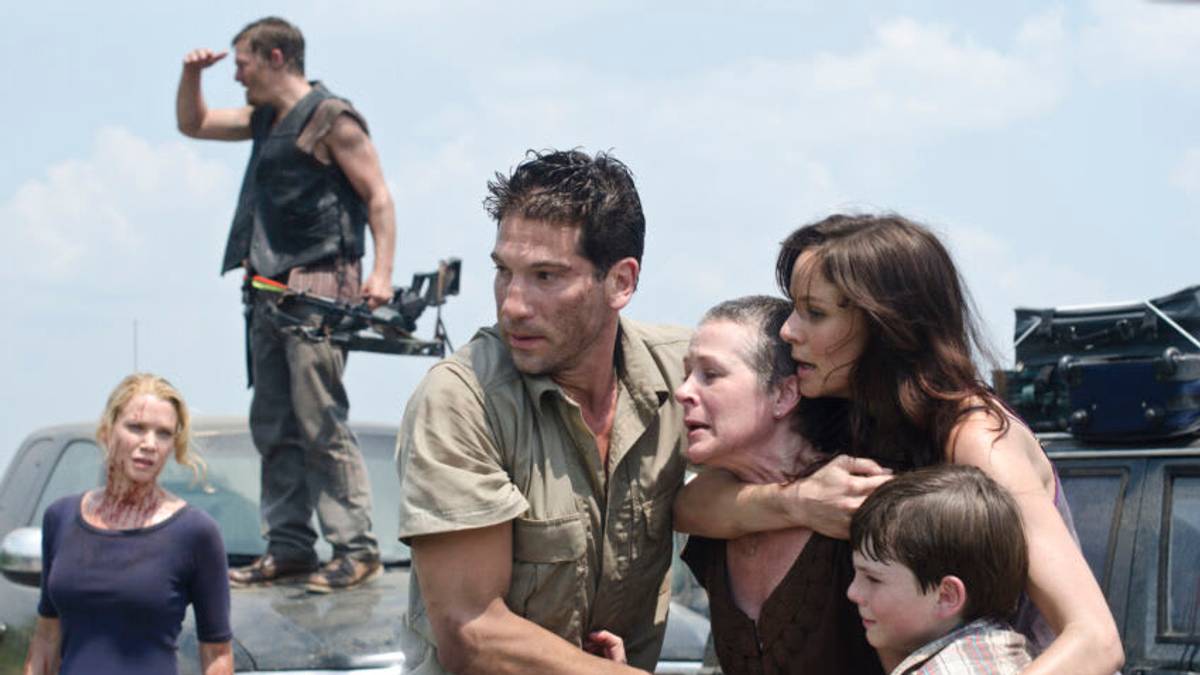
The Aftermath: Sustaining Brand Loyalty and Narrative Arc
The immediate shock of a major character death is one thing, but how a brand manages the aftermath is crucial for long-term loyalty and narrative coherence. The Walking Dead‘s handling of Lori’s absence and its effects on the surviving characters played a significant role in solidifying the brand’s emotional resonance.
Rick’s Evolution: Redefining the Protagonist Brand
Rick Grimes, as the central protagonist, is effectively the face of The Walking Dead brand. His journey is the audience’s journey. Lori’s death was the ultimate catalyst for his transformation from a hopeful, moral leader into a hardened, often brutal, but fiercely protective figure. This evolution was not a simple change but a profound deconstruction and reconstruction of his character’s “personal brand.”
For much of Season 3 and into Season 4, Rick grappled with hallucinations of Lori, showcasing the deep psychological scars left by her death. This prolonged grief allowed the audience to connect with his pain and understand his increasingly complex decisions. It also opened up new avenues for conflict and character exploration, proving that even in loss, the brand could find rich narrative material. This profound transformation ensured that Rick’s character, and by extension, the brand, remained dynamic and engaging, preventing the lead from becoming stale or predictable.
Community Reaction and Brand Resonance
The fan community’s reaction to Lori’s death was intense and varied, ranging from heartbreak to criticism of the character’s earlier development. However, the sheer volume of discussion reinforced the brand’s resonance. The Walking Dead effectively used this moment to deepen its connection with the audience, creating shared experiences of grief and anticipation.
The ability of a brand to evoke such strong emotions, even negative ones like sadness or anger at a character’s demise, is a sign of deep audience investment. It means the audience cares. This emotional engagement is far more valuable than passive consumption, as it transforms viewers into advocates and participants in the brand’s ongoing story. The collective processing of Lori’s death on social media and fan forums became an integral part of the The Walking Dead experience, a testament to its successful brand community building.
Long-Term Impact on Character Development and Storylines
Lori’s death had ripple effects that lasted for seasons, influencing not just Rick and Carl, but also Maggie (who delivered the baby) and Judith, the child she died giving birth to. Judith’s existence, a constant reminder of Lori’s sacrifice, became a symbol of hope and the future in a desolate world, central to Rick’s motivations for years.
This demonstrates a masterful long-term brand storytelling strategy. A pivotal event wasn’t just a flash in the pan; it was foundational to subsequent character arcs and major plot developments. By intertwining the tragedy of Lori’s death with the promise of Judith’s future, the brand managed to balance its bleak realism with glimmers of hope, ensuring its narrative remained complex and multifaceted.
Lessons for Brand Strategists: Leveraging High-Stakes Storytelling
The saga of Lori Grimes’s death in The Walking Dead offers invaluable insights for brand strategists in any industry. It highlights the power of authentic, high-stakes storytelling in building and maintaining a strong brand identity and loyal customer base.
The Power of Vulnerability in Brand Narratives
The Walking Dead brand is not afraid to show vulnerability—both in its characters and in its narrative choices. Lori’s death exposed the deep vulnerabilities of Rick and Carl, making them more relatable and human. For brands, this translates to the importance of authenticity and showing a “human” side. Brands that are transparent, admit imperfections, or tell stories that resonate with genuine human experiences often forge deeper connections than those that present a constantly perfect facade. The willingness to evoke strong, even difficult, emotions can be a powerful differentiator.
Managing Audience Expectations vs. Delivering Impact
One of the greatest challenges for any brand is managing audience expectations while simultaneously surprising and delighting them. The Walking Dead achieved this by establishing an early brand promise of unpredictability. Viewers expected character deaths, but the how and when of Lori’s demise (during childbirth, with Carl’s involvement) were profoundly impactful precisely because they defied conventional narrative tropes.
Brands can learn from this: while consistency in quality and messaging is crucial, occasional strategic disruptions or unexpected developments can reinvigorate audience interest. It’s about understanding the core brand contract with the audience and knowing when to adhere to it, and when to subvert it for maximum impact.

The Role of Social Media in Amplifying Brand Moments
The era in which The Walking Dead rose to prominence coincided with the explosion of social media. The intense reactions to Lori’s death were amplified across platforms, creating real-time, global conversations that extended the reach and impact of the brand moment far beyond the broadcast itself.
For modern brands, this underscores the critical role of social media as not just a marketing channel, but as a living, breathing extension of the brand’s narrative. Brands must be prepared to engage with real-time audience reactions, leverage user-generated content (discussions, theories, tributes), and understand how major brand moments will play out in the digital sphere. The collective fan experience on social media became an integral part of The Walking Dead‘s brand identity and continued success.
In conclusion, Lori Grimes’s death in The Walking Dead Season 3, Episode 4 was far more than a simple plot development. It was a masterclass in brand storytelling, a strategic narrative choice that reinforced the brand’s core identity, deepened audience engagement, and set the stage for years of compelling television. For brand strategists, it serves as a powerful reminder that authenticity, courage in narrative choices, and a deep understanding of audience psychology are paramount in building a brand that not only captures attention but also commands unwavering loyalty.
aViewFromTheCave is a participant in the Amazon Services LLC Associates Program, an affiliate advertising program designed to provide a means for sites to earn advertising fees by advertising and linking to Amazon.com. Amazon, the Amazon logo, AmazonSupply, and the AmazonSupply logo are trademarks of Amazon.com, Inc. or its affiliates. As an Amazon Associate we earn affiliate commissions from qualifying purchases.