
Navigating the landscape of healthcare expenses can be a daunting task, even with robust insurance coverage. From unexpected medical emergencies to elective procedures not fully covered, out-of-pocket costs can quickly accumulate, presenting a significant financial burden for many individuals and families. This is where specialized financial tools like CareCredit come into play, offering a dedicated line of credit specifically designed for health, wellness, and beauty needs. While an invaluable resource, a common question arises for potential applicants: “What credit score do you need for CareCredit?” Understanding the credit score requirements and the broader factors influencing approval is crucial for anyone considering this financing option. This comprehensive guide will delve into CareCredit’s purpose, its typical credit score expectations, strategies to improve your chances of approval, and how to manage the account responsibly, all to help you make informed decisions about financing your healthcare needs.
Understanding CareCredit and Its Purpose
Before diving into the specifics of credit scores, it’s essential to grasp what CareCredit is and how it functions within the financial ecosystem of healthcare. It’s not just another credit card; it’s a specialized tool with unique features tailored to medical expenses.
What is CareCredit?
CareCredit is a healthcare credit card that provides a revolving line of credit exclusively for healthcare services. Offered by Synchrony Bank, it is accepted at over 250,000 enrolled provider locations nationwide, covering a vast array of services not typically or fully covered by standard health insurance. This includes, but is not limited to:
- Dental Care: Routine cleanings, fillings, orthodontics, root canals, implants, cosmetic dentistry.
- Vision Care: Eye exams, glasses, contact lenses, LASIK surgery.
- Veterinary Care: Pet wellness, emergency treatments, surgeries, medications.
- Cosmetic Procedures: Plastic surgery, dermatological treatments, injectables.
- Hearing Care: Hearing aids, evaluations.
- Other Medical Services: Chiropractic care, medical equipment, audiology, and more.
Its primary purpose is to make managing out-of-pocket medical costs more manageable by allowing patients to pay for services over time, rather than upfront. This can be particularly beneficial for high-cost procedures or for those with high deductibles or limited insurance coverage.
How CareCredit Works
At its core, CareCredit functions much like a standard credit card, offering a credit limit that you can draw upon as needed. However, its most distinguishing feature is its promotional financing options. Many providers that accept CareCredit offer special financing plans, which often include periods of deferred interest or even 0% APR, typically ranging from 6 to 24 months.
These promotional periods are a significant draw, as they allow patients to pay off their balance interest-free, provided the full amount is paid by the end of the promotional term. It is critical, however, to understand the “deferred interest” clause. If the full promotional balance is not paid off by the due date, interest will be charged from the original purchase date, potentially resulting in a substantial and unwelcome increase in the total cost. After any promotional period expires, or for balances not under promotion, standard interest rates (which can be quite high, comparable to other retail credit cards) apply. This unique structure makes responsible usage and a clear understanding of the terms paramount.
The Credit Score Landscape for CareCredit
When considering an application for CareCredit, your credit score is undeniably a significant factor. However, it’s not the sole determinant, and the specific score required can be more flexible than for some other types of credit.
General Credit Score Expectations
CareCredit is generally considered more accessible than premium travel credit cards or traditional personal loans. While there’s no universally published minimum credit score, insights from applicants and financial experts suggest that CareCredit often targets individuals with Fair to Good credit.
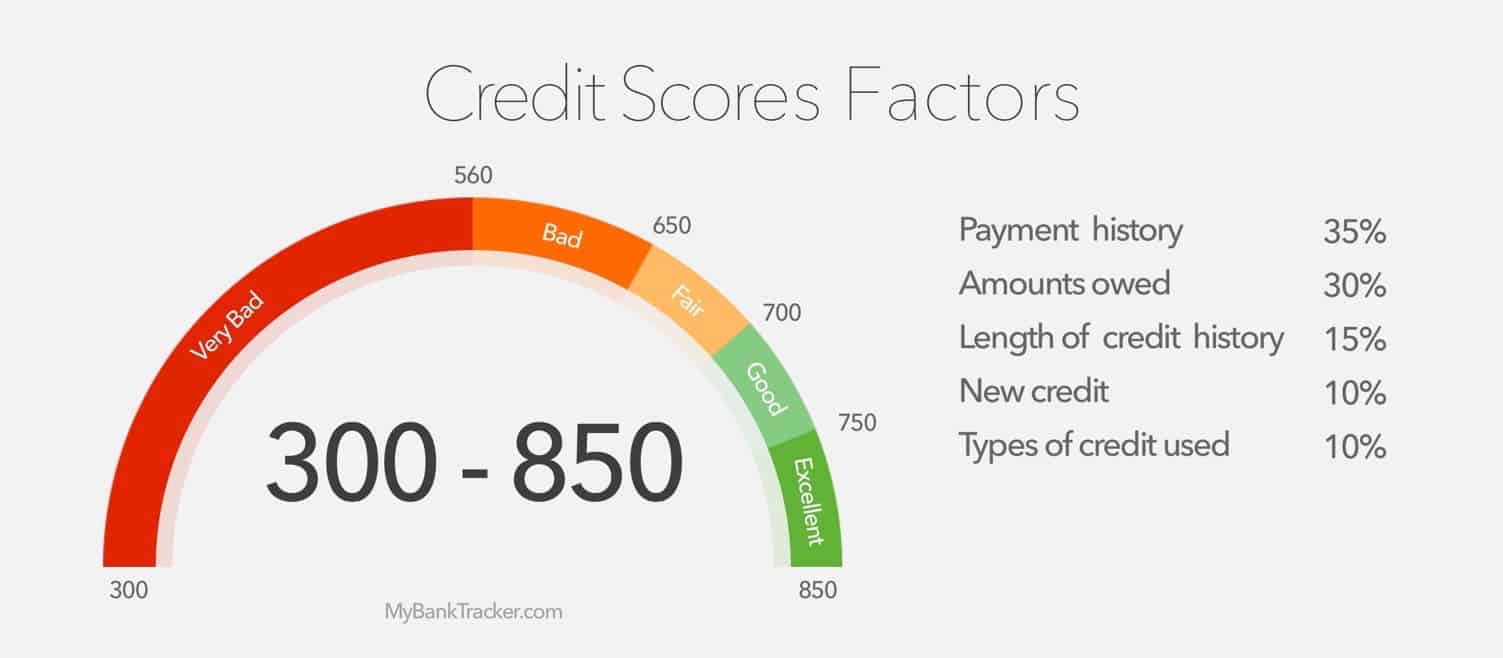
To provide context, FICO Scores, the most widely used credit scoring model, categorize scores as follows:
- Poor: Below 580
- Fair: 580-669
- Good: 670-739
- Very Good: 740-799
- Excellent: 800-850
Based on anecdotal evidence and industry trends, applicants with a FICO score in the low 600s (e.g., 620-670) often have a reasonable chance of approval. Some applicants with scores slightly lower than 620 have also been approved, especially if other aspects of their financial profile are strong. Conversely, individuals with scores in the Good to Excellent range (670+) are highly likely to be approved and may qualify for higher credit limits.
It’s important to remember that these are general guidelines. The exact score needed can vary based on Synchrony Bank’s current lending criteria, which can fluctuate with economic conditions and the applicant’s overall financial picture.
What Factors Influence Approval Beyond Just the Score?
While your numerical credit score provides a quick snapshot of your creditworthiness, lenders, including Synchrony Bank for CareCredit, look at a broader array of financial health indicators. These factors help create a more complete picture of your ability and willingness to manage new debt responsibly:
- Payment History: This is arguably the most critical factor. A history of consistent, on-time payments across all your credit accounts demonstrates reliability. Late payments, collections, or bankruptcies significantly reduce your chances of approval.
- Credit History Length: A longer credit history provides more data for lenders to assess your financial behavior. Newer credit users might find it harder to get approved or may receive lower credit limits.
- Credit Utilization Ratio: This measures how much of your available credit you are currently using. A high utilization ratio (e.g., using more than 30% of your total available credit) can signal financial distress and negatively impact your score and approval odds.
- Debt-to-Income Ratio (DTI): Lenders look at your total monthly debt payments compared to your gross monthly income. A high DTI indicates that a significant portion of your income is already committed to existing debts, which could make taking on new debt challenging.
- Income Stability: Having a steady, verifiable source of income is crucial. It reassures lenders that you have the means to make payments.
- Other Existing Debts: The total amount of debt you currently carry across all your credit lines can influence a lender’s decision.
- Recent Credit Inquiries: While not as impactful as payment history, a high number of recent “hard inquiries” (resulting from applying for new credit) can signal to lenders that you might be a higher risk, potentially indicating a desperate need for credit.
Understanding these intertwined factors can help you gauge your eligibility more accurately and, if necessary, take steps to strengthen your application.
Improving Your Chances of CareCredit Approval
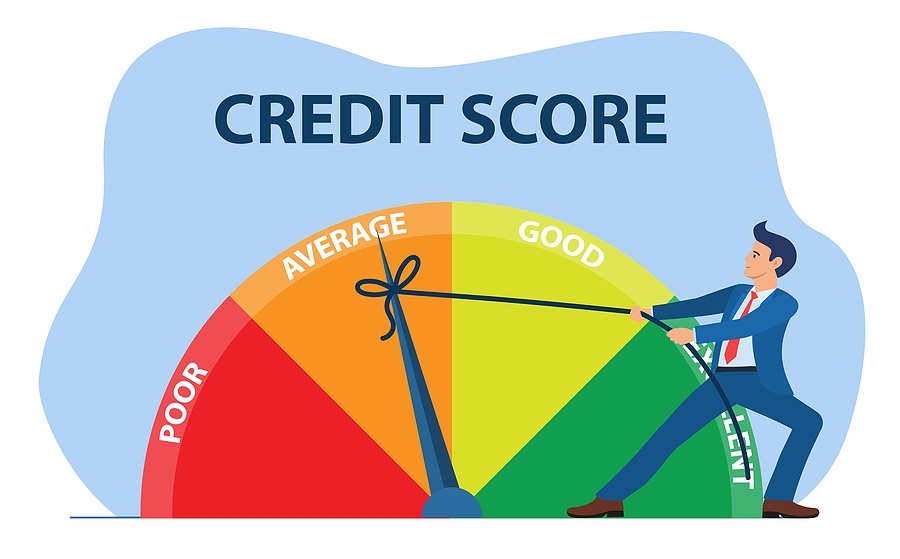
If your credit score is on the lower end, or if you simply want to maximize your approval odds and potentially secure a higher credit limit, there are proactive steps you can take. Improving your creditworthiness is a long-term strategy that benefits all areas of your personal finance.
Strategies for a Better Credit Score
The foundation of a good credit score lies in responsible financial habits. Here are key strategies:
- Pay Bills On Time, Every Time: This is the most impactful action. Set up reminders, automated payments, or calendar alerts to ensure all your bills – not just credit card bills – are paid by their due dates.
- Reduce Existing Debt: Focus on paying down high-interest credit card balances. Lowering your overall debt burden improves your credit utilization ratio and your debt-to-income ratio.
- Keep Credit Utilization Low: Aim to use no more than 30% of your total available credit. For example, if you have a total credit limit of $10,000 across all cards, try to keep your combined balance below $3,000.
- Avoid Opening Too Many New Credit Accounts at Once: Each new credit application results in a hard inquiry on your credit report, which can temporarily lower your score. Spacing out applications is a wiser approach.
- Check Your Credit Report for Errors: Regularly review your credit reports from all three major bureaus (Experian, Equifax, TransUnion) via AnnualCreditReport.com. Dispute any inaccuracies, as these can negatively affect your score.
These actions not only improve your credit score but also build a solid financial foundation that serves you well beyond just a CareCredit application.
Applying with Less-Than-Perfect Credit
Even if your credit isn’t stellar, you might still have options:
- Consider a Co-Applicant: If your credit score is borderline, applying with a co-applicant who has a stronger credit profile can significantly increase your chances of approval. This co-applicant could be a spouse, partner, or family member. Both applicants will be responsible for the debt.
- Understand Pre-qualification: Some lenders offer a “pre-qualification” option, which involves a soft credit pull (that doesn’t impact your score) to give you an idea of your approval odds. While CareCredit’s website typically goes straight to an application, understanding this concept is useful. The actual application will involve a hard inquiry, so it’s best to be as confident as possible before proceeding.
- Demonstrate Income Stability: Even with a lower score, strong, stable income can sometimes sway a lender’s decision, especially if your debt-to-income ratio is reasonable.
If you are denied, CareCredit will provide a reason for the denial. Use this feedback to work on specific areas of your credit report or financial situation before reapplying.
Navigating CareCredit Responsibly Post-Approval
Getting approved for CareCredit is just the first step. To truly benefit from this financial tool and avoid potential pitfalls, responsible management is paramount. Misusing CareCredit, particularly its promotional financing, can lead to significant financial strain and damage your credit score.
Understanding Promotional Financing Terms
This is perhaps the single most critical aspect of responsible CareCredit usage. Most promotional offers involve deferred interest. This means that if you do not pay off the entire promotional balance by the end of the specified period (e.g., 6, 12, 18, or 24 months), interest will be retroactively applied to the original purchase amount from the transaction date. This can convert an initially interest-free purchase into an extremely expensive one.
- Calculate Payments: Immediately calculate the monthly payment needed to pay off your balance in full before the promotional period expires. Divide the total balance by the number of months in the promotional period.
- Set Reminders: Mark your calendar or set up automated alerts to ensure you meet the payment deadline for the full promotional balance.
- Monitor Statements: Always review your statements to confirm payments are correctly applied and to track your remaining balance against the promotional deadline.
Failure to understand and adhere to these terms is the most common reason individuals end up regretting their CareCredit usage.
Managing Your Account Effectively
Beyond understanding the promotional terms, general credit management best practices apply:
- Make Payments On Time: Always pay at least the minimum amount due, and ideally more, especially during promotional periods. Late payments can incur fees and negatively impact your credit score.
- Avoid Maxing Out Your Credit Limit: Even if you have a high limit, try to keep your utilization low. This helps your credit score and provides a buffer for unexpected future healthcare needs.
- Monitor Your Credit Score Regularly: Keep an eye on your credit score to see how your CareCredit usage (and other credit activities) is affecting it.
- Use It for Necessary Healthcare Expenses Only: While tempting to use available credit, stick to CareCredit’s intended purpose to avoid accumulating unnecessary debt.
Alternatives to CareCredit (If You Don’t Qualify or Prefer Other Options)
If you don’t qualify for CareCredit, or if you simply prefer other financing avenues, several alternatives exist for managing healthcare costs:
- Personal Loans: These can be used for any purpose, including medical bills. Interest rates vary widely based on your creditworthiness, but fixed payments can offer predictability.
- Medical Payment Plans Directly with Providers: Many hospitals and clinics offer interest-free payment plans directly to patients, allowing them to spread out costs over several months. Always inquire about this option.
- Health Savings Accounts (HSAs) or Flexible Spending Accounts (FSAs): If you have a high-deductible health plan, an HSA allows you to save and invest money tax-free for qualified medical expenses. FSAs are employer-sponsored accounts that allow you to set aside pre-tax money for healthcare costs within a plan year.
- Crowdfunding: For particularly high and unexpected medical bills, platforms like GoFundMe can sometimes provide community support.
- Negotiating Cash Discounts: If you’re paying out-of-pocket, sometimes providers will offer a discount for cash payments made upfront or promptly.
Exploring these alternatives can provide suitable financial solutions, ensuring you receive necessary medical care without undue financial stress.
Conclusion
CareCredit stands as a valuable financial tool for bridging the gap between healthcare needs and personal finances, especially for expenses not fully covered by traditional insurance. While there isn’t a single, rigid credit score requirement, applicants typically need a Fair to Good credit score, often starting in the low 600s, to secure approval. However, the decision hinges on a holistic review of your financial profile, including payment history, debt-to-income ratio, and income stability.
Understanding these factors and proactively working to improve your creditworthiness can significantly enhance your chances of approval and lead to better terms. Crucially, responsible usage post-approval, particularly meticulously managing promotional financing terms to avoid deferred interest, is paramount. By approaching CareCredit with diligence and a clear understanding of its mechanics, you can effectively leverage it to access essential healthcare services while maintaining robust financial health. Always consider all available options and choose the path that best aligns with your financial situation and healthcare needs.
aViewFromTheCave is a participant in the Amazon Services LLC Associates Program, an affiliate advertising program designed to provide a means for sites to earn advertising fees by advertising and linking to Amazon.com. Amazon, the Amazon logo, AmazonSupply, and the AmazonSupply logo are trademarks of Amazon.com, Inc. or its affiliates. As an Amazon Associate we earn affiliate commissions from qualifying purchases.