
The Marvel Cinematic Universe (MCU) has grown into a colossal phenomenon, a sprawling tapestry of interconnected stories that have captivated audiences worldwide. With over 30 films and a growing number of Disney+ series, diving into this universe can feel like embarking on an epic quest itself. For the uninitiated, or even for those looking to revisit the saga, the question inevitably arises: “What order should I watch the Marvel movies?” While many offer chronological or release-date orders, this guide takes a different approach, leveraging the core principles of Tech, Brand, and Money – the very pillars of our website – to help you navigate the MCU with strategic foresight and perhaps even a touch of financial wisdom.
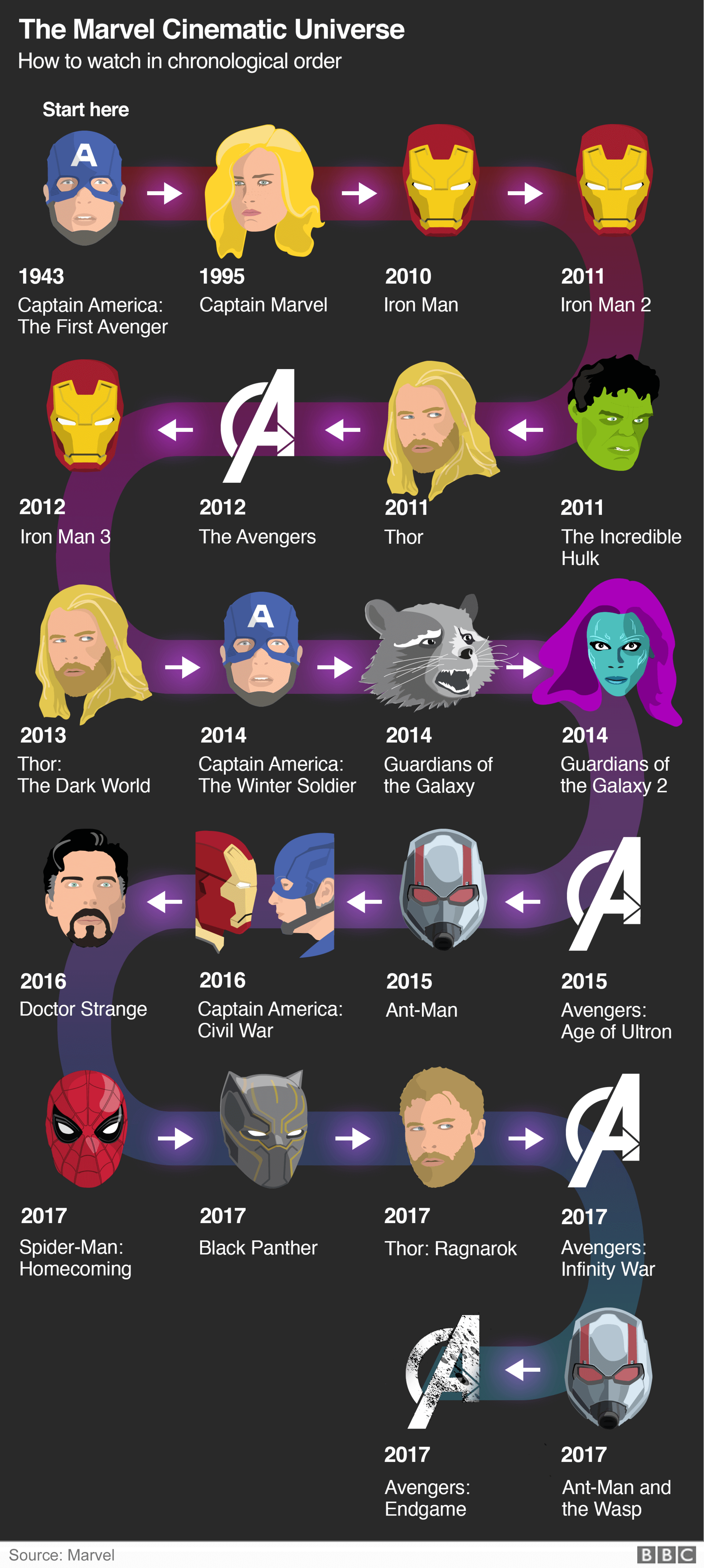
This isn’t just about ticking boxes; it’s about optimizing your viewing experience, understanding the narrative evolution, and appreciating the strategic brilliance behind the MCU’s construction. Think of it as a masterclass in long-term brand building and franchise management, a story told not just through superheroes, but through meticulous planning.
The Strategic Advantage: Understanding the MCU’s Narrative Architecture
Just as a cutting-edge tech product requires a robust software architecture and a compelling brand story, the MCU is built on a foundation of carefully orchestrated narrative arcs. The order in which you consume these stories directly impacts your understanding of character development, thematic resonance, and the overarching mythology.
Decoding the Phases: A Blueprint for Storytelling
The MCU is famously divided into “Phases,” a deliberate structural choice by Marvel Studios. This isn’t arbitrary; it’s a strategic roadmap designed to introduce characters, build foundational plots, and then escalate the stakes.
Phase 1: The Genesis – Laying the Technological and Ideological Groundwork
This initial phase is crucial for understanding the core technologies, scientific breakthroughs, and ideological clashes that set the stage for everything to come. Think of it as the “beta testing” phase of the MCU, where the foundational elements are introduced.
- Iron Man (2008): This is the genesis. Tony Stark’s arc reactor, his suit’s AI (JARVIS), and the weaponization of technology are fundamental. It establishes the personal responsibility that comes with advanced tech.
- The Incredible Hulk (2008): Explores the scientific byproduct of genetic experimentation gone awry. The focus on gamma radiation and its unpredictable effects introduces a different kind of technological “risk.”
- Iron Man 2 (2010): Expands on Stark’s technological legacy, introducing new innovations like the palladium core and the Stark Expo – a showcase of technological advancement. It also touches on corporate espionage and the control of powerful tech.
- Thor (2011): While more mystical, Thor’s journey introduces Asgardian technology and its superiority. It sets up the cosmic element and the potential for interdimensional travel, laying the groundwork for future technological convergences.
- Captain America: The First Avenger (2011): The Super-Soldier Serum is a prime example of bio-technology. The introduction of the Tesseract, an alien artifact with immense energy, hints at the powerful, world-altering “tech” that exists beyond Earth.
- The Avengers (2012): This is the culmination of Phase 1, where all the disparate technological and individual narratives converge. The introduction of Loki, alien invasion, and the Battle of New York showcases the consequences of unchecked power and the need for coordinated technological defense. It’s the successful “launch” of the Avengers initiative, a testament to strategic planning.
Watching Phase 1 chronologically allows you to appreciate how each film builds upon the last, establishing the core concepts and characters that will drive the entire franchise. It’s like understanding the initial coding of a complex software system before moving on to later updates.
Phase 2: Expansion and Escalation – Testing the Brand’s Boundaries
Phase 2 sees the MCU’s brand solidify and its narrative scope broaden. The stakes are raised, and the consequences of earlier events begin to ripple. This is where the studio starts experimenting with different genres within the superhero framework, testing the elasticity of their established brand.
- Iron Man 3 (2013): Explores the psychological impact of advanced technology and the deconstruction of the Iron Man persona. It introduces more sophisticated suit designs and the concept of AI in battle.
- Thor: The Dark World (2013): Delves deeper into Asgardian lore and the concept of cosmic threats. The Aether, another powerful artifact, adds to the collection of universe-altering MacGuffins.
- Captain America: The Winter Soldier (2014): A masterclass in espionage thrillers within the MCU. It introduces the concept of advanced AI controlling global security (S.H.I.E.L.D.’s infiltration by HYDRA), a chilling reflection of modern technological anxieties. The narrative explores the ethics of preemptive action and surveillance technology.
- Guardians of the Galaxy (2014): A bold, comedic, and visually stunning expansion into the cosmic side of the MCU. It introduces new alien species, advanced spacecraft, and a different approach to heroism – a refreshing “app update” that broadened the audience.
- Avengers: Age of Ultron (2015): The culmination of Phase 2, this film deals directly with the dangers of unchecked AI (Ultron) and the ethical dilemmas of creating artificial life. It showcases advanced robotics, genetic engineering, and the creation of new heroes (Scarlet Witch, Vision).
- Ant-Man (2015): Introduces Pym Particles, a groundbreaking technology that allows for manipulation of size. It’s a more grounded, heist-style story that showcases the ingenuity of smaller-scale scientific innovation.
Phase 2 demonstrates the MCU’s ability to adapt and innovate, introducing new genres and expanding its thematic range while maintaining a cohesive narrative. It’s like a successful tech company diversifying its product line.
Phase 3: The Infinity Saga – The Ultimate Brand Consolidation and Financial Payoff
Phase 3 represents the zenith of the MCU’s initial narrative arc, the “Infinity Saga.” This phase is characterized by immense ambition, massive payoffs, and a clear demonstration of the long-term financial rewards of meticulous brand management.
- Captain America: Civil War (2016): The ideological conflict born from Phase 2’s events escalates. The Sokovia Accords, a piece of legislation regulating superhuman activity, raises profound questions about accountability and the control of powerful individuals. The advanced tech displayed by both sides highlights the evolving capabilities of heroes and villains alike.
- Doctor Strange (2016): Introduces magic and the mystical arts, expanding the MCU’s understanding of “power” beyond science and technology. The Mirror Dimension and astral projection are concepts that push the boundaries of what’s possible.
- Guardians of the Galaxy Vol. 2 (2017): Continues the cosmic journey, exploring themes of legacy and family. The advanced alien technology and power sources are further elaborated upon.
- Spider-Man: Homecoming (2017): A fresh take on a beloved character, integrating him into the established MCU. Stark’s tech plays a significant role in Peter Parker’s development.
- Thor: Ragnarok (2017): A vibrant and comedic shift in tone, further exploring Asgardian culture and the power of cosmic entities. The introduction of the Hulkbuster armor and new alien weaponry showcases evolving tech.
- Black Panther (2018): A cultural phenomenon, T’Challa’s story introduces Wakanda, a technologically advanced nation that has remained hidden. Vibranium, their primary resource, is a fictional element that drives incredible technological innovation, from transportation to weaponry. This film is a prime example of how innovative design and unique brand identity can lead to massive financial success.
- Avengers: Infinity War (2018): The epic culmination of the Infinity Saga’s build-up. Thanos’s quest for the Infinity Stones, powerful cosmic artifacts, brings together nearly every hero. The sheer scale of the conflict and the stakes are unprecedented.
- Ant-Man and the Wasp (2018): A smaller-scale story that expands on Quantum Realm technology and its potential.
- Captain Marvel (2019): Explores a powerful cosmic hero and her origins, further expanding the intergalactic lore and introducing Kree technology.
- Avengers: Endgame (2019): The grand finale of the Infinity Saga. Time travel, advanced quantum technology, and the ultimate showdown against Thanos. This film was a massive financial success, demonstrating the power of long-term storytelling and brand loyalty.
Watching Phase 3 in order is essential for understanding the escalating conflict and the ultimate resolution of the Infinity Stones’ threat. It’s the climax of a carefully crafted narrative arc, akin to the successful launch of a revolutionary new operating system.
The Financial Dividend: Monetizing the Multiverse
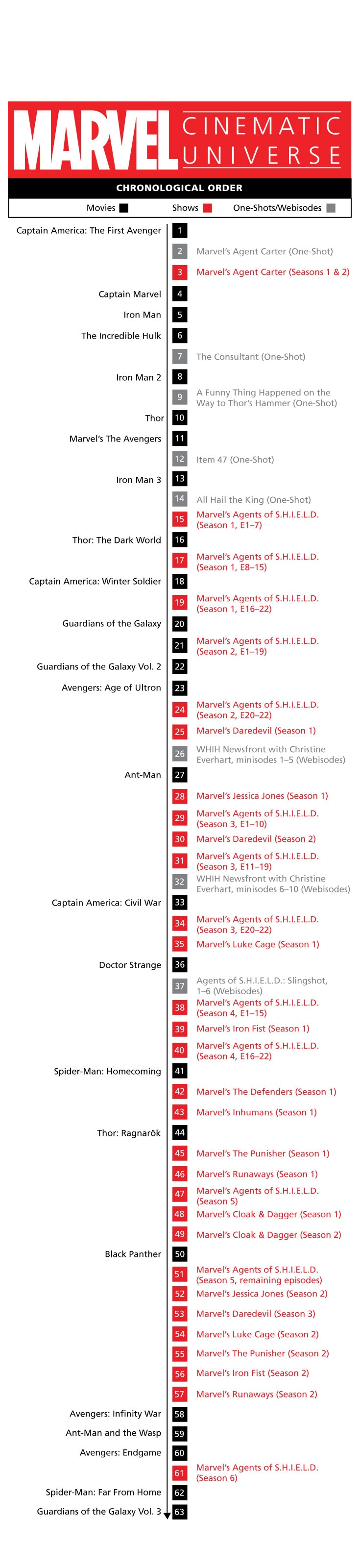
The MCU’s success is not just about captivating stories; it’s a masterclass in financial strategy and brand monetization. From merchandise to theme park attractions, the “Marvel brand” is a multi-billion dollar enterprise. Understanding the order of the movies can even enhance your appreciation for the calculated risks and long-term investments made by Marvel Studios.
The ROI of Release Order: Maximizing Fan Engagement and Financial Returns
While chronological order helps with narrative flow, the original release order is often the most rewarding for understanding how the MCU’s brand evolved and how each film was designed to maximize its impact. This is where the “money” aspect truly shines.
- Early Wins and Building Momentum: The release order of Phase 1 was strategic. Iron Man was a calculated risk, a relatively unknown character to the general public. Its success paved the way for The Incredible Hulk and established the foundation. Iron Man 2 and Thor expanded the universe, introducing new characters and lore, building anticipation for The Avengers. This phased rollout minimized risk and maximized potential return on investment.
- Brand Diversification and Market Penetration: Phase 2 saw Marvel experiment with different genres. Guardians of the Galaxy was a bold move into space opera, appealing to a new demographic and proving the MCU’s brand could transcend traditional superhero fare. Captain America: The Winter Soldier injected political thriller elements, showcasing the adaptability of the brand. Each film was a calculated investment designed to expand market share and solidify brand loyalty.
- The Infinity Saga: A Masterclass in Long-Term Financial Planning: Phase 3 is the ultimate example of a long-term financial strategy. The interconnectedness of the films, the introduction of numerous characters, and the overarching narrative of the Infinity Stones all worked in tandem to build immense anticipation for Infinity War and Endgame. These films were not just movies; they were cultural events, driving massive ticket sales, merchandise revenue, and subscriptions to Disney+. The investment in building this interconnected universe paid off exponentially.
The release order reveals the deliberate choices made to introduce new technologies, characters, and narrative threads in a way that built upon previous successes and minimized financial risk. It’s a testament to smart marketing, brand consistency, and understanding audience psychology.
The Tech Integration: How Gadgets and AI Shape the Story
The MCU is rife with cutting-edge technology, from advanced AI to groundbreaking scientific marvels. Understanding the evolution of these technologies within the films can enhance your appreciation for the narrative and the ingenuity of the storytelling.
From Arc Reactors to Quantum Realms: Technological Evolution
The order of watching the movies allows you to witness the progression of technological sophistication and its impact on the characters and their world.
- The Dawn of AI and Advanced Robotics: Iron Man introduced JARVIS, an early form of sophisticated AI. By Age of Ultron, we see the dangers of unchecked AI with Ultron’s creation. This mirrors real-world advancements and anxieties surrounding artificial intelligence.
- Bio-Technology and Genetic Engineering: The Super-Soldier Serum in Captain America and the Hulk’s gamma radiation powers represent early explorations of biological manipulation. Later films delve into more complex genetic modifications and bio-enhancements.
- Interdimensional and Cosmic Technologies: The Tesseract, the Aether, and the Power Stone are examples of alien technologies with immense power. Films like Doctor Strange and Guardians of the Galaxy explore dimensions and technologies far beyond human comprehension, broadening the narrative canvas and hinting at future technological possibilities.
- Quantum Mechanics and Beyond: The exploration of the Quantum Realm in Ant-Man and Endgame represents a leap into the frontiers of theoretical physics. This technology allows for time travel and opens up new avenues for storytelling and future MCU endeavors.
By following a logical viewing order, you can trace the development of these technologies, understanding how they are introduced, utilized, and ultimately impact the larger narrative. It’s like watching a tech company iteratively improve its products, each new iteration building on the successes and lessons learned from the previous.
The Brand Narrative: Building a Universe, One Story at a Time
The MCU is arguably the most successful example of franchise building in modern history. Its brand is built on consistency, interconnectedness, and a deep understanding of its target audience. The order in which you watch the movies is not just about following a plot; it’s about understanding how this massive brand was meticulously constructed.
From Niche Appeal to Global Domination: A Brand Evolution
The MCU’s journey from a collection of individual films to a cohesive universe is a testament to brilliant brand strategy.
- Establishing the Core Brand Identity: Phase 1 focused on establishing the core heroes and their individual brands. Iron Man’s swagger, Captain America’s idealism, and Thor’s divine power all contributed to a diverse yet recognizable superhero brand.
- Expanding the Brand Universe: Phase 2 saw Marvel strategically expand its brand into different genres and cosmic territories. This diversification appealed to a wider audience and demonstrated the flexibility of the MCU brand.
- The Ultimate Brand Consolidation: Phase 3, the Infinity Saga, was the ultimate payoff for years of careful brand building. The interconnected storylines, the culmination of character arcs, and the epic stakes created a shared cultural experience that solidified the MCU’s dominance. Black Panther, in particular, showcased how a strong, culturally resonant brand can be both critically acclaimed and a massive financial success, proving that diversity and representation are not just ethical imperatives but also powerful brand differentiators.
- The Future of the Brand: With the conclusion of the Infinity Saga, Marvel is now in a new phase, introducing new characters and exploring new frontiers, all while leveraging the established strength of its brand. This includes integrating new technologies like Disney+’s interactive elements and exploring transmedia storytelling.
By watching the movies in a structured order, you can appreciate the strategic decisions that went into building this unparalleled brand, from the initial product development to the global market penetration. It’s a real-world case study in effective brand management and long-term investment.
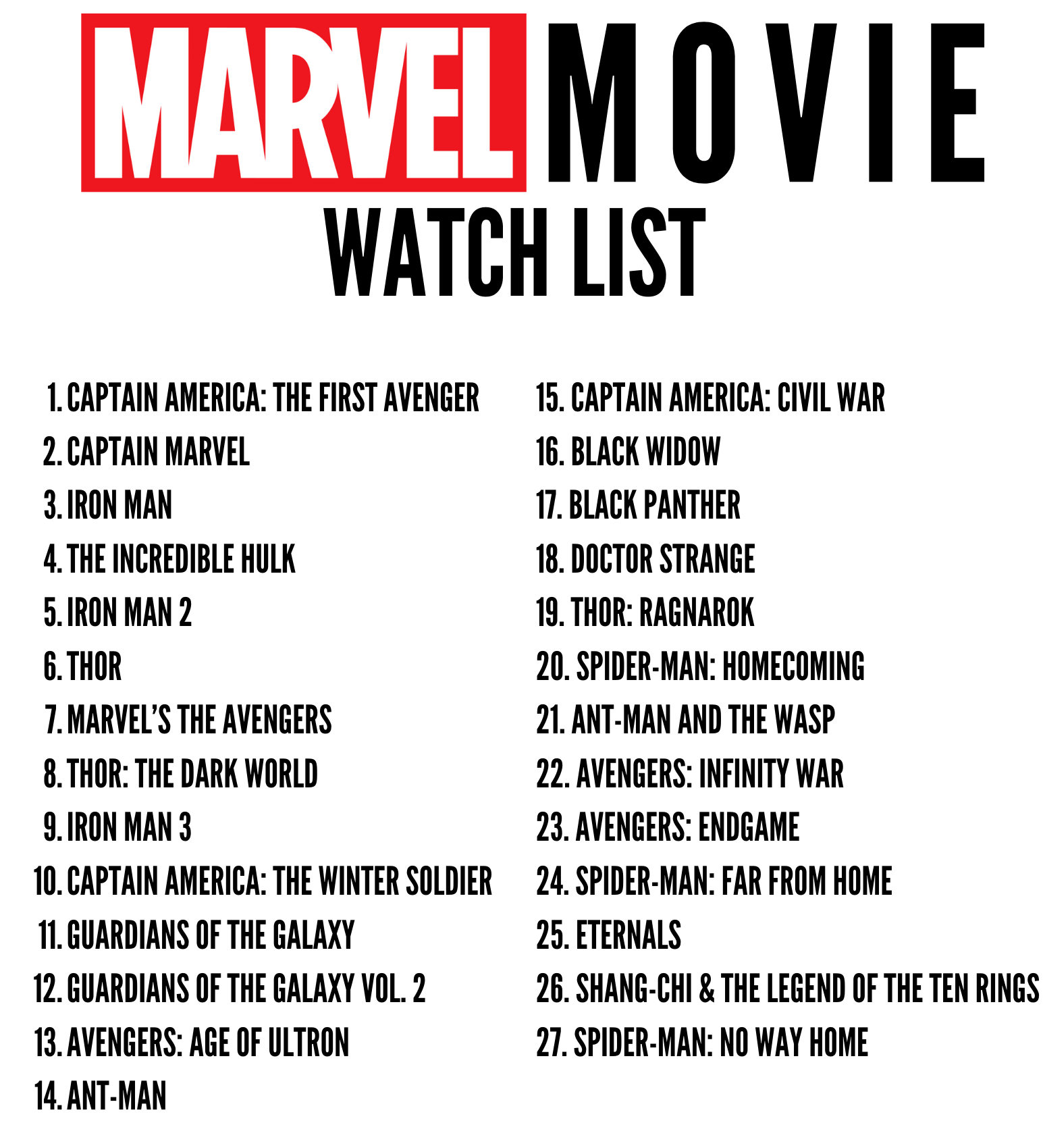
Conclusion: Your Strategic Viewing Guide to the MCU
Navigating the Marvel Cinematic Universe is more than just a pastime; it’s an opportunity to witness a masterclass in storytelling, technological innovation, and brand building. By approaching the MCU with a strategic mindset, considering the evolution of its narrative, technology, and brand, you can unlock a richer and more rewarding viewing experience.
Whether you choose a strictly chronological order, a release-date approach, or a blend of both, the key is to understand the underlying strategy. Just as a well-designed app can revolutionize productivity or a strong brand can dominate a market, the MCU’s success is built on meticulous planning and execution. So, grab your popcorn, perhaps even invest in a comfortable viewing setup (a wise financial decision for such a long journey!), and prepare to be amazed by the interconnected world of Marvel.
aViewFromTheCave is a participant in the Amazon Services LLC Associates Program, an affiliate advertising program designed to provide a means for sites to earn advertising fees by advertising and linking to Amazon.com. Amazon, the Amazon logo, AmazonSupply, and the AmazonSupply logo are trademarks of Amazon.com, Inc. or its affiliates. As an Amazon Associate we earn affiliate commissions from qualifying purchases.