
The legal classification of narcotics and controlled substances represents a complex intersection of public health policy and strict regulatory compliance. For investors, entrepreneurs in the pharmaceutical sector, and those interested in the broader economic impact of government regulation, understanding “what schedule is opium” is not merely a question of chemistry—it is a fundamental necessity for navigating the legal and financial frameworks that govern high-stakes industries. In the United States, opium and its derivatives are heavily regulated under the Controlled Substances Act (CSA), a framework that dictates everything from research grants and manufacturing licenses to the potential for severe civil and criminal liability.
The Legal Classification of Opium Under the CSA
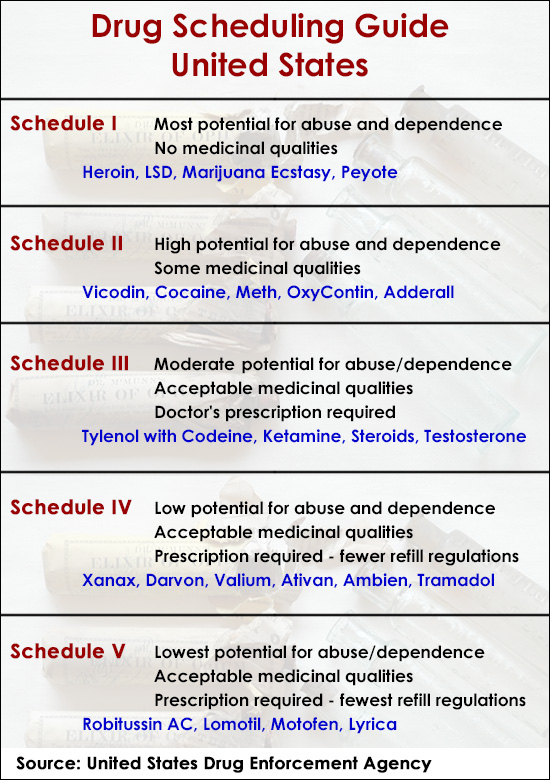
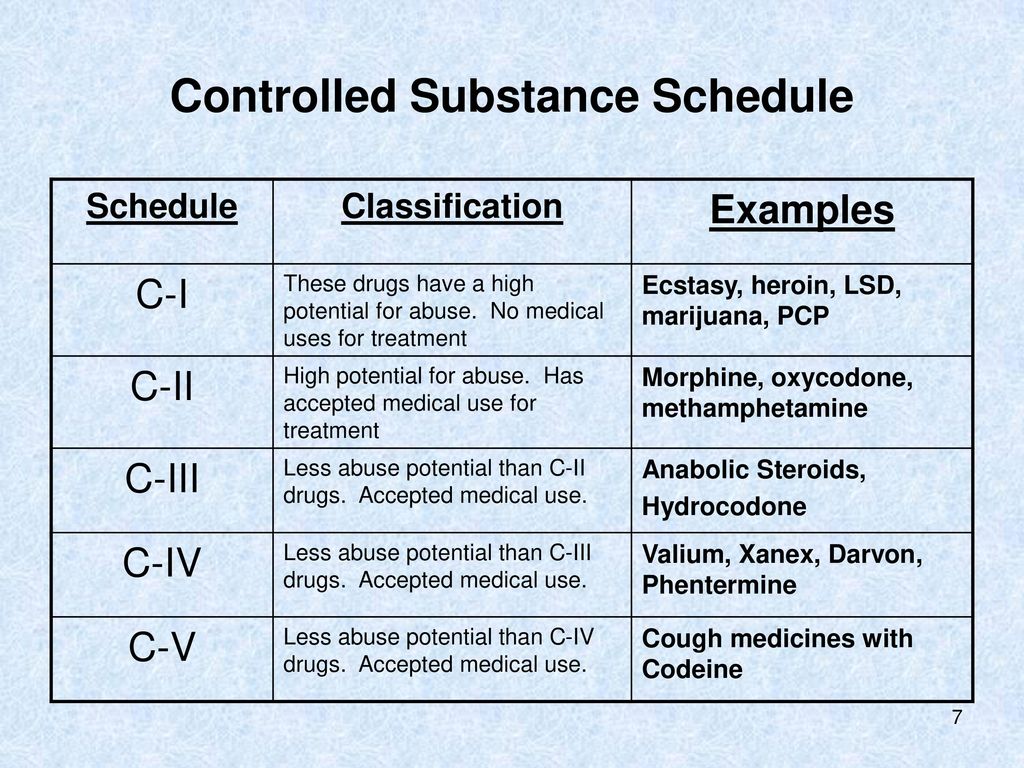
The Drug Enforcement Administration (DEA) categorizes drugs into five schedules based on their medical utility, potential for abuse, and degree of physical or psychological dependence. Understanding where opium fits into this hierarchy is essential for anyone analyzing the financial stability of companies operating in the medical or pharmaceutical space.
Schedule II Status and Its Regulatory Rigor
Opium, along with its primary derivatives like morphine, codeine, and oxycodone, is classified as a Schedule II controlled substance. This classification signifies that the substance has a high potential for abuse, which may lead to severe psychological or physical dependence. However, unlike Schedule I drugs (such as heroin or LSD), Schedule II substances are recognized as having a currently accepted medical use in treatment in the United States, albeit with severe restrictions.
From a business compliance perspective, this status imposes a rigorous set of mandates. Pharmaceutical entities must maintain meticulous record-keeping, secure physical storage, and undergo periodic audits. For a publicly traded company, a single slip in reporting the inventory of Schedule II substances can lead to catastrophic stock volatility and devastating regulatory fines. Investors often view these companies through a lens of high-risk, high-reward, given that the legal barrier to entry is immense, creating a natural moat around established players while simultaneously inviting intense federal scrutiny.
The Distinction Between Raw Opium and Synthetic Derivatives
It is important to distinguish between raw opium and the synthetic or semi-synthetic opioids derived from it. While raw opium is rarely prescribed in modern medicine, its alkaloids remain the building blocks for much of the pain management market. Because the raw material is under strict international and domestic control, the supply chain is highly centralized. This centralization has significant financial implications; any disruption in the production of poppy straw or raw opium can cause shockwaves throughout the global pharmaceutical market, directly affecting the profit margins of manufacturers who rely on these derivatives for their pain-relief portfolios.
Financial Risks and Business Implications of Controlled Substances
For those managing portfolios or operating within the healthcare sector, the “Schedule II” label acts as a warning sign. It carries with it a distinct set of financial risks that do not apply to over-the-counter medications or less-regulated therapeutic categories.
Liability and Litigation Exposure
The history of the opioid crisis in the United States has transformed the legal landscape for companies handling Schedule II substances. We have witnessed a paradigm shift where manufacturers, distributors, and pharmacies are no longer merely responsible for the product itself, but for the entire downstream impact of the drug’s distribution.
Financial analysts now factor “litigation risk” as a primary variable in their valuation models for companies in this space. Settlement figures in the billions of dollars have liquidated the balance sheets of once-stable organizations. When evaluating the financial viability of a pharmaceutical business today, one must analyze the “compliance culture” of the entity. A firm that treats its Schedule II status as a mere paperwork hurdle rather than a core operational risk is often a prime candidate for a catastrophic financial event.
Capital Allocation and R&D Hurdles
Because opium and its derivatives are so heavily regulated, the cost of research and development (R&D) is significantly higher than in other medical fields. Bringing a new opioid-based analgesic to market requires not only the standard clinical trial hurdles imposed by the FDA but also specialized security infrastructure and DEA clearance.
This creates a unique financial environment:
- High Barrier to Entry: Only well-capitalized firms can afford the compliance costs, which limits competition.
- Asset Concentration: Large corporations often find themselves over-leveraged in specific pain management segments, making their stock highly sensitive to legislative changes.
- Insurance Costs: Companies handling Schedule II substances face astronomical insurance premiums, which directly impact EBITDA and long-term cash flow projections.
Navigating the Macroeconomic Trends in Pain Management
The market for opium-derived medications is currently in a state of flux. As healthcare systems push for non-opioid alternatives and government bodies tighten quotas on production, the traditional business model centered on high-volume opioid distribution is under pressure.
The Shift Toward Non-Opioid Alternatives
Market analysts are observing a significant migration of capital from traditional opioid manufacturers to biotech startups focusing on non-addictive pain relief. This is a classic example of “creative destruction.” As the regulatory environment for Schedule II drugs becomes increasingly punitive—evidenced by stricter quotas and increased lobbying efforts to limit the supply—investors are reallocating funds toward digital health tools and non-narcotic pain therapies.
For the prudent investor, the question “what schedule is opium” leads to the broader realization that the market value of these substances is artificially propped up by medical necessity, but constrained by an increasingly hostile regulatory environment. The smartest money is currently looking for firms that are diversifying away from pure opioid-based revenue streams.
Government Quotas and Supply Chain Economics
The DEA sets annual aggregate production quotas (APQ) for Schedule II substances. This is a quintessential example of a government-managed market. Because the supply is artificially limited by law, price volatility can be extreme. If a manufacturer loses their quota or if the DEA decides to contract the supply to combat public health issues, the revenue model for the entire year can vanish.
Understanding these quotas is essential for any business-minded individual looking to understand the volatility of pharmaceutical stocks. The supply chain is not dictated by demand-pull economics, but by bureaucratic fiat. This creates an environment where internal connections and lobbying power are often more important to a company’s financial success than the efficacy of the drug itself.

Conclusion: The Institutional Perspective
For the professional observer, the legal status of opium as a Schedule II substance is a masterclass in how government regulation shapes industry economics. It is a sector where the law dictates the supply, where litigation defines the bottom line, and where compliance is the most important metric of operational success.
Whether you are an investor looking at the pharma sector, a manager navigating the intricacies of compliance, or a student of market dynamics, the classification of opium serves as a stark reminder: in the world of high-stakes business, the most critical information is often found in the fine print of federal regulations. The future of this market lies not in the chemical composition of the drugs, but in the institutional capacity of companies to survive within the narrow, highly restrictive corridors of Schedule II compliance. Those who understand these frameworks do not just avoid the risks—they gain a significant, data-driven advantage in the global financial marketplace.
aViewFromTheCave is a participant in the Amazon Services LLC Associates Program, an affiliate advertising program designed to provide a means for sites to earn advertising fees by advertising and linking to Amazon.com. Amazon, the Amazon logo, AmazonSupply, and the AmazonSupply logo are trademarks of Amazon.com, Inc. or its affiliates. As an Amazon Associate we earn affiliate commissions from qualifying purchases.