
In the landscape of global organizations, few entities possess a brand identity as recognizable, yet as strategically complex, as The Church of Jesus Christ of Latter-day Saints. For over a century, the term “Mormon” served as a ubiquitous shorthand for the faith, its members, and its culture. However, in recent years, the organization has undertaken one of the most significant and disciplined rebranding efforts in modern history. To answer the question “what religion is Mormon” from a brand strategy perspective is to explore the tension between organic public perception and intentional corporate identity.
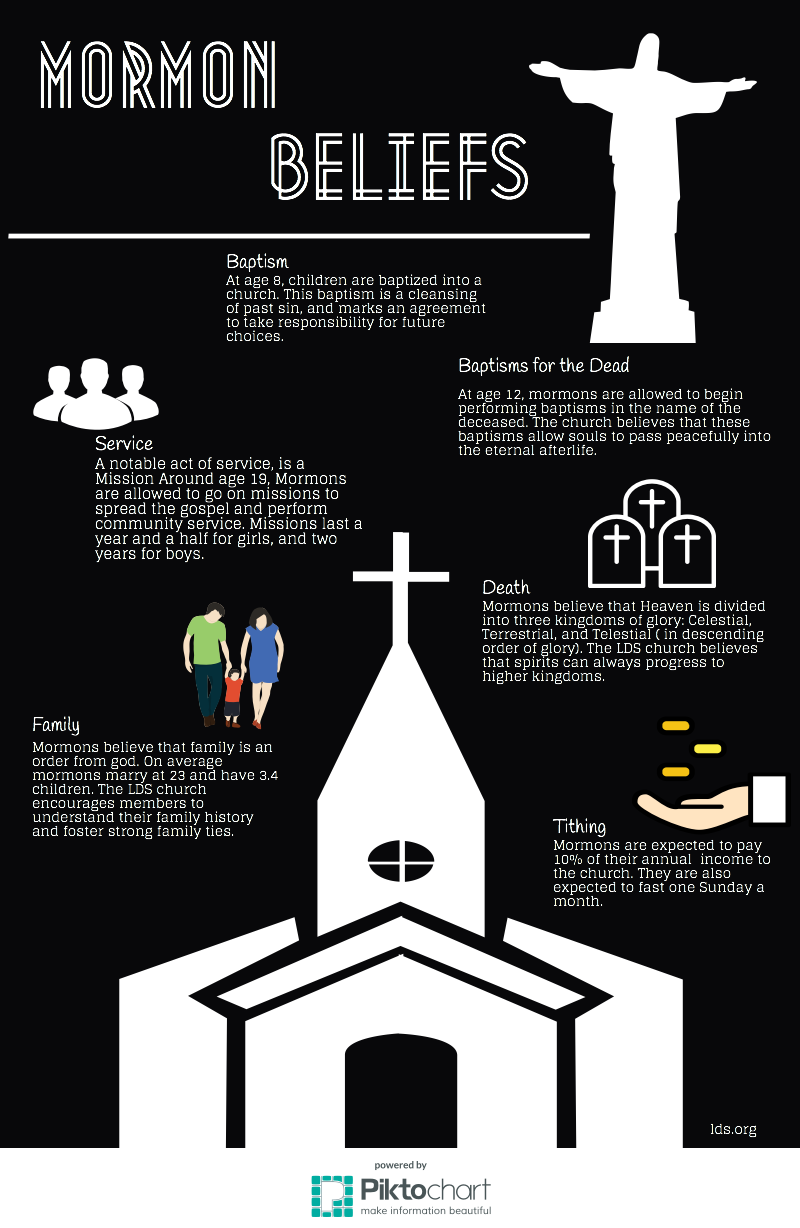
This shift represents more than a simple name change; it is a profound case study in how a global brand manages its legacy, clarifies its core mission, and reclaims its narrative in a saturated digital marketplace. By analyzing the transition from the “Mormon” moniker to the full name of the Church, we gain insights into the mechanics of brand equity, the risks of brand dilution, and the strategic necessity of internal and external alignment.
The Evolution of an Identity: From Colloquialism to Core Brand
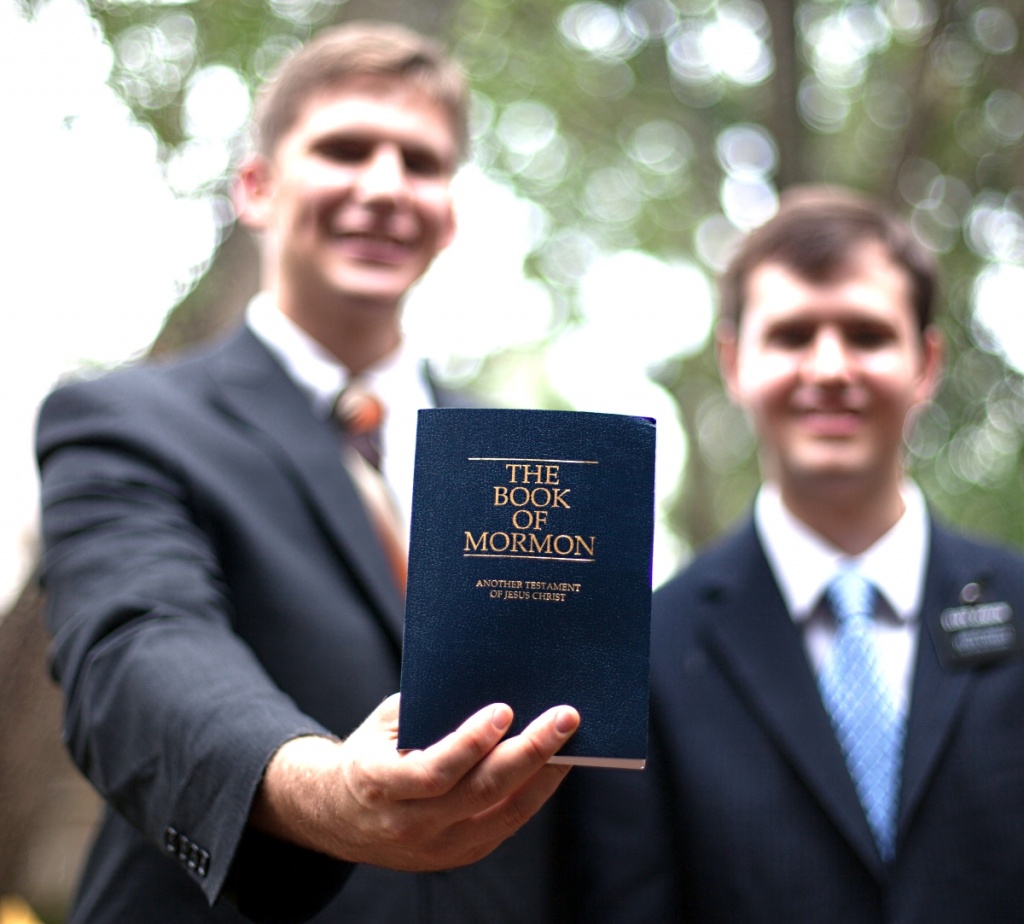
Every brand, whether corporate or ecclesiastical, faces the challenge of “nicknaming.” In the case of The Church of Jesus Christ of Latter-day Saints, the term “Mormon” originated as a pejorative label used by 19th-century detractors, referencing the Book of Mormon. Over time, the Church leaned into the term, eventually adopting it in massive public awareness campaigns like the “I’m a Mormon” initiative of the early 2010s.
The Power of Naming in Brand Strategy
Naming is the cornerstone of brand identity. A name conveys origin, purpose, and values. For many decades, the “Mormon” brand was efficient. It was short, memorable, and distinctive. However, from a strategic standpoint, it lacked “descriptive accuracy.” To the general public, “Mormonism” often felt like a distinct category of religion, separate from the broader Christian tradition.
The decision to distance the organization from the term “Mormon” was a move toward brand clarity. In marketing terms, the organization realized that its “sub-brand” (Mormon) had eclipsed its “parent brand” (Jesus Christ). When the sub-brand begins to obscure the primary value proposition of the organization, a correction is required.
Historical Context vs. Modern Messaging
The brand evolution of the Church has moved through three distinct phases:
- Rejection: Early resistance to the “Mormon” label.
- Appropriation: Using the term to build cultural visibility (e.g., the “Mormon Tabernacle Choir”).
- Correction: The 2018 mandate to use the full, divinely mandated name of the Church.
This final phase represents a “Master Brand” strategy. By insisting on the full name, the organization is forcing a reset of the public’s mental associations. It is an attempt to align the “identity” (how the organization sees itself) with the “image” (how the world sees the organization).
The 2018 Pivot: Why a Billion-Dollar Brand Was Retired
In 2018, Russell M. Nelson, the president of the Church, announced a course correction that stunned many brand analysts. He stated that the use of the term “Mormon” was a “major victory for Satan” and mandated that the full name be used in all communications. From a brand equity perspective, this was a high-risk move. The “Mormon” brand had high global awareness and billions of dollars in “earned media” and advertising investment behind it.
Identifying Brand Dilution
The primary driver behind this rebrand was the issue of brand dilution. In the digital age, “Mormon” had become a catch-all term for various splinter groups, cultural stereotypes, and historical controversies that did not align with the Church’s modern messaging. By pivoting to the full name, the Church effectively signaled a return to its “core product”—the teachings of Jesus Christ.
In brand management, if your name allows your competitors or critics to define you, you have lost control of your equity. By reclaiming “The Church of Jesus Christ of Latter-day Saints,” the organization re-centered its identity on its most important asset: its namesake.
Aligning Vision with Public Perception
Successful rebranding requires a “Why.” For the Church, the “Why” was theological, but the execution was a masterclass in organizational change management. The rebrand aimed to solve a fundamental “brand confusion” issue. Research indicated that many people did not realize “Mormons” were Christians. By prioritizing the name of Christ in every mention, the organization sought to bridge that perception gap.

Strategic Implementation: Managing the Transition Across Channels
A rebrand of this scale is a logistical Herculean task. It involves changing thousands of domain names, social media handles, physical signage, and internal documents. The Church’s approach to this transition offers valuable lessons for any large-scale corporate identity shift.
The Logistics of a Global Name Change
One of the first major casualties of the rebrand was the “Mormon.org” website, which was redirected to “ChurchofJesusChrist.org.” This was a significant SEO sacrifice. “Mormon.org” had decades of authority and high search rankings for the very keywords people were using.
However, the Church prioritized “brand integrity” over “search traffic.” They understood that short-term dips in organic search are a price worth paying for long-term brand consistency. This reflects a “Legacy Brand” mindset, where the health of the institution over the next 100 years is more important than the click-through rates of the next fiscal quarter.
SEO and Digital Footprint Challenges
The digital strategy shifted from owning the “Mormon” keyword to dominating the “Church of Jesus Christ” space. This required a massive content migration and a refresh of the organization’s visual identity. The logo was redesigned to feature a central image of a statue of Christ (the Christus), placed within a cornerstone shape.
This visual rebranding served several purposes:
- Visual Anchor: It provides a consistent icon that transcends language barriers.
- Mission Alignment: It visually reinforces the verbal name change.
- Modernization: The clean, typography-focused design brought the brand into a modern, professional aesthetic.
Lessons in Personal and Corporate Branding: Authenticity Over Convenience
The story of “what religion is Mormon” is ultimately a story about the power of self-definition. In an era where brands are often told to be “what the customer wants them to be,” the Church took the opposite approach: telling the world who they are, regardless of the convenience of the nickname.
Ownership of the Narrative
The most successful brands are those that own their narrative. If you do not define yourself, the market (or your critics) will do it for you. The Church’s insistence on its full name—despite the length and complexity of the title—is a bold assertion of narrative ownership. It signals to the world that the organization’s identity is not up for negotiation.
For personal brands and smaller businesses, the lesson is clear: consistency is the precursor to trust. If you oscillate between different identities or allow “nicknames” to define your value proposition, you weaken your brand’s authority.
Building Long-term Brand Equity
Rebranding is not a one-time event; it is a multi-year process of reinforcement. The Church has stayed remarkably “on-brand” since 2018, correcting journalists, updating style guides, and ensuring that every internal department utilizes the correct nomenclature.
This level of discipline is what separates a “rebrand” from a “logo refresh.” A logo refresh is cosmetic; a rebrand is a shift in organizational soul. By focusing on the question of “what religion is Mormon,” and answering it with a definitive, “We are The Church of Jesus Christ of Latter-day Saints,” the organization has successfully transitioned its brand from a cultural curiosity into a focused, mission-driven global identity.
Conclusion: The Enduring Impact of Identity Management
The transition from “Mormon” to “The Church of Jesus Christ of Latter-day Saints” serves as a landmark study in institutional branding. It highlights the necessity of aligning an organization’s name with its deepest values, even when doing so requires sacrificing a highly recognizable brand alias.
In the world of brand strategy, identity is everything. It is the filter through which all communications pass and the foundation upon which all public trust is built. By answering the question of identity with clarity and conviction, an organization can navigate the complexities of the modern world while staying true to its founding purpose. The “Mormon” rebrand proves that even the most established identities can be reshaped through disciplined strategy, clear communication, and an unwavering commitment to a core vision.
aViewFromTheCave is a participant in the Amazon Services LLC Associates Program, an affiliate advertising program designed to provide a means for sites to earn advertising fees by advertising and linking to Amazon.com. Amazon, the Amazon logo, AmazonSupply, and the AmazonSupply logo are trademarks of Amazon.com, Inc. or its affiliates. As an Amazon Associate we earn affiliate commissions from qualifying purchases.