
The Northern Renaissance is frequently characterized in historical circles as a period of profound artistic and cultural awakening across Northern Europe. However, from a financial and business perspective, it represents something far more foundational: the birth of modern capitalism, the rise of the middle class, and the first true globalization of trade and asset management. While the Italian Renaissance was fueled by the centralized wealth of the Church and aristocratic dynasties, the Northern Renaissance—stretching across the Low Countries, Germany, and France—was powered by the decentralized engine of mercantilism and private enterprise.
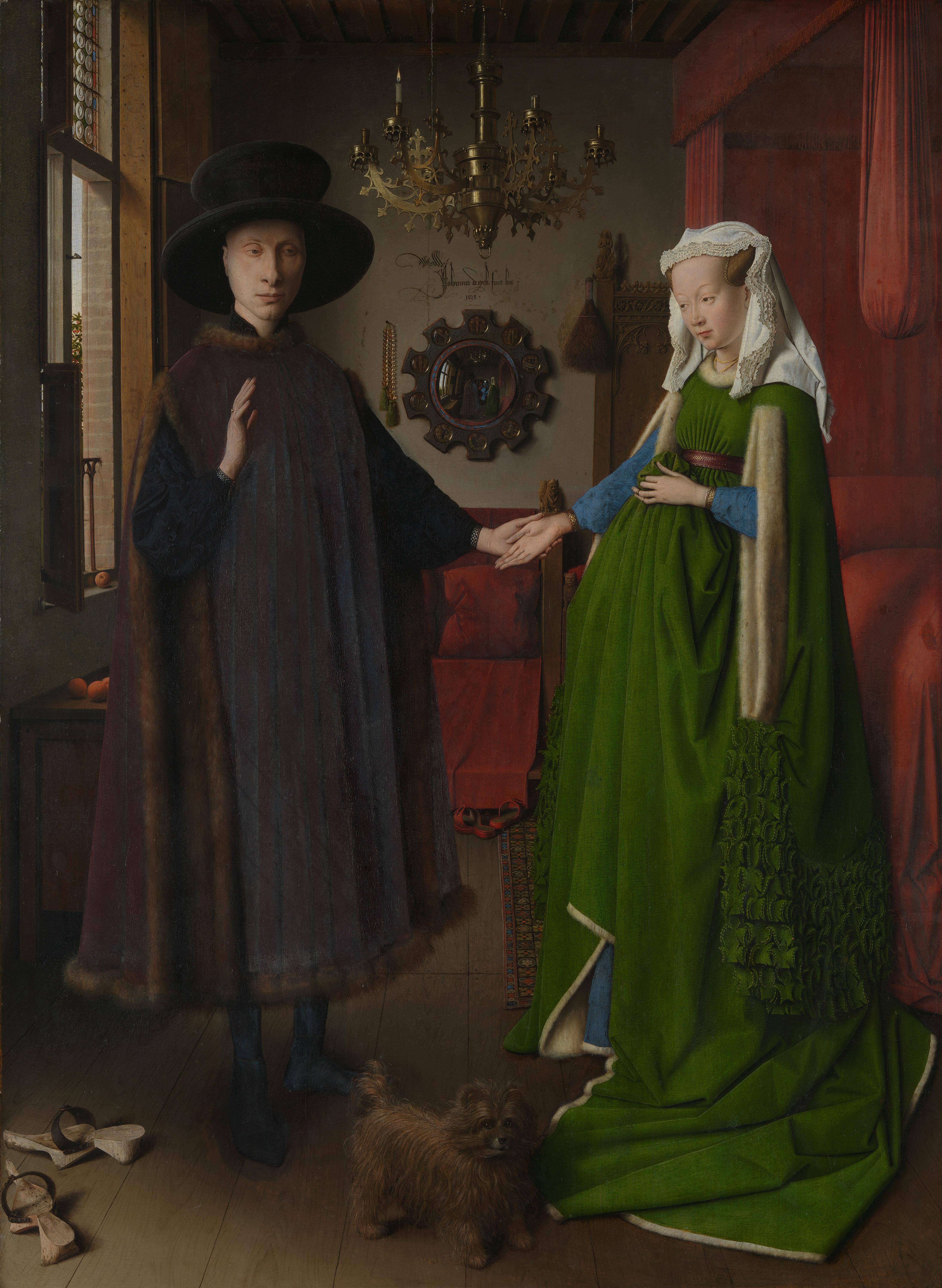
Understanding what the Northern Renaissance is requires looking past the oil paintings of Jan van Eyck or the woodcuts of Albrecht Dürer and examining the economic machinery that made their work possible. It was an era where liquid capital began to outpace landed titles, and where the “side hustle” of the merchant-artisan evolved into the corporate structures we recognize today.
The Economic Engine: From Feudalism to Mercantilism
The Northern Renaissance was, at its core, an economic pivot point. Before the 15th century, wealth was largely static, tied to land ownership and the feudal system. The Northern Renaissance disrupted this model by introducing a high-velocity trade economy centered around urban hubs like Bruges, Antwerp, and London.
The Rise of Urban Trade Hubs
Cities in the North began to function as the first modern “financial districts.” Bruges, for instance, became the center of international banking and wool trading. This shift allowed for the accumulation of wealth among individuals who were not born into nobility. This “new money” sought ways to preserve and grow its value, leading to the development of early stock exchanges and commodity markets. The Hanseatic League, a powerful confederation of merchant guilds, established a monopoly over the Baltic and North Seas, creating a blueprint for modern trade blocs and international business alliances.
Capital Liquidity and the Bourse
The concept of the “Bourse” (the precursor to the modern stock market) originated during this period in Antwerp. Investors began to realize that capital didn’t need to be buried in gold or tied to a farm; it could be moved, lent, and leveraged. This era saw the introduction of sophisticated bills of exchange, which allowed merchants to trade across borders without the high risk of transporting physical currency. This innovation in financial tools provided the liquidity necessary to fund the massive artistic and scientific advancements of the age.
The Rise of the Merchant Class and Personal Finance
One of the most significant legacies of the Northern Renaissance is the democratization of wealth. For the first time in European history, a distinct middle class emerged—individuals who generated income through skill, trade, and financial savvy rather than inheritance.
The Entrepreneurial Artisan
In the Northern Renaissance, the artist was also a businessman. Figures like Albrecht Dürer were not just creative geniuses; they were pioneers in brand licensing and mass production. Dürer realized that while a single painting could only be sold once, woodcuts and engravings could be mass-produced and sold to thousands of middle-class consumers. This represents one of the earliest examples of a scalable business model in the creative sector, moving from a service-based “commission” model to a product-based “passive income” model.
Investing in Human Capital
As merchants accumulated wealth, their spending habits shifted. There was a newfound emphasis on “human capital”—investing in education, literacy, and specialized skills. This shift drove the demand for the printing press, a technology that was as much a financial tool as it was a cultural one. By lowering the cost of information, the Northern Renaissance allowed for the rapid spread of accounting techniques, legal frameworks, and market reports, enabling a broader segment of the population to participate in the growing economy.
Art as the Original Alternative Investment
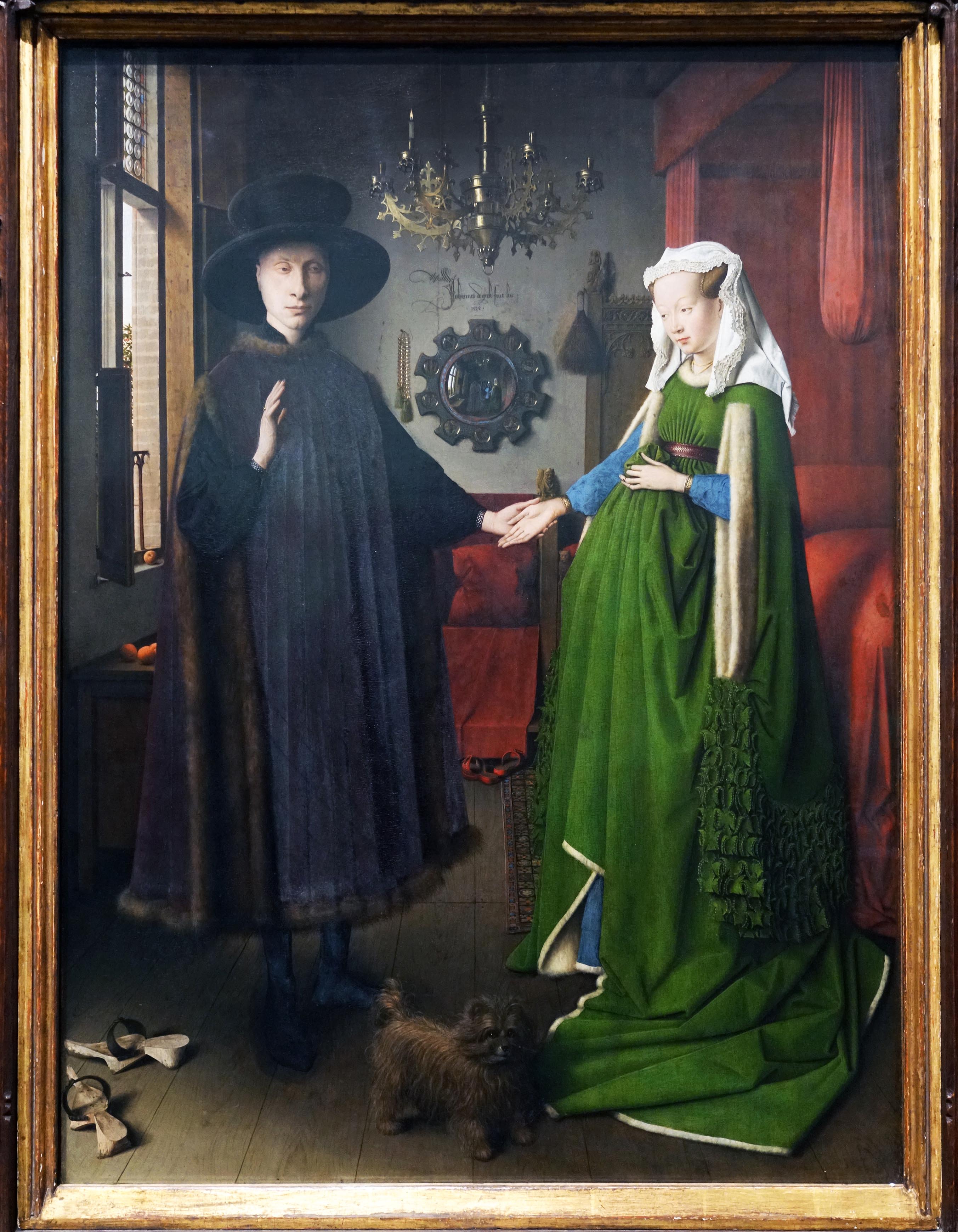
During the Northern Renaissance, the nature of art changed from being a purely religious or civic contribution to becoming a private financial asset. This transition marks the beginning of art as a legitimate category for wealth diversification.
The Portability of Value
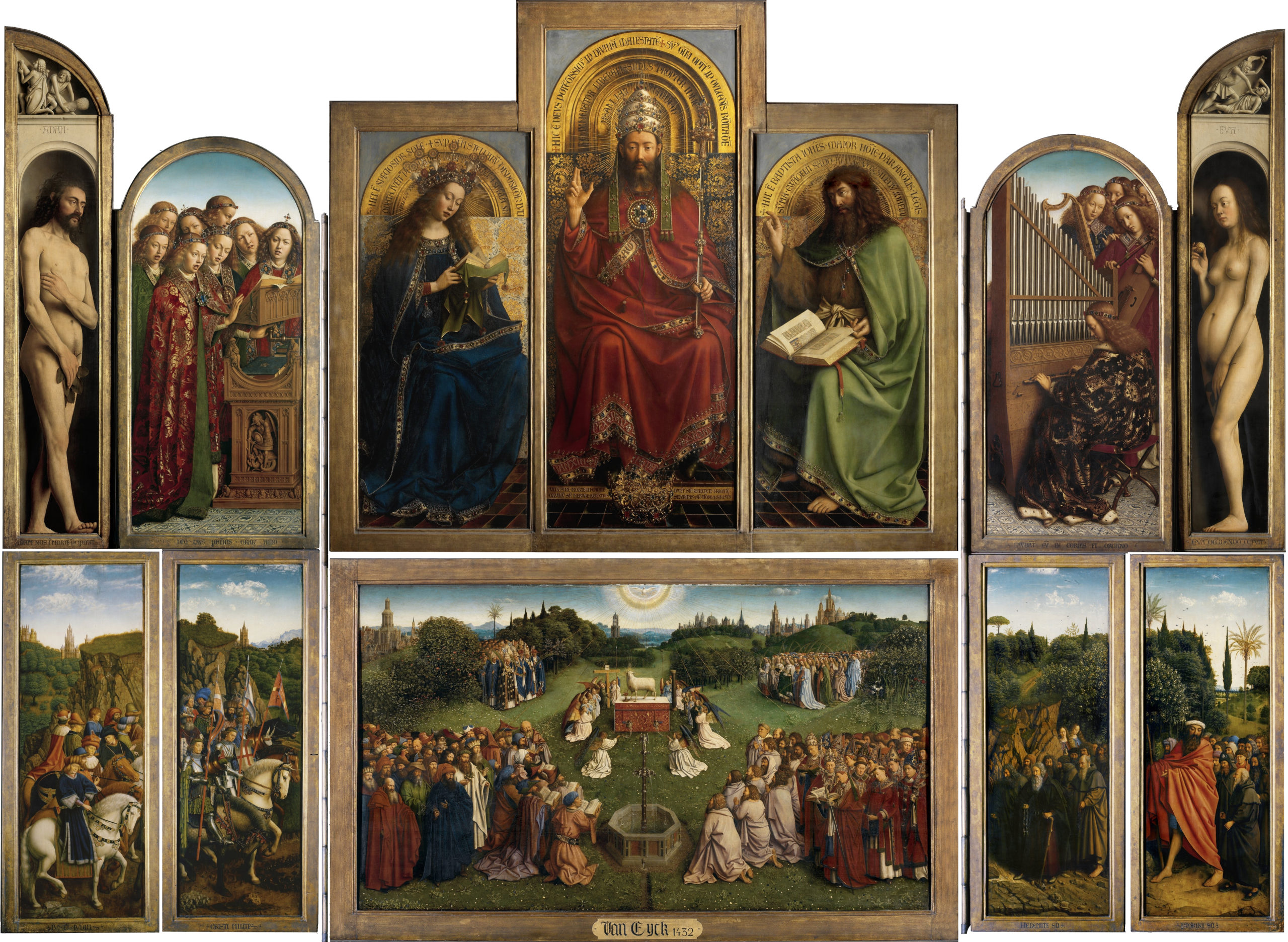
Unlike the massive frescoes of the Italian Renaissance, Northern art often focused on smaller, highly detailed oil paintings on panels. These works were portable, durable, and highly liquid. For a merchant in Antwerp, owning a portrait by a master was not just a display of status; it was a way to store value in an asset that could be easily transported or sold if market conditions shifted. This mirrors modern interests in alternative investments like luxury watches, rare wine, or digital assets, where value is derived from scarcity and craftsmanship.
Valuation Metrics: Realism and Detail
The “Northern” style was defined by an obsessive attention to detail—the texture of fur, the reflection in a glass orb, the specific grain of a wooden table. In the marketplace, this level of detail functioned as a metric for valuation. The “workmanship” was a quantifiable labor cost that investors could see on the canvas. This transparency in the “value-added” process helped establish a secondary market for art, where works could be appraised and resold based on the reputation of the artist and the technical complexity of the piece.
Financial Infrastructure and the Innovation of Credit
The Northern Renaissance would not have been possible without a revolutionary approach to credit and banking. As trade routes expanded, the need for complex financing grew, leading to the rise of banking dynasties that would eventually rival the power of kings.
The Fugger Family: The Venture Capitalists of the North
While the Medici are the most famous bankers of the Renaissance, the Fugger family of Augsburg was arguably more influential in the development of modern business finance. Jacob Fugger, known as “Jacob the Rich,” built an empire based on textiles, mining, and banking. He pioneered the concept of “venture capital,” providing massive loans to the Habsburg monarchs in exchange for mining rights and monopolies. This was a sophisticated play in risk management—trading liquid capital for long-term, high-yield physical assets.
Early Insurance and Risk Mitigation
The risks of international trade—piracy, shipwrecks, and fluctuating currency values—necessitated the birth of the insurance industry. Northern merchants began to pool their resources to mitigate individual losses, creating early forms of maritime insurance. This development allowed entrepreneurs to take bolder risks with their capital, knowing that a single lost shipment would not lead to total financial ruin. This culture of calculated risk-taking is a direct ancestor of today’s corporate insurance and hedge fund strategies.
Modern Lessons: Applying Northern Renaissance Principles Today
The Northern Renaissance offers a masterclass in how to navigate periods of rapid technological and economic change. Today’s investors and entrepreneurs can draw several parallels from this era to the current digital and financial landscape.
Diversification is Timeless
The most successful figures of the Northern Renaissance never relied on a single stream of income. The great merchant houses were involved in banking, manufacturing, and shipping simultaneously. They understood that in a volatile world, diversification across different asset classes—both tangible (like silver mines) and intangible (like brand reputation)—was the only way to ensure generational wealth.
The Value of Precision in a Saturated Market
In an era where the printing press began to flood the market with information, the “Northern” emphasis on precision and quality allowed certain brands to stand out. Today, in our own “Digital Renaissance,” the same principle applies. Whether in software development, content creation, or financial services, the “detail-oriented” approach of the Northern masters serves as a reminder that in a crowded marketplace, high-fidelity and craftsmanship command a premium price.
Navigating the Shift to New Currencies
Just as the Northern Renaissance saw a shift from land to bullion and credit, we are currently seeing a shift toward digital and decentralized finance. The merchants who thrived in the 15th century were those who were quickest to adopt the “new” tools of the Bourse and the bill of exchange. Similarly, the modern investor must be willing to understand and integrate new financial technologies—be they AI-driven analytics or blockchain-based ledgers—to remain competitive.
The Northern Renaissance was not merely a chapter in an art history textbook; it was the crucible in which our modern financial world was forged. It proved that when technology (the printing press and oil paint) meets new financial structures (the Bourse and venture credit), the result is a massive explosion of wealth and a permanent shift in the global economic order. By understanding what the Northern Renaissance truly was—a financial revolution—we can better prepare for the economic shifts of our own century.
aViewFromTheCave is a participant in the Amazon Services LLC Associates Program, an affiliate advertising program designed to provide a means for sites to earn advertising fees by advertising and linking to Amazon.com. Amazon, the Amazon logo, AmazonSupply, and the AmazonSupply logo are trademarks of Amazon.com, Inc. or its affiliates. As an Amazon Associate we earn affiliate commissions from qualifying purchases.