
The Hare Krishna movement, formally known as the International Society for Krishna Consciousness (ISKCON), serves as a masterclass in global brand identity. While it is rooted in ancient Gaudiya Vaishnavism, its expansion across the Western world during the mid-20th century provides a fascinating case study in how religious organizations leverage marketing principles to establish a recognizable corporate presence. By examining ISKCON through the lens of brand strategy, one can understand how visual identity, consistent messaging, and community-driven outreach transformed a niche spiritual tradition into a globally recognized household name.

The Power of Visual Identity and Logo Architecture
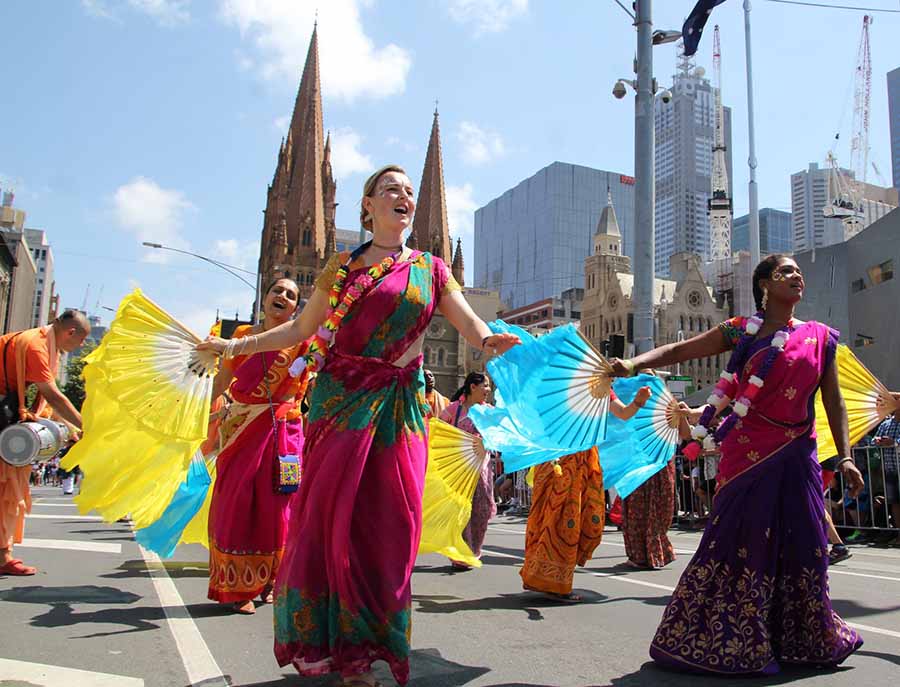
At the core of any successful brand identity lies a distinct visual language. ISKCON achieved immediate brand recognition by standardizing its aesthetic, which serves as a beacon of continuity in diverse geographical markets. The saffron robes, the shaved heads with shikhas, and the specific application of tilak on the forehead act as a “uniform” that functions much like a corporate logo. In marketing terms, this is the ultimate manifestation of brand consistency; it ensures that the “product”—the practitioners themselves—is instantly identifiable to the consumer, regardless of whether the interaction occurs in New York, London, or Mumbai.
Color Psychology and Brand Recognition
The deliberate choice of saffron—a color associated with renunciation and spiritual fire in Vedic tradition—serves as the primary brand color. In marketing strategy, colors evoke emotional responses. By saturating the public sphere with this specific shade, ISKCON created an immediate cognitive association between the color and their specific movement. When an individual sees that color in a public space, they do not just see clothing; they see the brand. This level of visual integration is something many Fortune 500 companies spend millions of dollars to cultivate.
The Role of Consistent Iconography
Beyond personal attire, the branding extends to the organization’s printed materials and architectural projects. The use of traditional Vedic motifs, stylized calligraphy, and architectural domes creates a “brand ecosystem.” Every temple acts as a flagship store, offering an immersive brand experience. By maintaining rigorous design standards across all global locations, the movement ensures that a devotee feels a sense of brand loyalty and belonging, regardless of their local branch. This is a critical component of brand equity: the promise of a uniform experience that fosters trust and psychological safety.
Mission-Driven Messaging and Value Propositions
A brand is only as strong as its core messaging. ISKCON’s branding strategy is built upon a clear value proposition: the dissemination of Vedic knowledge and the practice of bhakti-yoga as a path to spiritual fulfillment. In an age of high-stress living and digital noise, the movement positions itself as a provider of “spiritual technology”—tools for mental peace, community connection, and purpose.
Clarity in Communication
One of the most effective aspects of the movement’s communication strategy is its clarity. They have distilled complex philosophical texts into accessible concepts such as the Maha Mantra. By packaging their philosophy into a repetitive, catchy auditory format (the mantra), they have essentially created a “brand jingle” that is known worldwide. This auditory branding is an exceptional example of how to make an abstract concept sticky and memorable. The mantra functions as the brand’s tagline, acting as both an identifier and a functional tool for the audience.

Targeting the Modern Consumer
The movement successfully identified its primary demographic in the 1960s and 70s—disenchanted youth seeking deeper meaning—and tailored its outreach to meet those specific needs. Today, the strategy has evolved to target a broader audience of professionals and families seeking holistic wellness. By shifting the messaging to emphasize stress relief, vegetarianism, and community support, the organization has effectively “rebranded” its offering to remain relevant to contemporary market demands. This adaptability—maintaining the core philosophy while updating the delivery method—is a hallmark of successful brand longevity.
Community Building as a Retention Strategy
In modern business, brand loyalty is often measured by the strength of the community surrounding the product. ISKCON excels at community retention, turning casual participants into brand ambassadors. The movement treats its followers not just as consumers, but as stakeholders. This model of “prosumerism”—where the follower contributes to the production of the brand’s reach—is highly effective.
Scaling Through Decentralization
The organizational structure of ISKCON is inherently scalable. By empowering local temples and regional leaders to operate with a degree of autonomy while adhering to the central brand guidelines, they have avoided the pitfalls of rigid bureaucracy. This decentralized model allows each local branch to tailor its community outreach strategies to the specific cultural context of its region. For instance, a temple in an urban tech hub might emphasize intellectual discourse and yoga classes, while a suburban branch might focus on family festivals and philanthropic outreach.
The Ambassador Effect
Every devotee acts as an individual point of contact, or an “influencer,” for the brand. By encouraging members to distribute literature, serve food (the Food for Life program), and host public festivals, the movement generates organic, grassroots marketing that money cannot buy. These touchpoints reinforce the brand’s values in the real world, turning public perception of “what is Hare Krishna” into a narrative of community service and benevolence. This creates a positive feedback loop: the more the brand is seen doing good, the stronger its reputation becomes, which in turn attracts more participants who continue the cycle of service.
Strategic Adaptation and Future-Proofing
To maintain its place in the global consciousness, ISKCON has consistently adapted to shifts in communication platforms. From the early days of book distribution in airports to the current era of digital storytelling, the movement has been quick to adopt new mediums.
Digital Transformation
In the current era, the brand has successfully pivoted to digital spaces. Their presence on social media platforms, their focus on high-quality video production for educational content, and their use of streaming platforms for global events demonstrate a keen awareness of digital marketing trends. By utilizing algorithms to push their philosophical content to users interested in meditation, mindfulness, and plant-based living, they are effectively leveraging search engine optimization and targeted advertising to grow their reach.
Crisis Management and Reputation Maintenance
Any large, long-standing organization faces scrutiny. A major aspect of the movement’s brand strategy has been its focus on long-term reputation management. By prioritizing transparency in its leadership and emphasizing philanthropic works like disaster relief and sustainable agriculture, the movement mitigates negative perceptions. By positioning itself as a reliable, established, and organized spiritual entity, it has successfully transitioned from a counter-culture phenomenon into a respected fixture of the global religious landscape.
Conclusion: The Lesson in Identity
The answer to “what religion is Hare Krishna” from a branding perspective is that it is a highly successful, globally integrated identity that effectively utilizes standard marketing pillars: consistent visual identity, clear value proposition, strong community engagement, and digital adaptability. By treating their mission with the same level of strategic rigor as a global corporate entity, ISKCON has secured its place as a enduring, recognizable brand. They remind us that whether one is selling a product, a service, or a philosophy, the principles of brand strategy remain the same: define who you are, communicate it clearly, engage your community, and adapt to the changing landscape without losing sight of the core purpose that defines your existence.
aViewFromTheCave is a participant in the Amazon Services LLC Associates Program, an affiliate advertising program designed to provide a means for sites to earn advertising fees by advertising and linking to Amazon.com. Amazon, the Amazon logo, AmazonSupply, and the AmazonSupply logo are trademarks of Amazon.com, Inc. or its affiliates. As an Amazon Associate we earn affiliate commissions from qualifying purchases.