
The intricate dance of life on Earth hinges on photosynthesis, the remarkable biochemical process by which plants, algae, and some bacteria convert light energy into chemical energy. At the heart of this conversion, enabling the synthesis of organic molecules, lies a crucial coenzyme: Nicotinamide Adenine Dinucleotide Phosphate, or NADPH. While often discussed in biological terms, understanding NADPH’s role in photosynthesis is increasingly vital for the tech sector, driving innovations in bioengineering, artificial intelligence in agriculture, and renewable energy technologies. NADPH represents a fundamental piece of nature’s energy toolkit, one that technology is now striving to mimic, optimize, and leverage.
The Core Mechanism: NADPH as Photosynthesis’s Energy Currency
NADPH functions as a primary electron carrier, a rechargeable battery of sorts, that plays an indispensable role in the energy transfer systems within photosynthetic organisms. Its presence is indicative of the sophisticated energy management strategies refined over billions of years of evolution, strategies that modern technology endeavors to decode and replicate.
The Light-Dependent Reactions: NADPH’s Formation
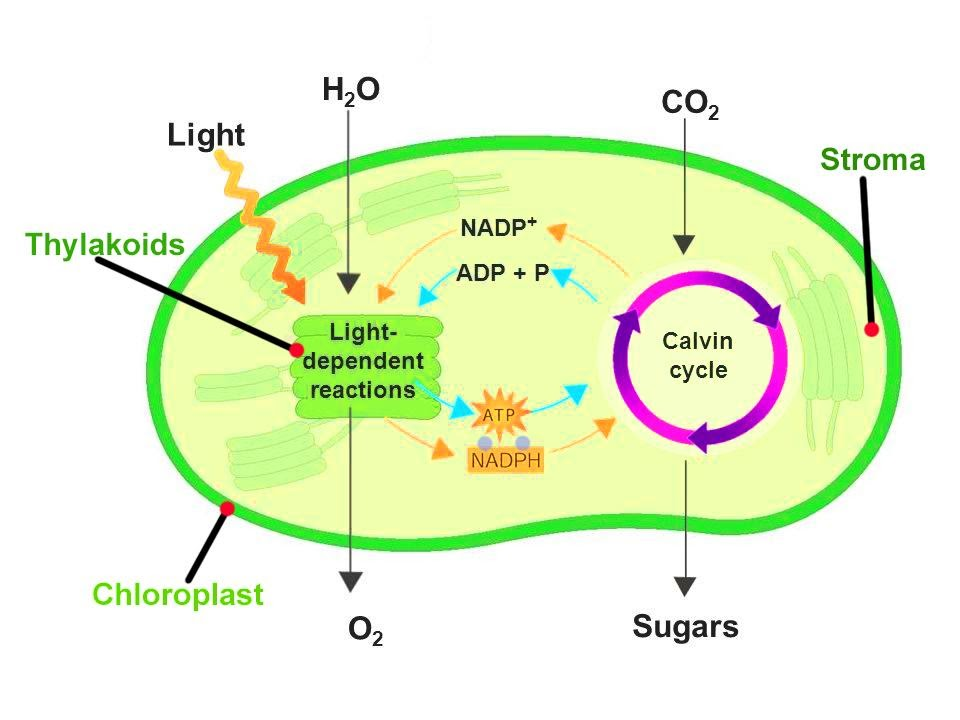
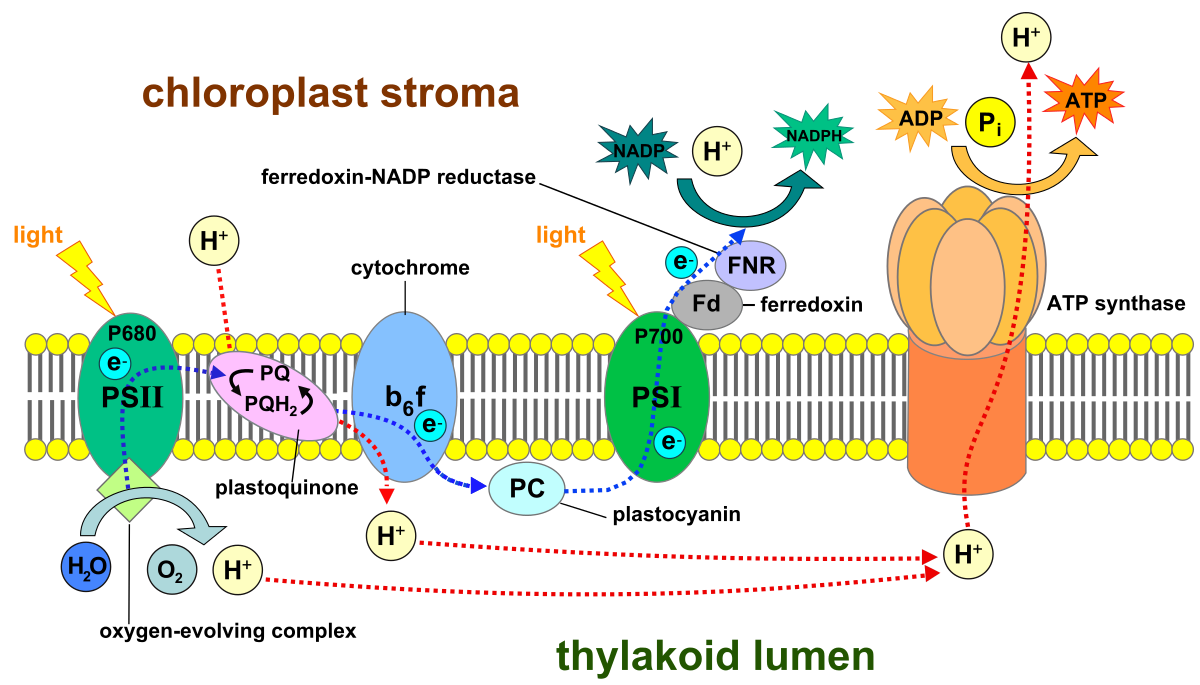
The journey of NADPH begins in the light-dependent reactions of photosynthesis, which occur within the thylakoid membranes of chloroplasts. This initial phase is where light energy is captured and converted into chemical energy. When photons strike chlorophyll molecules, they excite electrons, which are then passed along an electron transport chain. As these electrons move through a series of protein complexes, their energy is used for two main purposes: to pump protons across the thylakoid membrane, creating a proton gradient used for ATP synthesis (another energy carrier), and ultimately, to reduce NADP+ to NADPH.
The enzyme NADP+ reductase facilitates the final step, adding electrons and a proton to NADP+ to form NADPH. This reduction step is critical because it stores the captured light energy in a stable, usable form. From a technological perspective, this process highlights an incredibly efficient natural photovoltaic system, inspiring research into advanced solar energy conversion materials and photocatalysts that can similarly capture and store energy with high fidelity. Understanding the precise molecular machinery involved in NADPH synthesis offers blueprints for bio-inspired energy harvesting devices and synthetic chemical processes.
The Calvin Cycle: NADPH’s Role in Carbon Fixation
Once formed, NADPH, along with ATP, moves into the stroma of the chloroplast to participate in the light-independent reactions, commonly known as the Calvin cycle. This is where the real “building” happens – the fixation of atmospheric carbon dioxide into glucose and other organic compounds. Here, NADPH acts as a potent reducing agent.
In the Calvin cycle, CO2 is first incorporated into an existing five-carbon sugar. The resulting unstable six-carbon compound quickly splits into two molecules of 3-phosphoglycerate. It is at this stage that ATP and NADPH become crucial. ATP provides the necessary energy, while NADPH donates its high-energy electrons (protons) to reduce 3-phosphoglycerate into glyceraldehyde-3-phosphate (G3P). G3P is a three-carbon sugar that serves as the immediate precursor for glucose and other carbohydrates, amino acids, and fatty acids. Without the reducing power of NADPH, the conversion of CO2 into sugars – the very foundation of most food chains – would be impossible. Tech innovations in enhancing crop yields often target the efficiency of the Calvin cycle, seeking to optimize the utilization of NADPH and ATP to accelerate carbon fixation and biomass production.
Leveraging Nature’s Efficiency: Tech Innovations in Photosynthesis
The efficiency and elegant simplicity of NADPH’s role in photosynthesis present a compelling model for technological advancement across various sectors. From sustainable energy solutions to agricultural enhancements, scientists and engineers are constantly looking for ways to harness or emulate these natural processes.
Artificial Photosynthesis: Mimicking Nature’s Design
One of the most ambitious areas of tech development inspired by photosynthesis is artificial photosynthesis. The goal is to create synthetic systems that can capture sunlight and use its energy to split water into hydrogen and oxygen, or reduce carbon dioxide into fuels or useful chemicals, much like plants produce sugars. NADPH’s function as a high-energy electron carrier and reductant provides a direct analogy for the electron transfer mechanisms required in these artificial systems.
Researchers are developing advanced materials, including semiconductor photocatalysts, molecular catalysts, and nanoscale devices, designed to mimic the light-harvesting and electron transfer capabilities of chloroplasts. The challenge lies in developing materials that are efficient, stable, and cost-effective, capable of performing multi-electron reduction reactions, similar to how NADP+ reductase efficiently produces NADPH. Success in artificial photosynthesis could revolutionize energy production, offering a clean, renewable alternative to fossil fuels by generating hydrogen fuel or synthesizing carbon-neutral chemicals directly from sunlight and CO2.
Bioengineering & Genetic Modification for Enhanced Yields
In agriculture, the understanding of NADPH’s role is driving bioengineering efforts aimed at improving photosynthetic efficiency in crops. Traditional breeding methods have largely plateaued in terms of significant yield increases, prompting a pivot towards genetic modification and synthetic biology approaches. By engineering specific enzymes or pathways within the Calvin cycle, scientists hope to optimize the plant’s use of NADPH and ATP, leading to faster growth rates and increased biomass accumulation.
For example, researchers are investigating ways to enhance the activity of key enzymes involved in CO2 fixation, or to modify the electron transport chain to generate NADPH more efficiently. There’s also work on introducing “super-photosynthesis” traits from other organisms or even entirely new metabolic pathways. These technological interventions are crucial for addressing global food security challenges, enabling the cultivation of more resilient and productive crops that can thrive in varying environmental conditions while requiring fewer resources.
Digital Tools & AI: Unlocking Photosynthetic Secrets
The complexity of photosynthesis, involving countless molecular interactions and dynamic environmental responses, makes it an ideal subject for advanced computational analysis and artificial intelligence. Digital tools are becoming indispensable for predicting, modeling, and optimizing photosynthetic processes.
Computational Modeling and Simulation
Computational biology leverages sophisticated algorithms and high-performance computing to simulate the intricate steps of photosynthesis, including the precise movements of electrons and protons that lead to NADPH formation and utilization. These models allow researchers to virtually experiment with different genetic modifications or environmental conditions, predicting their impact on overall photosynthetic efficiency without costly and time-consuming wet-lab experiments.
By creating digital twins of photosynthetic systems, scientists can identify bottlenecks in the NADPH regeneration or usage pathways. For instance, simulating how changes in light intensity or CO2 concentration affect the balance of ATP and NADPH can inform strategies for controlled environment agriculture (e.g., vertical farms), where conditions are precisely manipulated to maximize crop growth. This predictive power is invaluable for accelerating discovery and innovation in plant science and bioenergy.
AI-Driven Optimization in Plant Science
Artificial intelligence and machine learning are rapidly transforming plant science, particularly in optimizing photosynthetic efficiency. AI algorithms can analyze vast datasets from plant genomics, phenomics (observable traits), and environmental sensors to identify subtle patterns and relationships that human researchers might miss. For example, AI can be used to:
- Identify optimal gene targets: Machine learning models can predict which genetic modifications are most likely to enhance NADPH production or utilization, guiding synthetic biology efforts.
- Predict crop performance: AI can correlate environmental factors (light, temperature, humidity) with photosynthetic rates and yields, allowing for real-time adjustments in smart greenhouses and precision agriculture systems.
- Design novel enzymes: AI can assist in the de novo design of enzymes that perform the electron transfer functions of NADP+ reductase more efficiently or with novel substrates, potentially unlocking new pathways for chemical synthesis.
These AI tools are not just analytical; they are becoming generative, helping to design new biological solutions and accelerate the iterative process of scientific discovery, pushing the boundaries of what’s possible in photosynthetic engineering.
Future Tech: Photosynthesis Beyond Plants
The insights gleaned from NADPH’s role in natural photosynthesis extend beyond traditional plant agriculture, paving the way for revolutionary technologies in energy and material science.
Biofuel Production and Sustainable Energy
The quest for sustainable energy solutions heavily relies on mimicking and enhancing nature’s energy conversion processes. NADPH’s role in converting CO2 into sugars is a direct inspiration for developing microbial or algal bioreactors that can produce biofuels (like ethanol or biodiesel) or bio-based chemicals. By genetically engineering microorganisms to optimize their photosynthetic or chemosynthetic pathways, researchers aim to create highly efficient “cell factories” that use light and CO2 as inputs to produce valuable outputs, leveraging the reducing power of NADPH in their metabolic networks. This represents a significant shift towards a circular economy, where waste CO2 can be valorized into new resources.

Advancements in Crop Protection and Nutrient Delivery
Beyond direct energy conversion, understanding the nuances of NADPH metabolism in plants can lead to advanced tech in crop protection and nutrient management. NADPH is not only crucial for sugar synthesis but also for various stress response pathways, including antioxidant defense systems. Plants produce reactive oxygen species (ROS) under stress (e.g., drought, heat, pathogen attack), and NADPH-dependent enzymes are essential for neutralizing these harmful molecules.
New technologies, such as advanced sensor networks and precision agriculture drones, can monitor plant health and stress levels in real-time, often detecting early indicators of stress long before visible symptoms appear. This data, sometimes coupled with AI analysis, allows for targeted interventions—delivering specific nutrients or biostimulants that might boost the plant’s endogenous NADPH-dependent defenses, making crops more resilient and reducing reliance on traditional pesticides. Furthermore, nanotechnology is exploring novel delivery systems for these biostimulants or genetic material, ensuring precise and efficient uptake by plant cells, directly influencing metabolic pathways involving NADPH for improved plant vigor and resilience.
In conclusion, NADPH in photosynthesis is far more than a biological curiosity; it is a profound blueprint for sustainable technology. From artificial energy systems and bioengineered crops to AI-driven discovery and advanced agricultural tools, the lessons learned from this humble coenzyme continue to fuel innovation, pushing the boundaries of what is possible in building a more energy-efficient and food-secure future.
aViewFromTheCave is a participant in the Amazon Services LLC Associates Program, an affiliate advertising program designed to provide a means for sites to earn advertising fees by advertising and linking to Amazon.com. Amazon, the Amazon logo, AmazonSupply, and the AmazonSupply logo are trademarks of Amazon.com, Inc. or its affiliates. As an Amazon Associate we earn affiliate commissions from qualifying purchases.