
To understand the question “What religion is Gandhi?” is to embark on an exploration of one of the most successful personal branding case studies in human history. While the biographical answer is straightforward—Mahatma Gandhi was born into a Hindu family and remained a devout Hindu throughout his life—the strategic answer is far more complex. Gandhi’s “religion” was not merely a set of theological dogmas; it was the foundational core of a global brand identity that transformed a shy, middle-class lawyer into the “Great Soul” (Mahatma) who dismantled an empire.

In the world of brand strategy, we often speak about “brand values,” “authenticity,” and “visual identity.” Gandhi mastered these concepts decades before they became corporate buzzwords. His religious identity was the “brand DNA” that informed every strategic move he made, creating a level of consistency and trust that modern brands can only dream of achieving.
The Foundational Core: Philosophy as Brand Identity
When examining Gandhi’s religion through the lens of brand strategy, we must first look at his “Brand Purpose.” Gandhi’s Hinduism was deeply syncretic, influenced by the Jainism prevalent in his native Gujarat, as well as the Sermon on the Mount and the writings of Tolstoy. This diverse spiritual background allowed him to craft a brand identity centered on universal truths rather than narrow sectarianism.
The Truth (Satya) as the Unique Selling Proposition (USP)
For Gandhi, the search for Truth was the ultimate goal. In branding terms, this translated to radical transparency. He titled his autobiography The Story of My Experiments with Truth, effectively positioning his life as an open-source project. By admitting his flaws, his sexual struggles, and his political miscalculations, he built a brand based on “vulnerability marketing” long before it was popularized by modern leadership experts. His religion taught him that God is Truth, and by extension, his brand promise was absolute honesty with his “consumers”—the Indian public and the global community.
Ahimsa: The Strategy of Non-Violent Disruption
If Truth was his brand promise, Ahimsa (non-violence) was his operational strategy. Gandhi recognized that a violent revolution would alienate potential stakeholders (the international community) and play into the strengths of the British Empire. By adopting a “religion” of non-violence, he disrupted the political landscape. He turned the traditional power dynamic on its head, forcing his opponent to act as the aggressor against a peaceful brand, thereby damaging the British Empire’s own brand reputation on the world stage.
Visual Identity and the Power of Radical Minimalism
A brand is often identified by its visual cues. Gandhi’s transition from a Western-educated lawyer in a three-piece suit to a “half-naked fakir” in a hand-spun loincloth is perhaps the most significant visual rebranding in history. This was not a random choice; it was a calculated move to align his visual identity with his core values and his target audience.
The Dhoti as a Brand Uniform
Gandhi understood that to lead the masses of India, he had to look like them. His “religion” of simplicity required a rejection of material excess. By adopting the dhoti, he created a visual shorthand for his brand values: humility, self-reliance, and identification with the poor. This uniform was instantly recognizable, making him a walking logo for the Indian independence movement. It was a masterclass in brand consistency; whether he was meeting with the King of England or walking through a village, his visual identity never wavered.
The Charkha: A Logo with a Mission
The spinning wheel (Charkha) was more than a tool for making clothes; it was the quintessential brand logo. It represented the “Swadeshi” movement—a strategy of economic self-reliance. Gandhi encouraged every Indian to spin their own cloth, effectively turning his “customers” into brand ambassadors. The Charkha symbolized a decentralized economy and a rejection of industrial exploitation, aligning perfectly with his religious belief in the dignity of labor. It provided a tangible action for his followers, creating a “community-led growth” model that unified a diverse population under a single visual symbol.
Messaging and Narrative: “My Life is My Message”
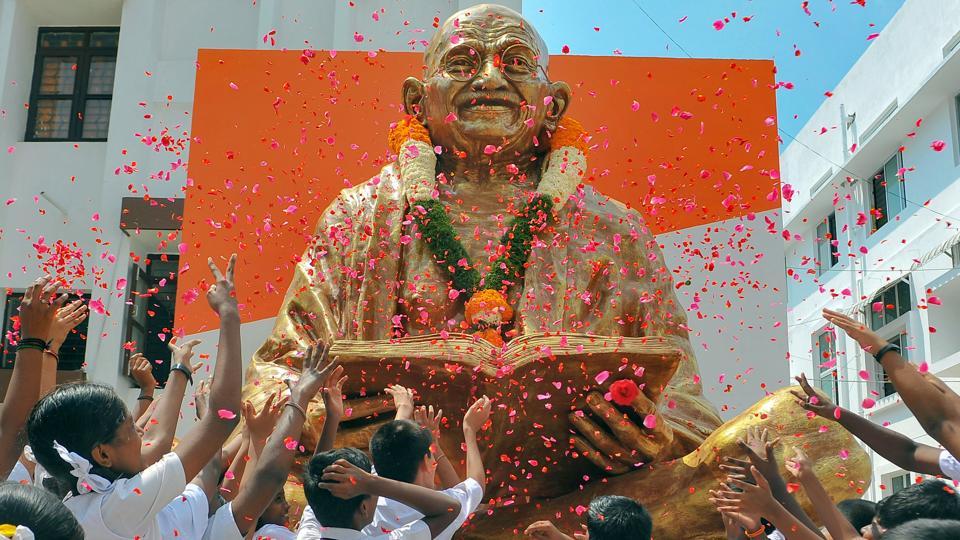
Great brands don’t just sell products; they tell stories that resonate with the human experience. Gandhi’s religion provided the narrative arc for his life’s work. He didn’t rely on complex manifestos or corporate white papers; he relied on lived experience and simple, powerful slogans.
The Power of Slogans and Mantras
“Satyagraha” (truth-force) and “Sarvodaya” (the welfare of all) were more than just religious concepts; they were the slogans of his campaign. These terms summarized complex philosophical frameworks into digestible brand pillars. He understood that for a brand to scale, its message must be simple enough to be understood by the illiterate masses yet deep enough to satisfy the intellectual elite.
Storytelling Through Action: The Salt March
The 1930 Salt March is one of the most effective PR campaigns in history. By focusing on a simple, universal commodity—salt—Gandhi created a narrative that everyone could understand. The act of walking 240 miles to the sea was a masterclass in experiential branding. It generated “earned media” long before the term existed, as journalists from around the world followed the journey. The march was a physical manifestation of his religious conviction that a small, righteous act could challenge a massive, unjust system. It was the ultimate “brand activation.”
Scaling the Brand: From Personal Faith to Global Movement
Gandhi’s religion helped him navigate the complex “stakeholder management” required to lead a nation of millions. He had to appeal to Hindus, Muslims, Sikhs, and Christians, as well as the British authorities. His brand of “universal religion” allowed him to build a broad-based coalition.
Inclusive Branding and Corporate Social Responsibility (CSR)
Gandhi’s commitment to the “Untouchables,” whom he rebranded as Harijans (Children of God), was an early form of social impact branding. He recognized that for India to be truly free, it had to address its internal inequities. This wasn’t just a moral stance; it was a strategic move to ensure the “brand” of independent India was inclusive and unified. His focus on village-level development was essentially a grassroots brand-building strategy that focused on the “bottom of the pyramid.”
Managing the Global Perception
Gandhi was acutely aware of how his brand was perceived internationally. He used his religious identity to appeal to the moral sensibilities of the Western world. By framing the struggle for Indian independence as a spiritual battle rather than a mere political dispute, he gained the sympathy of the global public. He turned his personal brand into a moral authority that even his enemies found difficult to attack without appearing barbaric.
Legacy and the Immortality of a Values-Based Brand
The ultimate test of any brand is its longevity. Long after the “product” (Indian independence) was delivered, the Gandhi brand continues to thrive. This is because his brand was built on “evergreen” values rather than fleeting trends.
The “Gandhi” Influence on Modern Corporate Identity
Today, many of the world’s most successful brands—from Apple to Patagonia—use elements of the Gandhian brand strategy. Apple’s “Think Different” campaign famously featured Gandhi, aligning their brand with his spirit of non-conformity and disruption. Brands that prioritize “Purpose Over Profit” are essentially following the blueprint Gandhi laid out through his religious devotion to the common good.
The Religion of Authenticity in the Digital Age
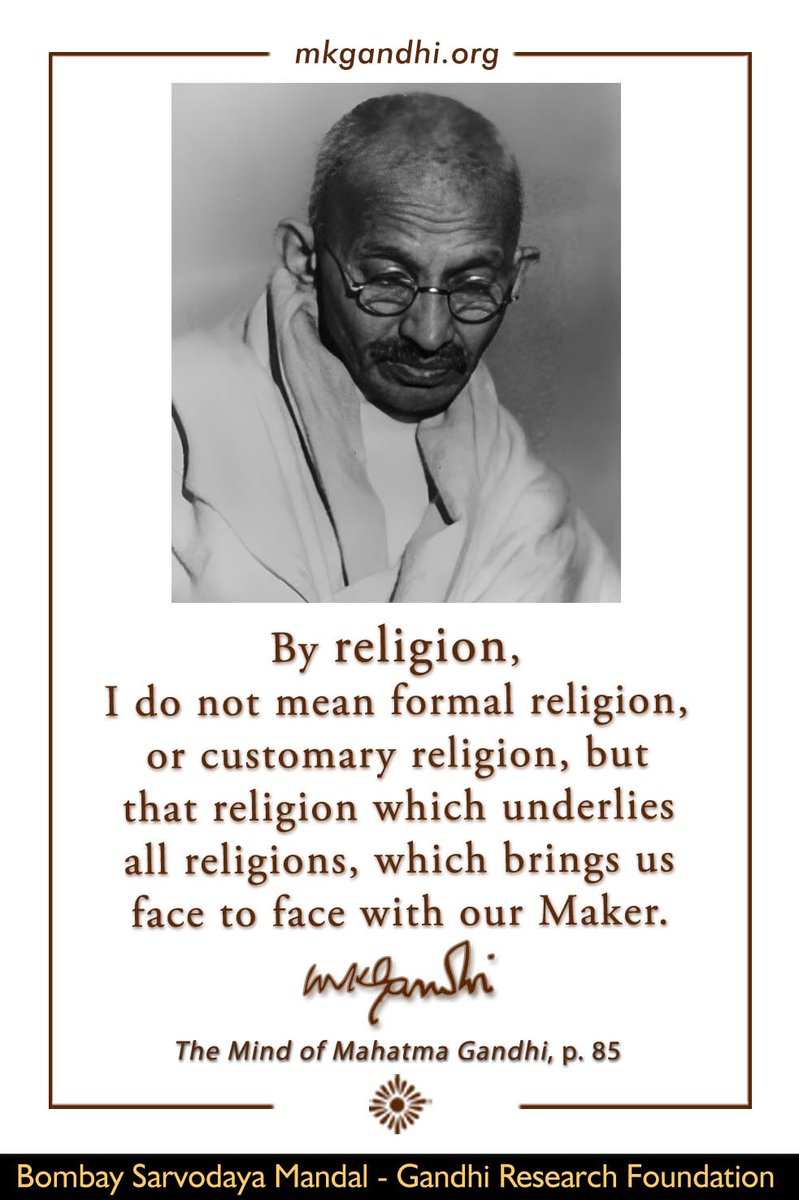
In an era of deepfakes and corporate skepticism, Gandhi’s “religion of truth” is more relevant than ever for brand builders. Modern consumers demand authenticity; they want to know that a brand’s internal values match its external messaging. Gandhi’s life demonstrates that the most powerful brand identity is one that is lived, not just marketed. His “religion” was his brand strategy, proving that when values are deeply held and consistently applied, they can change the world.
In conclusion, when we ask “What religion is Gandhi?” we are really asking what defined the core of his existence. While he was a Hindu, his true religion was a strategic commitment to Truth, Simplicity, and Non-violence. These weren’t just spiritual choices; they were the elements of a masterful brand strategy that created a legacy of unparalleled influence. Gandhi didn’t just have a brand; he was the brand, and his life remains the gold standard for how to build a personal identity that transcends time and space.
aViewFromTheCave is a participant in the Amazon Services LLC Associates Program, an affiliate advertising program designed to provide a means for sites to earn advertising fees by advertising and linking to Amazon.com. Amazon, the Amazon logo, AmazonSupply, and the AmazonSupply logo are trademarks of Amazon.com, Inc. or its affiliates. As an Amazon Associate we earn affiliate commissions from qualifying purchases.