
In the fast-paced world of e-commerce, digital entrepreneurship, and global trade, the logistics chain is the backbone of financial success. For online business owners and side hustlers, the phrase “delivery exception” on a FedEx tracking page can be more than just a minor inconvenience; it represents a potential disruption in cash flow, an increase in operational overhead, and a risk to customer lifetime value. Understanding what a FedEx delivery exception means through the lens of business finance is essential for maintaining a lean, profitable operation.
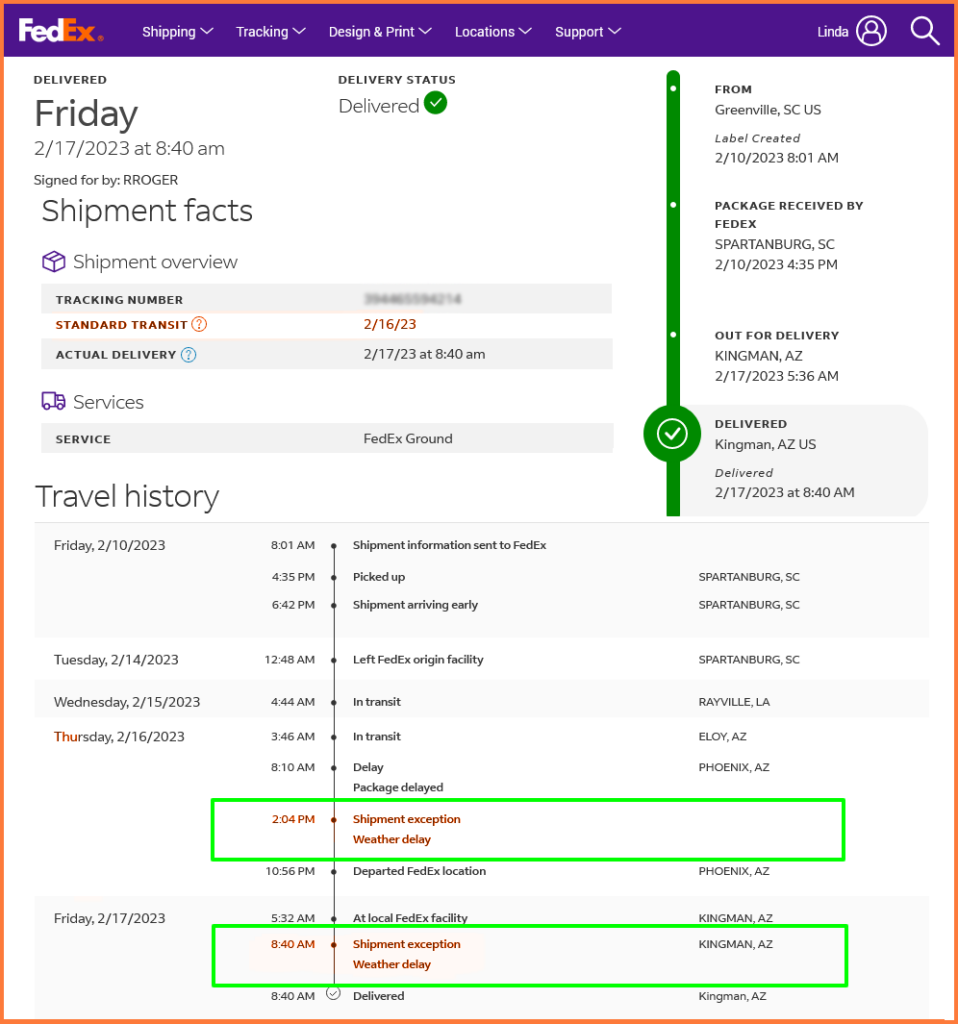
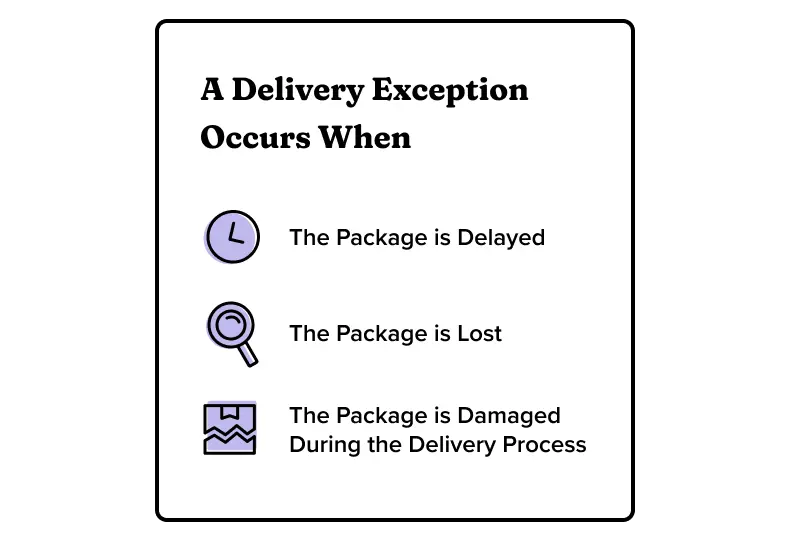
A delivery exception occurs when a package is temporarily delayed in transit due to an unforeseen event. While the term sounds ominous, it does not necessarily mean the package is lost or damaged. It simply means the original delivery schedule has been adjusted. For a business, this is a signal to trigger specific risk management protocols to protect the bottom line.

The Financial Impact of Delivery Exceptions on Your Business
For a personal finance-conscious individual or a small business owner, every shipment is an investment. When a delivery exception occurs, that investment is stalled. Understanding the financial nuances of these delays allows you to better manage your business capital and expectations.
Impact on Cash Flow and Revenue Recognition
In many accounting structures, revenue is recognized when the customer receives the product (FOB Destination). A delivery exception delays this milestone. For businesses operating on tight margins or those utilizing “just-in-time” inventory models, these delays can create a bottleneck in cash flow. If you are waiting for a delivery to complete a project or fulfill a secondary sale, an exception represents “frozen” capital that is not yet working for you.
Indirect Costs: Customer Acquisition vs. Retention
From a financial perspective, it is significantly cheaper to retain an existing customer than to acquire a new one. A delivery exception that is handled poorly can lead to a refund request or a chargeback. Chargebacks are particularly damaging to business finance as they often incur additional fees from payment processors and can jeopardize your standing with merchant services. Managing delivery exceptions proactively is a defensive financial strategy to protect your customer acquisition investment.
Increased Operational Overhead
Every time a delivery exception occurs, it requires labor to resolve. Whether it is you spending an hour on the phone with FedEx or an employee managing customer inquiries, there is a literal cost to that time. If your business experiences a high rate of exceptions, these “soft costs” accumulate, eating into your net profit.
Common Causes of Delivery Exceptions and Their Financial Consequences
Not all delivery exceptions are created equal. Some are minor hiccups, while others require immediate financial intervention. By identifying the root cause, you can determine whether you need to swallow the cost or if there is a path to reimbursement.
Incorrect Address and Re-routing Fees
One of the most common causes of a FedEx delivery exception is an incorrect or incomplete address. From a business finance standpoint, this is a preventable leak. FedEx often charges an “Address Correction Fee” to fix these errors. For a small side hustle, a $15 to $20 fee per package can completely wipe out the profit margin on a single sale. Implementing address verification software at the point of sale is a small upfront investment that prevents these recurring financial hits.
Recipient Not Available and Redelivery Costs
If a package requires a signature and no one is home, FedEx will issue a delivery exception. While FedEx typically makes three attempts, the financial risk lies in the package being returned to the sender (RTS). If a package is returned, the business is often responsible for the return shipping costs as well as the costs to ship it out a second time. This “double shipping” scenario is a common pitfall for high-ticket items and luxury goods.
Customs Delays in International Trade
For those involved in international e-commerce or drop-shipping, “Held in Customs” is a frequent delivery exception. This can lead to unexpected financial liabilities such as storage fees (demurrage) or additional duties and taxes. If the paperwork is not filed correctly, the goods may be seized, resulting in a total loss of the inventory investment. Understanding Incoterms and ensuring all duties are calculated and paid (DDP vs. DDU) is vital for maintaining predictable business expenses.
Weather and Force Majeure
Weather-related exceptions are generally outside of the carrier’s control, meaning they are rarely eligible for “money-back guarantees.” For a business, this means you must account for seasonal disruptions in your financial planning. During peak seasons like the winter holidays, increasing your “safety stock” or adjusting your delivery promises can prevent the financial fallout of missed deadlines.
Mitigating Risk: Financial Strategies for Handling Exceptions
Managing a business means managing risk. When it comes to logistics, you need a financial toolkit to ensure that delivery exceptions don’t derail your profitability.
Leveraging Shipping Insurance as a Capital Shield
Shipping insurance is often viewed as an unnecessary expense, but in the context of business finance, it is a risk-transfer mechanism. For high-value shipments, the cost of insurance is a fraction of the potential loss. If a delivery exception turns into a “damaged” or “lost” status, having a robust insurance policy ensures that your capital is returned, allowing you to replace the inventory without taking a hit to your balance sheet.
Negotiating Carrier Contracts and Service Level Agreements (SLAs)
If your business ships in high volumes, you have the leverage to negotiate. Many FedEx contracts include clauses for on-time delivery. If an exception is caused by a carrier error (such as a sorting mistake), you may be entitled to a refund of the shipping costs. Utilizing automated auditing software can help you track these exceptions and automatically file for refunds, turning “lost” money back into found revenue.
The “Buffer” Strategy in Pricing Models
Savvy business owners build the cost of “logistics friction” into their pricing. By analyzing your historical delivery exception rate, you can calculate the average cost per package for redeliveries, returns, and lost items. Adding a small “logistics premium” to your product price ensures that when an exception does occur, the business has already self-insured against the cost.
Turning Logistics Data into Financial Insights
In the modern economy, data is a financial asset. FedEx provides detailed tracking and exception reports that can be used to optimize your business operations.
Analyzing Exception Trends for Better Budgeting
By reviewing monthly exception reports, you may find patterns. For example, if a specific zip code consistently triggers “Address Not Found” exceptions, you may choose to restrict shipping to that area or use a different carrier. If a certain product frequently receives “Damaged in Transit” exceptions, it’s a signal to invest more in packaging—a move that increases COGS (Cost of Goods Sold) but decreases the much higher cost of returns and replacements.
Tax Implications of Shipping Losses and Fees
From a tax perspective, the costs associated with delivery exceptions are generally deductible as business expenses. This includes re-shipping fees, lost inventory costs (if not reimbursed by insurance), and the cost of the original shipping labels. Maintaining meticulous records of every delivery exception ensures that you are maximizing your tax deductions, effectively lowering your taxable income at the end of the year.
Scaling Your Side Hustle Through Logistics Reliability
As a side hustle grows into a full-scale business, the complexity of logistics increases. Investors and lenders look for operational efficiency when valuing a business. A company that has a clear protocol for handling delivery exceptions and a low “shipping loss ratio” is seen as a lower-risk investment. Mastering the nuances of FedEx delivery exceptions is not just about one package; it is about building a scalable, resilient financial entity.
In conclusion, while a FedEx delivery exception is a logistical term, it is fundamentally a financial event. By understanding the causes, costs, and mitigation strategies, you can protect your profit margins and ensure that your business remains on a stable financial footing, even when the road to delivery encounters a bump. Logistics mastery is, in many ways, the ultimate form of financial discipline for the modern entrepreneur.
aViewFromTheCave is a participant in the Amazon Services LLC Associates Program, an affiliate advertising program designed to provide a means for sites to earn advertising fees by advertising and linking to Amazon.com. Amazon, the Amazon logo, AmazonSupply, and the AmazonSupply logo are trademarks of Amazon.com, Inc. or its affiliates. As an Amazon Associate we earn affiliate commissions from qualifying purchases.