
When navigating the complex hierarchy of the United States Army, titles often serve as both indicators of authority and markers of career progression. Among the most misunderstood yet pivotal roles is that of the First Sergeant. To understand where this rank sits within the organizational structure, one must view it not merely as a title, but as the heartbeat of a company-sized unit. In the broader context of personal branding and corporate identity, the First Sergeant represents the ultimate example of “middle management” leadership—a bridge between strategic vision and tactical execution.
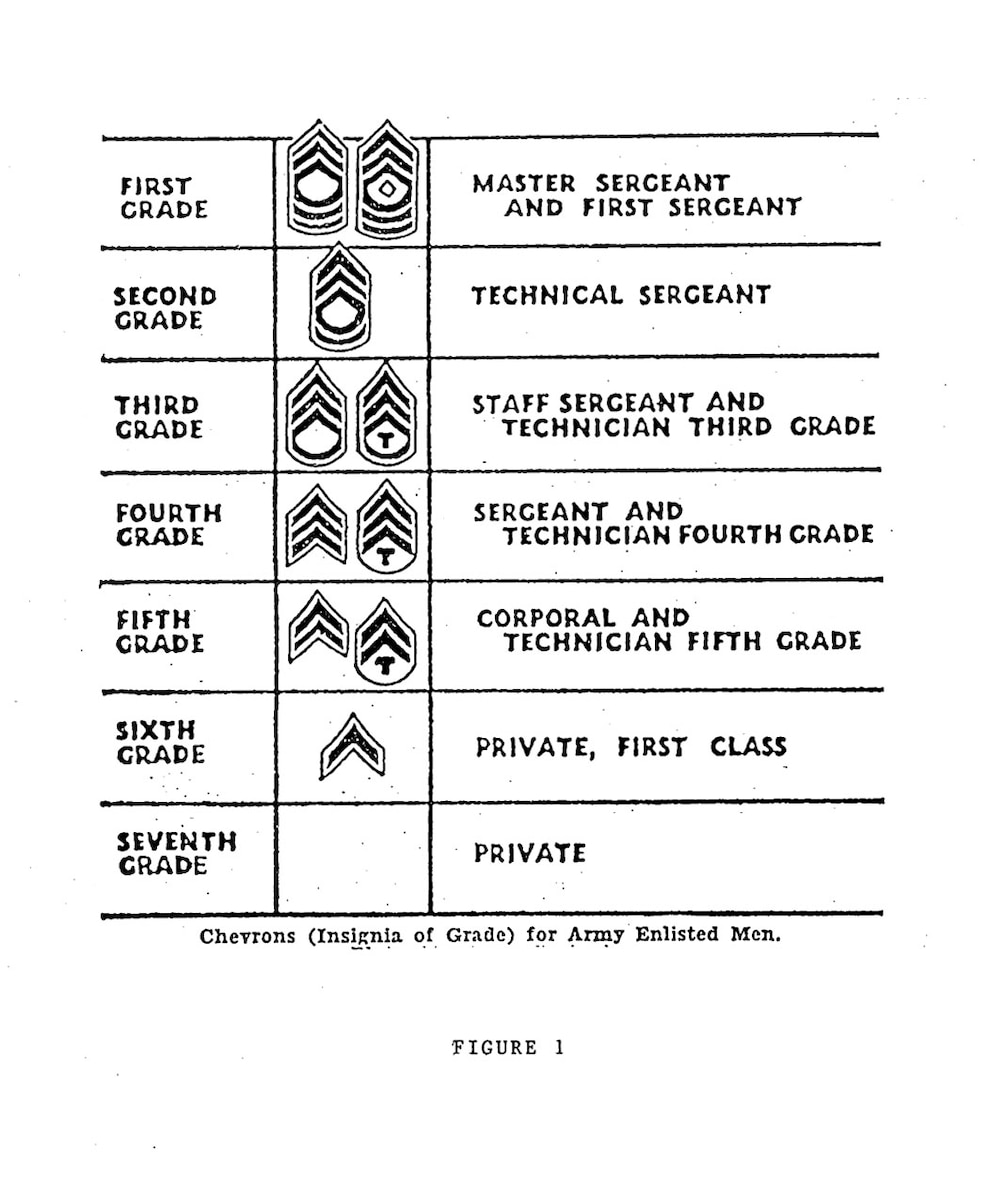
The Hierarchical Placement: Defining the E-8 Pay Grade
The First Sergeant, designated by the pay grade E-8, occupies a unique space in the Non-Commissioned Officer (NCO) support channel. In the Army, rank is categorized by a combination of enlisted (E), warrant officer (WO), and commissioned officer (O) tiers. An E-8 rank places the First Sergeant at the senior level of the NCO corps, just below the Sergeant Major (E-9) and above the Master Sergeant (E-8).
While the Master Sergeant and the First Sergeant share the same pay grade, their functions within the corporate structure of the unit differ significantly. A Master Sergeant typically serves as a technical expert or an administrative advisor at the battalion or brigade level. In contrast, the First Sergeant is a duty position specifically assigned to a company, battery, or troop. This distinction is vital for those studying leadership roles; it proves that organizational influence is often defined by role-specific authority rather than base salary alone.
Distinguishing Between Rank and Duty Position
In military terms, rank is the status one holds, while a “duty position” is the role one performs. When a Master Sergeant is appointed to serve as the “First Sergeant” of a company, they adopt the title, the diamond-shaped insignia, and the associated responsibilities. From a branding perspective, this is akin to a senior manager being promoted to “Department Head.” They carry the same base compensation as their peers in other departments, but their sphere of influence and operational control over human capital is vastly expanded.
The Operational Responsibility: The “First Shirt” as a Corporate Asset
In the corporate world, the First Sergeant functions as the Chief Operating Officer (COO) of their unit. They are responsible for the daily activities of the soldiers, the maintenance of equipment, the administration of personnel records, and the enforcement of standards. If the Company Commander—a commissioned officer—is the CEO who sets the vision and makes strategic decisions, the First Sergeant is the individual who ensures the culture, discipline, and logistics are aligned to achieve that vision.
Mentorship and Personnel Development
A critical component of the First Sergeant’s role is the development of junior leaders. Much like a mentor in a high-growth startup, the First Sergeant identifies high-potential talent, corrects deficiencies, and fosters an environment of professional excellence. They are the final arbiter of morale and the primary enforcer of corporate—in this case, military—values. By mastering the art of personnel management, they ensure that the unit remains a cohesive, functional entity capable of performing under pressure. This focus on “human branding”—ensuring that every soldier represents the unit’s values—is a masterclass in organizational alignment.
Leadership Dynamics: Managing the Interface Between Officers and Enlisted

The most distinctive feature of the First Sergeant rank is its role as a bridge between the commissioned officer leadership and the enlisted force. This is a delicate balancing act that requires a high degree of emotional intelligence and political savvy. In a civilian corporate structure, this role is analogous to an HR Director or a Senior Operations Manager who must simultaneously satisfy the demands of the board of directors (the officers) while maintaining the trust and productivity of the workforce (the enlisted soldiers).
The “Diamond” Authority
The term “First Shirt” is a colloquialism for the rank, derived from the diamond insignia worn on the uniform. This diamond is a symbol of authority that extends beyond the classroom or the office. The First Sergeant has the power to recommend disciplinary action, reward performance, and influence career trajectories. Because they possess this level of influence, their leadership style defines the “corporate culture” of their company. A unit led by an effective First Sergeant will demonstrate higher levels of accountability, lower attrition, and superior performance compared to one led by a disengaged individual.
Career Progression and Strategic Value
Understanding the First Sergeant rank is essential for anyone interested in the trajectory of leadership development. The journey to becoming a First Sergeant is a long process involving years of cumulative experience, technical mastery, and demonstrated leadership aptitude. It is rarely a position for the inexperienced.
From NCO to Senior NCO
A soldier typically spends years as a junior NCO (Corporal or Sergeant) and a mid-level NCO (Staff Sergeant) before reaching the senior NCO status required to be considered for a First Sergeant position. During this time, they acquire specialized skills, undergo rigorous leadership training, and build a reputation for reliability.
When a soldier is selected for this rank, they are signaling to the organization that they possess:
- Unwavering Integrity: The ability to uphold standards even when it is difficult.
- Operational Competence: A deep understanding of their specific branch’s technical requirements.
- Strategic Thinking: The ability to see beyond the current task and anticipate the needs of the unit in the coming weeks or months.
These qualities are highly transferable. Many veterans who served as First Sergeants transition into high-level management roles in the private sector with ease, as they have already mastered the core tenets of large-scale personnel management, complex logistics, and crisis leadership.

Conclusion: The Ultimate Test of Management
The First Sergeant is far more than an E-8 pay grade. They are the linchpin of the United States Army’s organizational structure. By balancing the technical requirements of their rank with the heavy responsibility of their duty position, they set the standard for every soldier under their command.
For the observer studying organizational hierarchy, the First Sergeant serves as a model of the modern manager. They demonstrate that authority is not merely about holding a title, but about the ability to influence others, maintain rigorous standards, and ensure that the collective mission of the team is prioritized above all else. Whether in a military company or a multinational corporation, the principles of the First Sergeant—loyalty, accountability, mentorship, and operational focus—remain the fundamental pillars of successful leadership. By understanding where this rank stands and what it requires, one gains a clearer picture of how high-performance organizations function at their most granular and critical level.
aViewFromTheCave is a participant in the Amazon Services LLC Associates Program, an affiliate advertising program designed to provide a means for sites to earn advertising fees by advertising and linking to Amazon.com. Amazon, the Amazon logo, AmazonSupply, and the AmazonSupply logo are trademarks of Amazon.com, Inc. or its affiliates. As an Amazon Associate we earn affiliate commissions from qualifying purchases.