
Clear coating represents a sophisticated branch of materials science, an invisible shield engineered to protect, enhance, and extend the lifespan of a vast array of surfaces. At its core, a clear coat is a transparent layer, typically a liquid polymer formulation, applied over a base material or paint layer. Its primary function is to provide a durable barrier against environmental aggressors, physical abrasion, and chemical degradation, all while preserving or enhancing the aesthetic qualities of the underlying surface. Far from a simple varnish, modern clear coatings are highly engineered solutions, integral to the performance and longevity of products across numerous technology-driven industries, from automotive and aerospace to electronics and advanced manufacturing. Understanding the science behind these formulations reveals their critical role in today’s technologically advanced world.

The Core Technology Behind Clear Coatings
The efficacy of a clear coating stems directly from its chemical composition and the precise mechanisms by which it cures and adheres to a substrate. This involves a delicate balance of polymer chemistry, rheology, and surface science to achieve the desired protective and aesthetic properties.
Composition and Polymer Science
At the heart of most clear coatings are various types of polymers, which form the backbone of the cured film. Common polymer chemistries include acrylics, polyurethanes, epoxies, and siloxanes, often blended or modified to achieve specific performance characteristics. Acrylic resins are favored for their excellent clarity, UV resistance, and weatherability, making them ideal for outdoor applications. Polyurethanes, known for their superior hardness, flexibility, and chemical resistance, are often used in demanding industrial and automotive finishes. Epoxy resins provide exceptional adhesion and chemical resistance but can be prone to yellowing under UV exposure, limiting their use in certain clear applications unless modified. Siloxanes, often incorporated for their hydrophobic properties and scratch resistance, contribute to the growing field of ceramic and nano-coatings. Beyond the primary polymers, clear coatings contain a suite of additives: UV absorbers to prevent degradation from sunlight, flow agents to ensure an even finish, defoamers to eliminate bubbles, and various catalysts or initiators to facilitate curing. The precise balance of these components dictates the final properties of the cured film, including its hardness, flexibility, gloss, and adhesion.
Curing Mechanisms: UV, Thermal, and Air-Dry
The transition from a liquid formulation to a solid, protective film is governed by various curing mechanisms, each suited to different applications and production environments.
UV Curing involves the use of ultraviolet light to initiate a rapid polymerization process. This method is highly efficient, allowing for instant drying and immediate handling of coated parts, significantly reducing production times and energy consumption. It’s particularly prevalent in high-volume manufacturing of electronics, optical components, and certain automotive parts due to its speed and low heat input, which is beneficial for heat-sensitive substrates.
Thermal Curing requires elevated temperatures to activate cross-linking reactions within the polymer matrix. This method typically results in highly durable and chemically resistant coatings, often found in automotive OEM finishes, industrial coatings, and appliances. The curing temperature and duration are carefully controlled to optimize film properties and ensure complete polymerization.
Air-Dry Curing, or ambient curing, relies on solvent evaporation or chemical reactions with atmospheric moisture (as in some two-part polyurethane systems) to harden the film over time. While slower, this method offers flexibility for applications where heat curing is impractical or impossible, such as repair work or large structures that cannot be placed in an oven. Modern air-dry formulations have advanced significantly to provide performance comparable to oven-cured systems for many applications.
Key Performance Attributes
The effectiveness of a clear coating is judged by several critical performance attributes. Hardness and scratch resistance are paramount, particularly for surfaces subjected to wear and tear, such as automotive exteriors or device screens. Chemical resistance protects against corrosive substances, cleaning agents, and environmental pollutants. UV stability ensures that the coating does not yellow, chalk, or degrade under prolonged sun exposure, maintaining clarity and color integrity. Adhesion to the substrate is fundamental; a coating must bond securely to prevent delamination. Furthermore, optical properties like clarity and gloss retention are crucial for maintaining the aesthetic appeal and transparency that defines a clear coating. Advanced coatings may also feature specific properties like hydrophobicity (water repellency), oleophobicity (oil repellency), or antimicrobial characteristics, expanding their utility in specialized technical applications.
Diverse Applications Across Tech Industries
Clear coatings are not merely an additive; they are an enabling technology, critical for the functionality, durability, and aesthetics of modern products across a wide spectrum of advanced industries.
Automotive and Aerospace Innovation
In the automotive sector, clear coats are the outermost layer of a multi-stage paint system, providing the crucial gloss, depth, and protection that define a vehicle’s finish. They guard against UV radiation, acid rain, stone chips, and minor abrasions, significantly contributing to the vehicle’s longevity and resale value. Advancements include scratch-resistant clear coats, self-healing formulations that can repair minor damage, and ceramic-reinforced coatings offering enhanced durability. In aerospace, clear coatings are vital for protecting aircraft surfaces from extreme temperatures, UV radiation at high altitudes, erosion from rain and particulate matter, and chemical exposure, all while maintaining aerodynamic efficiency and reducing maintenance costs. Their application extends to windshields, fuselage exteriors, and internal components where optical clarity and robust protection are paramount.
Electronics and Device Protection
The miniaturization and ubiquitous nature of electronic devices have driven significant innovation in clear coating technology. For smartphones, tablets, and wearable devices, ultra-thin, highly scratch-resistant, and oleophobic clear coatings protect touchscreens from scratches, smudges, and fingerprints, enhancing user experience and device longevity. Conformal coatings, a type of clear coat, are applied to printed circuit boards (PCBs) to protect sensitive electronic components from moisture, dust, chemical contaminants, and extreme temperatures, preventing short circuits and extending device lifespan in harsh environments. Optical clear adhesives (OCAs) and coatings are also critical in bonding display layers while maintaining perfect optical clarity and touch sensitivity.
Advanced Manufacturing and 3D Printing Finishes
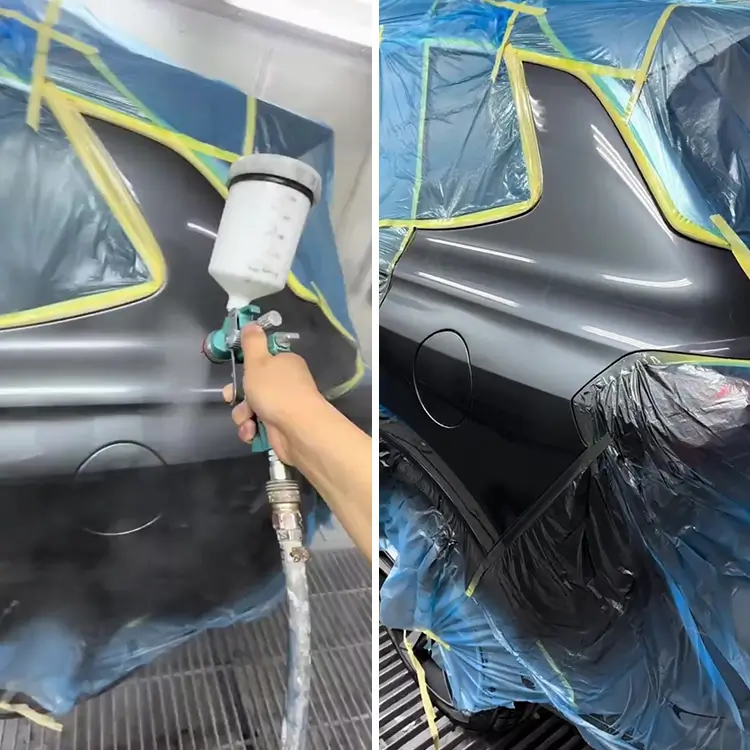
In advanced manufacturing, clear coatings serve multiple purposes. They can provide protective barriers for intricate machinery components, enhancing their resistance to wear, corrosion, and chemical exposure, thereby extending operational life. In the burgeoning field of 3D printing, clear coatings are increasingly used to finish printed parts. They can improve surface smoothness, seal porous structures, enhance mechanical strength, provide UV protection, and impart specific aesthetic qualities such as high gloss or matte finishes, transforming raw 3D prints into functional and visually appealing products. This is particularly relevant for end-use parts in automotive prototypes, medical devices, and consumer goods.
Renewable Energy and Infrastructure
Clear coatings play an underappreciated but significant role in renewable energy. For solar panels, anti-reflective and self-cleaning clear coatings can maximize light transmission, improve energy capture efficiency, and reduce maintenance needs by preventing dirt and grime accumulation. In wind energy, clear coatings protect the leading edges of wind turbine blades from erosion caused by rain, hail, and sand, which can severely impact aerodynamic efficiency and structural integrity. For infrastructure, clear coatings protect bridges, concrete structures, and architectural elements from weathering, corrosion, and graffiti, ensuring their longevity and reducing costly repairs.
Advancements and Future Trends in Clear Coating Technology
The field of clear coatings is dynamic, driven by demands for enhanced performance, sustainability, and intelligent functionalities. Future trends point towards highly specialized and environmentally conscious solutions.
Self-Healing and Hydrophobic Coatings
Self-healing clear coatings represent a remarkable advancement, capable of autonomously repairing minor scratches and abrasions, thus extending the pristine appearance and protective capabilities of a surface. These often incorporate microcapsules filled with healing agents that release upon damage or leverage reversible polymer networks. Hydrophobic and superhydrophobic coatings are designed to repel water and dirt effectively, leading to “self-cleaning” surfaces that require minimal maintenance. This technology is critical for everything from automotive finishes and building exteriors to optical lenses and medical devices, preventing contaminant buildup and preserving functionality.
Smart Coatings and Sensory Integration
The next frontier involves “smart” clear coatings that can respond to external stimuli or provide sensory feedback. This includes chromogenic coatings that change color in response to temperature or light, electrochromic coatings used in smart windows to control light transmission, and coatings with embedded sensors that can detect structural fatigue, corrosion, or environmental changes. Such intelligent coatings could revolutionize monitoring and maintenance in aerospace, infrastructure, and advanced defense systems, providing real-time data on material health and environmental conditions.
Sustainable and Eco-Friendly Formulations
With increasing environmental awareness, there is a strong push towards developing clear coatings with reduced environmental impact. This includes low-VOC (Volatile Organic Compound) and zero-VOC formulations to minimize air pollution, water-borne coatings that replace harmful solvents with water, and bio-based coatings derived from renewable resources. Furthermore, the focus is on coatings with longer lifespans, which reduce the frequency of reapplication and waste, contributing to a more circular economy in material usage. These sustainable innovations are crucial for manufacturers striving to meet stricter environmental regulations and consumer demand for greener products.
The Crucial Role in Product Longevity and Aesthetics
Ultimately, the sophisticated engineering behind clear coatings serves two fundamental purposes: to prolong the functional life of a product and to maintain or enhance its visual appeal, both of which are critical in competitive markets.
Enhancing Durability and Wear Resistance
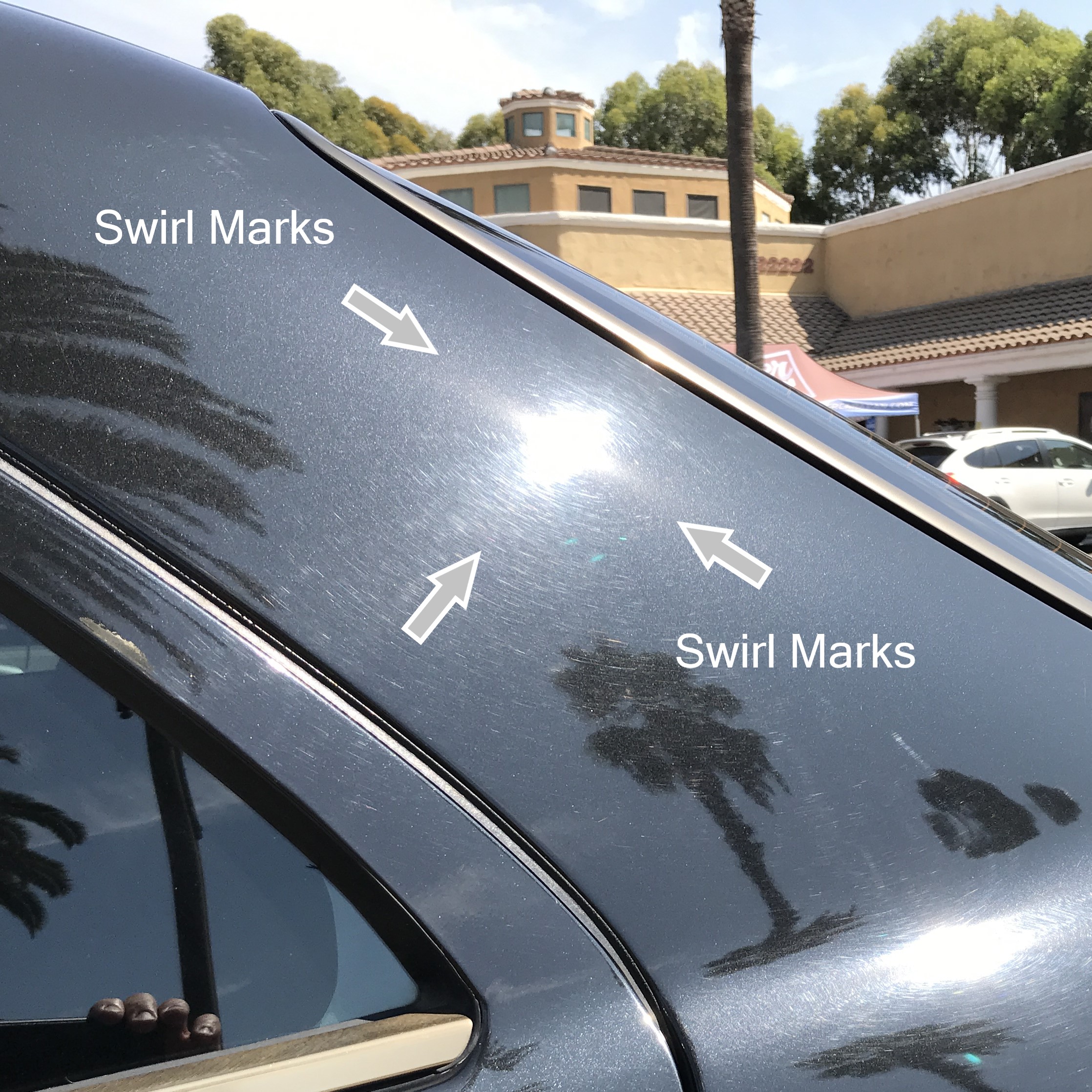
By forming a robust barrier, clear coatings are instrumental in protecting underlying materials from a multitude of destructive forces. They prevent oxidation, corrosion, and chemical attacks that can degrade material integrity over time. They offer significant resistance to physical wear, such as abrasion, impact, and scratching, which are inevitable during a product’s lifecycle. This enhanced durability translates directly into increased product longevity, reducing the need for premature replacement, minimizing repair costs, and improving overall operational reliability. For complex systems like industrial machinery or aerospace components, this can mean the difference between reliable performance and critical failure.
Maintaining Visual Appeal and Market Value
Beyond functional protection, clear coatings are vital for preserving the aesthetic quality of products. They provide a high-gloss finish, deepen colors, and impart a sense of quality and sophistication. By protecting against fading, yellowing, and surface imperfections, they ensure that products retain their “new” look for longer. In consumer electronics, automotive industries, and luxury goods, a pristine appearance significantly influences consumer perception, brand image, and ultimately, market value. A clear coat ensures that the initial design intent, color, and finish are preserved throughout the product’s service life, directly impacting its desirability and perceived quality. This invisible layer is, therefore, a testament to advanced material science, silently safeguarding the form, function, and future of countless technological innovations.
aViewFromTheCave is a participant in the Amazon Services LLC Associates Program, an affiliate advertising program designed to provide a means for sites to earn advertising fees by advertising and linking to Amazon.com. Amazon, the Amazon logo, AmazonSupply, and the AmazonSupply logo are trademarks of Amazon.com, Inc. or its affiliates. As an Amazon Associate we earn affiliate commissions from qualifying purchases.