
In the hyper-competitive world of professional tennis, every marginal gain can mean the difference between victory and defeat. For an athlete of Novak Djokovic’s caliber, equipment is not merely a tool but an extension of his body, meticulously engineered to optimize his unique playing style. While commercially available rackets boast advanced features, the equipment wielded by the sport’s elite, particularly a player like Djokovic, often represents the pinnacle of customization and proprietary technology, subtly distinct from its retail counterparts.
The Engineering Marvel in Djokovic’s Hand
Novak Djokovic has long been associated with Head rackets, specifically the Head Speed series. However, the exact model he uses is a testament to the sophisticated interplay of advanced materials science and bespoke engineering. His racket, often referred to by its pro stock code, the Head PT113B, is a highly customized version of what eventually inspires the retail Head Speed Pro line. This distinction is crucial for understanding the technological depth involved.
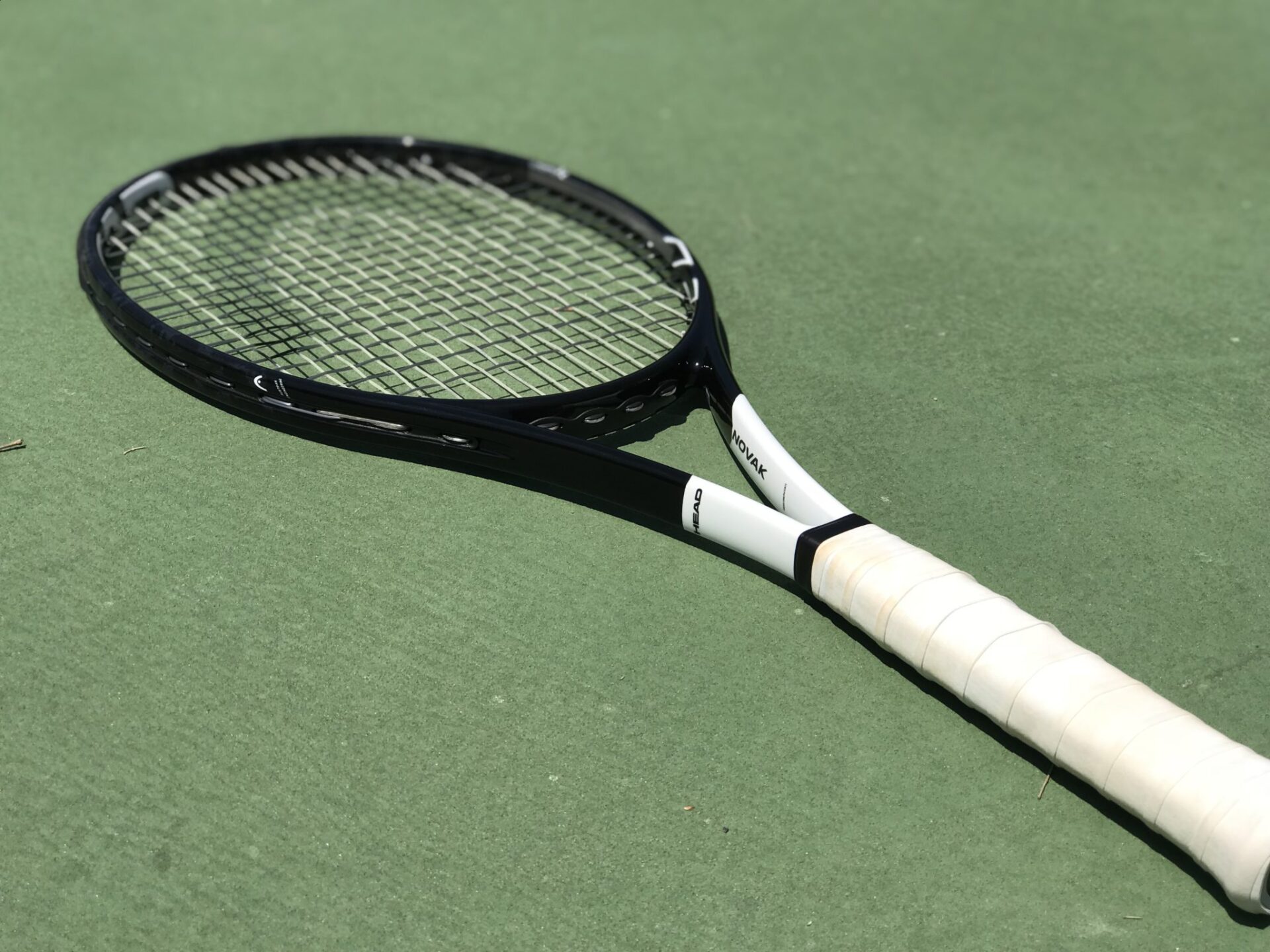
The Enigma of the PT113B
The PT113B mold itself is a closely guarded secret, a testament to Head’s commitment to providing its top athletes with cutting-edge, personalized tools. Unlike an off-the-shelf product, the PT113B is a ‘pro stock’ frame, meaning it is specifically designed for professional players and then customized to their exact specifications. This mold predates many of the publicly advertised retail technologies, offering a baseline of performance that engineers then augment. Its core characteristics often include a denser feel, a specific beam width, and a flex profile that caters to the immense power and precision required at the top level. The subtle differences in beam construction, graphite layup, and overall feel are imperceptible to the casual eye but profoundly impactful in the hands of a Grand Slam champion. The frame’s inherent stability and feel are key components, allowing Djokovic to absorb and redirect power with unparalleled control, a cornerstone of his defensive prowess and offensive capabilities.
Graphene 360+: A Core Technological Advantage
While the PT113B forms the foundational chassis, Head continuously integrates its latest material science innovations into Djokovic’s frames. One of the most prominent has been Graphene, specifically its evolutions like Graphene 360 and Graphene 360+. Graphene, a material renowned for being incredibly lightweight yet exceptionally strong, is strategically placed within the racket frame. In the Graphene 360+ iteration, it’s not just in the shaft but also distributed throughout the head of the racket.
The primary technological benefit of Graphene is its ability to optimize energy transfer. By reinforcing specific areas of the frame with Graphene, Head engineers can create a more stable and powerful racket without increasing overall weight significantly. This allows for greater mass distribution to areas critical for stability and power, such as the head and throat, while keeping the overall frame responsive. For a player like Djokovic, whose game relies on absorbing immense pace and then generating his own with minimal effort, this technology translates into:
- Enhanced Stability: Reduced frame deformation on impact, leading to more predictable ball trajectory and greater control, even on off-center hits.
- Optimized Energy Transfer: More of the energy from the ball impact is returned to the ball, resulting in greater power with less effort from the player.
- Improved Feel: The Graphene integration also contributes to a more solid and connected feel with the ball, crucial for Djokovic’s pinpoint accuracy and his renowned ability to “feel” the ball.
The Graphene 360+ specifically introduced spiralfibers in the lower portion of the head, enhancing flex and creating a cleaner impact feel. This iterative improvement demonstrates how even an already top-tier setup like Djokovic’s undergoes continuous technological refinement to maintain a competitive edge.
Customization: Beyond Off-the-Shelf
The notion that a pro player simply picks up a racket from a store shelf is a myth. For an athlete like Djokovic, customization is an art and a science, ensuring his racket perfectly matches his biomechanics, playing style, and even the conditions of a specific tournament. The PT113B mold is merely the starting point; the true technological marvel lies in its bespoke finishing.
Weight, Balance, and Swingweight Precision

Every professional player has an exact preference for the weight and balance of their racket. Djokovic’s rackets are meticulously weighted to achieve a precise static weight (the total mass of the racket) and balance point (where the racket balances on an axis). These parameters are critical for how the racket feels in hand, its maneuverability, and its stability during a swing.
- Static Weight: Djokovic’s racket is known to be heavier than most retail versions of the Speed Pro, typically in the range of 350-360 grams strung. This added mass provides incredible stability against heavy shots, crucial for his defensive game, and generates significant power through the ball.
- Balance Point: The balance of his racket is often more head-light than many retail frames, achieved by adding weight in the handle. This head-light balance makes the heavier racket feel more maneuverable and allows for faster racket head speed, despite its overall mass, which is vital for his quick groundstrokes and return of serve.
- Swingweight: Perhaps the most critical, yet least understood, metric is swingweight. It quantifies how heavy a racket feels when it’s swung, accounting for both its total weight and how that weight is distributed. Djokovic’s swingweight would be precisely dialed in to allow him to generate maximum racket head speed with optimal stability and comfort, without overstressing his arm. This involves adding lead tape or silicone precisely within the frame, handle, and even under the grommets to achieve exact specifications, often measured to within fractions of a unit. This is a highly iterative process, involving advanced measurement tools and constant feedback from Djokovic and his team.
Stringing for Performance
The string bed is the engine of the racket, and its technological optimization is as crucial as the frame itself. Djokovic predominantly uses a hybrid string setup:
- Main Strings: He uses natural gut in the main strings (vertical strings). Natural gut, a traditional material, is prized for its exceptional feel, power, and comfort. Its multi-filament structure and natural elasticity provide unparalleled ball pocketing and spin potential, allowing Djokovic to control the ball with precision and generate heavy topspin. The natural gut strings offer a unique dampening property, which reduces vibration and protects his arm, a crucial ergonomic consideration for a player with his volume of play.
- Cross Strings: For the cross strings (horizontal strings), he uses a polyester monofilament, typically a Head Hawk Touch. Polyester strings are known for their durability, control, and ability to generate spin due to their stiff, slick surface allowing the main strings to snap back into place faster. The combination provides a balance of power and feel from the gut, with the control and durability of polyester, creating a versatile string bed that complements his all-court game.
The string tension is also precisely controlled, often varying slightly based on court surface, altitude, and even ambient temperature. High-tech electronic stringing machines ensure consistency across all his rackets, replicating the exact tension every time.
The Symbiotic Relationship: Athlete and Equipment
Djokovic’s choice and customization of his racket highlight a profound symbiotic relationship between the athlete and his equipment. It’s not just about what technology is in the racket, but how that technology is leveraged to enhance his unique biomechanics and strategic approach to the game.
How Technology Enhances Djokovic’s Game
The technological specifications of Djokovic’s racket are perfectly aligned with the demands of his playing style:
- Return of Serve: The high stability and precise swingweight allow him to absorb and redirect the fastest serves in the game with minimal effort, turning a defensive shot into an offensive opportunity.
- Groundstroke Consistency: The combination of a stable frame, specific balance, and hybrid string setup provides the consistent depth, pace, and spin that define his baseline game. The head-light balance supports his long, flowing strokes, enabling him to generate massive racket head speed for powerful groundstrokes.
- Defensive Prowess: The racket’s mass and stability are critical for his unparalleled defensive capabilities, allowing him to neutralize opponents’ power shots and reset points.
- Touch and Feel: Despite its weight and stability, the combination of the PT113B mold, Graphene technology, and natural gut strings ensures he retains an exquisite feel for the ball, crucial for his drop shots, volleys, and precise angles.
The Iterative Process of Racket Development
The development of Djokovic’s racket is not a one-time event but an ongoing, iterative process. Head’s engineers work closely with him and his coaching team, gathering feedback on performance, feel, and comfort. This continuous dialogue leads to subtle adjustments in weight, balance, string tension, and even material composition, ensuring his equipment evolves with his game and the ever-changing landscape of professional tennis. This high-tech feedback loop, combining elite athletic perception with advanced material and engineering science, is what truly sets professional equipment apart.

The Future of Tennis Racket Technology
The technology evident in Djokovic’s racket points towards the future of tennis equipment: increasingly personalized, data-driven, and materials-science focused. We can expect further advancements in:
- Smart Materials: New generations of composites and advanced fibers will offer even greater strength-to-weight ratios, better vibration dampening, and more dynamic flex properties.
- Integrated Sensors: While already present in some retail rackets, fully integrated, unobtrusive sensors could provide real-time feedback on swing mechanics, ball impact, and string bed performance, allowing for even more precise customization and training insights.
- Aerodynamic Design: Continued refinement of frame shapes and grommet systems to reduce drag and increase racket head speed with less effort.
Ultimately, Novak Djokovic’s racket is far more than a simple piece of equipment; it is a finely tuned instrument, a marvel of engineering and material science, customized to perfection, enabling one of the greatest athletes of all time to push the boundaries of human performance on the tennis court. Its evolution is a microcosm of the relentless pursuit of technological excellence in sports.
aViewFromTheCave is a participant in the Amazon Services LLC Associates Program, an affiliate advertising program designed to provide a means for sites to earn advertising fees by advertising and linking to Amazon.com. Amazon, the Amazon logo, AmazonSupply, and the AmazonSupply logo are trademarks of Amazon.com, Inc. or its affiliates. As an Amazon Associate we earn affiliate commissions from qualifying purchases.