
Navigating the landscape of mortgage interest rates can often feel like deciphering a complex financial code, especially for prospective homeowners or those looking to refinance. Today’s interest rate is not merely a single, static number but rather a dynamic figure influenced by a myriad of economic forces, individual financial profiles, and the specific loan products available. Understanding what constitutes “today’s interest rate” for a mortgage involves delving into the foundational concepts of borrowing, the intricate web of market indicators, and the personalized factors that ultimately shape the cost of your home loan. This article aims to demystify current mortgage interest rates, providing a comprehensive guide to their formation, impact, and how you can position yourself to secure the most favorable terms.
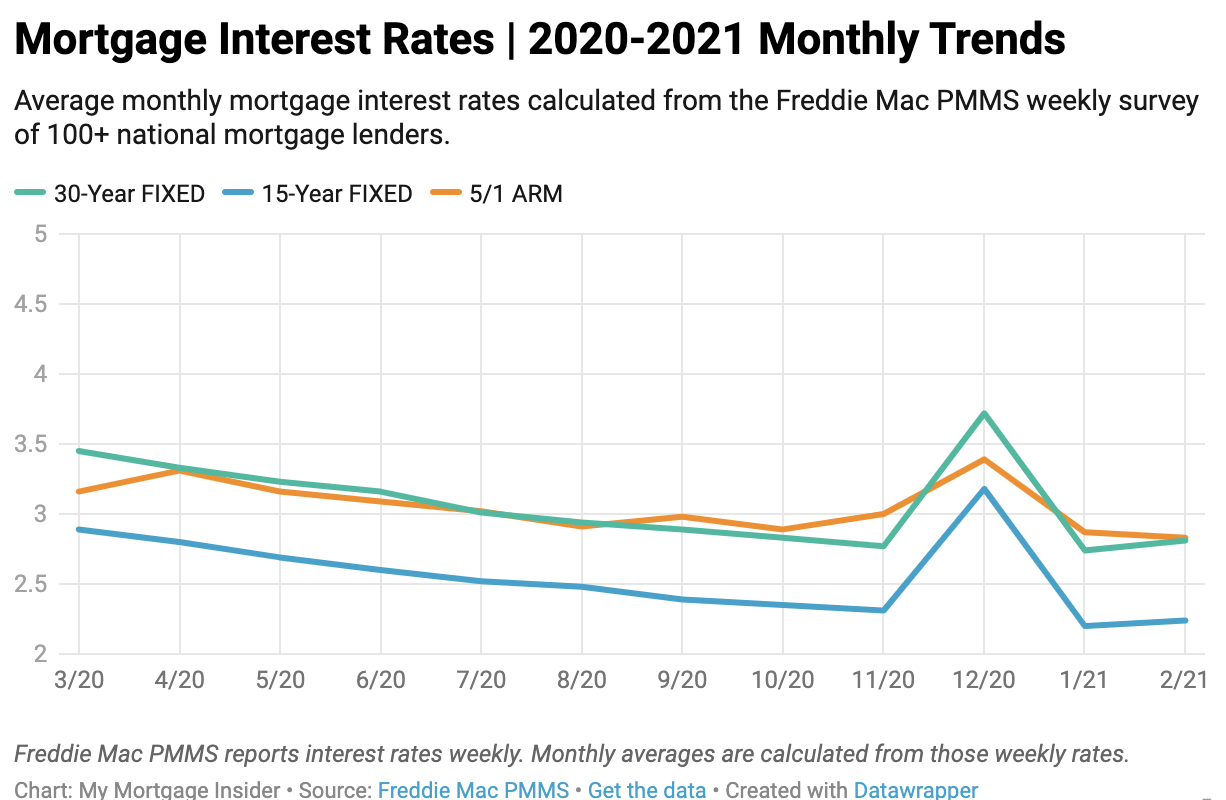
Understanding Mortgage Interest Rates in Today’s Market
At its core, a mortgage interest rate represents the cost of borrowing money to purchase a home. It’s the percentage charged by the lender on the principal amount of the loan, expressed as an annual percentage. This seemingly straightforward figure, however, is a gateway to understanding the true cost of homeownership and plays a pivotal role in determining your monthly mortgage payment.
The Core Concept: What You Pay for Borrowing
When you take out a mortgage, the interest rate is the lender’s primary compensation for the risk they take by lending you a substantial sum of money over an extended period, often 15 or 30 years. It’s also influenced by the opportunity cost of that capital – what the lender could have earned by investing that money elsewhere. For borrowers, a lower interest rate translates directly into lower monthly payments and a reduced total cost of the loan over its lifetime, making it a critical factor in affordability and long-term financial planning.
How Lenders Determine Your Rate
Lenders don’t pull interest rates out of thin air. Instead, they operate within a highly competitive market while also assessing individual borrower risk. They start with a baseline rate, which is heavily influenced by broader economic conditions, and then adjust it based on factors specific to the loan applicant. This personalized assessment ensures that the rate offered reflects the perceived likelihood of the borrower repaying the loan. It’s a complex algorithm that balances market dynamics with individual financial health, ensuring both profitability for the lender and a manageable repayment schedule for the borrower.
Beyond the Advertised Rate: APR vs. Interest Rate
It’s crucial to distinguish between the advertised interest rate and the Annual Percentage Rate (APR). The interest rate is solely the cost of borrowing the principal amount. The APR, on the other hand, provides a more holistic view of the loan’s total cost. It includes the interest rate plus most of the fees associated with the loan, such as origination fees, discount points, and some closing costs, converted into an annual percentage. While the interest rate directly impacts your monthly payment, the APR offers a truer comparison of the overall expense of different loan offers, making it an invaluable tool when shopping for a mortgage. A lower APR generally indicates a less expensive loan overall, even if the interest rate is identical across different offers.
Key Factors Influencing Mortgage Rates
Mortgage interest rates are not static; they fluctuate daily, sometimes hourly, in response to a complex interplay of economic forces and individual borrower characteristics. Understanding these influences is paramount to grasping why “today’s rate” is what it is, and how it might change.
Economic Indicators: Inflation, Federal Reserve Policy, and Treasury Yields
The macro-economic environment casts the longest shadow over mortgage rates. Inflation, for instance, is a major driver. Lenders charge higher interest rates when inflation is expected to rise, to ensure the purchasing power of their future repayments isn’t eroded. The Federal Reserve’s monetary policy, particularly its decisions on the federal funds rate, indirectly influences mortgage rates. While the Fed doesn’t directly set mortgage rates, its actions affect the cost of borrowing for banks, which in turn influences the rates they offer consumers. Lastly, U.S. Treasury yields, especially the 10-year Treasury note, are closely correlated with fixed mortgage rates. Mortgage-backed securities (MBS), which form the basis of most mortgage loans, compete with Treasuries for investor attention. When Treasury yields rise, MBS must offer higher yields (and thus higher mortgage rates) to remain attractive to investors. Economic growth, employment data, and global events also contribute to market sentiment, leading to daily rate adjustments.
Lender-Specific Factors: Margins and Business Costs
While broader economic trends set the baseline, individual lenders also play a role in setting specific rates. They factor in their own operational costs, desired profit margins, and the level of risk they are willing to assume. Lenders must cover their expenses for processing loans, maintaining staff, and managing their portfolios. Furthermore, competition among lenders can sometimes lead to slight variations in rates, as they vie for market share. A lender with lower overhead or a more aggressive growth strategy might offer marginally better rates than a competitor, highlighting the importance of shopping around.
Borrower-Specific Factors: Credit Score, Down Payment, and Loan-to-Value (LTV)
Your personal financial profile is arguably the most significant determinant of the rate you’ll ultimately qualify for. A strong credit score (typically FICO scores above 740-760) signals to lenders that you are a reliable borrower, resulting in lower perceived risk and thus lower interest rates. Conversely, a lower credit score will likely lead to a higher rate to compensate the lender for increased risk. Your down payment also matters significantly. A larger down payment reduces the amount you need to borrow and decreases your loan-to-value (LTV) ratio, which is the loan amount divided by the home’s appraised value. A lower LTV ratio means less risk for the lender, often translating into better rates. For example, putting down 20% or more typically helps avoid Private Mortgage Insurance (PMI) and secures more competitive rates.
Loan Type and Term: Fixed vs. Adjustable, and Loan Duration
The type of mortgage you choose and its term duration also impact the interest rate. Fixed-rate mortgages offer stability with a consistent interest rate for the life of the loan, often commanding a slightly higher initial rate than adjustable-rate mortgages (ARMs) due to the lender bearing the interest rate risk. Adjustable-rate mortgages (ARMs) typically start with a lower introductory rate for a fixed period (e.g., 5, 7, or 10 years), after which the rate adjusts periodically based on a market index. While ARMs can offer lower initial payments, they come with the risk of future rate increases. The loan term, such as a 15-year or 30-year mortgage, also influences the rate. Shorter terms (e.g., 15-year fixed) generally come with lower interest rates because the lender’s risk is lower over a shorter period, but they result in higher monthly payments.
Navigating Different Mortgage Rate Structures
The choice between a fixed-rate and an adjustable-rate mortgage, or exploring government-backed options, is a critical decision that should align with your financial goals and risk tolerance. Each structure presents unique advantages and considerations for homeowners.
Fixed-Rate Mortgages: Stability in Payments
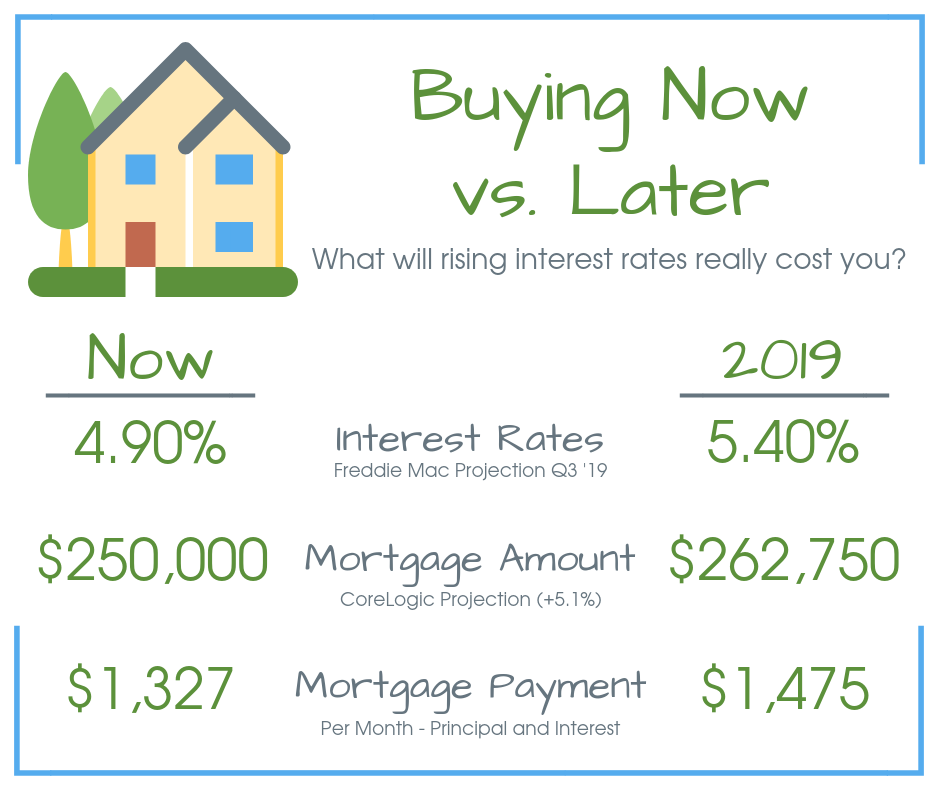
A fixed-rate mortgage is the most common and often preferred option for many homeowners due to its predictability. With this structure, the interest rate remains constant for the entire duration of the loan, meaning your principal and interest payment will never change. This stability offers significant peace of mind, especially in times of economic uncertainty or rising interest rates. Homeowners can budget with confidence, knowing exactly what their major housing expense will be for the next 15 or 30 years. While the initial interest rate for a fixed-rate mortgage might be slightly higher than an ARM’s introductory rate, the long-term stability often outweighs this difference for those who prioritize consistent payments.
Adjustable-Rate Mortgages (ARMs): Flexibility with Volatility
Adjustable-rate mortgages (ARMs) offer a different risk-reward profile. They typically start with a lower, fixed interest rate for an initial period (e.g., 3, 5, 7, or 10 years). After this introductory period, the rate adjusts periodically (e.g., annually) based on a specified market index plus a lender’s margin. ARMs can be attractive to buyers who plan to sell or refinance before the fixed-rate period expires, or those who anticipate their income will increase significantly in the future, allowing them to absorb potential payment hikes. However, the primary risk with an ARM is that interest rates could rise significantly after the fixed period, leading to much higher monthly payments. Most ARMs include caps that limit how much the interest rate can change in a single adjustment period and over the life of the loan, offering some protection against extreme fluctuations.
Other Mortgage Products: FHA, VA, and USDA Loans
Beyond conventional fixed and adjustable-rate mortgages, government-backed loan programs offer specialized benefits, often with more flexible qualification requirements or unique rate structures. FHA loans, insured by the Federal Housing Administration, are popular for first-time homebuyers or those with lower credit scores and smaller down payments (as low as 3.5%). While FHA rates are generally competitive, these loans require both an upfront and annual mortgage insurance premium (MIP). VA loans, guaranteed by the U.S. Department of Veterans Affairs, offer exceptional benefits to eligible service members, veterans, and surviving spouses, including no down payment requirements and typically very competitive interest rates, without requiring mortgage insurance. However, they do have a VA funding fee. USDA loans, backed by the U.S. Department of Agriculture, are designed for low-to-moderate income borrowers purchasing homes in eligible rural areas. These loans often feature no down payment and competitive rates, making homeownership accessible in less dense regions. Each of these programs has specific eligibility criteria and can offer a lifeline to borrowers who might not qualify for conventional financing.
Strategies for Securing a Favorable Mortgage Rate
While broad economic forces are beyond your control, there are several actionable strategies you can employ to significantly influence the mortgage rate you’re offered. Proactive planning and smart financial decisions can translate into substantial savings over the life of your loan.
Boosting Your Creditworthiness
Your credit score is arguably the most impactful personal factor in securing a low mortgage rate. Lenders use it as a primary indicator of your reliability as a borrower. To improve your creditworthiness:
- Pay bills on time, every time: Payment history is the most significant factor in your credit score.
- Reduce outstanding debt: A lower credit utilization ratio (amount of credit used vs. available) is favorable.
- Avoid opening new credit accounts: This can temporarily lower your score and signal increased risk.
- Check your credit report for errors: Disputing inaccuracies can quickly improve your score.
Aim for a FICO score in the excellent range (typically 760 or above) to unlock the best available rates.
Maximizing Your Down Payment
A larger down payment reduces the amount you need to borrow and lowers your loan-to-value (LTV) ratio, which is attractive to lenders. A lower LTV signifies less risk, as the borrower has more equity in the property from day one. Lenders are often willing to offer better interest rates when the LTV is lower. Additionally, putting down 20% or more on a conventional loan often allows you to avoid Private Mortgage Insurance (PMI), saving you further money each month. Even if you can’t reach 20%, a larger down payment (e.g., 10-15%) can still yield better rates than the minimum required.
Shopping Around and Comparing Offers
This cannot be stressed enough: do not settle for the first offer you receive. Mortgage rates and terms can vary significantly between lenders. Contact at least three to five different lenders – including banks, credit unions, and online mortgage brokers – to get personalized rate quotes. Ensure you compare the Annual Percentage Rate (APR), not just the interest rate, as the APR includes most fees and provides a more accurate picture of the total cost. Most lenders will “pull” your credit in a short window (typically 14-45 days) for mortgage shopping without significantly impacting your credit score, as credit bureaus recognize you’re rate shopping for a single loan.
Understanding Discount Points and Closing Costs
When reviewing loan offers, pay close attention to discount points and other closing costs. A discount point is an upfront fee paid to the lender in exchange for a lower interest rate on your mortgage. One point typically costs 1% of the loan amount. Deciding whether to pay points depends on how long you plan to stay in the home; if you stay long enough, the savings from the lower interest rate can eventually offset the upfront cost of the points. Conversely, you might be offered a “lender credit” which means the lender pays some of your closing costs in exchange for a higher interest rate. Carefully analyze the break-even point for paying points and consider your long-term financial strategy. Other closing costs, such as appraisal fees, title insurance, and legal fees, can also add thousands to your upfront expenses, so understanding these is vital for an accurate total cost assessment.
The Evolving Landscape: Future Trends and Economic Outlook
Mortgage rates are in a constant state of flux, influenced by a complex interplay of global and domestic economic factors. While no one can predict the future with absolute certainty, understanding the forces that typically drive rate movements can help you make more informed decisions.
Forecasting Rate Movements: What to Watch For
Several key indicators provide clues about the potential direction of mortgage rates. Keep an eye on:
- Federal Reserve actions: Statements and decisions from the Federal Reserve regarding inflation and the federal funds rate provide strong signals. A hawkish stance (raising rates to curb inflation) typically pushes mortgage rates higher, while a dovish stance (lowering rates or keeping them stable) can lead to lower rates.
- Inflation reports: Consumer Price Index (CPI) and Producer Price Index (PPI) data directly impact lenders’ perceptions of future risk. Higher-than-expected inflation tends to push rates up.
- Employment data: Strong job growth and low unemployment often signal a robust economy, which can contribute to inflationary pressures and higher rates.
- 10-Year Treasury Yield: As mentioned, this is a strong benchmark for fixed mortgage rates. Watching its movement can give you an immediate sense of daily rate trends.
- Global economic stability: Geopolitical events, international trade tensions, or crises in other major economies can create uncertainty, prompting investors to seek safe-haven assets like U.S. Treasuries, which can influence rates.
The Impact of Global and Domestic Economic Shifts
Economic conditions, both at home and abroad, play a profound role. A robust domestic economy, characterized by strong GDP growth and consumer spending, often leads to higher interest rates as demand for capital increases and inflationary pressures build. Conversely, economic slowdowns or recessions often see rates decline as central banks implement stimulative policies. Global events, from pandemics to international conflicts, can inject volatility into financial markets, causing investors to shift assets, thereby impacting bond yields and, consequently, mortgage rates. Understanding these broader shifts allows homeowners and prospective buyers to anticipate potential rate changes and plan their borrowing strategies accordingly.
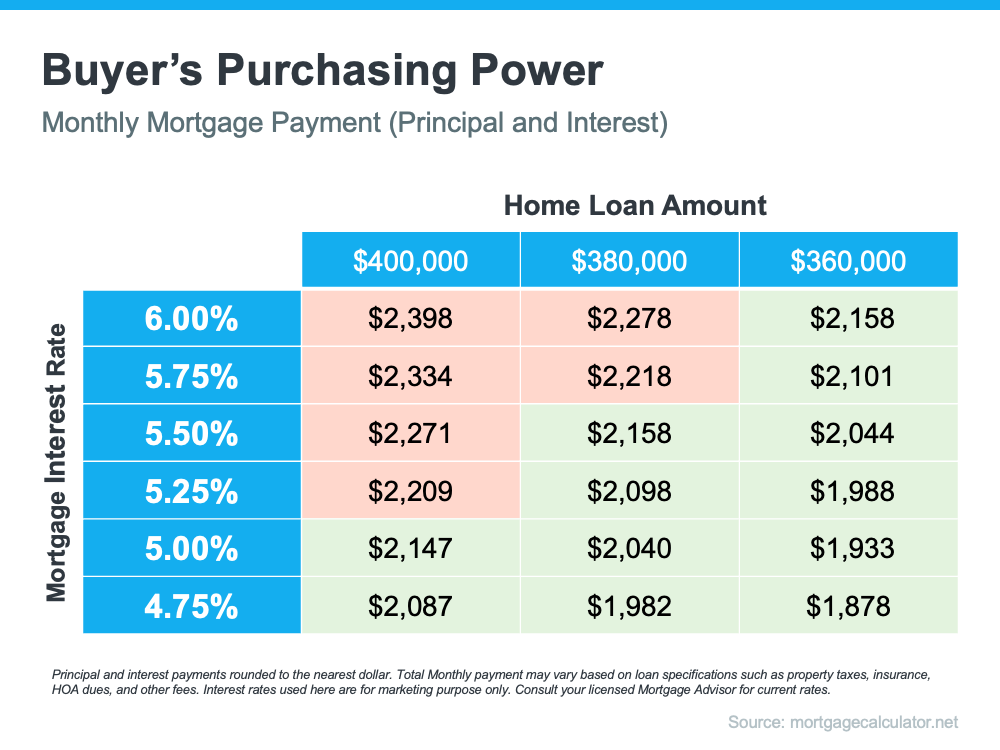
Preparing for Your Mortgage Journey
Given the dynamic nature of mortgage rates, preparation is key. If you’re considering a home purchase or refinancing, getting your financial house in order well in advance is paramount. This means actively working on improving your credit score, saving diligently for a substantial down payment, and minimizing other debts. Stay informed by regularly checking financial news and reputable mortgage rate trackers. If rates are particularly favorable and you meet the criteria, consider locking in a rate once you have a loan offer you’re comfortable with. A rate lock guarantees your interest rate for a specific period (typically 30-60 days) while your loan processes, protecting you from potential rate increases. By being proactive and informed, you can navigate the complexities of today’s mortgage market with confidence and secure a home loan that aligns with your financial well-being.
aViewFromTheCave is a participant in the Amazon Services LLC Associates Program, an affiliate advertising program designed to provide a means for sites to earn advertising fees by advertising and linking to Amazon.com. Amazon, the Amazon logo, AmazonSupply, and the AmazonSupply logo are trademarks of Amazon.com, Inc. or its affiliates. As an Amazon Associate we earn affiliate commissions from qualifying purchases.