
The question “What race is Pakistani?” is deceptively simple, yet it unlocks a complex tapestry of history, genetics, culture, and self-identification. For those outside the region, it’s a question born of a desire for categorization, a need to place individuals within familiar frameworks. For Pakistanis, and those of Pakistani descent, it’s a question that often evokes a shrug, a knowing smile, or a lengthy explanation of a nuanced reality. This article, drawing inspiration from the multifaceted landscape of technology, branding, and finance, aims to unravel the complexities of Pakistani identity, moving beyond simplistic racial labels to explore the richer, more dynamic forces that shape who a Pakistani is.

The very concept of “race” itself is a social construct, often oversimplified and misused. In the context of Pakistan, applying a single racial descriptor is not only inaccurate but also a disservice to the nation’s vibrant and diverse heritage. Instead, understanding Pakistani identity requires a multi-pronged approach, one that acknowledges historical migrations, the interplay of various ethnic groups, and the evolving ways in which people define themselves in a globally interconnected world.
The Shifting Sands of Ancestry: A Historical Perspective
To understand the question of “Pakistani race,” we must first delve into the historical bedrock upon which the nation was built. Pakistan, as a modern political entity, emerged in 1947. However, the lands that constitute Pakistan today have been a crucible of civilizations and migrations for millennia. This long and intricate history has resulted in a population that is not a monolithic racial group but rather a fascinating blend of various ancestral lineages.
Ancient Roots and Migratory Currents
The Indus Valley Civilization, one of the world’s oldest urban cultures, flourished in this region thousands of years ago. The people of this era, while genetically distinct from modern populations, laid an ancestral foundation. Subsequently, waves of migration from Central Asia, the Middle East, and other parts of the subcontinent have sculpted the genetic and cultural landscape of what is now Pakistan.
- Indo-Aryan Migrations: The arrival of Indo-Aryan speaking peoples contributed significantly to the linguistic and cultural fabric, particularly in the northern and central regions. This migration is often associated with the development of Sanskrit and its derivative languages, including Urdu and Punjabi, which are dominant in Pakistan.
- Persian and Arab Influences: Centuries of interaction with Persian and Arab empires brought about significant linguistic, religious, and cultural exchanges. The adoption of Islam as the predominant religion is a profound legacy of these connections, and the influence of Arabic and Persian vocabulary is evident in many Pakistani languages.
- Turkic and Mughal Rule: The advent of Turkic dynasties, most notably the Mughals, further enriched the cultural mosaic. Their patronage of arts, architecture, and cuisine left an indelible mark on the subcontinent, including the regions that would become Pakistan.
These historical movements were not about the imposition of a singular “race” but rather about the intermingling and assimilation of diverse peoples. The result is a genetic heritage that is rich and varied, with no single ancestral group holding a monopoly.
Beyond a Single “Race”: The Ethnic Mosaic of Pakistan
When discussing “what race is Pakistani,” it’s far more accurate and informative to talk about the various ethnic groups that constitute the Pakistani population. These groups often share common historical experiences, linguistic affiliations, and cultural practices, forming the bedrock of national identity.
Major Ethnic Groups and Their Origins
Pakistan is home to a multitude of ethnic groups, each with its own distinct identity and heritage. While they all contribute to the broader Pakistani identity, their ancestral origins and historical narratives are unique.
- Punjabis: Constituting the largest ethnic group, Punjabis are primarily found in the fertile plains of Punjab. Their ancestry is a blend of Indo-Aryan and other historical migrations. The Punjabi language is a dominant force, and their culture is known for its rich agricultural heritage and vibrant traditions.
- Pashtuns: Primarily residing in the Khyber Pakhtunkhwa province and parts of Balochistan, Pashtuns have a distinct lineage often traced back to Iranic and Central Asian origins. Their fierce independence and strong tribal structures are defining characteristics.
- Sindhis: Native to the Sindh province, Sindhis have a long history tied to the Indus Valley Civilization. Their language, Sindhi, is ancient and distinct. They have experienced significant influences from Arab and Persian traders and conquerors throughout history.
- Baloch: Occupying the vast Balochistan province, the Baloch people have a unique identity with historical ties to Iran and Central Asia. Their nomadic traditions and distinct language are key features of their heritage.
- Muhajirs: This term refers to Muslims who migrated from India to Pakistan during the partition of 1947. While not an ethnic group in the traditional sense, they have developed a distinct socio-cultural identity and often identify with their Urdu-speaking heritage and the shared experience of migration.
- Smaller Ethnic Groups: Beyond these major groups, Pakistan is home to numerous other communities, including Saraikis, Brahuis, Hazaras, and various tribal groups, each contributing to the nation’s vibrant cultural tapestry.
It is crucial to understand that these ethnic groups are not “races” in the biological sense. They represent distinct cultural and linguistic communities with shared histories and ancestries, but their genetic makeup is often more complex and overlapping than simple racial categories would suggest.
Navigating Identity in the Digital Age: Branding and Self-Definition
In today’s hyper-connected world, the question of identity, including racial and ethnic identity, is increasingly shaped by digital platforms and global narratives. The concepts of branding and personal narrative become crucial in how individuals and groups present themselves to the world, and how they understand their own place within it.

Personal Branding and the Construction of Identity
The digital age has empowered individuals to curate their own narratives. For Pakistanis, this means actively engaging with how their identity is perceived and how they choose to represent it.
- Online Presence: Social media, blogs, and video platforms allow Pakistanis to share their stories, showcase their cultural heritage, and challenge stereotypes. This is particularly important when the dominant global narratives about the region might be incomplete or inaccurate.
- Challenging Monolithic Definitions: Through their personal brands, Pakistanis can highlight the diversity within their communities, showcasing the myriad of ethnic backgrounds, regional differences, and individual experiences that define them. This actively pushes back against the simplistic “what race is Pakistani” question by demonstrating the richness of the answer.
- Connecting with the Diaspora: Digital platforms also facilitate strong connections between Pakistanis living within the country and those in the diaspora. This shared online space helps maintain cultural ties and allows for a collective evolution of how Pakistani identity is understood and expressed across borders.
Corporate Identity and Perceptions
Beyond personal branding, the way Pakistani businesses and organizations present themselves on the global stage also influences perceptions.
- Showcasing Diversity as a Strength: Companies can leverage their diverse workforce and heritage as a key aspect of their corporate identity, demonstrating that inclusivity and varied perspectives are assets. This can be particularly relevant in sectors like technology and design, where innovation often stems from a multitude of viewpoints.
- Authentic Representation: As Pakistani tech startups and creative agencies gain international traction, their branding becomes a powerful tool for shaping how the world sees Pakistani talent. Authentic representation that moves beyond clichés and embraces the multifaceted nature of Pakistani identity is key.
Economic Empowerment and Shifting Narratives
The economic landscape, particularly in sectors like technology and finance, also plays a significant role in shaping and redefining identity. As Pakistanis achieve success in these fields, they not only contribute to their nation’s development but also actively alter global perceptions.
Technology and Innovation: Redefining Pakistani Potential
The burgeoning tech sector in Pakistan is a testament to the country’s growing human capital and innovative spirit.
- AI and Software Development: Pakistani developers and engineers are at the forefront of technological advancements, contributing to global software solutions and AI tools. Their expertise transcends any simplistic racial or ethnic categorization.
- Entrepreneurship and Startups: The rise of tech startups, fueled by venture capital and driven by young entrepreneurs, is creating new economic opportunities and showcasing Pakistani ingenuity on a global scale. These entrepreneurs are not defined by a singular race but by their skills, vision, and ambition.
- Digital Security and Productivity: As Pakistan embraces digitalization, there is a growing emphasis on digital security and productivity tools. Pakistani professionals in these fields are contributing to a safer and more efficient digital world, further solidifying their place in the global tech community.
Personal Finance and Online Income: Global Connectivity
The increasing access to global financial markets and online income streams is also impacting how Pakistanis are perceived and how they perceive themselves.
- Investing and Financial Tools: A growing segment of the Pakistani population is actively participating in global investment opportunities and utilizing sophisticated financial tools. This engagement fosters a sense of global citizenship and economic agency.
- Side Hustles and Online Income: The rise of the gig economy and the ability to earn online income provides individuals with greater financial independence and exposure to international markets. This economic empowerment allows them to transcend traditional social stratifications and forge their own paths.
Conclusion: A Mosaic, Not a Monolith
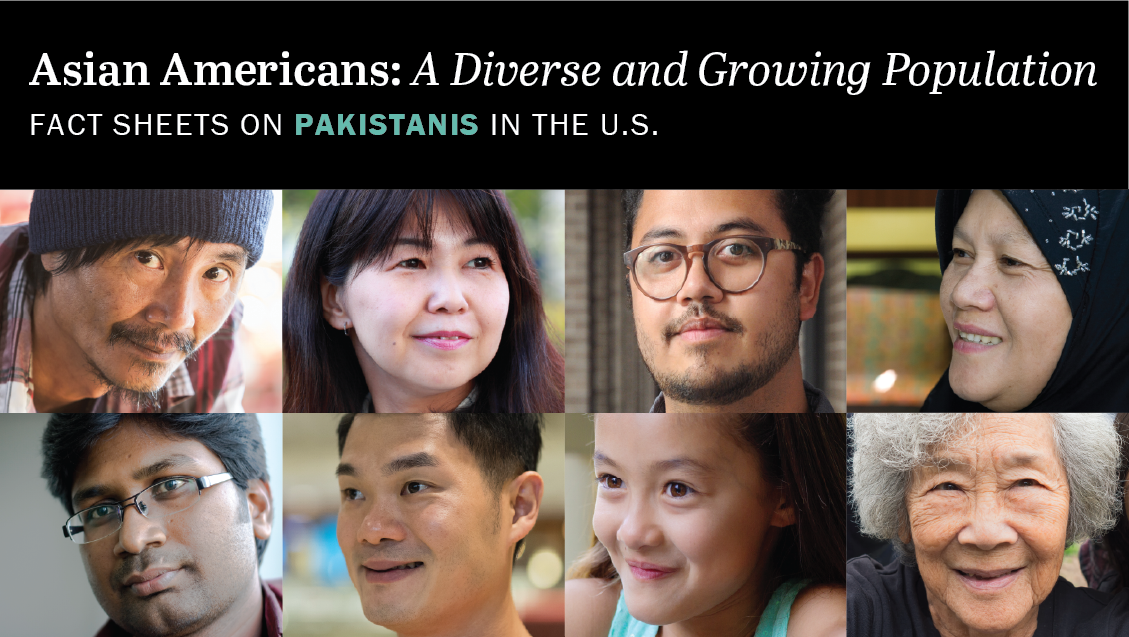
The question “What race is Pakistani?” is best answered not with a single label, but with an acknowledgment of complexity. Pakistanis are not a race; they are a people bound by a shared geography, a rich history, and a dynamic present. They are a mosaic of ethnic groups, each contributing unique threads to the national fabric.
In the digital age, the tools of technology, the art of branding, and the power of economic empowerment are all contributing to a more nuanced and self-determined understanding of Pakistani identity. Pakistanis are actively shaping their narratives, showcasing their diversity, and contributing to the global community through innovation, creativity, and resilience. To truly understand “what race is Pakistani” is to embrace the richness of their heritage, the diversity of their people, and the boundless potential they hold for the future. It’s a continuous evolution, a story being written by millions of individual voices, each a vital part of the larger, vibrant Pakistani narrative.
aViewFromTheCave is a participant in the Amazon Services LLC Associates Program, an affiliate advertising program designed to provide a means for sites to earn advertising fees by advertising and linking to Amazon.com. Amazon, the Amazon logo, AmazonSupply, and the AmazonSupply logo are trademarks of Amazon.com, Inc. or its affiliates. As an Amazon Associate we earn affiliate commissions from qualifying purchases.