
The question “what race are the Arabs?” often arises from a desire to categorize and understand, yet it touches upon complex layers of history, culture, language, and modern identity. In an increasingly interconnected world, shaped profoundly by technology, branding, and global finance, the traditional concept of “race” itself is being re-evaluated. When applied to a group as diverse and widespread as Arabs, a simple answer eludes us, revealing instead a rich tapestry of human experience that resists monolithic definitions. This article will explore Arab identity through these lenses, moving beyond outdated racial classifications to examine how technology, strategic branding, and economic dynamics illuminate a vibrant and evolving cultural landscape.

Beyond Race: Understanding Arab Identity as a Cultural and Linguistic Tapestry
To ask “what race are the Arabs?” is to engage with a concept that has historically been fraught with misconception and oversimplification. Modern anthropology and genetics largely discredit the notion of distinct human “races” in the biological sense. Instead, human populations exhibit continuous genetic variation, not discrete racial categories. Arabs, therefore, are not a single race but rather a diverse ethnolinguistic group defined primarily by their adoption of the Arabic language and their connection to Arab culture and heritage.
The Historical and Geographical Roots of Arab Peoples
The term “Arab” historically refers to peoples originating from the Arabian Peninsula. However, with the advent of Islam in the 7th century CE, the Arabic language and culture spread rapidly across the Middle East, North Africa, and parts of the Iberian Peninsula. As a result, many distinct indigenous populations across these vast regions adopted Arabic as their primary language and integrated into the broader Arab cultural sphere. This historical process led to a significant diversification of what it means to be “Arab.”
Today, the Arab world stretches from the Atlantic Ocean in the west to the Arabian Sea in the east, encompassing over 20 countries. Within this immense geographical expanse live people with diverse phenotypes, genetic ancestries, and historical backgrounds. For example, an Arab from Morocco might share more genetic markers with indigenous Amazigh populations of North Africa, while an Arab from Iraq might have genetic links to ancient Mesopotamian civilizations. An Arab from Sudan could have strong connections to Nilotic peoples, and an Arab from Saudi Arabia might trace ancestry to the historical tribes of the Arabian Peninsula. This inherent diversity is a testament to millennia of migration, interaction, and cultural exchange, far predating any modern concept of fixed racial boundaries.
Genetic Diversity and the Scientific View of “Race”
In the digital age, scientific advancements, particularly in genomics, have provided unprecedented insights into human ancestry and population genetics. Large-scale DNA sequencing projects and accessible ancestry tests have unequivocally demonstrated that “race” as a biological concept is not supported by genetic evidence. Instead, human genetic variation is continuous, with more genetic diversity existing within so-called “racial” groups than between them.
When applied to Arabs, genetic studies reveal a complex mosaic. While there’s a shared genetic heritage linked to the historical migrations from the Arabian Peninsula, this is overlaid with significant contributions from the indigenous populations of the regions that adopted Arabic. For instance, studies might show a common haplogroup prevalent across many Arab populations, but also reveal substantial admixture with North African, sub-Saharan African, Levantine, Anatolian, and even European populations, reflecting centuries of trade, conquest, and coexistence.
This scientific understanding, often disseminated through digital platforms and popular science media, plays a crucial role in dismantling outdated racial stereotypes. Technology allows individuals to explore their own genetic heritage, often revealing a multi-ethnic background that challenges simplistic categories and fosters a more nuanced understanding of identity. By engaging with these digital tools, people can move beyond prescriptive racial labels and embrace the rich, multifaceted nature of their ancestry.
The Digital Lens: Technology’s Role in Shaping and Reflecting Arab Identity
In the 21st century, technology is not merely a tool; it’s a transformative force that redefines how identities are formed, expressed, and perceived. For Arabs, technology offers both unprecedented opportunities for cultural preservation and innovation, alongside challenges in navigating global digital narratives.
Preserving Language and Heritage Through Digital Innovation
The Arabic language, a cornerstone of Arab identity, is flourishing in the digital realm. Technology provides powerful tools for its preservation, promotion, and adaptation. Digital archives and libraries are making ancient manuscripts and historical documents accessible to a global audience, safeguarding invaluable cultural heritage from physical deterioration and loss. Projects like the King Abdullah Arabic Content Project aim to significantly increase the volume and quality of Arabic content online, ensuring the language remains vibrant and relevant in the digital sphere.
AI-powered translation tools are bridging linguistic gaps, allowing Arabic speakers to engage with global content and vice versa, though the nuances of classical and various spoken dialects still pose significant challenges that drive ongoing research. Language learning apps offer interactive and engaging ways for younger generations, particularly those in the diaspora, to connect with their linguistic roots. Social media platforms and digital storytelling initiatives empower Arab creators to share their narratives, art, music, and traditions directly with the world, bypassing traditional media gatekeepers and fostering a sense of shared community. This digital renaissance ensures that Arab culture is not merely preserved but actively evolves and thrives in the modern age.
Tech Hubs and the Future of the Arab Digital Economy
Beyond cultural preservation, the Arab world is rapidly emerging as a significant player in the global technology landscape. Countries like the UAE, Saudi Arabia, Qatar, and Egypt are investing heavily in digital infrastructure, fostering innovation hubs, and nurturing startup ecosystems. Cities such as Dubai and Riyadh are positioning themselves as regional tech epicenters, attracting global talent and fostering local entrepreneurship.
These efforts are not just about economic diversification away from traditional industries like oil; they are about shaping the future of identity and opportunity within the region. Initiatives focusing on AI, blockchain, fintech, e-commerce, and smart cities are creating new jobs, empowering a young, digitally native population, and driving significant social transformation. This digital transformation is fostering a distinct “Arab tech identity” – one that blends regional values and needs with cutting-edge global innovation. Tech conferences, incubators, and venture capital funds are proliferating, demonstrating a robust commitment to building a digitally driven future, which in turn influences perceptions of Arab capabilities and dynamism on the world stage.
Navigating Online Narratives and Cybersecurity
While technology empowers, it also presents challenges, particularly in shaping narratives and ensuring digital security. The vastness of the internet means that discussions about Arab identity can range from deeply informed to heavily biased or misinformed. Social media, in particular, can amplify stereotypes or create echo chambers that distort understanding. Combating misinformation and promoting accurate, nuanced portrayals of Arab cultures becomes a constant digital battle.

Cybersecurity is another critical dimension. As Arab nations and businesses rapidly digitize, they become increasingly vulnerable to cyber threats. Protecting critical infrastructure, personal data, and national security in the digital realm is paramount. This includes investing in advanced cybersecurity technologies, developing robust regulatory frameworks, and fostering a skilled workforce capable of defending against evolving threats. The digital identity of individuals and nations within the Arab world is inextricably linked to the security and integrity of their online presence. Managing this digital frontier effectively is crucial for maintaining trust, fostering economic growth, and safeguarding cultural heritage in an interconnected world.
Crafting Identity: Branding, Perception, and Economic Influence in the Arab World
The concept of “Arab identity” isn’t just an internal understanding; it’s also a brand, perceived and interpreted by the outside world. This perception, often influenced by media and geopolitical events, shapes global interactions, investment, and cultural exchange. Strategic branding efforts, coupled with significant economic influence, are actively working to reshape these narratives.
Nation Branding and Global Perceptions
For many Arab nations, “nation branding” has become a strategic imperative. Countries like the UAE and Qatar have successfully branded themselves as hubs of luxury tourism, global business, and innovation, moving beyond traditional perceptions often limited to oil wealth. Saudi Arabia’s Vision 2030, a comprehensive plan for economic diversification and social reform, includes ambitious projects like NEOM, which are designed to project an image of futuristic thinking and global competitiveness.
These branding efforts involve sophisticated marketing campaigns, cultural diplomacy, and investment in global events (e.g., World Expos, major sports tournaments). They aim to showcase diversity, modernity, and hospitality, challenging entrenched stereotypes and fostering positive engagement. The success of these initiatives significantly impacts foreign direct investment, tourism, and talent attraction, directly influencing the economic prosperity and global standing of these nations. By carefully curating their public image, Arab states are actively defining their place in the global narrative, demonstrating that “Arab” encompasses much more than historical generalizations.
Personal Branding in a Globalized Arab Diaspora
Beyond national efforts, individuals of Arab descent, particularly those in the diaspora, engage in their own forms of personal branding in the digital age. Social media platforms, professional networking sites, and personal websites allow them to curate their professional and personal identities, showcasing their skills, achievements, and unique cultural perspectives.
This is particularly relevant for dispelling stereotypes. By sharing diverse stories of success in tech, finance, arts, and entrepreneurship, individuals actively contribute to a more nuanced and accurate global understanding of what it means to be Arab. They leverage their bicultural or multicultural backgrounds as strengths, bridging cultural divides and offering unique insights in international business and cultural exchange. This bottom-up branding, powered by accessible digital tools, complements national efforts in shaping a contemporary Arab identity that is dynamic, ambitious, and globally connected.
The Economic Power and Diversity of Arab Markets
The economic landscape of the Arab world is as diverse as its people. While often associated with vast oil wealth, many Arab economies are undergoing significant diversification. The Gulf Cooperation Council (GCC) countries, for instance, are investing heavily in non-oil sectors like tourism, logistics, finance, and technology. Other Arab nations, such as Egypt and Jordan, rely on diverse sectors including manufacturing, agriculture, and a growing services industry.
Collectively, the Arab world represents a significant economic force with a young, growing population and increasing purchasing power. This makes it an attractive market for global businesses and a source of innovative enterprises. Understanding the intricacies of these diverse economies – from regulatory frameworks to consumer behavior – is crucial for both local and international businesses looking to thrive in the region.
FinTech, Investment, and Online Opportunities
The intersection of money and technology is particularly vibrant in the Arab world, with FinTech emerging as a key growth area. Driven by high smartphone penetration, a young demographic, and a push for financial inclusion, countries are witnessing rapid adoption of digital payment systems, online banking, and innovative financial services. Islamic finance, which adheres to Sharia principles, is also leveraging technology to expand its reach and accessibility globally.
Investment opportunities abound, not just in traditional sectors but increasingly in technology startups, renewable energy, and digital infrastructure. Venture capital funding for tech companies in the MENA (Middle East and North Africa) region has seen significant growth, signaling confidence in the region’s entrepreneurial spirit. Moreover, the rise of online income generation and side hustles is empowering individuals across the Arab world, offering new pathways to financial independence and contributing to a more diversified economic future. From e-commerce entrepreneurs to digital content creators, Arabs are actively participating in the global gig economy, leveraging technology to create wealth and opportunities.
Conclusion: Embracing Complexity and Future Prospects
The question “what race are the Arabs?” ultimately leads us to a deeper understanding of identity itself – a phenomenon that transcends simplistic categories and is continually shaped by historical forces, cultural bonds, and contemporary global dynamics. Arabs are not a race, but a vast and diverse ethnolinguistic group united by language and culture, whose identity is as complex and multifaceted as the individuals and nations that comprise it.
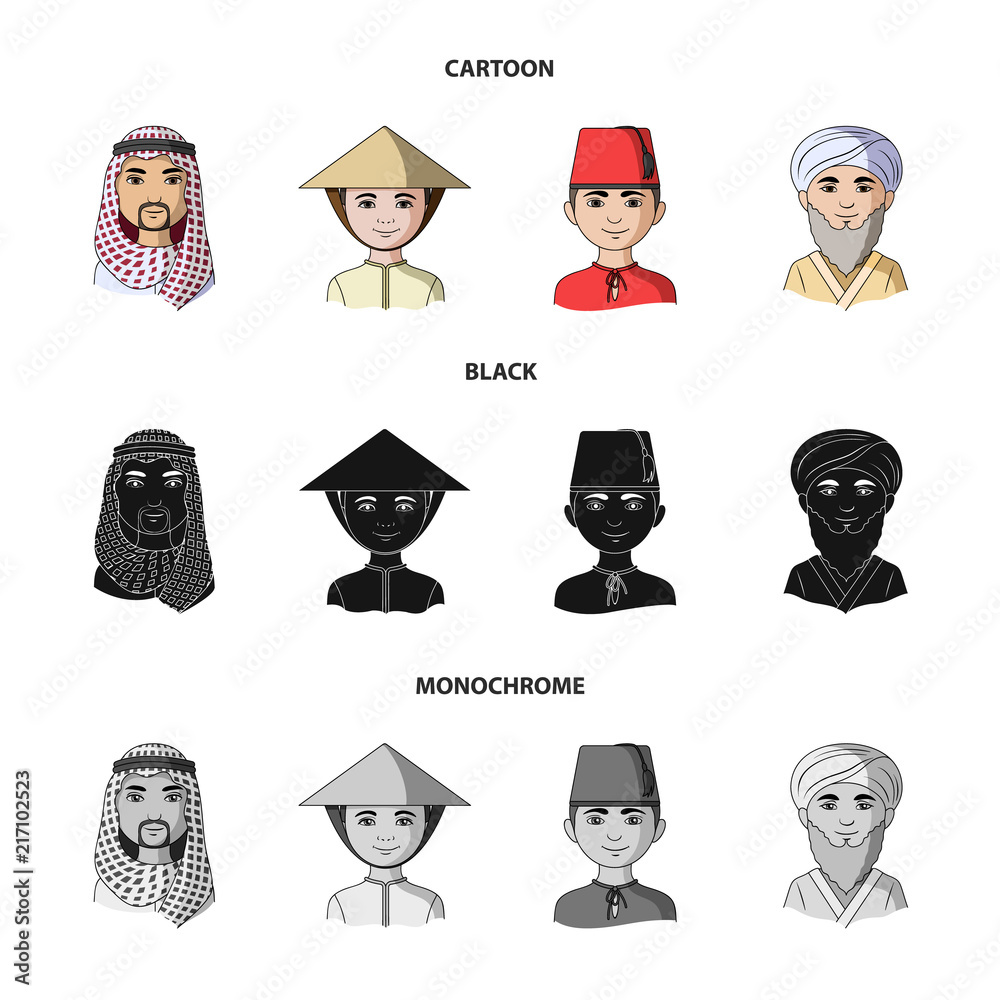
A Holistic View: Identity, Technology, and Prosperity
In the digital age, technology has become an indispensable tool for understanding, preserving, and projecting this complex identity. From genetic analysis debunking racial myths to AI-powered language tools connecting diasporas, technology empowers a more nuanced and accurate self-perception. Simultaneously, the strategic branding efforts of nations and individuals within the Arab world are actively working to reshape global perceptions, highlighting innovation, diversity, and economic dynamism.
The nexus of technology, branding, and money defines the current trajectory of Arab identity. Economic diversification, driven by tech innovation and significant investment, is creating new opportunities and fostering a vibrant entrepreneurial spirit. The collective narrative is shifting from one often framed by stereotypes to one of ambition, progress, and global engagement.
Moving forward, the Arab world will continue to leverage these interconnected forces to build a future that respects its rich heritage while embracing modernity. The ongoing dialogue about identity, facilitated by global communication technologies, will continue to refine and enrich what it means to be Arab in the 21st century – a testament to resilience, adaptability, and an unwavering commitment to cultural vibrancy and economic prosperity.
aViewFromTheCave is a participant in the Amazon Services LLC Associates Program, an affiliate advertising program designed to provide a means for sites to earn advertising fees by advertising and linking to Amazon.com. Amazon, the Amazon logo, AmazonSupply, and the AmazonSupply logo are trademarks of Amazon.com, Inc. or its affiliates. As an Amazon Associate we earn affiliate commissions from qualifying purchases.