
In the modern financial landscape, the ability to prove where you live is as critical as proving who you are. Whether you are opening a high-yield savings account, applying for a mortgage, or establishing a brokerage account, “proof of residence” is a non-negotiable requirement. This documentation serves as a cornerstone of the global financial system, acting as a safeguard against fraud and ensuring that institutions remain compliant with stringent regulatory standards.
Understanding what qualifies as proof of residence is not merely a matter of administrative convenience; it is a vital component of personal financial management. For investors and consumers, providing the correct documentation quickly can mean the difference between seizing a market opportunity and being sidelined by bureaucratic delays.

The Role of Proof of Residence in Financial Security and Compliance
Before diving into specific documents, it is essential to understand why financial institutions demand this information. Proof of residence is inextricably linked to the legal and ethical frameworks that govern the movement of money.
KYC and AML Regulations
“Know Your Customer” (KYC) and “Anti-Money Laundering” (AML) are the two primary regulatory pillars that necessitate residency verification. Banks and financial entities are legally obligated to verify the identity and address of their clients to prevent money laundering, tax evasion, and the financing of illicit activities. By confirming your physical location, a bank can ensure that you are a legitimate entity operating within a specific jurisdiction.
Tax Jurisdiction and Reporting
Your place of residence determines your tax obligations. Under frameworks like the Common Reporting Standard (CRS) and the Foreign Account Tax Compliance Act (FATCA), financial institutions must report account information to relevant tax authorities. Proof of residence ensures that your income and assets are taxed correctly according to the laws of your resident country, preventing accidental tax evasion or double taxation.
Risk Assessment and Lending
For lenders, a physical address is a proxy for stability. When applying for credit or a mortgage, a long-term residence suggests a lower risk profile. It provides a point of contact for legal notices and helps the lender assess the local economic conditions that might affect your ability to repay a loan.
Primary Documents: What Qualifies as Standard Proof?
While requirements can vary slightly between institutions and countries, certain documents are universally accepted as gold-standard proof of residence. These documents must typically be recent—usually dated within the last 3 to 6 months—to prove current occupancy.
Utility Bills: The Industry Standard
The most common form of proof is a utility bill. This includes charges for electricity, water, gas, or landline internet. These services are tied to a specific physical location and are generally issued by regulated entities or municipalities, making them highly reliable. It is important to note that mobile phone bills are often rejected because they are not tied to a fixed physical address in the same way a water line is.
Lease Agreements and Mortgage Statements
For those who do not have utility bills in their name, a signed lease agreement or a recent mortgage statement is usually the next best option. A lease must be current and signed by both the landlord and the tenant. For homeowners, a mortgage statement from a recognized bank serves the dual purpose of proving residence and demonstrating financial standing.
Government-Issued Identification with Address
In some jurisdictions, a driver’s license or a national ID card that displays a current address is sufficient. However, many financial institutions require a secondary document if the ID was issued several years ago, as people frequently move without updating their government IDs immediately.
Secondary Documentation for Complex Financial Scenarios
In some cases, primary documents may not be available. This is common for young adults living with parents, digital nomads, or individuals who have recently relocated. In these instances, secondary documentation may be accepted.
Bank and Credit Card Statements
A recent statement from another reputable financial institution can often serve as proof of address. Because the previous bank has already performed its own KYC due diligence, the new institution views the statement as a verified record. However, the statement must show your full name and residential address, not just a P.O. Box.
Employment Verification and Tax Documents
A formal letter from an employer on company letterhead, stating your residential address, can be a powerful supporting document. Similarly, government-issued tax assessments (such as a 1099 or W-2 in the U.S., or a P60 in the UK) are considered highly credible because they are used for official fiscal reporting.
Voter Registration and Insurance Policies
Homeowners or auto insurance policies are frequently accepted because they are legally binding contracts that require an accurate address for premium calculation. Voter registration cards are also a valid form of proof in many regions, as they represent an official government record of where a citizen is registered to participate in the democratic process.
The Evolution of Digital Verification in Personal Finance
As the world shifts toward digital-first banking and fintech, the way we provide proof of residence is evolving. The traditional “original paper copy” is quickly becoming a thing of the past, replaced by more efficient digital alternatives.
E-Statements and PDF Uploads
Most modern banks now accept digital PDF versions of utility bills and bank statements. The key requirement is that these must be “original” digital files downloaded from the service provider’s portal, rather than scanned copies of paper documents, which can be more easily altered.
Geolocation and Digital Footprints
Some cutting-edge fintech apps are experimenting with geolocation data as a supplementary form of residence verification. By using a smartphone’s GPS to confirm that a user is frequently located at the address they claim, apps can add an extra layer of security. While this is not yet a standalone “proof of residence,” it is becoming part of the broader identity verification stack.
The Rise of Digital Identity Wallets
In several regions, governments are moving toward “Digital IDs” that store verified address information in a secure, encrypted mobile wallet. When a financial institution needs proof of residence, the user can simply share a verified token from their digital ID. This reduces the risk of document forgery and streamlines the onboarding process for new financial products.
Proof of Residence for International Banking and Asset Management
For high-net-worth individuals and those engaged in international business, proof of residence becomes more complex. Managing assets across borders requires a deep understanding of how different jurisdictions view residency.
Tax Residency vs. Physical Residency
It is a common mistake to confuse physical residence with tax residency. For financial purposes, you might live in one country but be a tax resident of another due to the “183-day rule” or other local laws. Financial institutions managing international portfolios will often require a “Certificate of Tax Residency” issued by a government tax authority to ensure correct withholding and reporting.
The Challenge for Digital Nomads and Expats
The rise of the “side hustle” and remote work has created a generation of “global citizens” who may not have a permanent utility bill in any one country. For these individuals, obtaining proof of residence requires strategic planning. Often, maintaining a “permanent” address in a home country through a family member or using a professional mail-forwarding service that provides a physical street address is necessary to keep financial accounts active.
Notarization and Apostille Services
When providing proof of residence for international accounts, a simple photocopy is rarely enough. Documents often need to be notarized or “apostilled” (a form of international legalization). This adds a layer of official certification, proving to a foreign bank that the document is a legitimate representation of the individual’s status.
Overcoming Common Hurdles in Residency Documentation
Even with the right documents, the verification process can hit snags. Being proactive can prevent your financial life from grinding to a halt.
Ensuring Document Recency and Clarity
The most common reason for rejection is that a document is too old. Most financial institutions require documents to be dated within the last 90 days. Additionally, if you are uploading a photo of a document, ensure that all four corners are visible and the text is sharp. Blurred images or cropped edges are frequent triggers for automated rejection systems.
Consistency Across All Financial Records
Inconsistencies in how your name or address is written can cause significant delays. If your lease uses “Street” but your bank statement uses “St.”, or if your middle name is included on one document but not the other, it can trigger a manual review. Aim for total consistency across all your utilities and financial accounts.
What to Do if You Lack Standard Proof
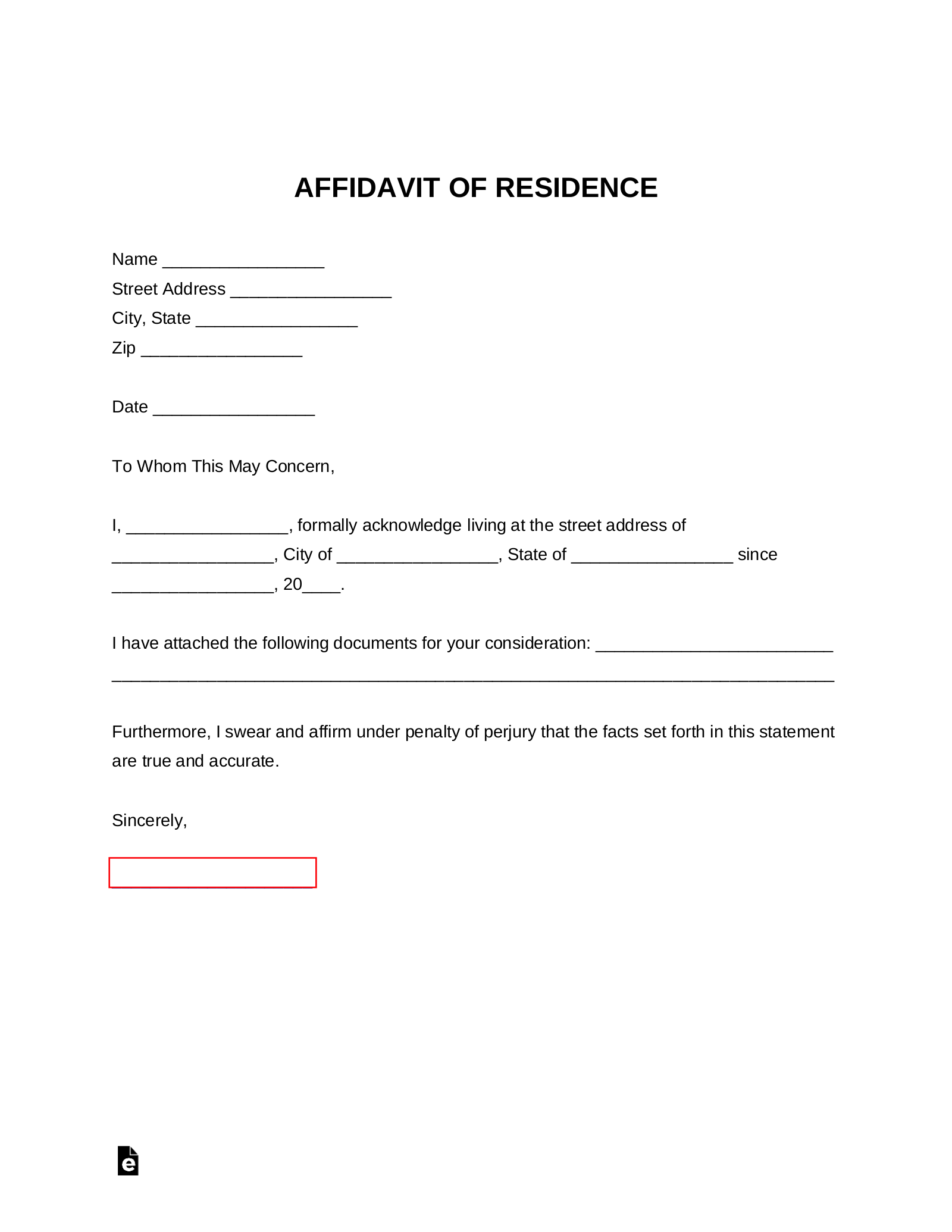
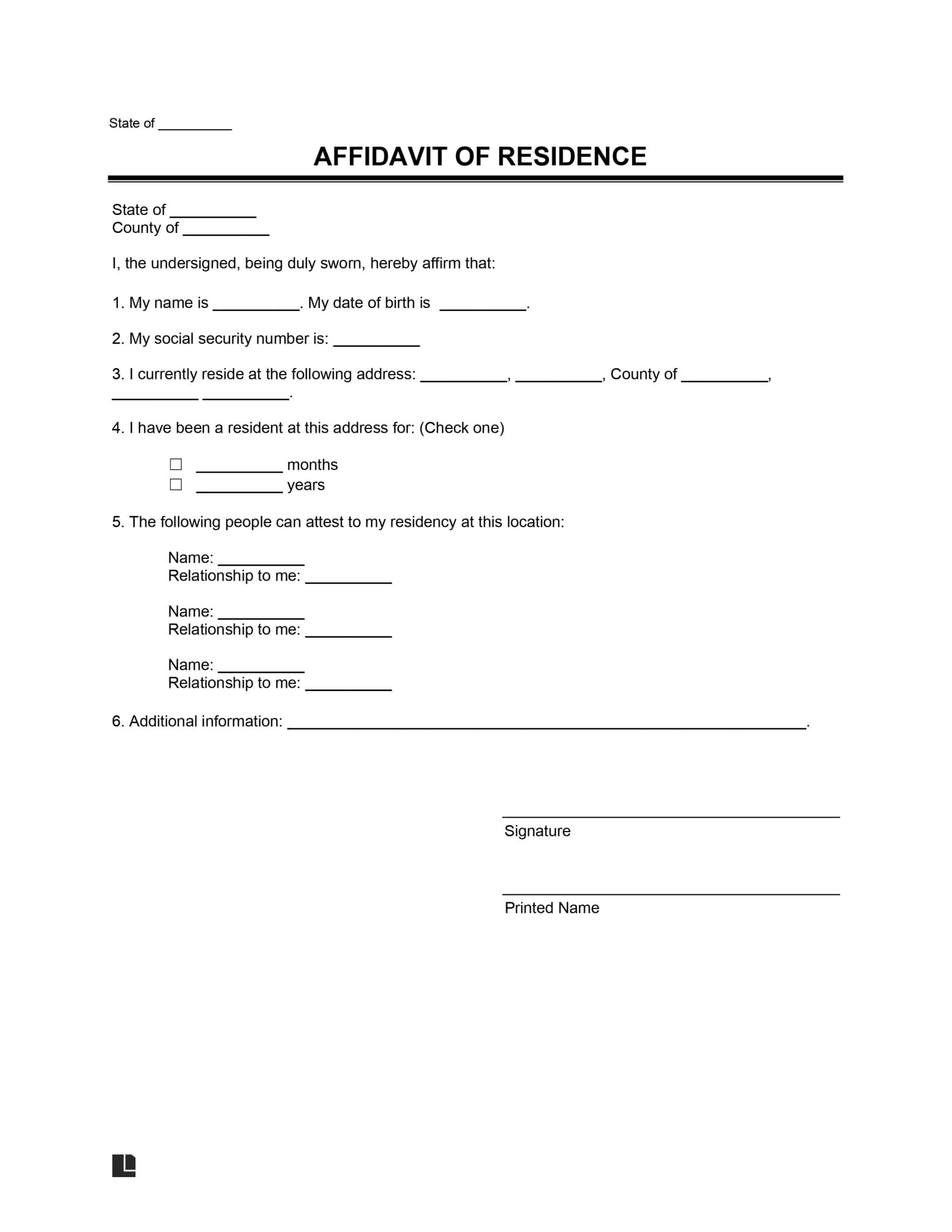
If you are in a situation where you lack standard proof—for example, if you live in a house-share where bills are in a roommate’s name—you can often use an “Affidavit of Residence.” This is a legal document, usually notarized, where the primary resident or landlord swears that you reside at that address. While not every bank accepts this, many will if it is accompanied by other secondary documents like a bank statement or a government letter.
In conclusion, proof of residence is much more than a box to check on a form. It is a fundamental element of financial integrity that protects both the individual and the global economy. By maintaining a suite of updated, consistent, and valid residency documents, you ensure that your path to wealth building, investing, and financial security remains unobstructed by the hurdles of modern compliance.
aViewFromTheCave is a participant in the Amazon Services LLC Associates Program, an affiliate advertising program designed to provide a means for sites to earn advertising fees by advertising and linking to Amazon.com. Amazon, the Amazon logo, AmazonSupply, and the AmazonSupply logo are trademarks of Amazon.com, Inc. or its affiliates. As an Amazon Associate we earn affiliate commissions from qualifying purchases.