
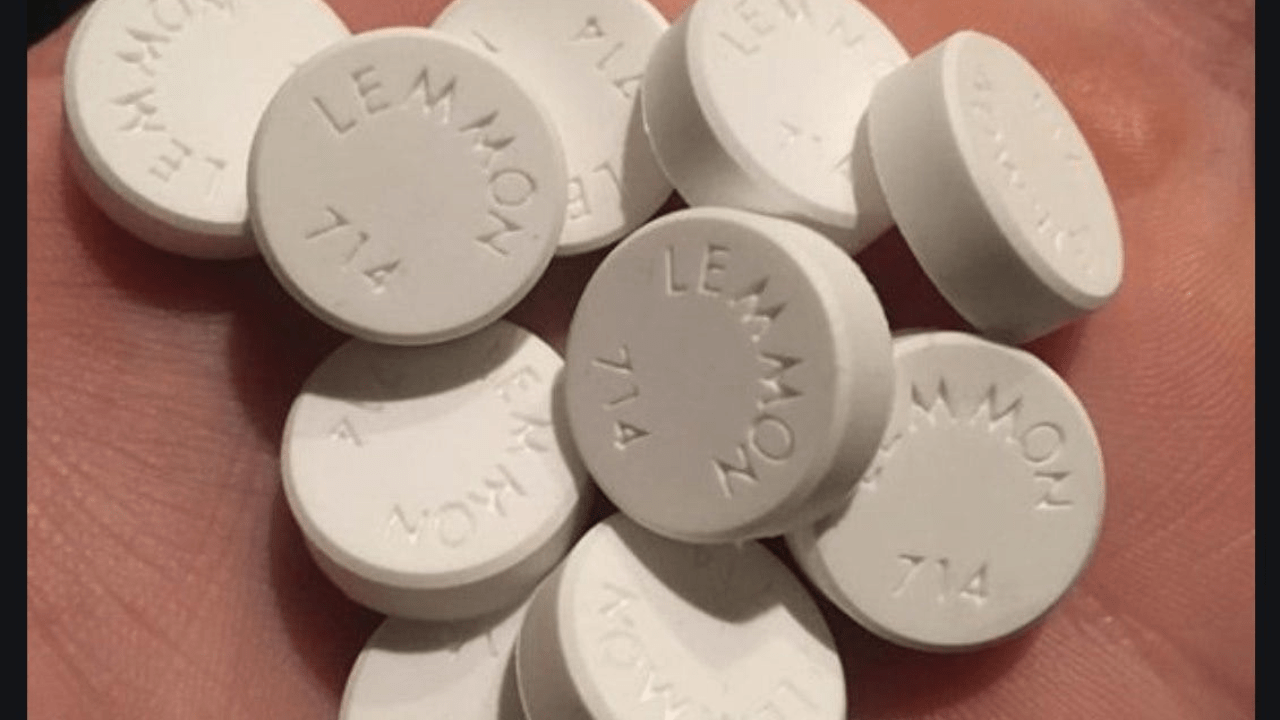
The history of methaqualone, colloquially known as Quaaludes, represents one of the most cautionary tales in the annals of pharmaceutical history. While initially marketed as a safe, non-addictive alternative to barbiturates in the 1960s, the drug’s trajectory reveals a profound disconnect between corporate marketing, regulatory oversight, and the harsh realities of physiological dependence. Understanding what Quaaludes do requires a deep dive into the pharmacology of central nervous system (CNS) depressants and the catastrophic impact that misaligned financial incentives within the pharmaceutical industry can have on public health.
The Pharmacology of Sedation
Methaqualone functions as a potent central nervous system depressant. To understand its effects, one must look at how it interacts with the brain’s neurochemistry. Unlike many modern sleep aids that act on specific receptors, methaqualone binds to the GABA-A receptors, which are responsible for inhibiting neuronal activity throughout the brain.
Mechanism of Action
When ingested, methaqualone increases the efficiency of gamma-aminobutyric acid (GABA), the primary inhibitory neurotransmitter in the brain. By enhancing this inhibitory effect, the drug induces a state of profound relaxation and sedation. Users typically experience a “heavy” feeling in the limbs, a reduction in anxiety, and an initial sense of euphoria, which is why the drug gained such popularity in social scenes during the 1970s. However, this suppression of neuronal firing is not targeted; it is a systemic slowing down of the brain’s electrical activity.
The Illusion of Safety
In the early days of its distribution, the marketing narrative surrounding Quaaludes suggested that they provided the benefits of barbiturates—sleep and anxiety relief—without the associated risks of addiction or lethal overdose. This was a catastrophic oversight in clinical assessment. Because the drug was aggressively marketed to physicians as a “safer” alternative, it was over-prescribed for decades. The financial motive was clear: pharmaceutical companies stood to make significant gains by capturing the market share of patients struggling with insomnia and anxiety. The subsequent reality was a business case study in how lack of rigorous long-term clinical data, driven by the desire for quick market entry, leads to widespread public health crises.
The Economic and Social Impact of Misguided Prescribing
The rise and fall of Quaaludes illustrate how pharmaceutical marketing can distort the perception of risk. During its peak, the drug was not merely a medicine; it was a cultural phenomenon, fueled by a multi-million dollar industry that prioritized profit margins over patient safety.
The Cost of Aggressive Marketing
Pharmaceutical companies utilized aggressive sales strategies to promote methaqualone, often downplaying the potential for psychological and physiological dependence. For investors and stakeholders in the healthcare industry, the product was an immense success, generating high returns on investment. However, this growth was built on a foundation of precarious health outcomes. When a product is positioned as a panacea for common human ailments like stress and sleeplessness, the scale of distribution becomes massive, and the consequences of withdrawal or addiction are magnified to a societal level.
Regulatory Failure and Market Withdrawal
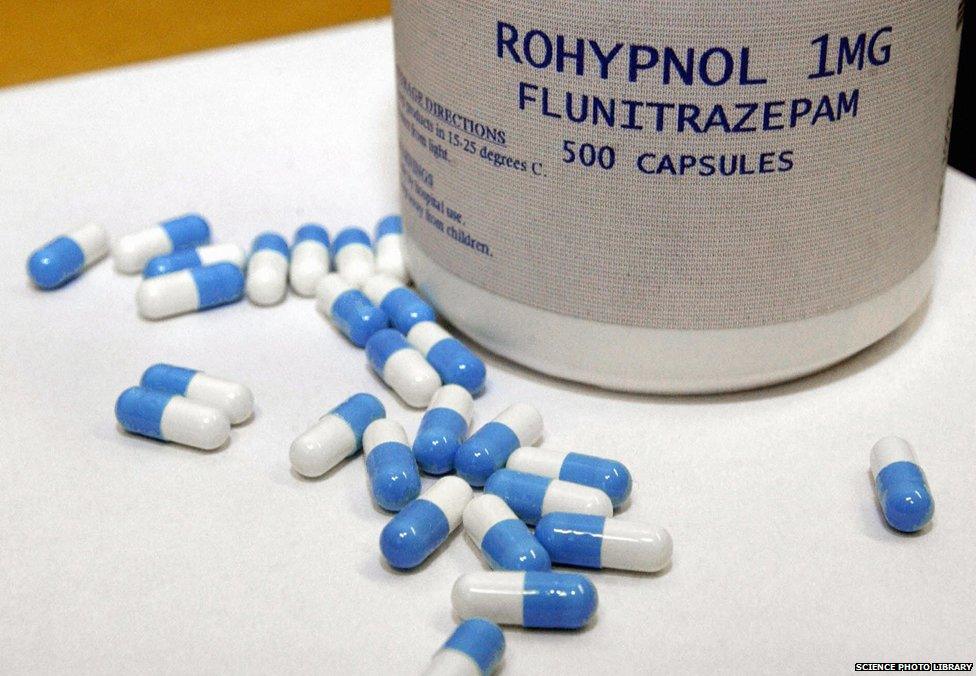
The eventual rescheduling of methaqualone to a Schedule I substance in the United States highlights the friction between commercial interest and regulatory authority. As the number of overdoses and hospitalizations climbed, the economic utility of the drug was eventually eclipsed by the mounting social and legal costs. From a corporate strategy perspective, the Quaalude experience serves as a definitive example of “reputational risk.” Once the medical community and the public recognized that the drug’s risks far outweighed its therapeutic value, the brand equity collapsed. Companies that hitched their growth to such substances found themselves subject to massive litigation and a total loss of public trust—an outcome that continues to serve as a warning for modern pharmaceutical business models.
Physiological Consequences and Long-Term Risks
To look at what Quaaludes do from a clinical perspective is to examine the extreme toll that synthetic depressants take on the human body. Because the drug slows down the CNS, it impacts autonomic functions, including heart rate and respiration.
The Threshold of Lethality
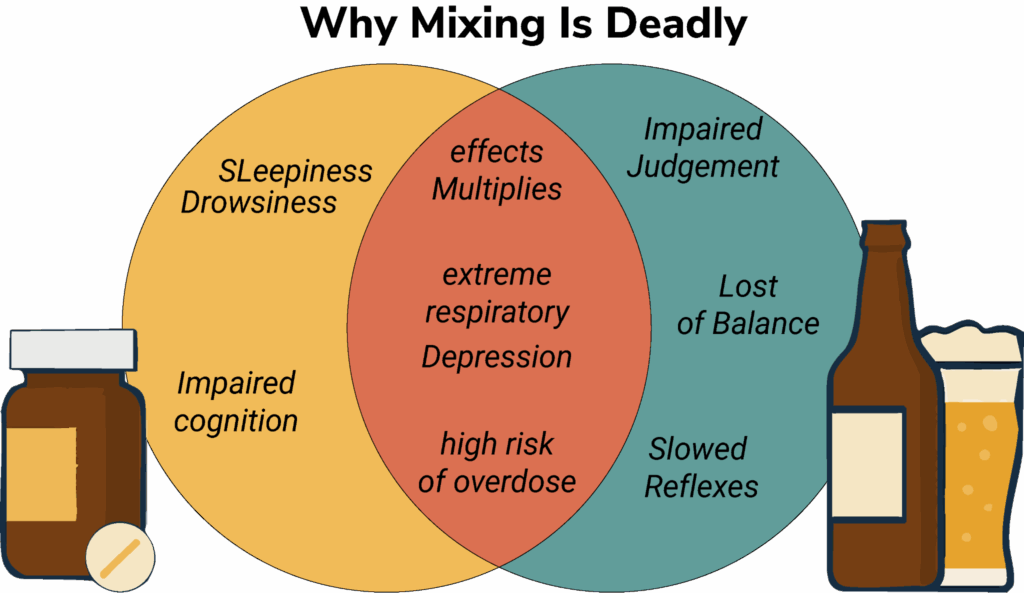
One of the most dangerous attributes of methaqualone is its narrow therapeutic index. This means the difference between a dose that produces the desired “relaxed” effect and a dose that causes fatal respiratory depression is alarmingly small. When combined with other substances—particularly alcohol, which also acts as a CNS depressant—the synergistic effect is multiplicative rather than additive. Many users, misled by the marketing of the drug as “safe,” unwittingly entered into a state of overdose.
Dependence and Withdrawal Syndromes
The physical reliance developed by regular users of Quaaludes created a lucrative cycle for the industry but a tragic reality for the patient. Because the brain compensates for the constant influx of a GABA-enhancer by reducing its natural production of inhibitory signals, a sudden cessation of the drug leads to a state of hyperexcitability. Withdrawal symptoms can include tremors, convulsions, seizures, and in extreme cases, death. This cycle of dependence ensured that, while the drug remained legal, there was a consistent “customer base,” a dark side of pharmacological revenue models that regulators now work tirelessly to prevent.
The Legacy in Modern Medicine
The study of what Quaaludes did—and the industry that supported it—has fundamentally reshaped modern medical business practices. The pharmaceutical industry is now governed by significantly more stringent requirements for pre-market testing, marketing ethics, and post-market surveillance.
Changes in Ethical Pharmaceutical Marketing
Today, pharmaceutical firms must navigate a complex landscape of transparency. Investors and stakeholders now recognize that long-term business success is inextricably linked to ethical research and development. The “Quaalude model” of aggressive, data-blind marketing is now largely unsustainable due to enhanced FDA regulations and a much more informed patient base. Modern drug developers must prove not just efficacy, but also a favorable safety profile compared to existing therapies.
The Economic Shift Toward Value-Based Care
The pharmaceutical landscape has shifted from selling volume-based solutions to focusing on “value-based care.” Investors now prioritize companies that develop targeted therapies with predictable, manageable side effect profiles. The history of Quaaludes acts as a permanent entry in the “lessons learned” ledger for the industry. It remains a stark reminder that when the financial incentive structure is divorced from the goal of patient wellness, the resulting economic gains are temporary, while the systemic damage—both to the industry’s reputation and to the public health infrastructure—can be generational.
In conclusion, methaqualone taught the world that the “best” product from a balance-sheet perspective is not always the best for human health. The decline of the drug serves as a pivotal moment in the history of medicine, marking the transition toward a more cautious, transparent, and scientifically rigorous approach to pharmaceutical development and market deployment. As we look at the intersection of business, finance, and medical science today, the ghost of the Quaalude era remains the definitive benchmark for why integrity and patient-centric ethics are the only sustainable paths to long-term profitability.
aViewFromTheCave is a participant in the Amazon Services LLC Associates Program, an affiliate advertising program designed to provide a means for sites to earn advertising fees by advertising and linking to Amazon.com. Amazon, the Amazon logo, AmazonSupply, and the AmazonSupply logo are trademarks of Amazon.com, Inc. or its affiliates. As an Amazon Associate we earn affiliate commissions from qualifying purchases.