
The landscape of software development is in a state of constant flux. As we move further into the decade, the rise of Artificial Intelligence (AI), the expansion of cloud computing, and the increasing demand for high-performance systems have shifted the priorities of both seasoned developers and aspiring tech professionals. Choosing a programming language is no longer just about syntax; it is about selecting a toolset that aligns with market trends, industrial demands, and the technological architecture of the future.
Deciding where to start can be a daunting task. The sheer volume of languages—ranging from legacy giants to modern, high-performance newcomers—creates a “paradox of choice.” However, by narrowing our focus to the “Tech” niche, we can analyze the ecosystem through the lens of software engineering, AI integration, and systems architecture to determine which languages offer the highest utility and longevity.
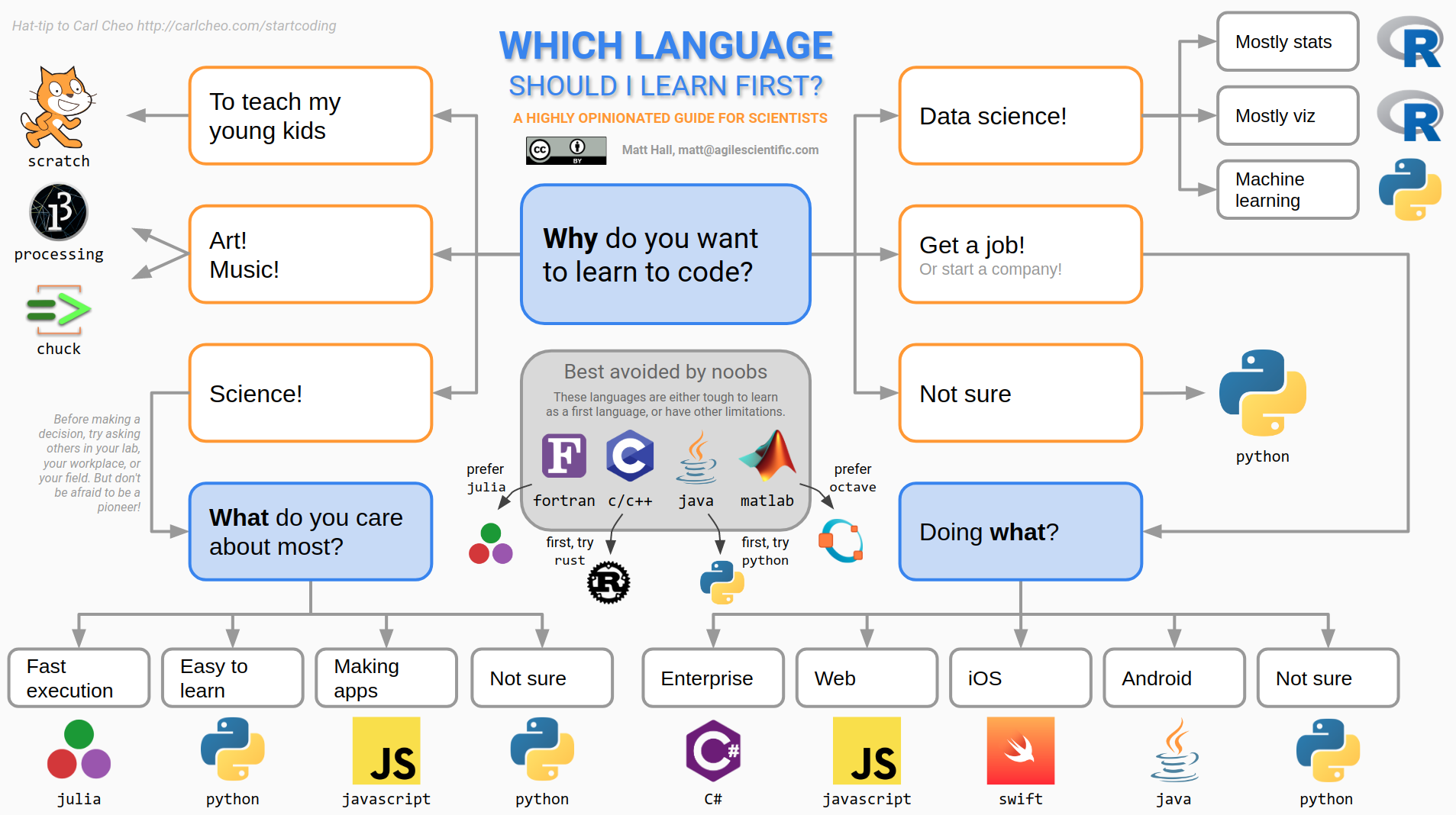
The Foundations of Modern Development: Versatility and Efficiency
When beginning a journey into the tech world, the first consideration is often versatility. A language that can be applied across multiple domains—from web development to automation—provides the greatest return on investment for a learner’s time.
Python: The Unrivaled King of AI and Data Science
Python has maintained its position as one of the most popular programming languages globally for several years, and for good reason. Its syntax is remarkably close to human language, making it accessible to beginners. However, its true power lies in its ecosystem. In the current “AI Gold Rush,” Python is the undisputed leader.
Most major AI and machine learning frameworks, such as TensorFlow, PyTorch, and Scikit-learn, are built with Python at their core. Beyond AI, Python is the go-to language for data scientists and analysts who use it for complex data visualization and statistical modeling. Its role in automation and “glue code” also makes it indispensable for DevOps engineers who need to script infrastructure management tasks. If your goal is to work in the cutting-edge sectors of Artificial Intelligence or Big Data, Python is non-negotiable.
JavaScript: The Engine of the Modern Web
If the internet is the backbone of modern technology, JavaScript is the electricity that powers it. Originally designed for simple browser interactions, JavaScript has evolved into a full-stack powerhouse. Through environments like Node.js, developers can now use JavaScript on the server-side, allowing for a unified development experience across the entire application.
The modern web is built on frameworks like React, Vue, and Angular, all of which require a deep understanding of JavaScript. Furthermore, with the rise of Web3 and decentralized applications, JavaScript remains a primary language for building user interfaces that interact with blockchain protocols. For those interested in creating tangible, user-facing applications, JavaScript remains the most essential language to master.
Performance and Systems Engineering: Building Robust Infrastructure
While high-level languages like Python offer ease of use, the tech industry still relies heavily on low-level languages for performance-critical applications. As we demand more from our hardware, from high-frequency trading platforms to complex gaming engines, the need for efficient memory management and execution speed becomes paramount.
Rust: The New Gold Standard for Memory Safety
In recent years, Rust has emerged as the “beloved” language of the tech industry. It was designed by Mozilla to solve a specific problem: how to achieve the performance of C++ without the notorious memory-related bugs and security vulnerabilities. Rust’s “ownership” model ensures memory safety without the need for a garbage collector, which can slow down performance.
Major tech giants, including Microsoft, Google, and Amazon, are increasingly rewriting core parts of their infrastructure in Rust. It is becoming the preferred language for systems programming, web assembly, and even blockchain development (specifically in ecosystems like Solana). Learning Rust signals to employers that you understand the intricacies of hardware-software interaction and are capable of building secure, high-performance systems.
C++ and Go: Powering High-Performance Systems
Despite the rise of newer languages, C++ remains a cornerstone of the technology world. It powers everything from the operating systems we use daily to the sophisticated graphics engines in modern video games. Its complexity is high, but the level of control it offers over system resources is unmatched.
On the other hand, Go (or Golang), developed by Google, was designed to bridge the gap between the simplicity of Python and the performance of C++. Go is particularly dominant in the realm of cloud-native development. It was built for concurrency, making it the perfect choice for microservices and large-scale distributed systems. If you are interested in cloud architecture or backend engineering at a massive scale, Go is a strategic addition to your toolkit.

Mobile and Cross-Platform Mastery: Reaching Every Device
The proliferation of smartphones has made mobile development a central pillar of the tech industry. While web applications are vital, native mobile experiences often provide the performance and integration that users demand.
Swift: Crafting the iOS Experience
For those looking to enter the Apple ecosystem, Swift is the only logical choice. Launched by Apple to replace Objective-C, Swift is fast, safe, and modern. It is used to build apps for iPhone, iPad, Mac, Apple Watch, and even Apple TV. Given the high monetization potential of the iOS App Store, Swift developers are always in high demand. The language is designed to be expressive and easy to read, incorporating many of the best features of modern programming language design.
Kotlin: The Modern Choice for Android and Beyond
On the other side of the mobile divide is Kotlin. While Java was once the primary language for Android development, Google now recommends Kotlin as the “first-class” language for the platform. Kotlin is fully interoperable with Java but provides a more concise and expressive syntax, significantly reducing the amount of “boilerplate” code developers have to write. Beyond Android, Kotlin Multiplatform is gaining traction, allowing developers to share code between iOS and Android apps, making it a highly efficient choice for mobile-first startups.
Specialized Languages for the Future Tech Stack
Beyond the general-purpose giants, several specialized languages are essential for specific roles within the technology sector. These languages often serve as the “connective tissue” that holds complex systems together.
SQL: The Persistent Language of Data Management
While not a traditional “programming” language in the same sense as Python or Java, SQL (Structured Query Language) is arguably the most important skill for anyone working with data. In a world driven by information, the ability to communicate with databases is essential. Whether you are a backend developer, a data scientist, or an AI researcher, you will inevitably need to extract, manipulate, and store data. SQL remains the industry standard for relational database management systems.
TypeScript: Scaling JavaScript for the Enterprise
As web applications have grown in complexity, the “loose” nature of JavaScript has become a liability for large teams. Enter TypeScript. Developed by Microsoft, TypeScript is a superset of JavaScript that adds static typing. This allows developers to catch errors during the development phase rather than at runtime, making the code more predictable and easier to maintain. Today, most professional web development projects have migrated to TypeScript. Learning it is no longer an “extra”—it is a requirement for serious frontend and full-stack engineering.
Strategic Decision-Making: How to Choose Your Path
The question “Which programming language should I learn?” is ultimately answered by another question: “What do you want to build?” The tech industry is a vast ecosystem of niches, and your choice should be dictated by your career goals.
If you are drawn to the world of Artificial Intelligence and Data, start with Python and supplement it with SQL. This combination will allow you to build models and manage the data that feeds them.
If you want to build Web Applications, master JavaScript and quickly move into TypeScript. These languages will give you the ability to work on both the interface and the server, making you a versatile “Full Stack” candidate.
If you are fascinated by Infrastructure and Performance, focus on Go or Rust. These languages are at the forefront of the modern cloud and systems engineering landscape, offering high salaries and the opportunity to work on the “plumbing” of the digital world.
Finally, if Mobile Development is your passion, choose based on the platform. Swift for the Apple ecosystem or Kotlin for the Android world.
Regardless of the language you choose, the most important skill in technology is “learning how to learn.” The languages that dominate today may be augmented by new tools tomorrow. By understanding the underlying principles of computer science—logic, data structures, and algorithms—you will be prepared to pivot as the tech landscape continues to evolve. The key is to start with one, master its nuances, and use it as a foundation to build a career in the ever-expanding world of technology.
aViewFromTheCave is a participant in the Amazon Services LLC Associates Program, an affiliate advertising program designed to provide a means for sites to earn advertising fees by advertising and linking to Amazon.com. Amazon, the Amazon logo, AmazonSupply, and the AmazonSupply logo are trademarks of Amazon.com, Inc. or its affiliates. As an Amazon Associate we earn affiliate commissions from qualifying purchases.