
In the current technological landscape, the word “cell” has transcended its biological origins to become the fundamental building block of the digital age. From the smartphone in your pocket to the electric vehicle (EV) in your garage and the massive battery arrays stabilizing national power grids, the question of what produces energy in a cell is no longer just a concern for biologists—it is the central challenge for engineers, software developers, and tech innovators.
As we move toward an increasingly mobile and electrified world, understanding the mechanics, chemistry, and software management of energy production within a cell is vital. This article explores the sophisticated technology behind modern energy storage, the chemical reactions that drive our gadgets, and the future of energy production that promises to redefine the limits of portable power.
1. The Anatomy of Power: Understanding the Lithium-Ion Cell
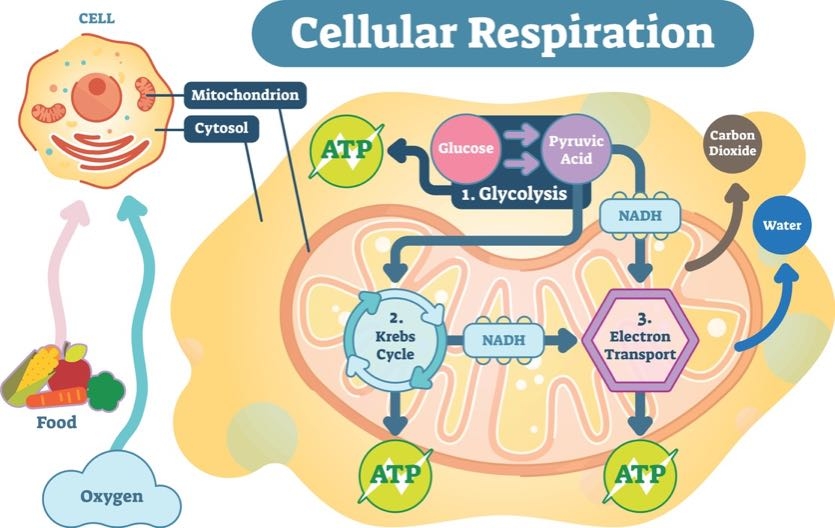
At the heart of almost every modern gadget is the Lithium-ion (Li-ion) cell. Unlike biological cells that metabolize glucose to produce ATP, a technological cell produces energy through the controlled movement of ions and electrons. Understanding this process requires a look at the internal architecture of the cell.
The Chemical Reaction: Anodes and Cathodes
The production of energy in a battery cell is a result of electrochemistry. Every cell consists of two electrodes: the anode (negative) and the cathode (positive). When a device is powered on, a chemical reaction occurs at the anode that releases electrons. These electrons want to travel to the cathode to reach a state of equilibrium.
In a Lithium-ion cell, the anode is typically made of graphite, while the cathode is composed of a metal oxide (such as Lithium Cobalt Oxide). During discharge, lithium ions move from the anode to the cathode through an internal medium, while the electrons are forced to take the “long way around” through the device’s external circuitry. This flow of electrons is exactly what we call electricity. The efficiency of this energy production is determined by the materials used; the more efficiently these ions can move, the more power the cell can provide.
The Role of the Electrolyte in Energy Transfer
If the anode and cathode are the sources of energy potential, the electrolyte is the facilitator. The electrolyte is a chemical medium—often a liquid or gel—that allows lithium ions to move between the electrodes while acting as a barrier to electrons. If electrons could pass directly through the electrolyte, the cell would short-circuit and release all its energy instantly as heat.
The technology behind electrolytes is currently a major focus of R&D. Traditional liquid electrolytes are flammable, which poses safety risks. Tech companies are now experimenting with ceramic or polymer-based solid electrolytes to create “solid-state” cells. These advanced materials promise to produce energy more safely and at higher densities, potentially doubling the battery life of future laptops and smartphones.
2. Beyond Lithium: Emerging Technologies in Energy Production
While Lithium-ion has been the gold standard for decades, the tech industry is reaching the physical limits of what this chemistry can provide. To meet the demands of AI-heavy computing and long-range transport, new methods of energy production within the cell are being pioneered.
Solid-State Batteries: The Next Frontier
Solid-state battery technology is perhaps the most anticipated trend in hardware engineering. By replacing the liquid electrolyte with a solid material, these cells can utilize a lithium-metal anode. This shift drastically increases energy density—the amount of energy a cell can produce relative to its size.
For the consumer, this means smartphones that charge in minutes and last for days. For the tech industry, it represents a shift in device design. Thinner, lighter, and more powerful gadgets are only possible if the energy-producing cell can be shrunk without sacrificing capacity. Companies like QuantumScape and Solid Power are currently leading the charge in bringing this tech to the mass market.
Hydrogen Fuel Cells and the Promise of Zero Emissions
While batteries store energy, fuel cells produce it through a chemical reaction between hydrogen and oxygen. In a hydrogen fuel cell, the “cell” acts as a miniature power plant. Hydrogen gas is passed through the anode, and oxygen from the air is passed through the cathode. At the anode, a catalyst splits the hydrogen molecules into protons and electrons.

The electrons are forced through a circuit—generating power—before meeting the protons and oxygen at the cathode to form water vapor as the only byproduct. This tech is particularly transformative for data centers and heavy-duty tech infrastructure, offering a way to produce massive amounts of energy without the weight and charging downtime associated with traditional chemical batteries.
3. The Role of AI and Software in Maximizing Cell Efficiency
Energy production in a cell is not just a matter of chemistry; it is increasingly a matter of code. In modern technology, a cell is only as good as the software that manages it. This is where the intersection of AI and hardware becomes critical.
Smart Battery Management Systems (BMS)
A Battery Management System (BMS) is the “brain” of the energy cell. It consists of specialized sensors and microcontrollers that monitor the cell’s state of charge, temperature, and voltage. The BMS ensures that energy is produced and extracted at an optimal rate to prevent degradation.
Advanced software algorithms now use AI to learn a user’s habits. For instance, modern smartphones use “Optimized Battery Charging” to produce energy more slowly when the phone is plugged in overnight, reaching 100% just before the user wakes up. By managing the rate of chemical reaction within the cell, software can extend the lifespan of the hardware by years, reducing electronic waste and improving the user experience.
Predictive Maintenance through Machine Learning
In large-scale tech applications, such as Tesla’s Megapack or Google’s data center storage, machine learning models are used to predict when a cell will fail. By analyzing tiny fluctuations in how a cell produces energy, AI can identify “dendrites”—microscopic spikes that grow inside a cell and cause shorts—before they become a problem. This proactive approach to energy production ensures that high-tech infrastructure remains online and efficient, proving that the future of energy is as much about data as it is about chemistry.
4. The Environmental Impact and the Future of Sustainable Cells
As we scale up the production of energy-storing cells, the tech industry faces a reckoning regarding sustainability. The production of energy in a cell requires raw materials that are often difficult to source and recycle.
Recycling Tech and the Circular Economy
The “tech-to-trash” pipeline is a major concern. Fortunately, new technologies are emerging to turn old cells into “urban mines.” Startups are developing automated robotic systems that can disassemble complex battery packs down to the individual cell level, using hydrometallurgical processes to recover 95% of the cobalt, nickel, and lithium.
This creates a circular economy where the materials that produce energy in a cell are reused indefinitely. For tech giants like Apple and Samsung, the goal is to create a “closed-loop” supply chain where no new mining is required to produce the energy cells for their next generation of devices.
Bio-batteries and Organic Energy Storage
Looking further ahead, the most “insightful” tech trend is the move toward organic energy cells. Researchers are exploring bio-batteries that use enzymes or bacteria to produce electricity. These cells mimic the biological processes of living organisms to convert organic matter into power.
While still in the laboratory phase, bio-batteries could eventually power wearable medical tech or sensors that are fully biodegradable. This represents the ultimate convergence of biology and technology: a cell that produces energy just as nature intended, but harnessed for the digital frontier.

Conclusion
What produces energy in a cell? On a fundamental level, it is the movement of ions and the flow of electrons across a chemical gradient. However, in the context of modern technology, energy production is a sophisticated dance between advanced chemistry, precision hardware engineering, and intelligent software.
From the lithium-ion batteries that power our daily lives to the solid-state and hydrogen technologies of tomorrow, the “cell” remains the most important unit of innovation. As AI continues to optimize how we extract every milliwatt of power, and as recycling tech ensures the sustainability of our resources, the evolution of the cell will continue to be the primary engine driving the next century of technological progress. Overcoming the limitations of the cell is not just an engineering goal—it is the key to unlocking the full potential of our digital future.
aViewFromTheCave is a participant in the Amazon Services LLC Associates Program, an affiliate advertising program designed to provide a means for sites to earn advertising fees by advertising and linking to Amazon.com. Amazon, the Amazon logo, AmazonSupply, and the AmazonSupply logo are trademarks of Amazon.com, Inc. or its affiliates. As an Amazon Associate we earn affiliate commissions from qualifying purchases.