
Understanding Medicaid eligibility is crucial for millions of Americans seeking affordable healthcare. This government-sponsored health insurance program is designed to assist individuals and families with limited income and resources. While the core mission remains consistent – providing essential medical coverage – the specific criteria for qualifying can vary significantly. This article delves into the multifaceted requirements that determine Medicaid eligibility, offering a clear and comprehensive overview for those navigating this vital program.
Income and Household Size: The Primary Determinants
At its heart, Medicaid eligibility is largely determined by your income relative to the Federal Poverty Level (FPL) and the size of your household. These two factors work in tandem to establish a baseline for financial need.
Federal Poverty Level (FPL) and Income Thresholds
The Federal Poverty Level (FPL) is a set of poverty thresholds that are updated annually by the U.S. Department of Health and Human Services. These thresholds vary based on household size. For instance, the FPL for a single individual will be different from that of a family of four. Medicaid programs generally use a percentage of the FPL to define income eligibility limits.
- Percentage of FPL: Many states operate their Medicaid programs using specific FPL percentages. For example, a state might set its income limit at 138% of the FPL for certain groups. This means if your household income falls below that threshold, you may be eligible.
- Modified Adjusted Gross Income (MAGI): For most individuals and families, especially those who don’t qualify for Medicare, Medicaid eligibility is determined using Modified Adjusted Gross Income (MAGI). MAGI is a standardized income calculation that considers various types of income after certain deductions. This system simplifies the income determination process and aligns with how income is reported for tax purposes.
- State Variations: It is imperative to understand that these FPL percentages and MAGI rules are not uniform across all states. Some states have expanded their Medicaid programs under the Affordable Care Act (ACA), allowing for higher income eligibility limits (often up to 138% of the FPL). Other states have not expanded, leading to lower income thresholds and potentially leaving more low-income individuals without coverage. Therefore, the specific income cutoff for your household will depend on the rules in your state of residence.
Household Size and Its Impact on Income Limits
The number of people in your household directly influences the FPL threshold. A larger household generally has a higher FPL, meaning a higher income can still be considered within poverty guidelines. This is a critical aspect of the qualification process, ensuring that larger families are not penalized for having more dependents.
- Dependent Calculations: When calculating household size for Medicaid, the focus is on individuals who are considered dependents for tax purposes and those who reside in the same household. This includes children, and in some cases, other relatives who are financially dependent on the primary applicant.
- Impact on Eligibility: A single individual earning $20,000 per year might fall below the FPL for their household size, making them eligible for Medicaid. However, a family of four with a combined income of $40,000 might also fall below the FPL for their larger household size and be eligible. This highlights the importance of considering the household composition accurately.
Categorical Eligibility: Specific Groups and Special Circumstances
Beyond income and household size, Medicaid eligibility is also tied to specific categories of individuals and particular life circumstances. These categories ensure that certain vulnerable populations receive the healthcare they need.
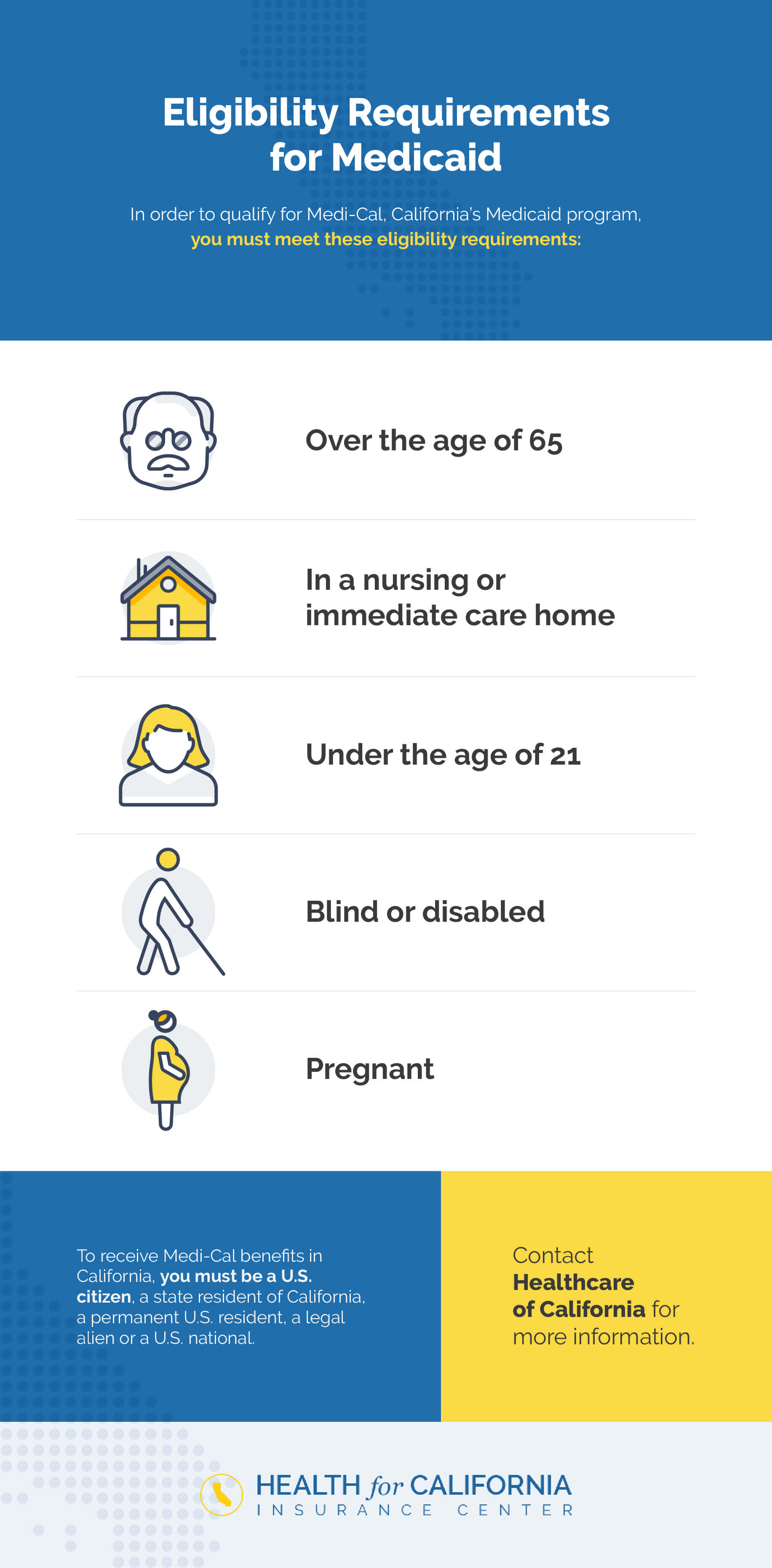
Children and Pregnant Women
Children and pregnant women are often given priority for Medicaid coverage, with higher income eligibility limits than other adult groups in many states. This reflects a societal commitment to ensuring the health of the youngest and most vulnerable members of the population.
- Children’s Health Insurance Program (CHIP): Many states have a separate program called the Children’s Health Insurance Program (CHIP), which provides coverage for children in families whose incomes are too high for Medicaid but too low to afford private insurance. CHIP often works in conjunction with Medicaid, creating a continuum of coverage for children.
- Prenatal Care: Medicaid plays a crucial role in providing prenatal care to pregnant women, covering essential services from doctor visits to delivery. Ensuring access to this care is vital for the health of both the mother and the developing baby. Eligibility rules for pregnant women are often more generous than for other adults, recognizing the critical nature of their health needs.
Individuals with Disabilities
People with disabilities are another key group that often qualifies for Medicaid, regardless of their income in some instances. This is because disability can lead to significant medical expenses and reduced earning capacity.
- Disability Determination: To qualify for Medicaid based on disability, individuals typically need to meet the Social Security Administration’s (SSA) definition of disability or a state-specific definition. This usually involves demonstrating a severe and long-lasting physical or mental impairment that prevents them from engaging in substantial gainful activity.
- Medical Necessity: Medicaid coverage for individuals with disabilities often extends beyond basic medical care to include long-term services and supports (LTSS). These can include home and community-based services, personal care attendants, and assistive devices, which are essential for maintaining quality of life and independence.
Elderly Individuals and Medicare Savings Programs
Elderly individuals, particularly those with limited income and assets, can also qualify for Medicaid. For those who are eligible for Medicare, Medicaid can serve as a supplemental payer, helping to cover costs that Medicare doesn’t.
- Dual Eligibility: Individuals who qualify for both Medicare and Medicaid are known as “dual eligibles.” Medicaid can pay for Medicare premiums, deductibles, and coinsurance, as well as services that Medicare does not cover, such as long-term care.
- Medicare Savings Programs (MSPs): States offer various Medicare Savings Programs (MSPs) to help low-income Medicare beneficiaries pay for their Medicare Part A and/or Part B premiums, deductibles, coinsurance, and copayments. These programs are often administered through the state Medicaid agency, and eligibility for MSPs can sometimes lead to automatic Medicaid eligibility for certain services.
Low-Income Adults (Post-ACA Expansion)
The Patient Protection and Affordable Care Act (ACA) allowed states to expand their Medicaid programs to cover more low-income adults. In states that have adopted this expansion, eligibility is generally set at 138% of the FPL for adults without dependent children.

- Coverage Gap: In states that have not expanded Medicaid, there can be a “coverage gap.” This refers to individuals whose incomes are too high to qualify for traditional Medicaid but too low to be eligible for subsidies on the Health Insurance Marketplace. This gap disproportionately affects low-income adults.
- State-Specific Policies: The decision of whether or not to expand Medicaid is made at the state level. This means that the rules and income thresholds for adult Medicaid eligibility can vary dramatically from one state to another, making it essential to check the specific regulations in your state.
Asset Limits and Other Eligibility Factors
In addition to income, some Medicaid eligibility pathways consider the value of an individual’s assets. This is particularly relevant for certain categories of applicants, such as the elderly or those with disabilities seeking long-term care.
Understanding Asset Limits
While income is the primary factor for most Medicaid applicants, for certain groups, there are also limits on the value of countable assets. Assets are resources that an individual owns.
- Countable vs. Non-Countable Assets: Not all assets are considered when determining Medicaid eligibility. Typically, non-countable assets include things like a primary residence (with some exceptions, especially when seeking long-term care), one vehicle, household furnishings, and personal belongings.
- Examples of Countable Assets: Countable assets often include cash, savings accounts, checking accounts, stocks, bonds, retirement accounts (though rules vary), and other investments.
- Impact on Eligibility: If your countable assets exceed the established limit for your category, you may not qualify for Medicaid, even if your income is within the guidelines. This can be a significant hurdle for individuals who have saved for retirement or have other financial reserves.
Special Considerations for Long-Term Care
When applying for Medicaid to cover the cost of nursing home care or other long-term services and supports, asset limits become particularly stringent. This is because Medicaid is often the payer of last resort for these very expensive services.
- Spousal Impoverishment Rules: To prevent a community spouse (the spouse not in a nursing home) from becoming impoverished when their partner requires long-term care funded by Medicaid, special rules called “spousal impoverishment provisions” are in place. These provisions allow the community spouse to retain a certain amount of income and assets, ensuring their financial stability.
- Home Equity Limits: In some cases, there may be limits on home equity for individuals seeking long-term care through Medicaid. The home may be considered a countable asset if its equity exceeds a certain threshold, particularly if the individual is not expected to return home.
Citizenship and Residency Requirements
To qualify for Medicaid, individuals must meet specific citizenship and residency requirements.
- Citizenship: Generally, applicants must be U.S. citizens or qualified non-citizens. Qualified non-citizens include lawful permanent residents (green card holders), refugees, and asylees, among others. There are specific rules and waiting periods for some categories of non-citizens.
- State Residency: Applicants must also be residents of the state in which they are applying for Medicaid. This means demonstrating that you live in the state with the intention of making it your permanent home. You cannot be eligible for Medicaid in multiple states simultaneously.
Navigating the Application Process
Understanding the eligibility criteria is the first step; successfully applying for Medicaid requires navigating a structured process.
Gathering Necessary Documentation
A successful Medicaid application hinges on providing accurate and complete documentation to support your claims.
- Proof of Income: This typically includes pay stubs, tax returns, Social Security benefit statements, unemployment compensation statements, and any other documentation that verifies your household income.
- Proof of Household Size: Birth certificates, Social Security cards for all household members, and tax return documentation can be used to verify household size.
- Proof of Assets: Bank statements, investment account statements, property deeds, and vehicle titles may be required if asset limits are a factor in your eligibility.
- Proof of Citizenship/Residency: U.S. birth certificates, U.S. passports, or immigration documents will be needed to verify citizenship status and proof of residency in the state.
- Medical Records: For disability-based eligibility, medical records and physician statements detailing the nature and extent of the disability are crucial.
The Application Submission and Review
Once you have gathered all the necessary documentation, you will submit your application to your state’s Medicaid agency.
- Application Methods: Applications can often be submitted online through your state’s Medicaid portal, in person at a local Medicaid office, or by mail. Some states also allow applications to be initiated through navigators or other community-based organizations.
- Review and Verification: After submission, the Medicaid agency will review your application and documentation. They may contact you for additional information or clarification. This process ensures that all eligibility requirements are met.
- Decision and Appeals: You will receive a written decision on your eligibility. If your application is denied, you have the right to appeal the decision. The appeal process will be outlined in the denial letter.
Ongoing Eligibility and Reporting Changes
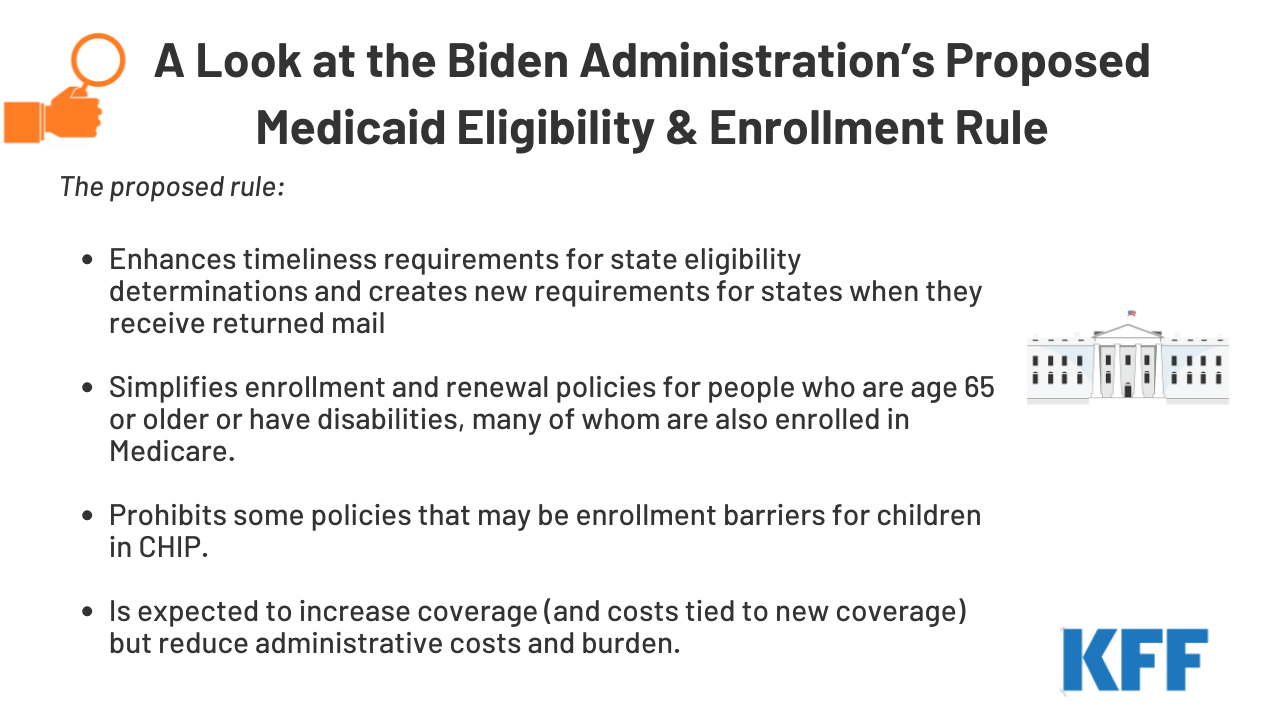
Medicaid eligibility is not a one-time determination. It is subject to periodic review, and you have a responsibility to report any changes in your circumstances.
- Redetermination: Your state will periodically redetermine your eligibility, typically on an annual basis. This involves updating your income, household size, and other relevant information.
- Reporting Changes: It is crucial to report any significant changes in your household income, household composition, or residency status to your state’s Medicaid agency promptly. Failure to do so could result in overpayments or termination of your benefits.
In conclusion, qualifying for Medicaid involves a complex interplay of income, household size, categorical eligibility, and sometimes asset limits. By understanding these various components and diligently preparing your application, you can better navigate the process of securing this essential healthcare coverage. Always consult your state’s specific Medicaid agency for the most accurate and up-to-date information.
aViewFromTheCave is a participant in the Amazon Services LLC Associates Program, an affiliate advertising program designed to provide a means for sites to earn advertising fees by advertising and linking to Amazon.com. Amazon, the Amazon logo, AmazonSupply, and the AmazonSupply logo are trademarks of Amazon.com, Inc. or its affiliates. As an Amazon Associate we earn affiliate commissions from qualifying purchases.