
The question of “what president cut down the cherry tree” immediately conjures the image of a young George Washington, axe in hand, confessing his misdeed with the famous line, “I cannot tell a lie; I did it with my little hatchet.” While historians widely regard this story as an apocryphal fable, it stands as one of the most powerful and enduring examples of personal branding in American history. Far more than a simple childhood anecdote, this narrative, crafted and popularized by Mason Locke Weems in his 1800 biography, The Life of Washington the Great, served as a foundational myth for the nascent American republic, deliberately shaping the perception of its first leader and, by extension, the character of the nation itself. From a branding perspective, the cherry tree myth offers profound insights into the power of storytelling, the construction of corporate identity, and the enduring impact of a well-articulated, albeit fabricated, narrative.
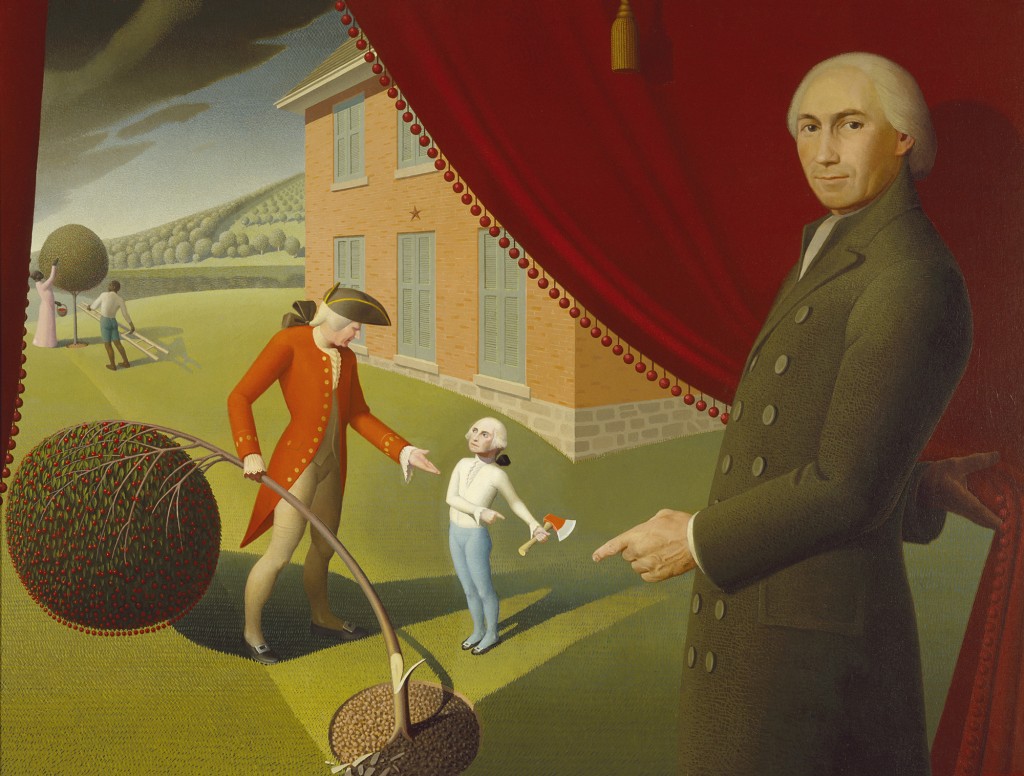
The Genesis of a National Brand: George Washington and the Cherry Tree Myth
To understand the cherry tree myth as a branding exercise, one must consider the historical context. Following Washington’s death, America was a young nation grappling with its identity. It needed heroes, symbols, and narratives that could inspire unity, establish moral authority, and define its values. Weems’s biography, especially the cherry tree story, filled this void with remarkable precision, transforming a respected military leader into an almost mythological figure of unwavering integrity.
Crafting the Archetype of Integrity
The myth didn’t merely recount an event; it constructed an archetype. George Washington, already a celebrated figure, was elevated to a moral paragon. The story positioned him as honest, virtuous, and accountable from childhood, establishing a consistent character trait that resonated with the ideals of a young republic. For a brand, especially a national one, consistency in its core message is paramount. The cherry tree story provided an easily digestible, emotionally resonant narrative that cemented “honesty” as a core pillar of Washington’s personal brand. This wasn’t about detailing policy or military strategy; it was about defining character, a much more potent tool for long-term brand building and public allegiance.
The Power of Story in Brand Formation
Brands don’t just sell products or services; they sell stories, emotions, and aspirations. The cherry tree myth is a masterclass in this principle. It’s simple, relatable, and teaches a clear moral lesson. It appeals to universal values of truth and parental authority. For individuals, companies, or even nations, stories create connection, foster identification, and embed values far more effectively than a mere list of achievements or attributes. Weems understood that a compelling narrative could transcend facts, creating a powerful emotional bond between the audience and the “brand” (Washington). This narrative became a shorthand for his integrity, effortlessly communicated across generations, proving that a memorable story, even if fictional, can be an incredibly effective branding tool.
From Anecdote to Enduring Brand Narrative: The Cherry Tree’s Legacy
The staying power of the cherry tree myth is testament to its success as a branding narrative. Despite its historical inaccuracies, it continues to be taught and referenced, shaping perceptions and reinforcing specific brand values associated with George Washington. This longevity is a critical indicator of a robust brand strategy.
Brand Pillars: Honesty, Virtue, and Leadership
The story cemented “honesty” as Washington’s primary brand pillar, but it also reinforced “virtue” and “leadership.” A leader who cannot tell a lie is inherently trustworthy and morally upright. This moral foundation was crucial for a leader tasked with uniting a diverse populace and establishing democratic institutions. In contemporary branding, identifying and consistently communicating core brand pillars is essential. The cherry tree story brilliantly articulated Washington’s key attributes in a way that resonated deeply with the public consciousness, making him not just a leader, but a moral compass for the nation.
Amplification and Cultural Penetration
The myth achieved extraordinary cultural penetration. It was incorporated into school curricula, children’s books, and popular culture, becoming a ubiquitous symbol. This widespread dissemination and integration into the national narrative demonstrate effective brand amplification. Without modern advertising channels, the story relied on word-of-mouth, educational institutions, and its inherent appeal to spread its message. The simplicity and moral clarity of the tale made it highly transmissible, ensuring that Washington’s “brand” of integrity reached every corner of the young republic and endured for centuries. This highlights the importance of creating brand content that is easily shared, understood, and integrated into the broader cultural conversation.

Modern Branding Lessons from an Apocryphal Tale
Even in an age dominated by digital media and data-driven marketing, the cherry tree myth offers invaluable lessons for brand strategists, personal branding experts, and corporate entities. Its success underscores fundamental truths about human perception and narrative power.
Authenticity (or the Perception Thereof) as a Core Brand Value
While the cherry tree story itself was fabricated, it was designed to project authenticity and integrity. In today’s hyper-transparent world, genuine authenticity is paramount. Consumers are adept at spotting inauthenticity. However, the lesson here isn’t to create fiction, but to understand that perceived authenticity drives trust. Brands must cultivate genuine values and then articulate them through consistent actions and narratives. The myth worked because it tapped into a societal desire for virtuous leadership. Modern brands must similarly understand their audience’s values and build their brand around a genuine alignment with those values, then communicate it through transparent and consistent means.
The Longevity of Simple, Powerful Narratives
The cherry tree story’s enduring power lies in its simplicity and universal message. It’s not convoluted or abstract; it’s a clear narrative with a clear moral. In a world saturated with information, brands often struggle to cut through the noise. The Washington myth reminds us that simple, powerful narratives that tap into fundamental human truths and emotions are far more memorable and impactful than complex, data-heavy campaigns. A concise, compelling brand story can define an identity for decades, if not centuries, proving its strategic value over short-term campaigns.
Crisis Management and Reputation Building
The cherry tree myth, in a sense, also acted as a proactive reputation builder. By establishing an early, unshakeable association with honesty, it created a buffer. If Washington’s character were ever questioned, this foundational story would serve as a powerful counter-narrative, reminding the public of his core integrity. For modern brands, this translates to proactive brand building: consistently communicating positive values and developing a strong, positive brand identity can help mitigate future crises. A strong reputation, built on consistent values and narratives, is a company’s most valuable asset in navigating public scrutiny.
Beyond the Fable: Sustaining a Brand Identity
While the cherry tree myth focused on a specific character trait, sustaining a brand, whether for an individual or a corporation, requires ongoing effort and a holistic approach that extends beyond a single anecdote.
Consistency Across Touchpoints
George Washington’s “brand” was reinforced by his public actions, his leadership during the Revolutionary War, and his farewell address. These were real-world “touchpoints” that, whether intentionally or not, aligned with the image of integrity and virtuous leadership propagated by stories like the cherry tree. For modern brands, consistency across all customer touchpoints – from product quality and customer service to marketing messaging and corporate social responsibility – is crucial. Every interaction a consumer has with a brand contributes to its overall identity and perception. Discrepancies between narrative and reality can quickly erode trust.
Evolving the Narrative Without Diluting Core Values
The way we interpret and discuss George Washington has evolved over time, yet his core brand attributes of leadership and integrity largely persist, albeit with more nuanced historical understanding. Similarly, brands must be able to adapt their messaging and strategies to changing market conditions and consumer expectations without losing sight of their foundational values. The challenge lies in evolving the brand narrative to remain relevant while steadfastly upholding the core identity that gives it meaning and resonance. The cherry tree myth, therefore, serves not just as a historical curiosity, but as a timeless case study in the strategic, enduring power of narrative in brand building.
aViewFromTheCave is a participant in the Amazon Services LLC Associates Program, an affiliate advertising program designed to provide a means for sites to earn advertising fees by advertising and linking to Amazon.com. Amazon, the Amazon logo, AmazonSupply, and the AmazonSupply logo are trademarks of Amazon.com, Inc. or its affiliates. As an Amazon Associate we earn affiliate commissions from qualifying purchases.