
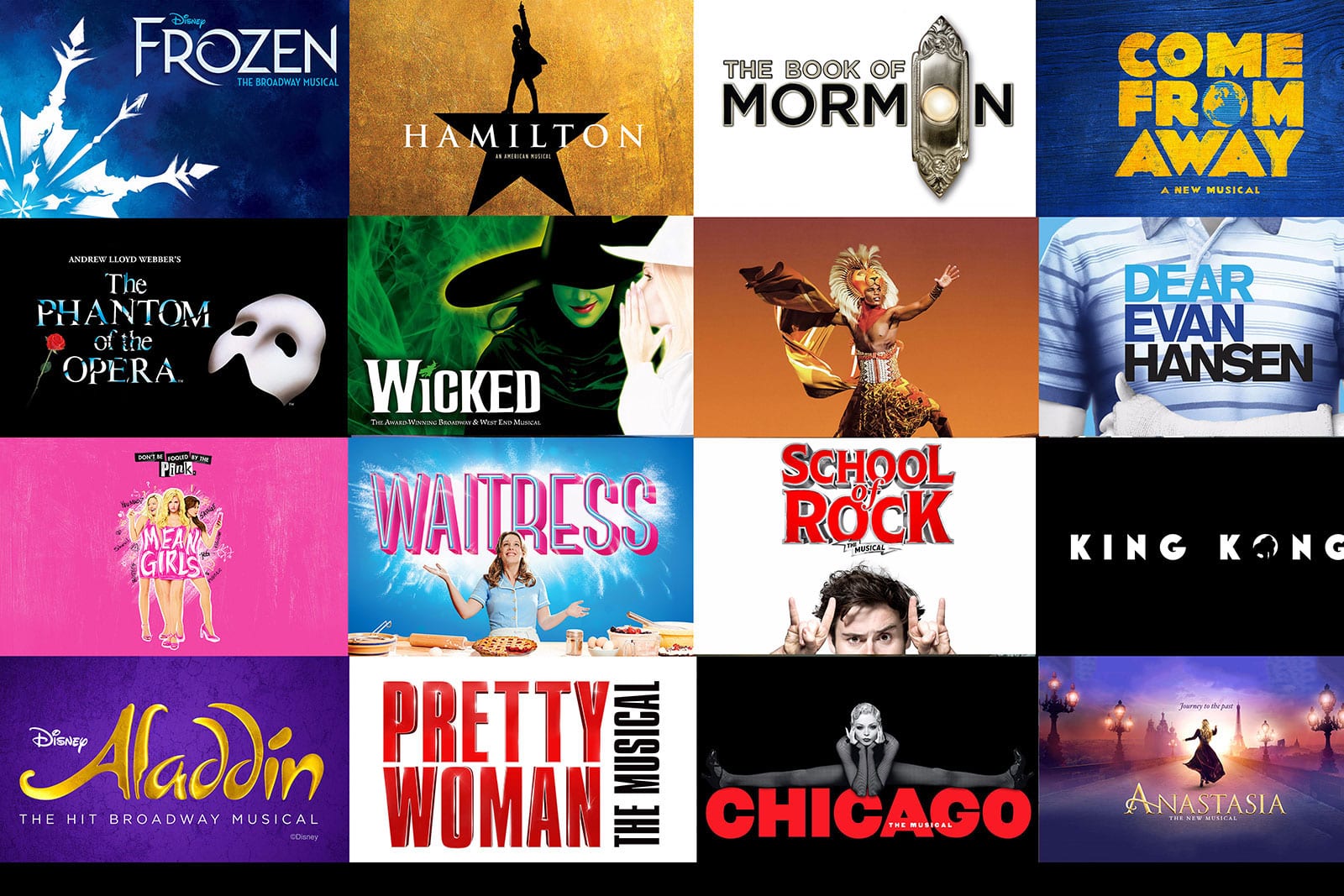
When one asks, “what plays are on Broadway in New York City,” the typical response involves a list of titles, star-studded casts, and glowing reviews. However, from a financial perspective, Broadway is far more than a collection of artistic performances; it is a high-stakes, multi-billion-dollar industry fueled by venture capital, complex financial structures, and sophisticated revenue management. Each marquee on 42nd Street represents a unique business entity, often capitalized with millions of dollars and designed to deliver significant returns to its stakeholders.
To understand the landscape of New York theater, one must look past the velvet curtains and into the ledgers. The Broadway industry contributes over $14 billion to the New York City economy annually, supporting nearly 100,000 jobs. For the savvy investor or the business-minded observer, the “plays on Broadway” are high-yield, high-risk assets in a specialized market.
Understanding the Financial Structure of Broadway Productions
Every production currently running on Broadway operates as an independent business, typically structured as a Limited Liability Company (LLC) or a Limited Partnership (LP). This structure is designed to insulate investors from personal liability while allowing for the flow-through of profits and losses.
The Capitalization Process: From Development to Opening Night
The journey of a Broadway show begins with “capitalization.” This is the total amount of money required to get the show through rehearsals, technical previews, and its official opening night. For a standard play, capitalization typically ranges between $3 million and $5 million. For a large-scale musical, that figure can soar to $15 million or even $25 million.
Investors, often referred to as “angels,” provide the seed capital. These funds cover everything from set construction and costume design to theater deposits and marketing blitzes. Unlike traditional corporate investments, these funds are “at risk” from day one. If a show closes during previews, the capital is largely unrecoverable, making theater one of the most speculative asset classes in the alternative investment world.
Limited Partnerships and the Role of the Investor
In the Broadway ecosystem, the “Lead Producers” act as the general partners, making all day-to-day operational and creative decisions. The “Limited Partners” (the investors) provide the capital but have no say in the artistic direction of the piece. In exchange for their capital, limited partners typically receive 50% of the show’s net profits after recoupment, while the general partners retain the other 50%. This “50/50 split” is the industry standard, though it only kicks in once the initial investment has been paid back in full.
Revenue Streams and Performance Metrics for Investors
To determine “what plays are on Broadway” from a success standpoint, analysts look at the weekly box office reports published by the Broadway League. These reports provide a granular look at the financial health of every production, acting as the “ticker tape” of the theater world.
Analyzing Box Office Reports and Net Operating Profits
The primary metric for Broadway success is “The Nut”—the weekly operating cost required to keep the show running. This includes theater rent, actor salaries, stagehand wages, and ongoing advertising. A show’s financial health is determined by the gap between its weekly gross (the total ticket sales) and its weekly operating costs.
If a musical has a weekly nut of $800,000 but brings in $1.2 million, it generates a $400,000 weekly profit. This profit is used to pay back the initial investors. Sophisticated investors also look at the “Percentage of Gross Potential.” This metric tells you how much of the theater’s total possible revenue is being captured. A show playing at 95% capacity with a high average ticket price is a blue-chip asset, whereas a show at 60% capacity is likely “burning” cash and may face an early closure.
Secondary Revenue: Licensing, Touring, and Merchandising
The Broadway run is often just the “loss leader” or the flagship marketing event for a much larger brand. The real wealth in theater often comes from secondary revenue streams:
-
National Tours: Successful Broadway plays often launch multiple touring companies. These tours have lower operating costs and can tap into massive markets across North America.
-
International Productions: Licensing a show to London’s West End, Germany, or Australia creates a stream of royalty income for the original New York investors.
-
Merchandising: For “spectacle” musicals, merchandise can account for 10% to 15% of total revenue.
-
Stock and Amateur Rights: Once a show finishes its professional life, schools and community theaters pay licensing fees to perform the work, providing a “long tail” of passive income for decades.
Risk Management in the High-Stakes World of New York Theater
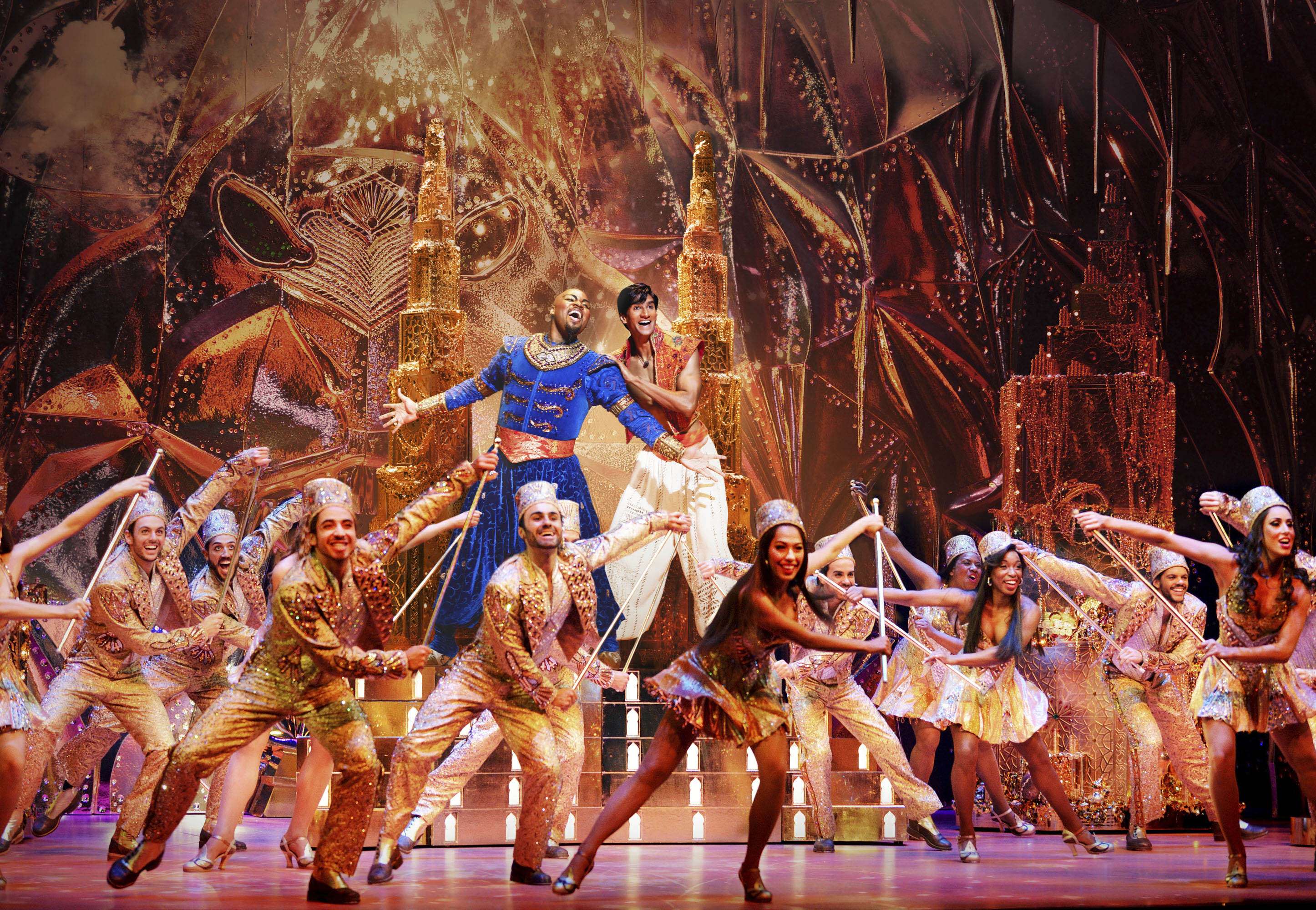
It is a well-known industry statistic that approximately 80% of Broadway shows do not recoup their initial investment. This high failure rate requires investors to employ rigorous risk management strategies, much like a venture capital firm managing a portfolio of startups.
The Recoupment Reality: Balancing Hits and Misses
Because the majority of shows fail to turn a profit, experienced Broadway investors rarely put all their capital into a single production. Instead, they diversify across a “slate” of shows. One “Hamilton” or “Wicked” can pay for dozens of failures and still deliver a massive net gain.
The timeline for recoupment is also a critical factor. A play might recoup in 20 to 30 weeks, whereas a massive musical might take two to three years of playing to sold-out houses before investors see their first dollar of profit. Understanding the “burn rate” during slow months (like January and February) is essential for assessing the sustainability of a Broadway investment.
Tax Incentives and Government Grants for Arts Investments
To mitigate risk, the federal and state governments offer various financial cushions. For instance, Section 181 of the Internal Revenue Code has historically allowed investors to deduct the full cost of a production in the year the money was spent, rather than amortizing it over time. This provides an immediate tax benefit that can offset gains in other parts of an investor’s portfolio. Additionally, programs like the New York City Musical and Theatrical Production Tax Credit provide a 25% credit on qualified production expenditures, significantly lowering the “break-even” point for new shows.
Broadway as a Portfolio Diversification Strategy
For high-net-worth individuals, investing in the plays currently on Broadway is not just about the glamour of opening night; it is a strategic move to diversify away from traditional equities and bonds.
Long-term Yield vs. Speculative Gains
Broadway investments are “uncorrelated” assets. The success of a new play in New York is rarely tied to the fluctuations of the S&P 500 or interest rate hikes by the Federal Reserve. A show’s performance is driven by critical reception, word of mouth, and tourism trends. This lack of correlation makes Broadway an attractive “alternative” bucket in a sophisticated financial portfolio. While the asset is illiquid (you cannot easily sell your shares in a Broadway show on an open exchange), the long-term yields of a “hit” can exceed 20% to 30% annually for the life of the copyright.
The “Hamilton” Effect: Identifying Scalable Intellectual Property
In the modern financial landscape of Broadway, the focus has shifted toward “Intellectual Property” (IP). Shows based on existing movies, famous biographies, or popular music catalogs (jukebox musicals) are often seen as safer bets because they come with a built-in audience. This reduces the “Customer Acquisition Cost” (CAC)—the marketing spend required to get a person into a seat.
Investors are increasingly looking for “scalable” theater. A play that can be adapted into a film or a streaming special (such as “Hamilton” on Disney+) represents a massive expansion of the original asset’s value. In this sense, the plays on Broadway serve as an R&D lab for global entertainment brands.

Conclusion: The Bottom Line on Broadway
When you look at the list of what plays are on Broadway in New York City, you are looking at a map of capital deployment. From the massive institutional investments behind Disney’s “The Lion King” to the independent “angel” funding behind a new experimental drama, Broadway is a testament to the intersection of art and commerce.
For the investor, the theater offers a unique opportunity to participate in a storied industry that combines high-risk speculation with the potential for generational wealth through licensing and global franchising. While the risk of loss is significant, the financial infrastructure of Broadway—built on LLC protections, tax incentives, and diverse revenue streams—provides a professional framework for managing that risk. In New York City, the play isn’t just the thing; it’s a sophisticated financial instrument that continues to captivate the imagination of the global market.
aViewFromTheCave is a participant in the Amazon Services LLC Associates Program, an affiliate advertising program designed to provide a means for sites to earn advertising fees by advertising and linking to Amazon.com. Amazon, the Amazon logo, AmazonSupply, and the AmazonSupply logo are trademarks of Amazon.com, Inc. or its affiliates. As an Amazon Associate we earn affiliate commissions from qualifying purchases.