
American Airlines, a titan in global aviation, operates one of the world’s largest and most technologically advanced fleets. Far beyond mere vehicles for transport, each aircraft is a marvel of engineering, incorporating state-of-the-art systems designed for efficiency, safety, and an optimized passenger experience. Understanding “what planes American Airlines uses” is to understand a complex interplay of aerospace technology, digital innovation, and strategic operational choices. This article will delve into the technological backbone of American Airlines’ fleet, exploring the innovations that define their aircraft and drive their operations in the 21st century.
The Core of American Airlines’ Modern Fleet: A Technological Overview
At the heart of American Airlines’ operations is a diverse fleet, meticulously selected and continuously upgraded to leverage the latest advancements in aerospace technology. This selection is a strategic decision, balancing operational demands, fuel efficiency, passenger comfort, and the integration of cutting-edge systems.
Narrow-Body Workhorses: Boeing 737 and Airbus A320 Families
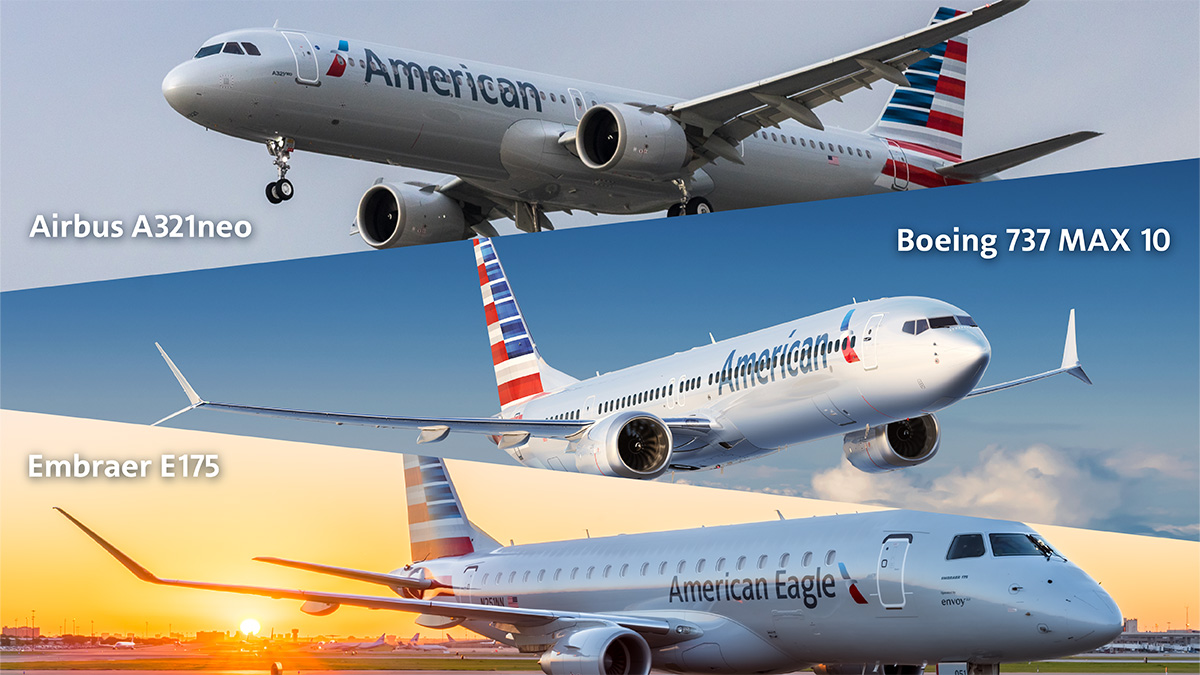
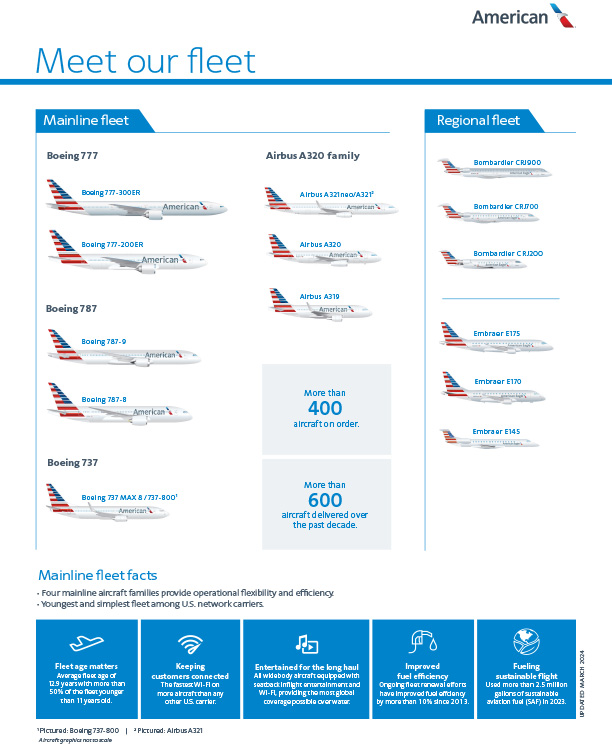
The backbone of American Airlines’ domestic and short-to-medium haul international network comprises a substantial number of narrow-body aircraft, primarily from the Boeing 737 and Airbus A320 families. These aircraft, while appearing ubiquitous, are anything but simplistic, embodying significant technological prowess.
The Boeing 737-800 and the newer 737 MAX variants are pivotal. Technologically, the 737 MAX represents a significant leap forward, primarily through its CFM LEAP-1B engines. These engines incorporate advanced materials and aerodynamic designs, such as 3D-woven composite fan blades and a higher bypass ratio, which contribute to a 14% improvement in fuel efficiency compared to previous generations. This translates not only to reduced operational costs but also to a lower carbon footprint, a critical technological objective in modern aviation. Furthermore, the MAX features advanced fly-by-wire technology for flight controls, specifically in the spoilers, enhancing precision and reducing pilot workload. Its Advanced Technology (AT) winglets are aerodynamically optimized to reduce drag, further improving fuel efficiency.
Similarly, American Airlines’ Airbus A320 family, including the A319, A320, and A321, particularly the newer A320neo (new engine option) variants, showcases distinct technological advantages. The A320neo is powered by either the Pratt & Whitney PW1100G geared turbofan or the CFM LEAP-1A engines, both offering substantial reductions in fuel burn and noise levels. The geared turbofan technology, in particular, allows the fan and low-pressure compressor/turbine to operate at optimal speeds, leading to remarkable efficiency. Airbus aircraft are also renowned for their full fly-by-wire flight control systems, which replaced traditional mechanical linkages with electronic interfaces, providing enhanced safety features, greater commonality across fleet types, and significant weight reduction. The A321neo, with its extended range capabilities facilitated by these engine technologies and structural enhancements, often blurs the line between narrow-body and some wide-body roles.
Wide-Body Giants: Long-Haul Innovation with Boeing 787 and 777
For its extensive international routes, American Airlines relies on sophisticated wide-body aircraft, which are veritable laboratories of advanced aerospace technology. These include the Boeing 777 and the ultra-modern Boeing 787 Dreamliner.
The Boeing 787 Dreamliner (787-8 and 787-9) is a testament to cutting-edge materials science and systems integration. A revolutionary aspect of the 787 is its extensive use of composite materials, making up 50% of its primary structure, including the fuselage and wings. This dramatically reduces the aircraft’s weight, leading to a 20-25% improvement in fuel efficiency compared to similarly sized aluminum aircraft. The lighter airframe also contributes to increased range and payload capacity. Beyond materials, the 787 features an advanced electrical power architecture, replacing many traditional pneumatic and hydraulic systems with electrical ones, simplifying design and maintenance while boosting efficiency. Its cabin technology is equally impressive, with larger windows, dynamic LED lighting, and an advanced cabin pressurization system that maintains a lower cabin altitude (6,000 feet instead of 8,000 feet), reducing passenger fatigue. The advanced Smooth Ride Technology actively senses and counteracts turbulence, enhancing passenger comfort.
The Boeing 777 (777-200ER and 777-300ER), while an older design than the 787, remains a highly capable and technologically robust aircraft, having undergone continuous upgrades. Known for its powerful engines – specifically the General Electric GE90 for the -300ER, one of the most powerful jet engines ever built – the 777 boasts impressive range and reliability. Its advanced digital flight deck incorporates large liquid crystal displays and an integrated avionics suite, providing pilots with comprehensive flight information and systems control. The 777’s design emphasizes redundancy and safety, employing robust hydraulic and electrical systems. For passengers, continuous technological upgrades have focused on enhancing in-flight entertainment systems and connectivity options.
Advanced Avionics and Flight Systems: Powering the Skies
The cockpit of a modern airliner is a highly integrated digital environment, a nexus of advanced avionics and flight control systems that ensure safe, efficient, and precise operations across the globe.
Next-Generation Cockpits: Digital Transformation and Automation
American Airlines’ fleet features “glass cockpits,” which have largely replaced analog dials with large, multi-function displays. These integrated avionics suites provide pilots with critical flight data, navigation information, engine parameters, and systems status in a highly graphical and intuitive format. Key systems include:
-
Flight Management Systems (FMS): Sophisticated computer systems that automate a wide range of in-flight tasks, including navigation, flight planning, fuel optimization, and performance calculations. They integrate with GPS and inertial reference systems (IRS) for highly accurate positioning.
-
Autopilot and Autoland Systems: Highly advanced automation capabilities that can fly the aircraft from takeoff to landing, including fully automatic landings (autoland) in low-visibility conditions, significantly enhancing safety and operational resilience.
-
Electronic Flight Bags (EFBs): Replacing bulky paper charts and manuals, EFBs are tablet-based devices providing digital access to navigational charts, operational manuals, weather information, and performance calculations, streamlining cockpit workflow and reducing weight.
Communication and Navigation: Ensuring Seamless Operations
Modern aircraft are equipped with an array of communication and navigation technologies crucial for air traffic control, operational coordination, and safety.
-
Satellite Communications (SATCOM): Essential for voice and data communication over oceanic and remote regions where traditional VHF radio is unavailable, enabling continuous connectivity for flight crews and often for passenger Wi-Fi.
-
Automatic Dependent Surveillance-Broadcast (ADS-B): A crucial next-generation surveillance technology that allows aircraft to broadcast their position, velocity, and other data, which can be received by ground stations and other aircraft. This enhances air traffic control efficiency and collision avoidance capabilities.
-
Global Positioning System (GPS) and Inertial Navigation Systems (INS): These systems provide highly accurate, redundant navigation capabilities, allowing aircraft to fly precise routes, optimized for fuel efficiency and airspace constraints.
-
Weather Radar: Advanced onboard weather radar systems provide pilots with real-time, high-resolution imagery of atmospheric conditions, allowing them to navigate around severe weather, ensuring passenger comfort and safety.
Passenger Experience Technology: Comfort and Connectivity in the Air
Beyond the flight deck, technology significantly shapes the passenger journey, transforming the cabin into an integrated, comfortable, and connected environment.
In-Flight Entertainment (IFE) and Wi-Fi: Keeping Passengers Connected
American Airlines continually invests in passenger-facing technology to enhance the travel experience.
-
Advanced In-Flight Entertainment (IFE) Systems: Many of American’s aircraft, particularly wide-bodies and newer narrow-bodies, feature seat-back touchscreens offering a vast library of movies, TV shows, games, and destination information. These systems are powered by sophisticated servers and networked systems, providing on-demand content. On some aircraft, passengers can stream content directly to their personal devices via an onboard media server.
-
High-Speed In-Flight Wi-Fi: Recognizing the demand for connectivity, American Airlines has equipped a significant portion of its fleet with high-speed internet access. Technologies like Gogo 2Ku and Viasat satellite-based systems provide broadband connectivity, allowing passengers to browse the web, check emails, and even stream content, making travel time productive or entertaining. This involves complex antenna systems on the aircraft’s exterior and sophisticated onboard routers and modems.
Cabin Environmental Control and Lighting: Enhancing Well-being
Technological advancements extend to the physical environment of the cabin itself, influencing passenger comfort and well-being.
-
Advanced Environmental Control Systems (ECS): Modern aircraft, especially the Boeing 787, feature highly sophisticated ECS that control temperature, airflow, and humidity more effectively than older aircraft. The 787, for example, can maintain higher humidity levels in the cabin, reducing the drying effects of air travel and contributing to a fresher feel.
-
Dynamic LED Lighting: Programmable LED lighting systems are a standard feature on new aircraft. These systems can simulate various natural light cycles, from sunrise to sunset, helping to reduce jet lag and create a more relaxing ambiance. They can also be used to highlight cabin features or for mood lighting during different phases of flight.
-
Enhanced Air Filtration: All modern aircraft utilize High-Efficiency Particulate Air (HEPA) filters, which are capable of removing 99.97% of airborne particles, including viruses and bacteria, ensuring a high quality of cabin air.
Operational Efficiency and Future Fleet Technology
The technological investment in American Airlines’ fleet extends beyond individual aircraft features, encompassing systems that optimize operational efficiency, maintenance, and future sustainability goals.
Fuel Efficiency Technologies: Reducing Environmental Impact and Costs
Fuel is one of an airline’s largest operating expenses, making fuel efficiency a primary technological driver.
-
Engine Advancements: As highlighted with the LEAP and geared turbofan engines, continuous research and development in engine technology focus on improving thermal efficiency, reducing weight, and incorporating advanced materials for higher operating temperatures.
-
Aerodynamic Enhancements: Beyond winglets, ongoing research in computational fluid dynamics (CFD) leads to subtle design changes in airframes that reduce drag.
-
Weight Reduction Strategies: The use of composite materials, lightweight cabin interiors, and the digitization of documents (EFBs) all contribute to reducing the aircraft’s empty weight, directly impacting fuel consumption.
-
Software Optimization: Advanced flight planning and weather routing software leverage big data and AI to calculate optimal flight paths, altitudes, and speeds, minimizing fuel burn in real-time.
Maintenance and Diagnostics: Predictive Analytics in Aviation
Keeping a vast and complex fleet operational requires sophisticated maintenance technologies.
-
Onboard Health Monitoring Systems: Modern aircraft are equipped with thousands of sensors that continuously monitor the health and performance of every major system. These systems generate vast amounts of data, which are transmitted to ground-based operations centers.
-
Predictive Maintenance Platforms: American Airlines utilizes advanced analytics and machine learning to analyze this sensor data, identifying potential component failures before they occur. This allows for proactive maintenance scheduling, minimizing unscheduled downtime, and enhancing safety.
-
Digital Twin Technology: In some cases, digital twins of aircraft components or entire aircraft are used to simulate performance and predict wear and tear, optimizing maintenance interventions.

Fleet Modernization and Emerging Aircraft Technologies
American Airlines is constantly evaluating and integrating new technologies as part of its ongoing fleet modernization strategy. This includes not only ordering new, more efficient aircraft like additional A321neos and 737 MAXs but also exploring technologies that will shape the future of aviation.
-
Sustainable Aviation Fuels (SAFs): While not aircraft technology per se, the increasing compatibility of modern engines with higher blends of SAFs is a critical technological enabler for decarbonizing aviation. American Airlines is actively investing in and utilizing SAFs.
-
Future Propulsion Systems: Though still in early stages for commercial applications, American Airlines, like the broader industry, is monitoring developments in electric, hybrid-electric, and hydrogen-powered aircraft, which represent the next frontier in aviation technology and sustainability.
In conclusion, American Airlines’ fleet is a dynamic ecosystem of advanced technology. From the composite structures of the Dreamliner to the digital brains of the flight deck, and from the immersive in-flight entertainment systems to the predictive maintenance analytics, every aircraft is a sophisticated technological marvel designed to deliver safety, efficiency, and a superior travel experience. As aerospace technology continues to evolve, so too will the planes American Airlines uses, embodying the cutting edge of aviation innovation.
aViewFromTheCave is a participant in the Amazon Services LLC Associates Program, an affiliate advertising program designed to provide a means for sites to earn advertising fees by advertising and linking to Amazon.com. Amazon, the Amazon logo, AmazonSupply, and the AmazonSupply logo are trademarks of Amazon.com, Inc. or its affiliates. As an Amazon Associate we earn affiliate commissions from qualifying purchases.