
In the modern era of bio-hacking and high-performance living, sleep is no longer viewed as a passive state of rest. Instead, it is increasingly recognized as a critical physiological process that requires optimized “hardware.” For side sleepers—who represent the majority of the population—the quest for the perfect pillow is not merely about comfort; it is a challenge of ergonomics, material science, and mechanical engineering.
The lateral sleeping position places unique demands on the musculoskeletal system. Without the correct support, the head, neck, and spine fall out of alignment, leading to chronic pain and diminished sleep quality. To solve this, the bedding industry has pivoted toward technological innovation. From NASA-developed foams to AI-integrated biometric sensors, the “best” pillow for a side sleeper is now defined by its technical specifications and its ability to integrate into a broader digital health ecosystem.

The Ergonomics of Side Sleeping: Why Material Science Matters
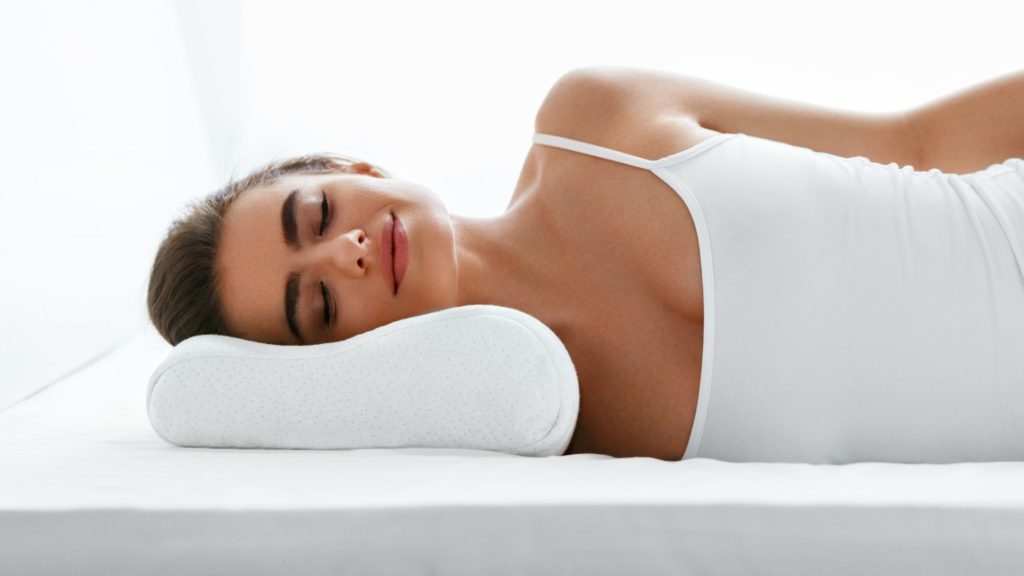
Side sleeping is statistically the most popular position, yet it is arguably the most difficult to support correctly from a structural perspective. When you lie on your side, a significant gap is created between the ear and the outer shoulder. The primary function of a high-tech pillow is to fill this “void” with a material that offers both compressive resistance and contouring precision.
Support versus Alignment: The Physics of the Lateral Position
The goal of any side-sleeper pillow is to maintain “neutral spinal alignment.” In technical terms, this means the cervical spine should remain a straight extension of the thoracic spine. If a pillow is too thin, the head tilts downward, straining the ligaments on the opposite side of the neck. If it is too thick, the neck is pushed upward, compressing the vertebrae.
Modern engineering has addressed this through the concept of “loft.” For side sleepers, a medium-to-high loft is required. However, static loft is often insufficient. The material must possess a specific “indentation load deflection” (ILD) rating—a measurement of how firm or soft a foam is. Tech-forward pillows utilize multi-layered construction to ensure the surface is soft enough to prevent ear pressure sores while the core is firm enough to prevent the head from bottoming out.
High-Density Polyurethane and Memory Foam Innovations
The history of the modern pillow is inextricably linked to the aerospace industry. Memory foam, or visco-elastic polyurethane foam, was originally developed by NASA to improve seat safety and crash protection. Today, this material has been refined through chemical engineering to create “open-cell” structures.
Unlike traditional foams that trap heat, open-cell memory foam utilizes a network of interconnected air pockets. This increases breathability while maintaining the material’s unique ability to respond to body heat and pressure. For a side sleeper, this tech allows the pillow to “flow” around the shoulder and neck, creating a customized mold that redistributes the weight of the head—which averages 10 to 11 pounds—across a wider surface area.
Smart Pillows and the Rise of Sleep Technology
As we move further into the decade, the definition of a pillow has expanded from a textile product to a consumer electronic device. “Smart pillows” are now a burgeoning category within the Internet of Things (IoT), designed specifically to monitor and improve sleep architecture for side sleepers.
Integrated Bio-Sensors and Sleep Tracking
Many high-end pillows now feature embedded piezoelectric sensors and micro-accelerometers. These components are thin enough to be imperceptible to the sleeper but sensitive enough to track heart rate, respiratory patterns, and movement. For side sleepers, this data is invaluable.
Because side sleepers are prone to shoulder “jamming” or arm numbness (paresthesia), smart pillows can detect excessive tossing and turning. This data is synced via Bluetooth to mobile applications, providing a “Sleep Score.” Advanced models use this real-time data to trigger haptic feedback—gentle vibrations that encourage the sleeper to shift their head position if their breathing becomes obstructed, a common issue in lateral positions where the jaw may slightly misalign.
Active Cooling Systems and Thermoregulation Gadgets
One of the primary disruptors of REM sleep is thermal discomfort. Side sleepers have more surface area contact with the pillow than back sleepers, which often leads to heat accumulation. To combat this, engineers have integrated active cooling technologies.
This goes beyond “cooling gels.” We are now seeing the integration of Phase Change Materials (PCM)—substances that absorb, store, and release heat as they change from solid to liquid states (and vice versa) at specific temperatures. Some cutting-edge pillows even feature “active” cooling via silent internal fans or graphite heat sinks that pull thermal energy away from the cranium and dissipate it through the sides of the pillow.
Customizable Mechanics: Modular Designs and Variable Loft
In the tech world, “one size fits all” is a failing philosophy. The same applies to bedding. Because shoulder widths vary significantly between individuals, a side sleeper’s pillow must be adjustable. This has led to the development of modular pillow “stacks.”
Micro-cushion Technology and Variable Density
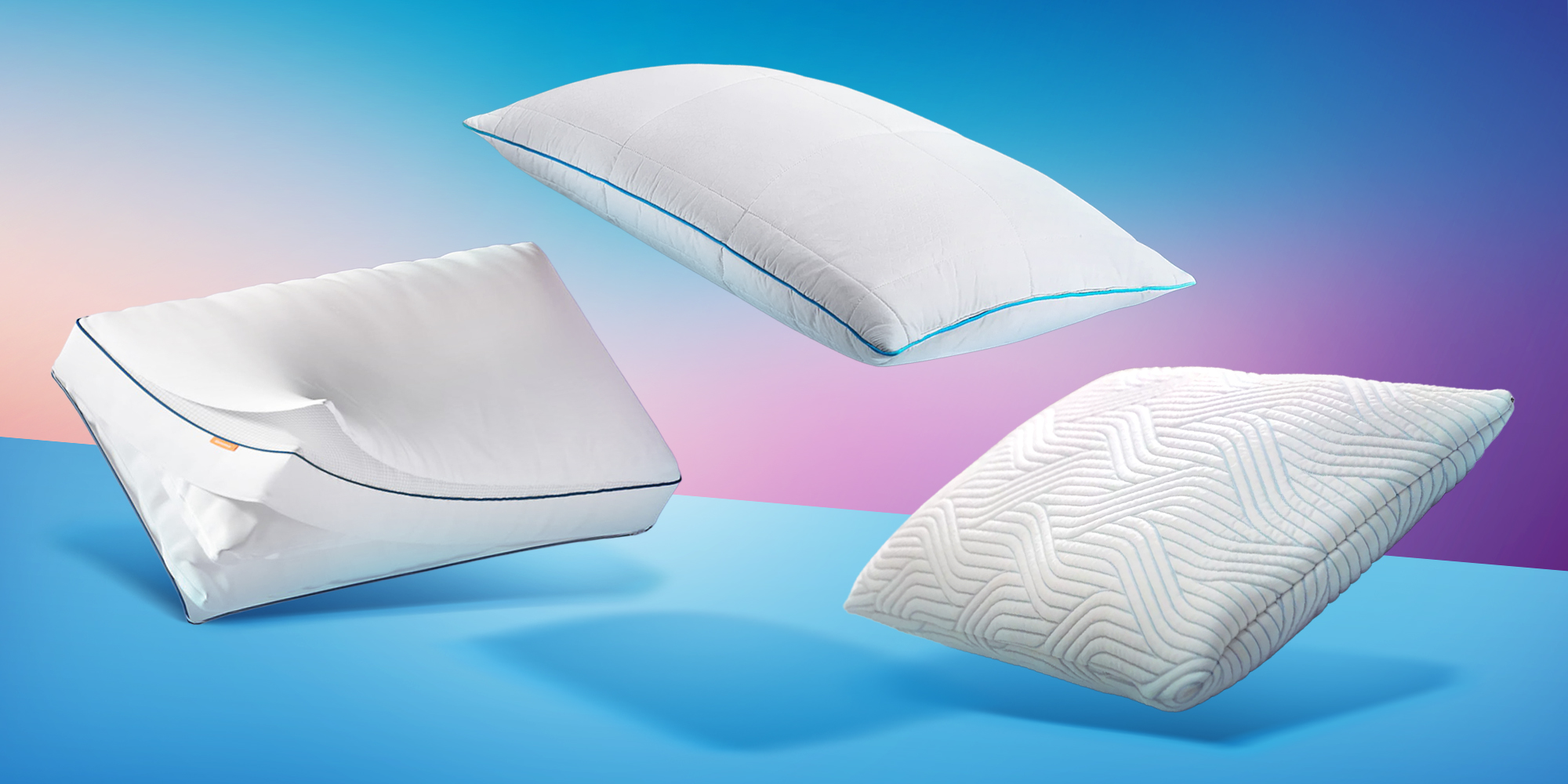
High-tech pillows like those from brands like Coop Home Goods or Purple utilize “cross-cut” memory foam or hyper-elastic polymers. These are not solid blocks of foam but are instead comprised of thousands of engineered micro-cushions.
The technological advantage here is customization. Users can physically remove or add the fill to calibrate the loft to the exact millimeter required for their specific shoulder breadth. From a mechanical standpoint, this allows the pillow to behave more like a fluid than a solid, shifting dynamically as the sleeper moves from a strict side position to a slight fetal curl.
Geometric Engineering for Shoulder Relief
Some of the most innovative pillows for side sleepers look less like rectangles and more like pieces of modern architecture. These pillows utilize “cut-out” designs—contoured notches at the bottom of the pillow where the shoulder resides.
This geometric approach solves a major mechanical flaw in traditional pillows: the “shoving” effect. Usually, when a side sleeper pulls a pillow into their neck, the shoulder pushes the pillow away. By engineering a dedicated space for the acromion process (the bony tip of the outer shoulder), the pillow can support the neck without being displaced. This is a result of 3D pressure-mapping technology used during the R&D phase to visualize how different body types interact with foam surfaces.
AI-Driven Sleep Optimization: The Future of Personalized Bedding
The future of finding the best pillow for side sleepers lies in artificial intelligence and machine learning. We are moving away from trial-and-error purchasing toward data-driven selection.
Machine Learning Algorithms in Pillow Selection
Several startups are now using AI-driven “fitting” tools. By taking a few photos or using a LiDAR scan from a smartphone, an algorithm can calculate an individual’s neck length, shoulder width, and head mass. The AI then cross-references this data against thousands of pillow density and loft profiles to recommend the specific “hardware” that will keep the user’s spine neutral. This eliminates the “break-in” period and ensures that the tech matches the anatomy.
Connectivity with Smart Home Ecosystems
The best side-sleeper pillows are increasingly becoming nodes within a smart home ecosystem. Through platforms like Apple HealthKit or Matter, your pillow can communicate with your thermostat. If the sensors in your pillow detect your body temperature rising—often an issue for side sleepers buried in blankets—it can signal the AC to drop two degrees.
Furthermore, some pillows now include integrated bone-conduction speakers. These allow side sleepers to listen to white noise or binaural beats without the discomfort of earbuds. Because the sound travels through the pillow’s structure directly to the inner ear, it provides an immersive auditory environment that masks household noise, further protecting the integrity of the sleep cycle.
Conclusion: Investing in Your Sleep Stack
Finding the best pillow for side sleepers is no longer a matter of choosing between “down” or “synthetic.” It is an exercise in selecting the right technology to support your biology. For the side sleeper, the stakes are high; the wrong choice leads to mechanical failure of the neck and spine, resulting in a “tech neck” or chronic fatigue.
By prioritizing high-density materials, thermoregulation tech, and modular adjustability, you are essentially upgrading your body’s recovery system. As wearable technology and AI continue to penetrate the bedroom, the pillow will remain the most critical piece of hardware in your sleep stack. For those who spend a third of their lives on their side, investing in an engineered, tech-forward pillow is the most logical step toward achieving peak cognitive and physical performance.
aViewFromTheCave is a participant in the Amazon Services LLC Associates Program, an affiliate advertising program designed to provide a means for sites to earn advertising fees by advertising and linking to Amazon.com. Amazon, the Amazon logo, AmazonSupply, and the AmazonSupply logo are trademarks of Amazon.com, Inc. or its affiliates. As an Amazon Associate we earn affiliate commissions from qualifying purchases.