
The Marvel Cinematic Universe (MCU) has become more than just a collection of interconnected superhero films and television shows; it’s a sprawling, multi-platform narrative that has captivated audiences for over a decade. With each passing year, Marvel Studios meticulously crafts and releases new content, building upon established lore while introducing fresh characters and ambitious storylines. This consistent output, coupled with the evolving nature of its overarching sagas, naturally leads to the question: what phase of Marvel are we currently experiencing? Understanding this framework is crucial for fans to fully appreciate the narrative progression, anticipate future developments, and contextualize the ongoing expansion of the MCU. This exploration will delve into the current phase, its defining characteristics, and what it signifies for the future of this dominant force in popular culture.
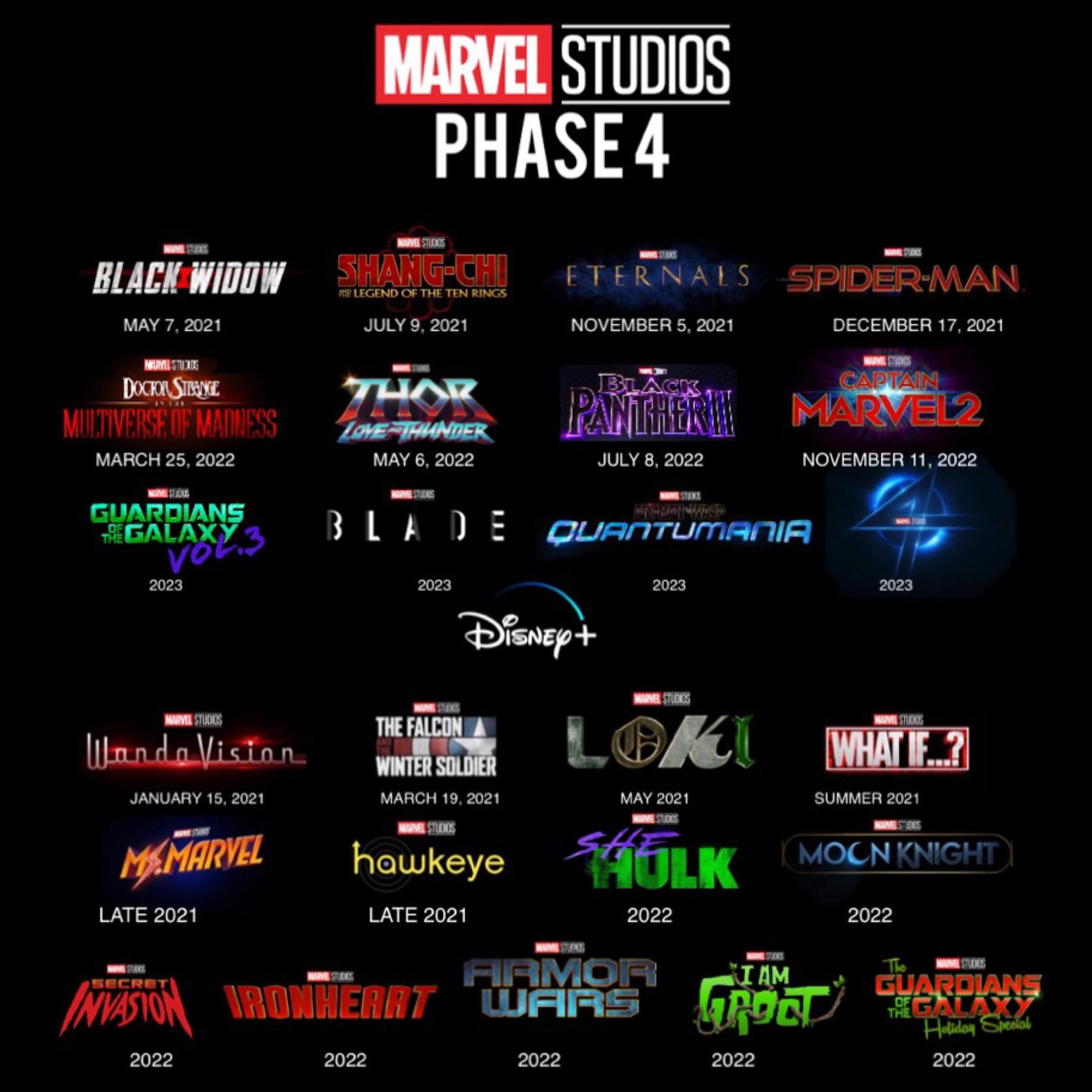
Deconstructing the Marvel Cinematic Universe’s Phased Approach
The concept of “phases” within the MCU is not merely a marketing tool; it’s an organizational structure that allows Marvel Studios to manage its increasingly complex narrative. Introduced with the release of Iron Man in 2008, the MCU has been deliberately segmented into distinct phases, each culminating in a major crossover event that ties together the threads woven throughout the preceding films and series. This phased approach has been instrumental in the franchise’s success, providing a clear roadmap for both creators and consumers, and allowing for the systematic introduction and development of characters, storylines, and overarching themes.
The Genesis and Evolution of Marvel’s Phases
The initial phases of the MCU were characterized by their foundational nature, focusing on establishing the core Avengers and their individual mythologies. Phase One, subtitled “Earth’s Mightiest Heroes,” culminated in the epic team-up of The Avengers (2012). This phase laid the groundwork for the shared universe, introducing iconic characters like Iron Man, Captain America, Thor, and the Hulk, and establishing their origins and the threats they would face. The success of Phase One proved the viability of this ambitious interconnected storytelling model.
Phase Two, “New Beginnings,” which concluded with Avengers: Age of Ultron (2015), began to explore the wider cosmic implications of the MCU and introduced more complex villains and morally ambiguous characters. It expanded the universe beyond Earth, delving into cosmic entities and the Infinity Stones, setting the stage for the larger conflict to come. This phase also saw the introduction of more diverse characters and the exploration of more personal character arcs.
The Infinity Saga: A Culmination and a New Beginning
Phase Three, arguably the most ambitious and consequential phase, was defined by the overarching narrative of the Infinity Stones and the ultimate threat posed by Thanos. This phase, which dramatically concluded with Avengers: Endgame (2019), was a masterclass in long-form storytelling, paying off years of build-up and delivering a cathartic, universe-altering climax. The conclusion of the Infinity Saga marked a pivotal moment, providing closure to many character arcs while simultaneously leaving the door open for new heroes and new conflicts. The impact of Endgame was profound, not only in terms of its narrative resolution but also in its massive box office success, solidifying the MCU’s cultural dominance.
Identifying the Current Phase: The Multiverse Saga
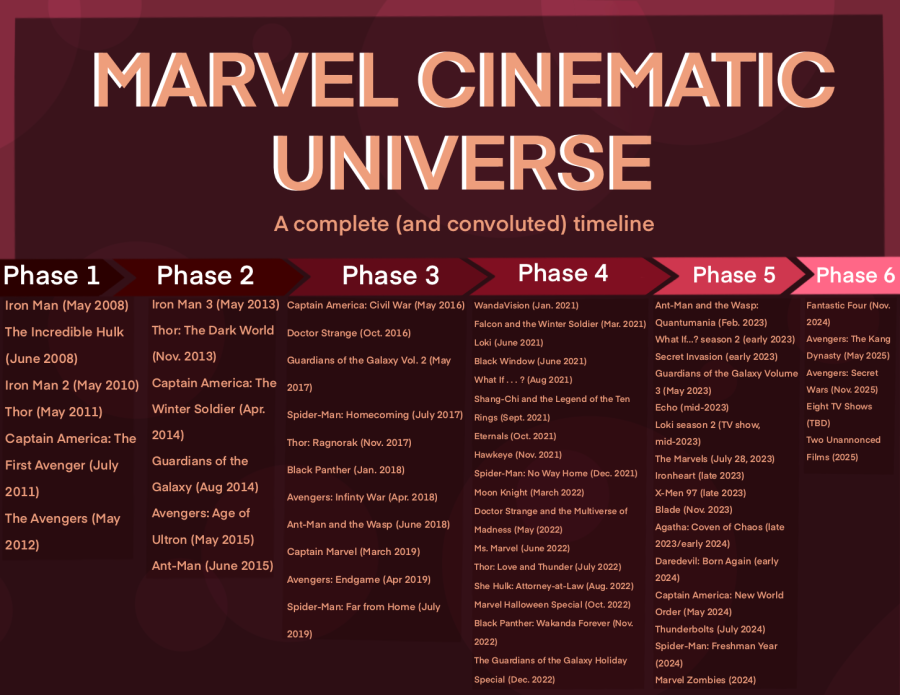
Following the monumental conclusion of the Infinity Saga, Marvel Studios embarked on a new chapter, now officially recognized as Phase Four, and continuing into Phase Five, collectively referred to as “The Multiverse Saga.” This overarching narrative arc signifies a shift in scope and ambition, moving beyond the singular threat of Thanos to explore the vast and complex concept of parallel realities and alternate timelines. The Multiverse Saga is characterized by its exploration of fractured realities, the consequences of tampering with time and space, and the introduction of new factions and multiversal threats.
Phase Four: A Bridge Between Eras
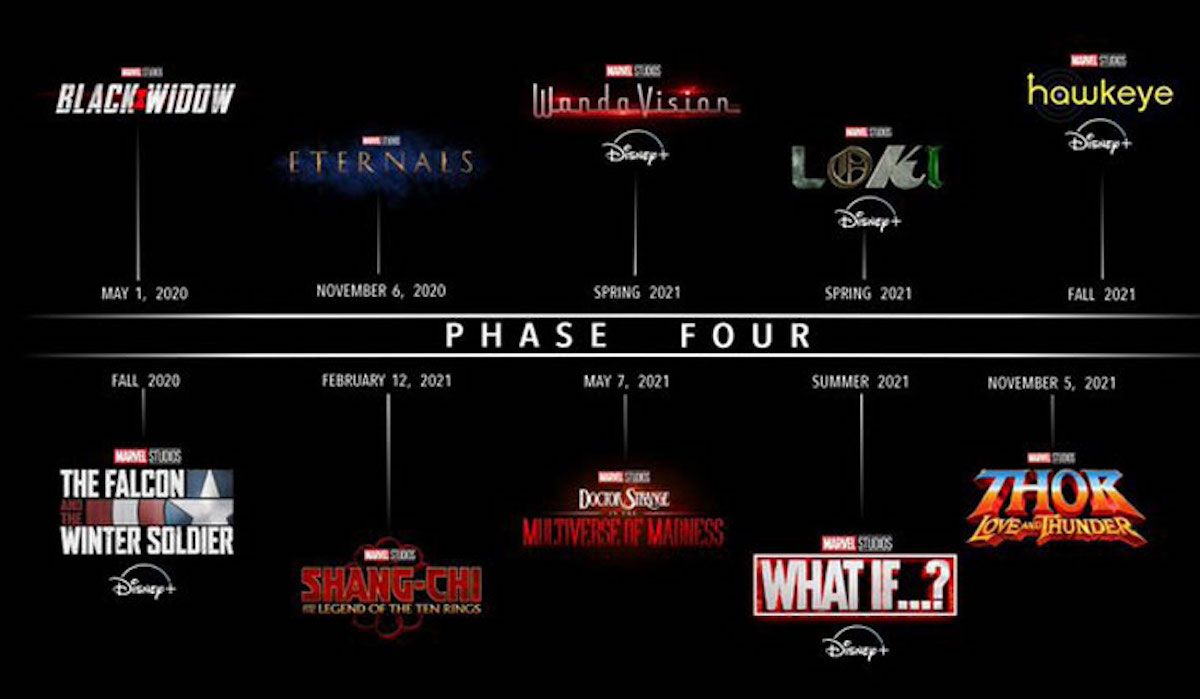
Phase Four served as a transitional period, introducing a wealth of new characters and continuing the stories of established heroes in the post-Endgame landscape. It saw the expansion of the MCU onto the Disney+ streaming platform, with a slate of highly acclaimed television series that often delved deeper into character backstories and explored more experimental narrative structures. Shows like WandaVision, The Falcon and the Winter Soldier, Loki, and Moon Knight introduced new heroes, explored the ramifications of past events, and began to subtly (and sometimes not so subtly) hint at the multiversal dangers brewing. The introduction of the multiverse in Loki and its subsequent impact in Spider-Man: No Way Home and Doctor Strange in the Multiverse of Madness clearly established this as the central theme of the current era.
Phase Five: Unveiling the Multiversal Threats
Phase Five has continued to build upon the foundations laid in Phase Four, with a more direct engagement with multiversal conflict. The introduction of characters like Kang the Conqueror, a formidable multiversal adversary, has signaled a new era of existential threats. Films like Ant-Man and the Wasp: Quantumania and the ongoing narratives of series like Loki season 2 and What If…? are actively exploring the ramifications of multiversal incursions, the potential for alternate versions of beloved characters, and the dangers inherent in manipulating the fabric of reality. This phase is characterized by a sense of urgency and a higher stakes narrative, as the consequences of multiversal instability begin to manifest in tangible ways.
Defining Characteristics of The Multiverse Saga
The Multiverse Saga is not just about a new set of villains or a grander scale; it’s about a fundamental shift in the narrative’s exploration of its own mythology. The exploration of the multiverse allows for a re-examination of established characters, the introduction of infinite possibilities, and the creation of truly unpredictable storylines. This allows Marvel Studios to revisit past events, explore “what if” scenarios, and introduce characters from previous Marvel film adaptations that were not part of the original MCU continuity.
The Blurring of Realities and Identities
One of the most prominent characteristics of The Multiverse Saga is the blurring of lines between different realities and alternate versions of characters. This allows for exciting opportunities to see familiar faces in new contexts, explore the “what ifs” of character development, and introduce fan-favorite characters from past Marvel iterations into the current MCU. For instance, the appearance of multiple Spider-Men in Spider-Man: No Way Home was a direct manifestation of this concept, bringing together different cinematic interpretations of the iconic hero. This concept also allows for the exploration of moral ambiguity, as heroes might encounter darker or corrupted versions of themselves or their allies.
Escalating Stakes and New Adversaries
The stakes in The Multiverse Saga are inherently higher due to the nature of multiversal threats. The destruction of one universe has far-reaching implications for countless others, and the villains that emerge from these fractured realities are often more powerful and complex than anything the Avengers have faced before. Kang the Conqueror, with his mastery over time and his ability to exist across multiple timelines, represents a singular threat that requires a more nuanced and widespread approach to defeat. This also allows for the introduction of a wider array of supporting characters and organizations, both heroic and villainous, who operate on a multiversal scale.
The Disney+ Integration and Narrative Expansion
The substantial integration of Disney+ has been a defining feature of The Multiverse Saga. The streaming platform has provided Marvel Studios with an unprecedented opportunity to expand its storytelling beyond the confines of feature films. Television series are no longer mere side stories; they are integral components of the overarching narrative, allowing for deeper character development, exploration of niche corners of the Marvel universe, and direct contributions to the unfolding multiversal plot. This has allowed for the introduction of characters and storylines that might not have had the space to flourish in a traditional film format, enriching the overall tapestry of the MCU.
Looking Ahead: The Future of the Multiverse Saga
As The Multiverse Saga continues to unfold, the narrative is poised to reach even greater heights of complexity and spectacle. The ongoing exploration of fractured realities, the escalating conflict with multiversal adversaries, and the continued expansion of the MCU through both film and television promise an exciting and unpredictable future for fans. The foundations laid in Phase Four and the intensified focus of Phase Five suggest that the culmination of this saga will be an event of immense significance, potentially reshaping the MCU in ways that are yet to be fully understood.
The Culmination of the Multiversal Threat
While the exact endgame of The Multiverse Saga remains shrouded in mystery, it is clear that the confrontation with multiversal threats will be the central focus. The introduction of Kang and his various iterations, along with the potential for other cosmic or extradimensional antagonists, indicates a narrative arc that will likely culminate in a universe-shattering conflict. This could involve the convergence of multiple realities, the introduction of entirely new pantheons of characters, and the ultimate fate of the MCU as we know it hanging in the balance.
The Evolution of Heroes and the Emergence of New Teams
In response to these escalating threats, we can expect to see the evolution of existing heroes and the emergence of new teams specifically designed to combat multiversal dangers. The Avengers, or a new iteration of them, will undoubtedly play a crucial role, but the scope of the multiversal threat may necessitate the formation of alliances with characters and organizations from across different realities. This could lead to unexpected team-ups and a redefinition of what it means to be a hero in a multiversal landscape. The MCU has a history of introducing new teams, and this saga presents ample opportunity for fresh configurations of heroes.
The Enduring Legacy of Interconnected Storytelling
The Multiverse Saga, much like its predecessors, is a testament to the enduring power of interconnected storytelling. Marvel Studios has proven time and again its ability to weave a complex, compelling narrative across multiple platforms and over extended periods. The success of The Multiverse Saga hinges on its ability to continue this tradition, delivering satisfying payoffs for long-time fans while remaining accessible and engaging for newcomers. The ability to balance the epic scope of multiversal conflict with intimate character-driven stories will be key to its ultimate legacy.
In conclusion, the Marvel Cinematic Universe is currently deep within “The Multiverse Saga,” a bold and ambitious phase that builds upon the foundations of its predecessors while charting a new course into the infinite possibilities of parallel realities. This era is defined by its exploration of fractured timelines, the introduction of formidable multiversal adversaries, and a significant expansion of its narrative through the Disney+ streaming platform. As the saga progresses, audiences can anticipate escalating stakes, the evolution of beloved characters, and the emergence of new heroes and teams united against threats that transcend the boundaries of any single universe. The current phase of Marvel is not just about saving the world; it’s about saving existence itself, a testament to the ever-expanding scope and imaginative power of the MCU.
aViewFromTheCave is a participant in the Amazon Services LLC Associates Program, an affiliate advertising program designed to provide a means for sites to earn advertising fees by advertising and linking to Amazon.com. Amazon, the Amazon logo, AmazonSupply, and the AmazonSupply logo are trademarks of Amazon.com, Inc. or its affiliates. As an Amazon Associate we earn affiliate commissions from qualifying purchases.